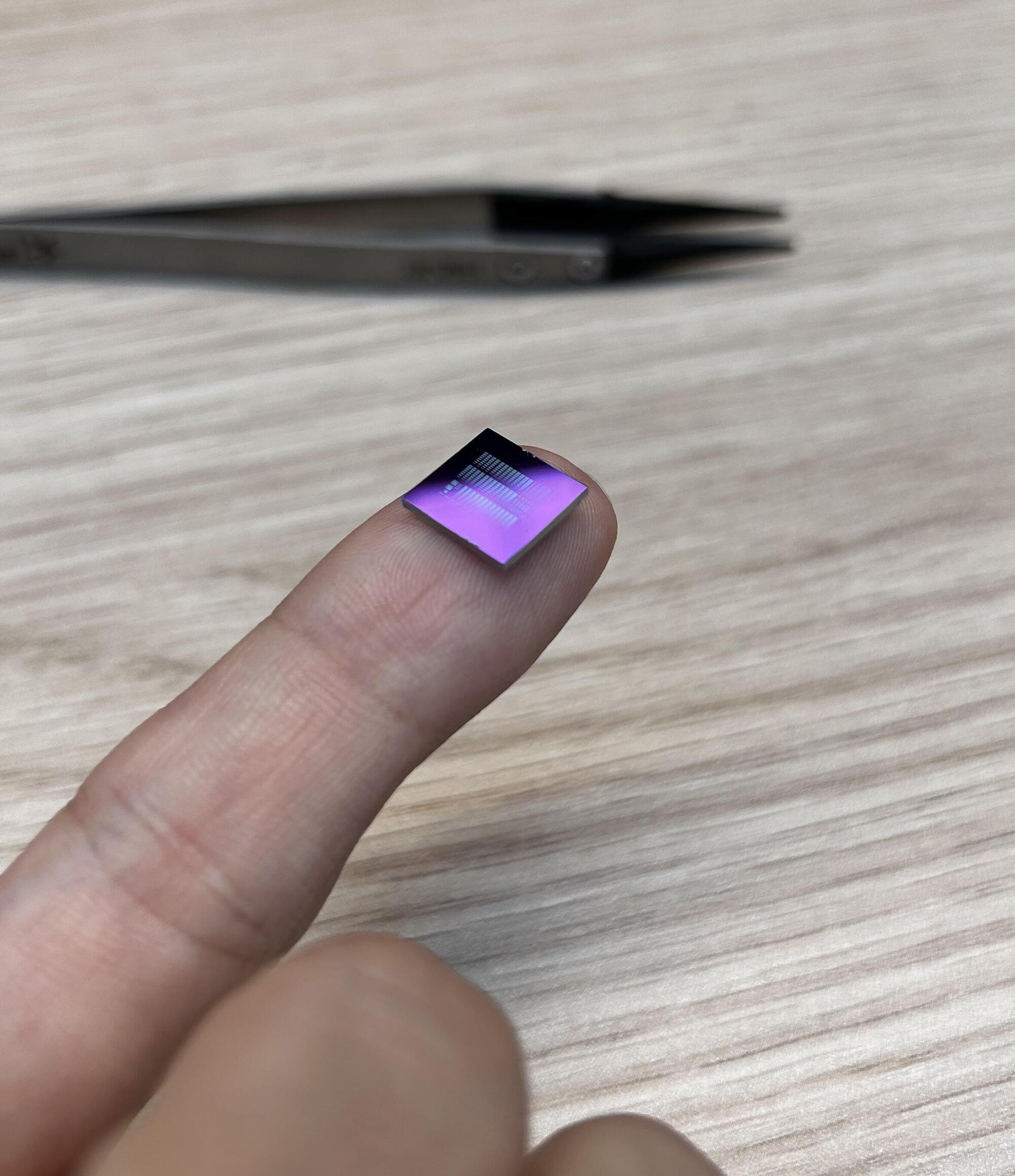
A new catalyst strategy developed at Institute of Science Tokyo uses BaSi2 as a support for nickel and cobalt to decompose ammonia at lower temperatures. By forming unique ternary transition metal–nitrogen–barium intermediates that facilitate nitrogen coupling, the system lowers the energy barrier for ammonia decomposition. This enables nickel-and cobalt-based catalysts to achieve high hydrogen-production activity at reduced temperatures, matching the performance of ruthenium while relying on Earth-abundant metals for cleaner hydrogen generation.
As the world turns toward cleaner energy sources, hydrogen has emerged as a promising alternative to fossil fuels. Hydrogen can be obtained from various sources such as natural gas, water, biomass, and hydrogen-rich carriers. Ammonia is one such source attracting growing attention as an efficient hydrogen carrier because it stores large amounts of hydrogen and is easier to transport. However, releasing hydrogen from ammonia is typically challenging, as it either requires precious metal catalysts such as ruthenium or non-precious metal catalysts operating at very high temperatures.
Addressing this challenge, a team of researchers led by Dr. Qing Guo and Dr. Shiyao Wang, together with Professor Masaaki Kitano and Specially Appointed Professor Hideo Hosono from the MDX Research Center for Element Strategy, Institute of Integrated Research, Institute of Science Tokyo, Japan, developed a new catalyst design strategy for ammonia decomposition. Instead of solely relying on the catalyst metal, this strategy focuses on using barium silicide (BaSi2) as an active support that directly participates in the catalytic process. The study was published in the Journal of the American Chemical Society on February 19, 2026.