New research points to the shingles vaccine meaningfully reducing the number of people who develop either dementia or mild cognitive decline later in life https://econ.st/4s73gdz.
Illustration: Cristina Spanò
The evidence is surprisingly strong.

New research points to the shingles vaccine meaningfully reducing the number of people who develop either dementia or mild cognitive decline later in life https://econ.st/4s73gdz.
Illustration: Cristina Spanò
The evidence is surprisingly strong.
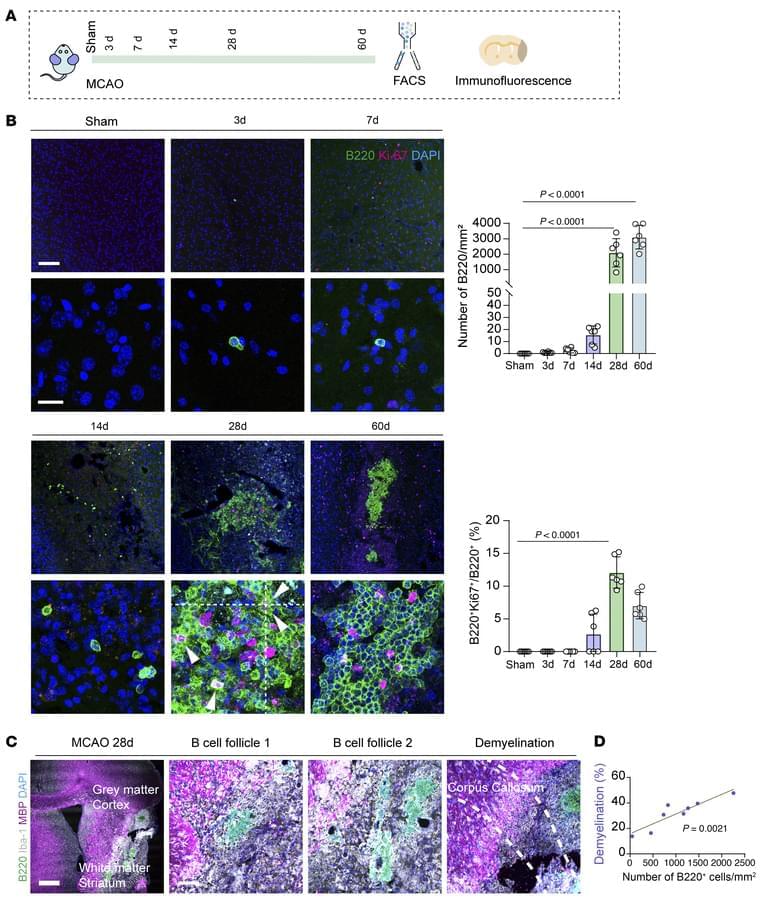
Here, Chuan Qin & team use complementary models in experimental ischemic stroke, showing early post-stroke stages in which microglia recruit B cells into ischemic lesions through MIF/CD74/CXCR4, while later stage post-stroke effects involve interferon signaling in B cells that drives neuroinflammation and brain injury:
The image shows B lymphocytes (Green) in mouse dura tissue colocalizing with CD31+ blood vessels (Red).
1Department of Neurology, Tongji Hospital, Tongji Medical College and State Key Laboratory for Diagnosis and Treatment of Severe Zoonotic Infectious Diseases;
2Key Laboratory of Vascular Aging, Ministry of Education, Tongji Hospital of Tongji Medical College; and.
3Hubei Key Laboratory of Neural Injury and Functional Reconstruction, Huazhong University of Science and Technology, Wuhan, Hubei, China.


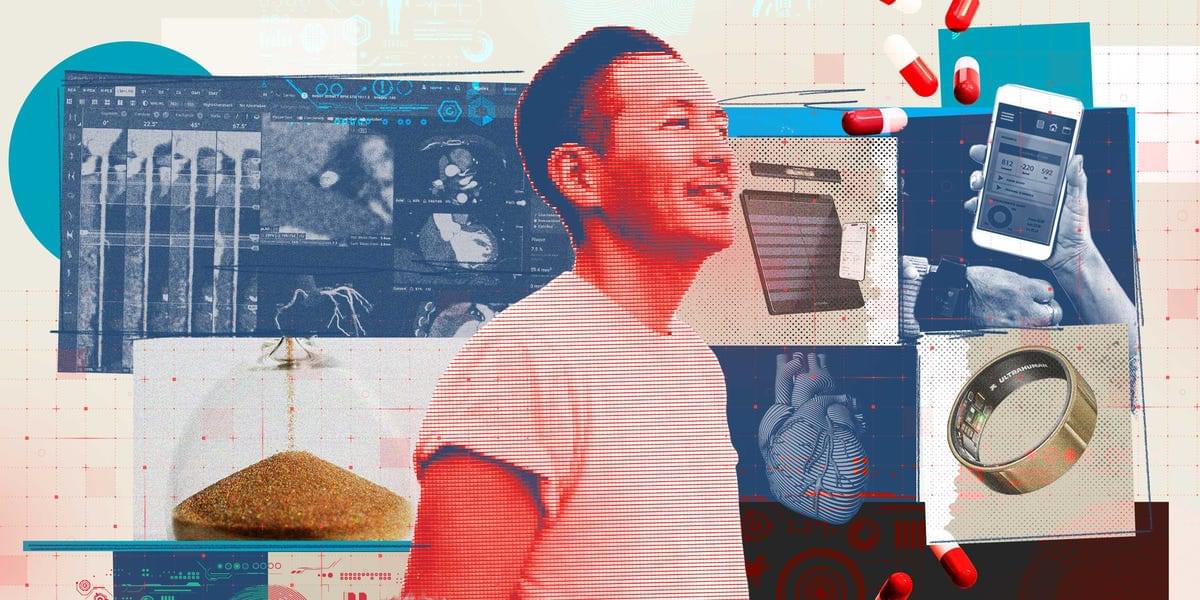

For centuries we treated technology as a tool, and now a new movement insists it is becoming the future of the human species itself.
Transhumanists like Harari and Kurzweil predict the merger of humans and machines, even the rise of a “digital God.” But critics fear this proposed future, calling transhumanism “the world’s most dangerous idea.”
Is the future one where technology is not merely a source of innovation but the basis for a new account of what it is to be human, or are claims of eternal life and new forms of intelligence just fanciful nonsense?
Joining the debate are transhumanist pioneer Zoltan Istvan, physicist and consciousness researcher Àlex Gómez-Marín, philosopher of mind Susan Schneider, and Softmax co-founder Adam Goldstein.
Tap the link now to watch the full debate.
We have for centuries sought technological progress. But now some are making the radical claim that technology is the future of the human race. ‘Effective accelerationists’ have won high-profile Silicon Valley support and claim we should accelerate technology to.
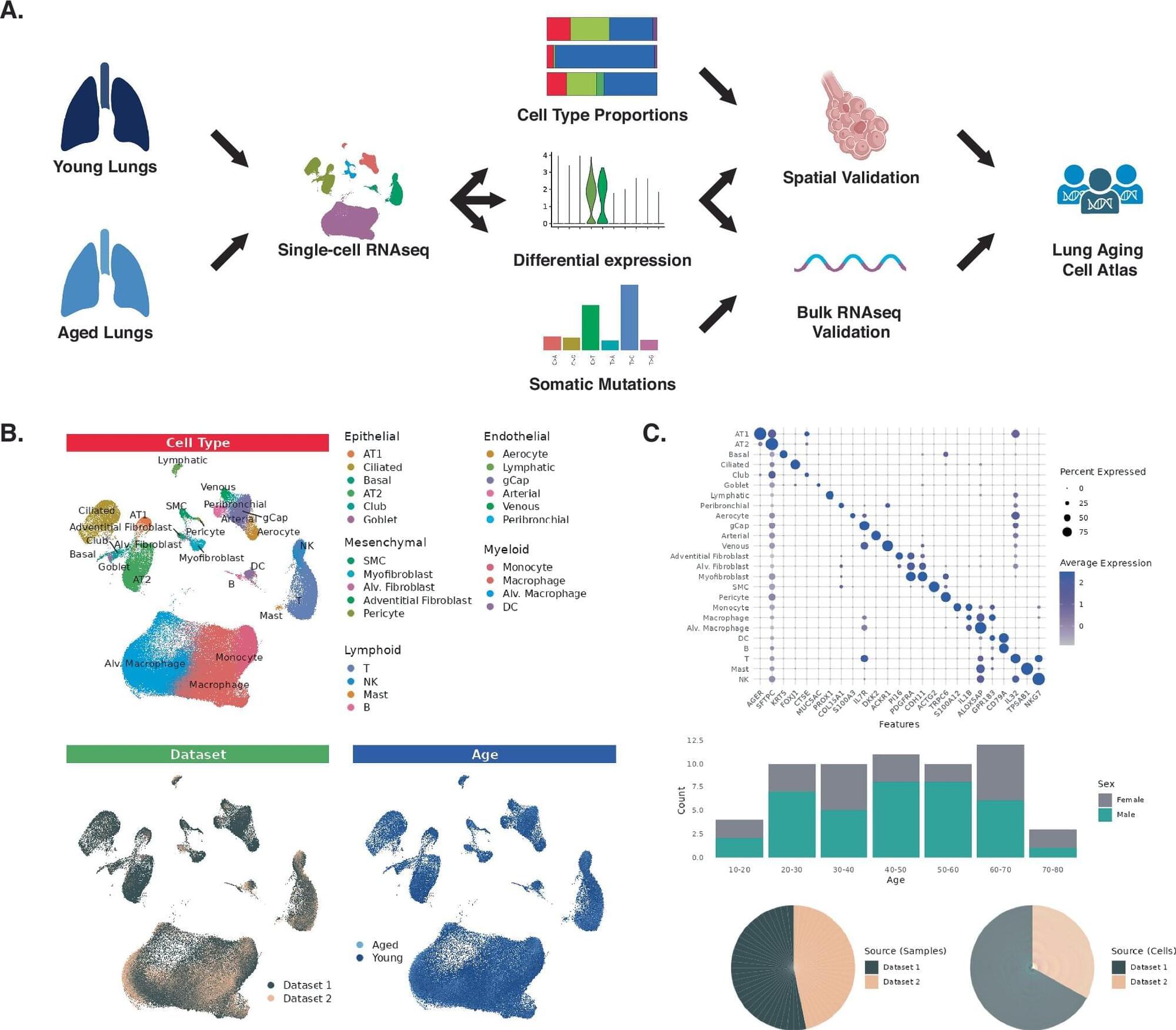
Aging is associated with increased risk for nearly every lung disease, including acute conditions like pneumonia and chronic diseases like chronic obstructive pulmonary disease, idiopathic pulmonary fibrosis, and lung cancer. Now, one of the most comprehensive analyses of human lung aging has found that not all cells age equally.
The study, published in Nature Communications, has found that certain types of lung cells are especially vulnerable to aging. The findings could inform treatments that target the defective cells, say the researchers.
“This data allows us to start thinking about lung aging not as a passive state that we have to accept, but as something that we may be able to modify with therapies and interventions,” says senior author Naftali Kaminski, MD, Boehringer Ingelheim Pharmaceuticals, Inc. Professor of Medicine (Pulmonary) at Yale School of Medicine and chief of pulmonary, critical care and sleep medicine at Yale.

A tiny jellyfish found in the ocean possesses an extraordinary ability to reverse its life cycle. This creature can transform from an adult back to a polyp, essentially resetting its biological clock. Scientists are studying its DNA to understand this process. This discovery offers new insights into aging and regeneration, potentially impacting future medical research.


Abstract. The heart, a vital organ, works without interruption and constantly adjusts to the ever-changing demands on our body. It adapts to physiological and pathological changes, including exercise and emotional state, as well as metabolic, respiratory, and vascular abnormalities. The pumping action of the heart is determined by the health of the myocardium, which undergoes changes with ageing that are both under-investigated and incompletely understood, potentially impacting our approach to pathological conditions. Here, the alterations in cellular, tissue, and gross physiological function of the heart with age are discussed. At the molecular level, non-coding RNAs influence cellular senescence, and extracellular vesicles induce fibrosis through matrix remodelling. Mitochondrial dysfunction and altered fatty acid oxidation reduce cellular energetics, whilst accumulation of reactive oxygen species and steatosis, as well as telomere shortening coupled with reduced autophagy, limit the myocardium’s regenerative capability. Loss of cardiomyocytes, combined with senescence, requires compensatory hypertrophy, inducing myocardial stiffness and altered muscle function. In addition to these direct alterations in myocardial characteristics with ageing, other factors that can affect the myocardium indirectly are addressed, including valve calcification, resulting in regurgitation and/or stenosis; vascular abnormalities, reducing compliance and exacerbating hypertension; fibrosis leading to cardiac arrhythmias; and autonomic dysregulation, reducing cardiac adaptability. Finally, potential modulation of cardiac ageing is discussed whilst also addressing which senescent modifications should be considered as ageing-related physiological changes of the myocardium. A better understanding of myocardial ageing will differentiate physiological changes from early, preventable, and reversible pathological changes, consequently helping to optimize management of individuals with or at risk of myocardial disease by taking into account diverse trajectories of myocardial ageing.