Computer vision technologies are artificial intelligence (AI)-powered systems that can capture, analyze, and interpret visual data captured from real-world environments. While these systems are now widely used, many of them perform poorly under some lighting conditions and when the light in captured scenes changes abruptly.
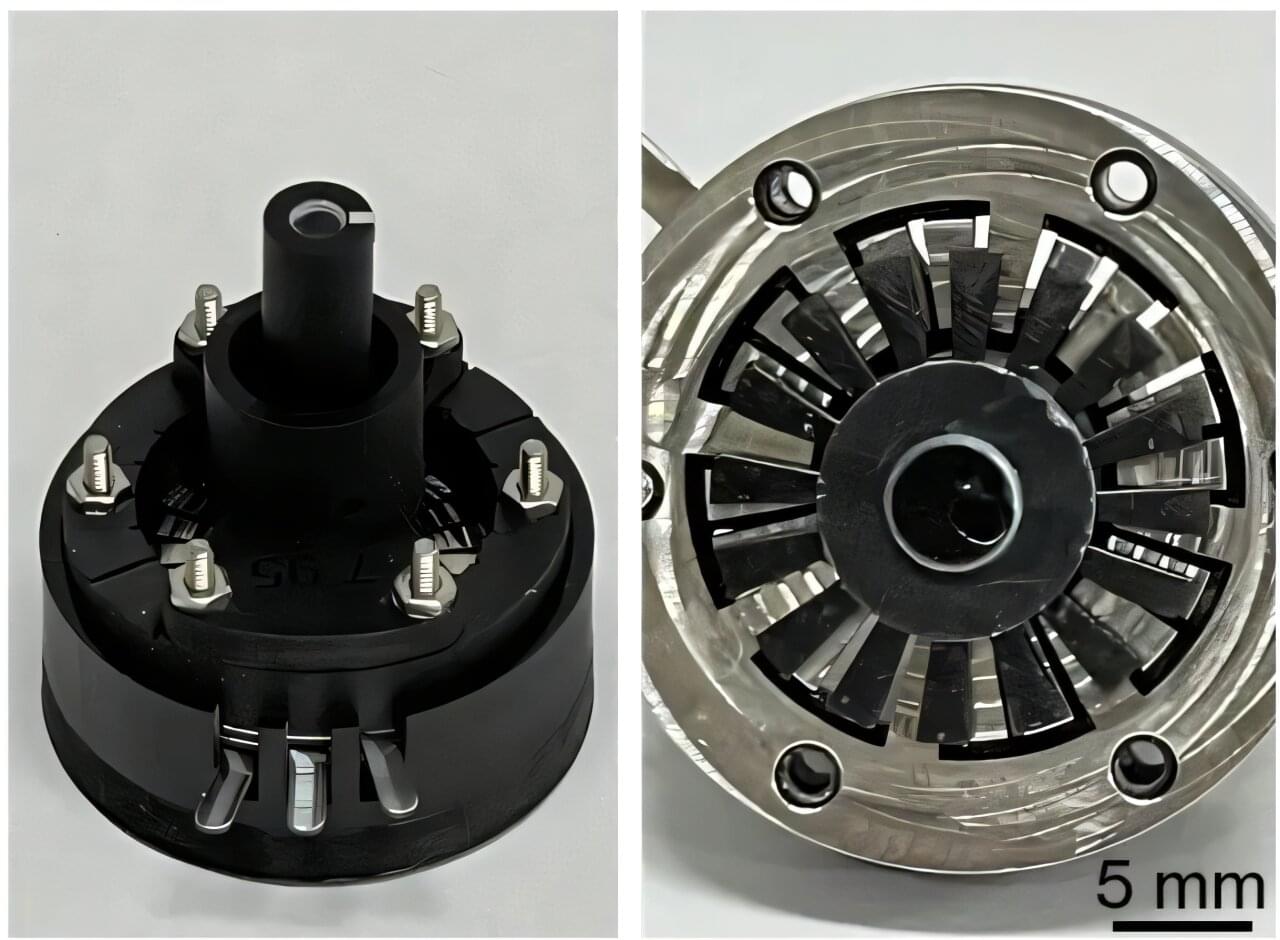
Researchers at University of North Carolina at Chapel Hill, Westlake University and other institutes have developed a new artificial eye that draws inspiration from the eyes of humans, cats and other animals. This artificial eye, introduced in a paper published in Science Robotics, could be used to advance the sensing capabilities of robots, advanced security systems and autonomous vehicles.
“Our project grew from a simple problem: traditional machine vision systems (like the cameras deployed in self-driving cars or robots) struggle with extreme light changes, such as changes from pitch black to bright sunlight,” Dr. Kun Liang, first author of the paper, told Tech Xplore.