Toggle light / dark theme

Joscha Bach & Anders Sandberg

Are minds just processes? Can AI become conscious, morally wiser, or even part of a larger collective intelligence? Anders Sandberg and Joscha Bach discuss consciousness, AGI, hybrid minds, moral uncertainty, collective agency and the future of the cyborg Leviathan. It’s a deep and winding discussion with so many interesting topics covered!

0:00 Intro.
0:37 What is consciousness? Phenomenology — functionalism & panpsychism.
1:54 Causal boundaries — the mind is a causally organised process with a non-arbitrary functional boundary, sustained through time by feedback, control, and internal continuity.
3:20 Minds are not states — they are processes. We don’t see causal filtering in tables.
5:54 Epiphenomenalism is self-undermining if it has no causal role, and taking causation seriously pushes towards functionalism.
9:49 Methodological humility about armchair philosophy of mind.
12:41 Putnam-style Brain-in-a-vat — and why standard objections to AI minds fall flat.
16:37 Is sentience required (or desired) for not just moral competence in AI, but moral motivation as well?
22:35 Why stepping outside yourself is powerful — seeing.
25:12 Are AIs born enlightened?
26:25 Are LLMs AGI yet? What’s still missing.
28:16 AI, hybrid minds, and the limits of human augmentation.
32:32 Can minds be extended — in humans, dogs, and cats?
36:19 Why human language may not be open-ended enough.
39:41 Why AI is so data-hungry — and why better algorithms must exist.
43:39 Why better representations matter more than raw compute (grokking was surprising)
48:46 How babies build a world model from touch and perception.
51:05 What comes after copilots: agent teams, multimodality and new AI workflows.
55:32 Can AI help us discover new forms of taste and aesthetics.
59:49 Using AI to learn art history and invent a transhumanist aesthetic.
1:01:47 When AI helps everyone looks professional, what still counts as real skill?
1:03:56 What happens when the self starts to merge with AI
1:05:43 How AI changes the way we think and create.
1:08:10 What happens when AI starts shaping human relationships.
1:11:18 Why feeling in control can matter more than being right.
1:12:58 Why intelligence without wisdom is very dangerous.
1:17:45 AI via scaling statistical pattern matching vs symbolic (& causal) reasoning. Can LLMs learn causality or just correlation?
1:23:00 Will multimodal AI replace LLMs or use them as glue everywhere.
1:24:02 10 years to the singularity?
1:25:27 AI, coordination and the corruption problem.
1:29:47 Can AI become more moral than us (humans)? and if so, should it?
1:34:31 Why pluralism still leaves moral collisions unresolved.
1:34:31 Traversing the landscape of norms (value)
1:38:14 Can ethics work across nested levels of existence? (from the person-effecting-view to the matrioshka-effecting-view)
1:43:08 Moral realism, evolution & game-theoretic symmetries.
1:48:01 Is there a global optimum of moral coordination? Is that god?
1:55:12 Metaphors of the body-politic, the body of Christ, Omega Point theory, Leviathan.
1:59:36 Will superintelligences converge into a cosmic singleton?

Many thanks for tuning in!
Please support SciFuture by subscribing and sharing!
Buy me a coffee? https://buymeacoffee.com/tech101z.

Have any ideas about people to interview? Want to be notified about future events? Any comments about the STF series?
Please fill out this form: https://docs.google.com/forms/d/1mr9P… regards, Adam Ford

Kind regards.
Adam Ford.
Science, Technology & the Future — #SciFuture — http://scifuture.org

Read more

Joscha Bach delivers “The Machine Consciousness Hypothesis” at Future Day 2026

Can AI become conscious?

What is consciousness for? And is biological consciousness best understood as a self-organising algorithm that could, in principle, be recreated in machines?

In this talk, Joscha explores consciousness as perception of perception, coherence maintenance, modelling, resonance, self-organisation, and the possibility that machine consciousness may emerge through the right virtual architecture.

Essay: ‘The Machine Consciousness Hypothesis’ by Joscha Bach & Hikari Sorenson: https://cimc.ai/cimcHypothesis.pdf

CIMC: https://cimc.ai

Post: https://scifuture.org/joscha-bach-the… Intro

The macroecology of immunity: predominant influence of climate on invertebrate immune response

https://vist.ly/4u8bp Macroecology Odonates Parasites

The immune system is the primary defense against parasites. With the ever-increasing rate of disease, epidemiologic models considering geographic variation in immune responses could prove useful. Despite increasing interest in the macroecology of parasitism and infectious diseases, we know little about the macroecology of immune responses (i.e. macroimmunology). Host characteristics, parasite exposure, and environmental factors can all affect immunity, but how these factors shape spatial variation in the strength of immune responses remains underexplored. We captured odonates (dragonflies and damselflies) and their conspicuous ectoparasitic mites from 42 sites spread across a geographic area spanning the temperate and boreal forest biomes in eastern Canada. We then conducted immune response bioassays on 1237 individuals from 63 odonate species. We used generalized additive models and structural equation models to relate immune responses to host body size, parasite load, pH, temperature and precipitation while accounting for spatial autocorrelation in immune ability and evolutionary relationships among host species. We found significant differences in the strength of immune response among host individuals, and this variation was best explained by climatic conditions, specifically strongly decreasing with precipitation. While host species significantly differed in immune response strength, we found no effect of host body size, evolutionary relationships among hosts, or parasitism on immune response. Our study investigating the drivers of immune response across dozens of species spread across two biomes is the most comprehensive to date. Climatic conditions have a strong influence on host immune response, regardless of host characteristics or parasitism rates. Strong immune responses were associated with low levels of annual precipitation, which could relate to the role of cuticular melanin content in desiccation resistance, and the melanin-based encapsulation response being a byproduct of this adaptation. A spatially explicit understanding of the biological processes affecting immunity could improve epidemiological models of disease risk that inform disease management globally.


Predicting parasite and pathogen spread is increasingly relevant and challenging in a highly connected world (Tsiotas and Tselios 2022), and an animal’s immune system is the first line of defense against attack by parasites and pathogens. Yet, the factors driving variation in immunity among individuals, populations, and species are poorly studied and rarely factored into epidemiologic models (Becker et al. 2019). Characteristics of the host, exposure to parasites or pathogens, and the abiotic environment can interact in complex ways to affect immunity (Sweeny and Albery 2022), but their interactions are challenging to elucidate (Johnson et al. 2019).

As the immune system is the primary line of defense against infection by parasites, pathogens, and disease, it is assumed to be costly in terms of fitness and should therefore lead to tradeoffs with life-history traits (e.g. fecundity, fertility, Albery et al. 2021). Although a plethora of studies have provided key evidence of immune variation due to such tradeoffs, most studies emphasize the role of biotic factors such as predation (Duong and McCauley 2016) and resource availability (Hasik et al. 2025a) without considering that of abiotic factors (Lazzaro and Little 2008). A relationship between immune response and temperature is expected in both invertebrate ectotherms (Mastore et al. 2019) and vertebrate endotherms (Butler et al. 2013), due to the thermal sensitivity of the enzymes involved in immune responses (Catalán et al. 2012). When one scales this temperature-dependent immunity to explore the effect of climate (specifically, temperature and humidity), then climate is expected to be a clear driver of geographic variation in immunity (Li et al. 2024).

Parasites are a leading cause of disease and death around the world and thus are drivers of life-history evolution via their effects on host fitness (Hasik and Siepielski 2022a) that have the potential to affect host macroevolutionary dynamics (Hasik et al. 2025b). The majority of organisms on earth are infected by at least one parasite (Price 1980), and yet, we have a very limited understanding of the multifarious factors governing the intensity of infection and, therefore, the health cost. Immune responses are necessary to defend organisms from the deleterious and fitness-reducing effects of parasites (and disease in general, Hasik and Siepielski 2022a). Although there is increasing interest in the macroecology of parasites and infectious diseases (Stephens et al. 2016), we know very little about macroimmunology (Becker et al. 2020). Both among-individual and interspecific variation in immune response surely plays a central role, but the factors regulating immunity in natural settings are poorly understood, which can interfere with the accuracy of predictive epidemiologic models. Environmental factors and local parasite pressure can independently drive differences in immunity across space, but they could also act in concert (Becker et al. 2020). Parasitism varies among host populations distributed across large-scale environmental gradients (LoScerbo et al. 2020, Hasik and Siepielski 2022b) and at fine spatial scales, within populations (Albery et al. 2019, Hasik et al. 2025a). To date, however, the focus on a limited set of taxa, specifically vertebrates (Becker et al. 2020), limits our ability to identify generalities regarding the relative influence of environmental conditions and parasitism on immune defenses that would apply across host–parasite systems (Rolff and Siva-Jothy 2003).

‘Mesoscale’ swimmers could pave way for drug delivery robots inside the body

In physics, the mesoscale lies between the microscopic and the macroscopic. It is not just the domain of tiny living creatures like small larvae, shrimp, and jellyfish, but also where physics equations become extreme. While the macroscopic realm is governed by inertia and the microscopic by viscosity, the mesoscale is both and neither, requiring a new set of physics to describe it.

Now, physicists at Aalto University’s Department of Applied Physics have discovered how organisms swim in the mesoscale mix of viscosity and inertia. The study was recently published in the journal Communications Physics.

Led by Assistant Professor Matilda Backholm, the multidisciplinary team found the key to efficient swimming in this realm is not just moving faster or growing bigger, but a phenomenon of non-reciprocal motion known as time reversal symmetry breaking. The results help fill a knowledge gap in fundamental physics and could pave the way for applications such as mesorobotics; tiny robots injected inside a patient’s body for drug delivery or carrying out medical procedures.

Mapping 3D-super-enhancers with machine learning to pinpoint regulators of cell identity

Scientists usually study the molecular machinery that controls gene expression from the perspective of a linear, two-dimensional genome—even though DNA and its bound proteins function in three dimensions (3D). To better understand how key components of this machinery, such as super-enhancers, regulate genes in this 3D reality, scientists at St. Jude Children’s Research Hospital have developed a new algorithm called BOUQUET.

Using machine learning, BOUQUET reveals that sets of genes and their regulatory elements can interact within protein condensates, high-density membraneless droplets, in cells’ nuclei. The findings, which provide new insight into how cells regulate the genes that control their specialized identities, were published today in Nucleic Acids Research.

Cells express certain sets of genes to carry out specific functions; for example, a blood cell and a brain cell express different context-specific genes. There are 3 billion base pairs of human DNA, and the genes involved in cell identity are scattered throughout. Even more challenging, enhancers, DNA elements that activate gene expression, can be thousands of DNA bases away from their target genes.

Nonlinear photonic neuromorphic chips for spiking reinforcement learning

Photonic computing chips have made significant progress in accelerating linear computations, but nonlinear computations are usually implemented in the digital domain, which introduces additional system latency and power consumption, and hinders the implementation of fully functional photonic neural network chips. Here, we propose and fabricate a 16-channel programmable incoherent photonic neuromorphic computing chip by co-designing a simplified Mach–Zehnder interferometer (MZI) mesh and distributed feedback lasers with saturable absorber (DFBs-SA) array using different materials, enabling implementation of both linear and nonlinear spike computations in the optical domain through two separate chips. Furthermore, previous studies mainly focused on supervised learning and simple image classification tasks. Here, we propose a photonic spiking reinforcement learning (RL) architecture for the first, to our knowledge, time, and develop a software–hardware collaborative training-inference framework (in situ photonic training and hardware-aware fine-tuning) to address the challenge of training spiking RL models. We achieve large-scale, energy-efficient (photonic linear computation: 1.39 TOPS/W, photonic nonlinear computation: 987.65 GOPS/W), and low-latency (on-chip 320 ps) deployment of an entire layer of photonic spiking RL. Two RL benchmarks including the discrete CartPole task and the continuous Pendulum task are demonstrated experimentally based on the spiking proximal policy optimization (PPO) algorithm. The hardware–software collaborative computing reward value converges to 200 (−250) for the CartPole (Pendulum) tasks, respectively, comparable to that of a traditional PPO algorithm. This experimental demonstration addresses the challenge of the absence of large-scale on-chip photonic nonlinear spike computation and spiking RL training difficulty, and presents a high-speed and low-latency photonic spiking RL solution with promising application prospects in fields such as robot control, autonomous driving, and embodied intelligence.

The Immune Cell Atlas of “Longevity Molecular Tag”: Identification of Principal Immune Cell Subsets and Their Underlying Molecular Regulatory Mechanisms

Immunosenescence represents a critical aspect of the aging process. Centenarians, serving as a nature model of “healthy aging,” demonstrate a distinctive immune “compensatory adaptation” mechanism that contributes to the maintenance of immune homeostasis. However, the specific immune cell subsets involved and the molecular mechanisms underlying these phenotypic traits remain incompletely understood. In this study, we integrated single-cell RNA sequencing data spanning the entire lifespan of East Asian populations with bulk transcriptomic data from a centenarian cohort in Guangxi. Utilizing the Scissor algorithm, we identified immune cell subpopulations positively (Scissor+) and negatively (Scissor) associated with longevity phenotypes, thereby constructing an immune cell atlas of “Longevity Molecular Tag.” Our findings indicate that Scissor+ cells predominantly comprise natural killer (NK) cells, CD8+ T cells, and γδ T cells, characterized by enhanced cytotoxic and immunomodulatory functions. Conversely, Scissor cells mainly include CD4+ T cells, B cells, and dendritic cells (DCs), which are linked to inflammatory signaling pathways and Th17/Th1 differentiation. Trajectory analysis elucidated the differentiation pathways of NK, CD8+ T cells, CD4+ T cells, and B cells. Differentially expressed genes were enriched in pathways such as NF-κB signaling, T cell receptor signaling, and NK cell cytotoxicity. Furthermore, co-localization analysis revealed five eQTL-colocalized events (rs3793537–GLIPR2/CD72/TLN1 and rs8019902–TRDV2/TRDC) associated with longevity. Collectively, these results suggest that centenarians achieve immune equilibrium by remodeling cytotoxic immune lineages and finely tuning inflammatory responses, thereby promoting health span and longevity. This study offers novel insights into potential strategies for modulating immunosenescence.

The Multifaceted Paradigm of Rectal Cancer

“In a world where trimodality therapy has been the standard of care for so long, it’s remarkable to think that some of these cancers can be cured with a single systemic agent alone.”

🔗


The world of cancer treatment is a rapidly evolving creature, and rectal cancer is no exception. In particular, locally advanced rectal cancer has a number of valid treatment options. While it’s traditionally a surgical disease, in some cases we now have evidence for watch-and-wait approaches that spare patients the morbidity and toxicity associated with oncologic resections. But even when the goal is to get the patient to a total mesorectal excision (TME), several nuances can influence decision making. Suddenly, talking to a patient about rectal cancer has become as lengthy a discussion as those we have with intermediate-risk prostate cancer patients.

We currently have good evidence to suggest that total neoadjuvant therapy (TNT) should be standard of care for locally advanced rectal cancers. But even within this algorithm of chemotherapy and chemoradiation followed by surgery, questions abound. Which treatment should we start with? Which chemotherapy should be used? What radiation fractionation should we employ? And which concurrent chemotherapy should be paired with radiation? While the 5-year follow-up of the RAPIDO trial demonstrated a statistically significant increase in the locoregional recurrence rate (10% vs 6%) with short course radiation,1 this must be viewed through a critical lens, given that the two arms did not directly compare short-and long-course radiation. Perhaps it was the addition of neoadjuvant chemotherapy, delaying surgery, that resulted in a detriment to the locoregional control. Thus, short-course radiation is still indicated as a reasonable treatment option per NCCN guidelines.

What’s going on inside quantum computers? New method simplifies process tomography

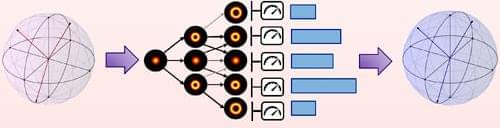
Quantum computers work by applying quantum operations, such as quantum gates, to delicate quantum states. Ideally, quantum computers can solve complex equations at staggeringly fast speeds that vastly outpace regular computers. In real hardware, the operations of quantum computers often deviate from the ideal behavior because of device imperfections and unwanted noise from the environment. To build reliable quantum machines, researchers need a way to accurately determine what a quantum device is actually doing.

Quantum process tomography (QPT) is a standard method for this. However, traditional QPT becomes very costly as the system grows, because the number of required measurements and calculations increases rapidly with the number of qubits.

To address this challenge, a research team from Tohoku University, the Nara Institute of Science and Technology (NAIST), and the University of Information Technology (Vietnam National University, Ho Chi Minh City) has introduced a new framework called compilation-based quantum process tomography (CQPT). The work is published in Advanced Quantum Technologies.

/* */