Toggle light / dark theme

Induced Hypertension Shows Promise for Managing Early Neurological Deterioration in Stroke Care

In this BloggingStroke post, Romil Singh discusses Stroke article by Kim et al.


Kim H, Kim JT, Lee JS, Kim BJ, Kang J, Kim DY, Lee KJ, Kim CK, Park JM, Kang K, et al. Management Strategies for Early Neurological Deterioration in Noncardioembolic Ischemic Stroke. Stroke. 2025.

Early neurological deterioration (END) remains one of the most challenging and feared complications during the acute phase of ischemic stroke. Affecting up to 40% of patients, END often signals the expansion of infarction, worsening hypoperfusion, or thrombus propagation. Despite its prevalence and its strong association with long-term disability, we lack clear evidence-based guidance on treatment strategies for inducing hypertension to improve perfusion and escalating antithrombotic therapy in hopes of stabilizing the patient.

A new nationwide study from South Korea, published in Stroke, now offers some much-needed clarity. Kim et al. analyzed data for more than 3,000 patients with no cardioembolic ischemic stroke who developed END due to stroke progression. They compared the real-world effectiveness of three treatment approaches: conservative treatment, change in antithrombotic therapy, and iHTN, and looked at associations with early neurological improvement (NI) during hospitalization and functional outcomes at 3 months. Because END was confirmed with imaging and standardized assessments, the cohort offers a clear view of how clinicians manage stroke progression in the absence of hemorrhage or metabolic causes.
Spatial profiling of patient-matched HER2 positive gastric cancer reveals resistance mechanisms to targeted therapy

Sheng et al. present “” via https://bit.ly/4spB5XM (Original research, GI cancer section).

Why do targeted therapies stop working? Using spatial transcriptomics, this study reveals how tumour heterogeneity, immune escape and metabolic shifts drive resistance in HER2-positive gastric cancer. A must-read for anyone interested in precision oncology and treatment optimisation.


Background Human epidermal growth factor receptor 2 (HER2; ERBB2) is overexpressed or amplified in 15–20% of gastric cancers (HER2+ GC). Within individual HER2+ GCs, HER2/ ERBB2 expression is often variable. Although HER2 therapeutic targeting improves outcomes for HER2+ GC patients, acquired resistance is frequent.

Objective To spatially interrogate HER2+ GC interpatient and intrapatient heterogeneity and resistance mechanisms associated with HER2-targeting agents (trastuzumab, trastuzumab deruxtecan (T-DXd)).

Design Spatial transcriptomic analysis (GeoMx Digital Spatial Profiler) was applied to 1,500 regions of interest in 30 GCs—these contained 15 HER2+ GCs treated with trastuzumab and T-DXd subsequently. Analysis of patient-matched samples with acquired trastuzumab or T-DXd resistance revealed escape mechanisms.

Liquids can fracture like solids—researchers discover the breaking point

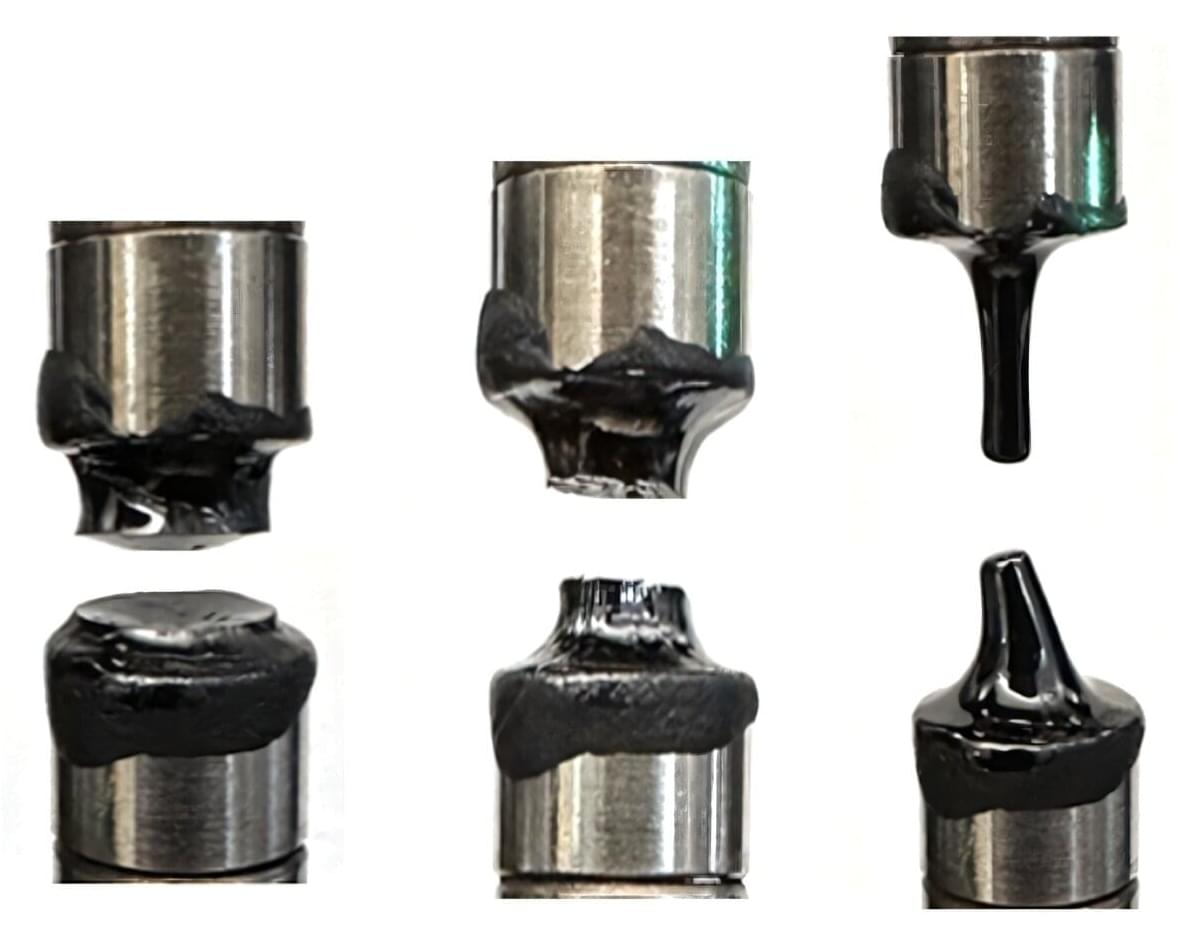
In a development that could shift our basic understanding of fluid mechanics, researchers from Drexel University have reported that, given the right circumstances, it is possible to induce a simple liquid to fracture like a solid object. Recently published in the journal Physical Review Letters, the research shows how viscous liquids can suddenly break if stretched with enough force.

The fracturing behavior suggests that viscosity—a liquid’s resistance to flowing—may play a more prominent role in its mechanical properties than previously understood. It also raises new possibilities for how liquids might be manipulated in everything from hydraulics to 3D printers to blood vessels.

“Our findings show that if pulled apart with enough force per area, a simple liquid—a liquid that flows—will reach what we call a point of ‘critical stress,” when it will actually fracture like a solid. And this is likely true for all simple liquids, including common examples, such as water and oil,” said Thamires Lima, Ph.D., an assistant research professor in Drexel’s College of Engineering, who helped to lead the research. “This fundamentally changes our understanding of fluid dynamics.”

Light switch for life: Controlling molecular droplets with UV

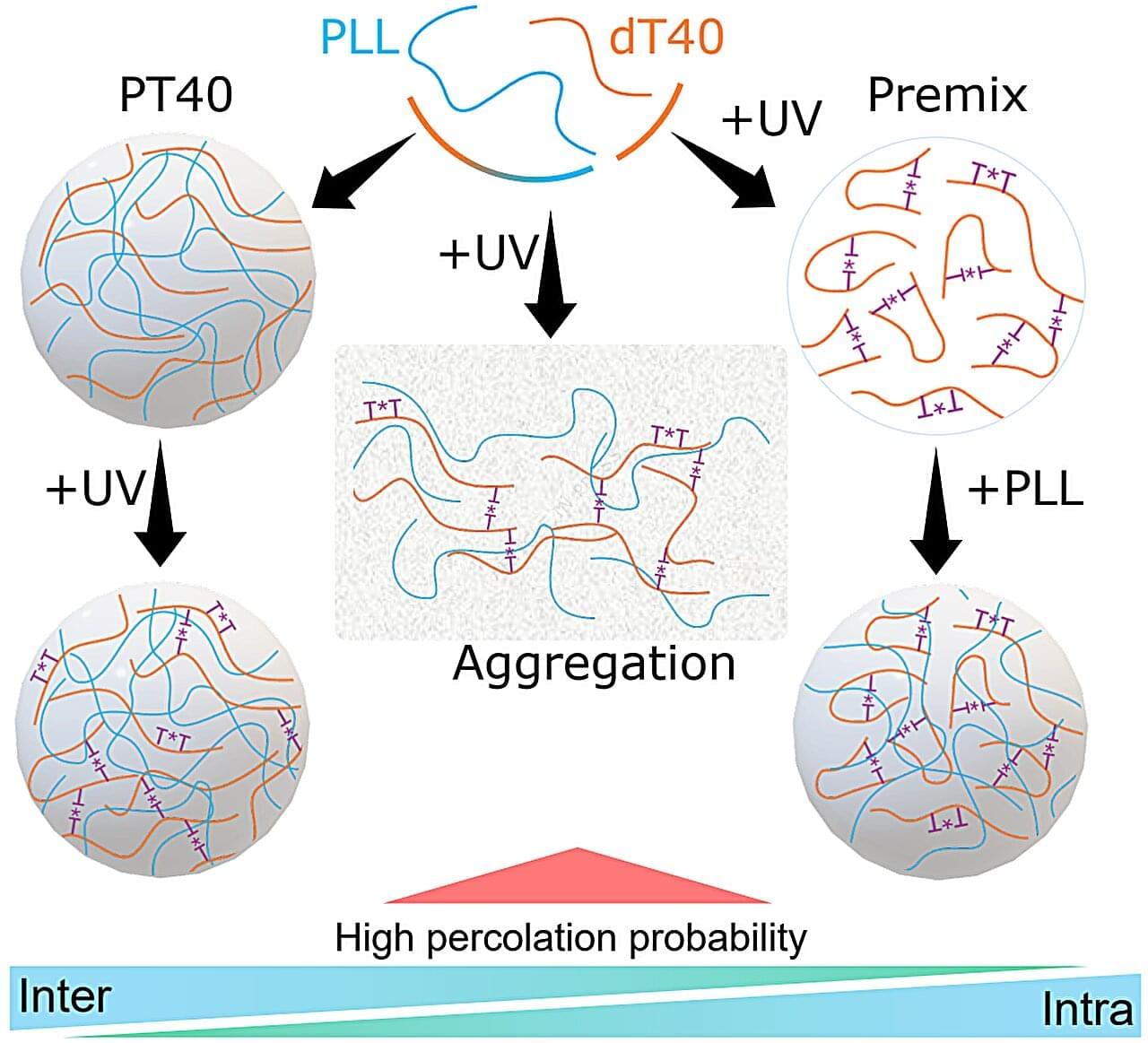
Biomolecular condensates are tiny, droplet-like structures made up of molecules that help organize key processes in living organisms. Because they are so small and constantly changing, it has been difficult for scientists to measure their physical properties or control how they behave. Leiden researchers at the Mashaghi Lab have now discovered a surprising new way to shape and control tiny droplets of molecules found in living organisms. The breakthrough could lead to smarter biomaterials, improve drug delivery and even new insights into the emergence of life on Earth. The work is published in Nature Communications.

“Our lab works at the interface of biophysics, molecular engineering and medicine,” says Alireza Mashaghi. “We explore how molecular interactions drive the emergent properties of biological materials.”

Inside the condensates, Mashaghi and his team triggered a reaction normally associated with DNA damage from UV light (like that seen in skin cancer). Known as thymine dimer formation, this process causes two neighboring thymine bases to bond together. By harnessing this reaction as a molecular “switch” within the condensates, the researchers were able to alter the internal connectivity of the molecules, allowing them to control how the condensates behave.

Quantum researchers engineer extremely precise phonon lasers

When lasers were invented in the 1960s, they opened new avenues for scientific discovery and everyday applications, from scanners at the grocery store to corrective eye surgery. Conventional lasers control photons—individual particles of light—but over the past 20 years, scientists have invented lasers that control other fundamental particles, including phonons—individual particles of vibration or sound. Controlling phonons could open even more possibilities with lasers, such as taking advantage of unique quantum properties like entanglement.

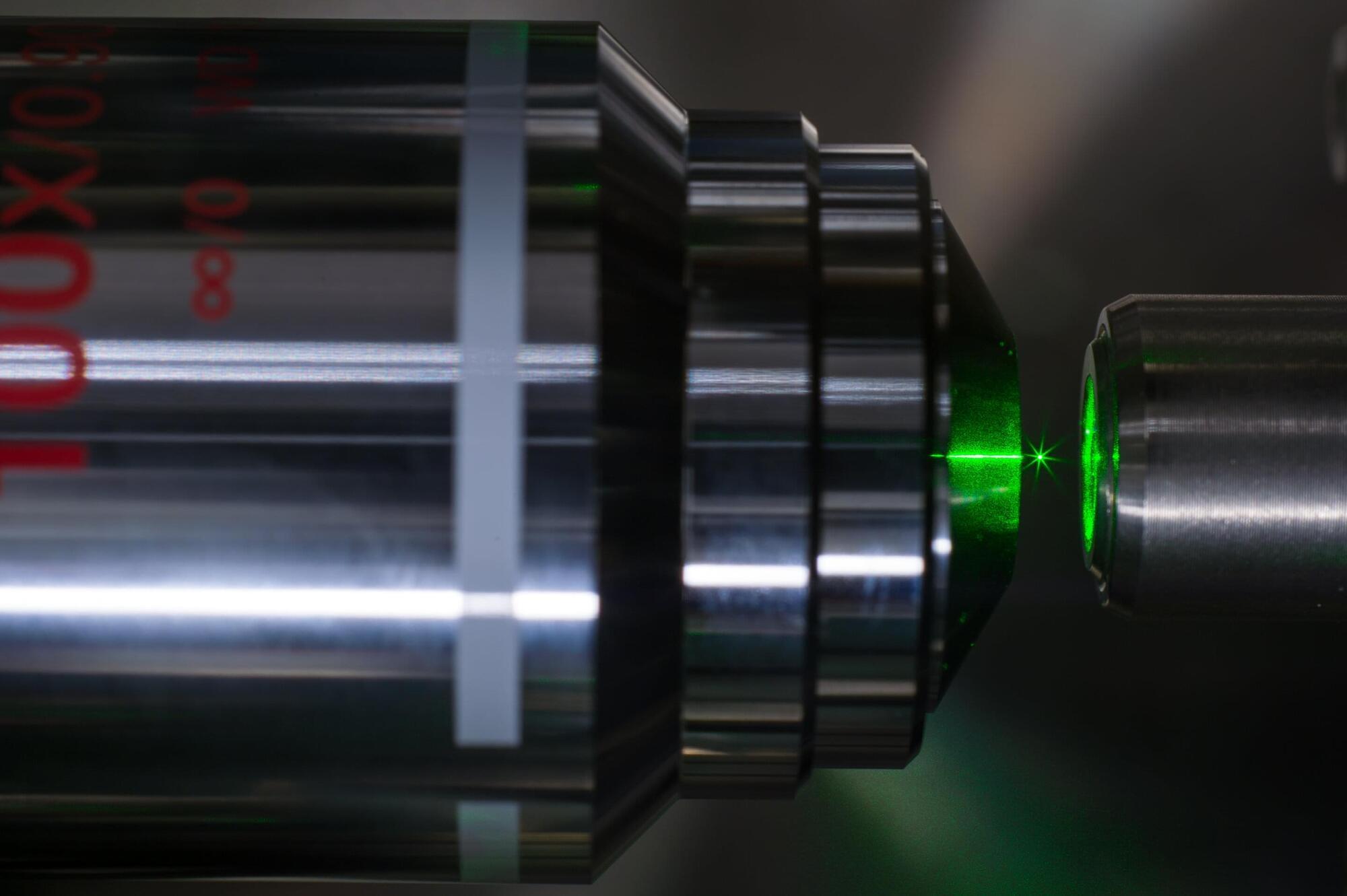
A new squeezed phonon laser developed by researchers at the University of Rochester and Rochester Institute of Technology provides precise control over phonons at the nanoscale level. This could give new insights into the nature of gravity, particle acceleration, and quantum physics.

In a paper in Nature Communications, the researchers describe how they coax these individual particles of mechanical motion to behave like a laser.

High-Level Alzheimer Disease Neuropathological Change Following Iatrogenic Exposure

Patients treated with cadaveric pituitary-derived human growth hormone contaminated with amyloid-β developed early-onset AlzheimerDisease with prominent language deficits and histopathological features consistent with AD.


Question What are the clinical and postmortem findings in iatrogenic Alzheimer disease (iAD) consequent to treatment with cadaveric pituitary–derived human growth hormone (c-hGH)?

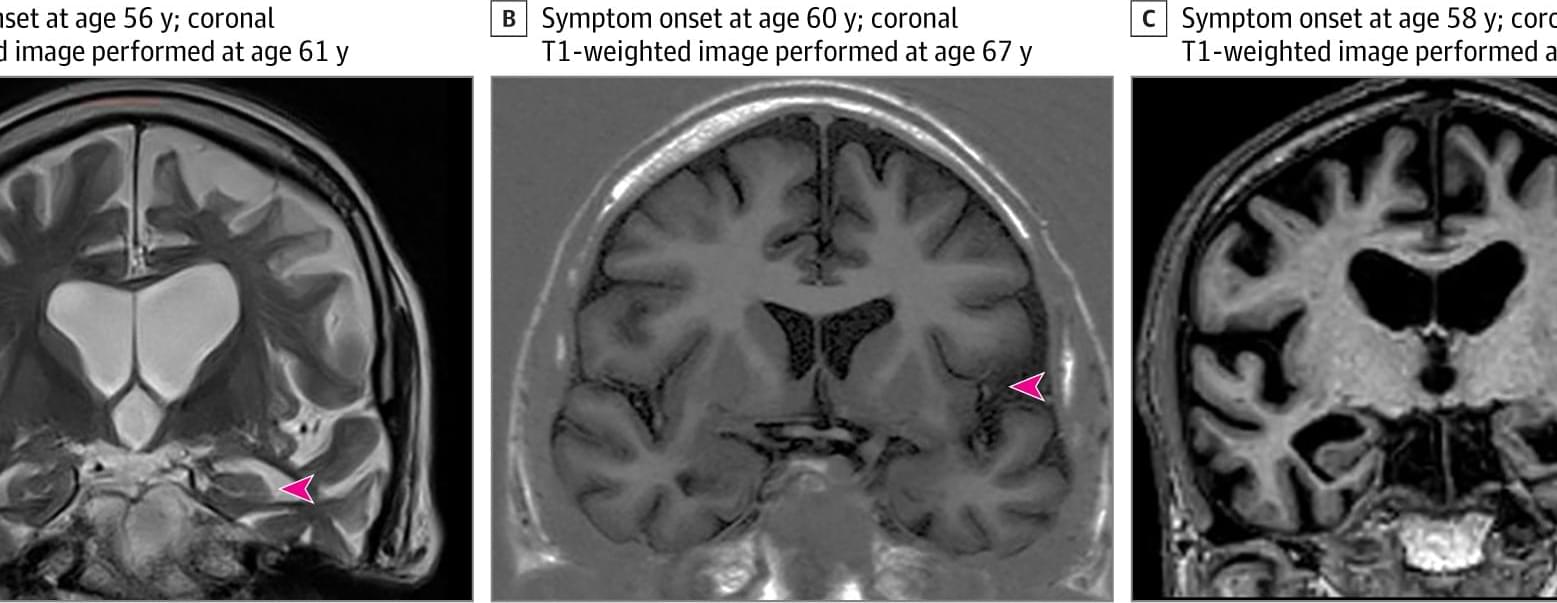
Findings This case series describes a c-hGH recipient with early-onset dementia and prominent language involvement, in whom postmortem examination showed unequivocal neuropathological features of AD, including severe tauopathy. Three additional c-hGH recipients have similar cognitive syndromes characterized by prominent language involvement.

Meaning These results demonstrate that patients with iAD can have histopathological findings classically found in sporadic AD and that prominent language involvement might be an important phenotypic feature in this AD subtype.

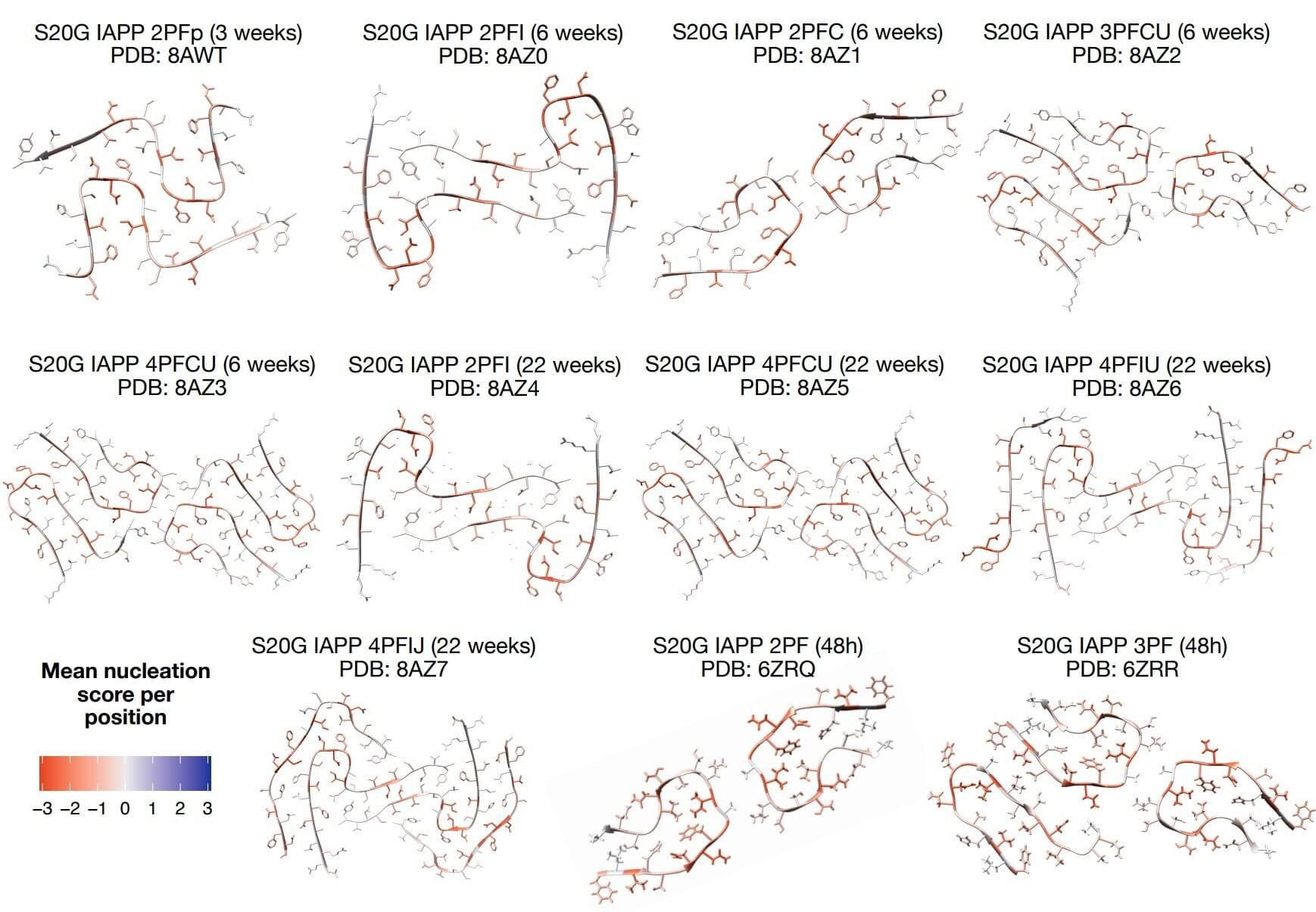
Mutation map reveals how amylin mutations influence type 2 diabetes

Researchers at the Institute for Bioengineering of Catalonia (IBEC) have produced a mutational map showing how mutations in amylin—a hormone that plays a key role in glucose regulation—affect its tendency to form toxic amyloid aggregates in the pancreas. This process is linked to the development of type 2 diabetes. While it was already known that certain mutations could alter this aggregation capacity, understanding of this process was fragmented and based on isolated studies. The research is published in the journal Nature Communications.

“For the first time, we can systematically map how thousands of mutations modulate amylin aggregation, bringing human genetics closer to molecular mechanisms,” says Benedetta Bolognesi, the principal investigator of the Protein Phase Transitions in Health and Disease group at IBEC, who is also the lead author of the study.

“We have created a map that allows us to anticipate the potential impact of these mutations in the population,” adds Marta Badia, a researcher in the same group and first author of the study. “We are not assessing toxicity, but rather the protein’s intrinsic propensity to form fibers. This is a first step, but an extremely necessary one.”

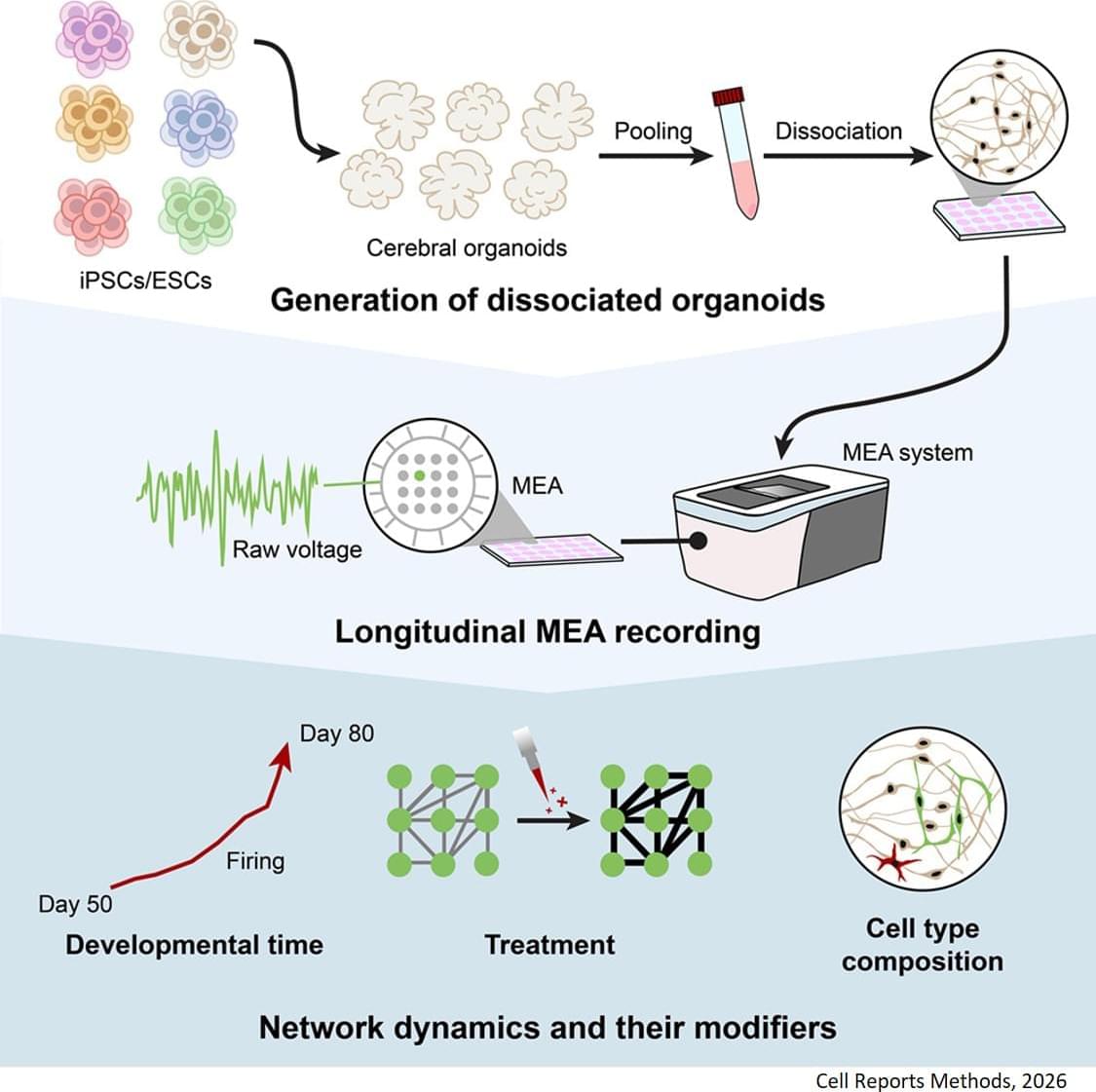
A long-term and scalable system to record from neural organoids

Driving liver inflammation in MASH via multiple pathways.

Metabolic dysfunction-associated steatohepatitis (MASH) if not treated early, may lead to liver cirrhosis and hepatocellular carcinoma (liver cancer).

Hepatic lipotoxicity, intestinal dysbiosis, and pro-inflammatory diets have been attributed to the development of MASH. Moreover, obesity-induced adipose tissue inflammation also contributes to MASH.

The researchers in this review unravel complex, multiple parallel inflammatory mechanisms in MASH and describe how MASH drugs exert their effects. # sciencenewshighlights ScienceMission https://sciencemission.com/liver-inflammation-in-MASH


Intra-and extrahepatic inflammation in MASH is driven by various hits such as lipotoxicity, the gut microbiome, and proinflammatory diets. Inflammation contributes to hepatic and systemic complications, including cardiovascular diseases. Beneficial drugs in MASH might target metabolic and inflammatory pathways.

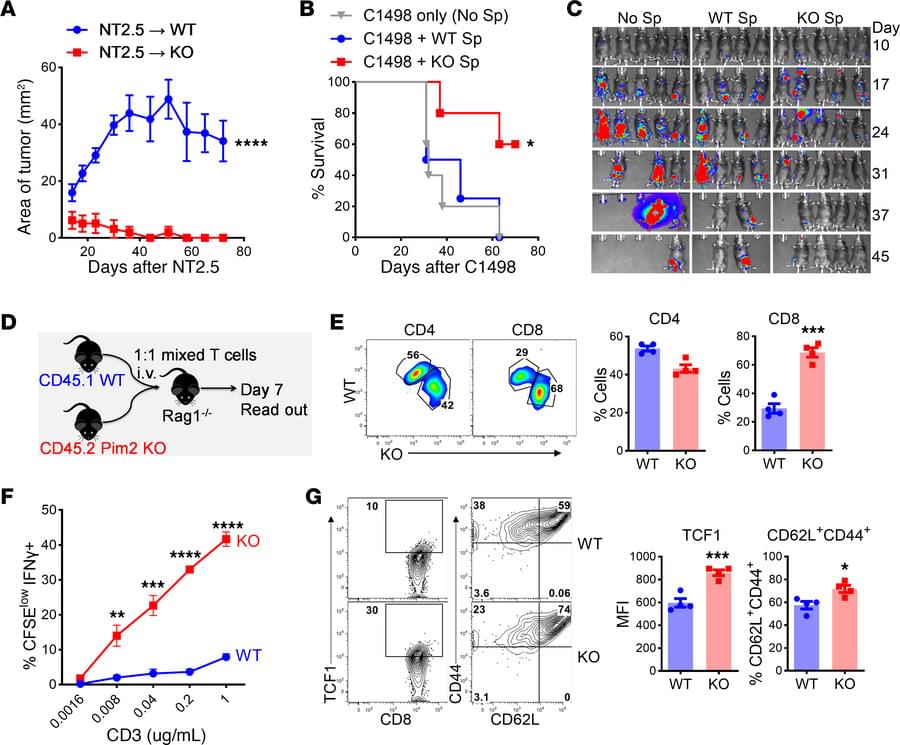
Abstract: The PIM kinase family is involved in tumorigenesis, yet its role in primary T cells remains largely uncharacterized

https://doi.org/10.1172/JCI192928 Here, Xue-Zhong Yu & team identify Pim2 as a key negative regulator of CD8 T-cell antitumor immunity and validate it as a potential therapeutic target for enhancing cancer immunotherapy.

Electron microscopy images show visible autophagosomes in activated WT T cells, but not in Pim2-KO cells, supporting a model in which the PIM2 promotes T cell autophagy.


Address correspondence to: Xue-Zhong Yu or Yongxia Wu, Department of Microbiology and Immunology, Medical College of Wisconsin, 8,701 Watertown Plank Road, Milwaukee, Wisconsin, 53,226, USA. Phone: 414.955.8187; Email: [email protected] (XZY). Phone: 414.955.8148; Email: [email protected] (YW).

/* */