Toggle light / dark theme

Would everyone wearing face masks help us slow the pandemic?

Despite messages from some health officials to the contrary, it’s likely that a mask can help protect a healthy wearer from infection, says Benjamin Cowling, an epidemiologist at the University of Hong Kong. Both surgical masks and the more protective N95 respirators have been shown to prevent various respiratory infections in health care workers; there’s been some debate about which of the two is appropriate for different kinds of respiratory infection patient care. “It doesn’t make sense to imagine that … surgical masks are really important for health care workers but then not useful at all for the general public,” Cowling says.


Some argue that masking everyone would slow the spread of COVID-19—but the evidence is spotty.

Genentech Tests Tocilizumab (Used for Cytokine Release Syndrome in Myeloma CAR T Therapy) in Phase III Trial for Severe COVID-19

Genentech is working with the FDA to launch a Phase III study comparing tocilizumab (Actemra) vs. standard of care in hospitalized adult patients with severe COVID-19 pneumonia. The trial hopes to open in April 2020 and test 330 patients. The trial endpoints include clinical status, mortality, mechanical ventilation and ICU variables.

Tocilizumab is the first humanized interleukin-6 (IL-6) drug originally approved for rheumatoid arthritis and is now being tested in COVID-19 patients to reduce lung inflammation. The IV version is also approved for patients who have CAR T cell induced cytokine release syndrome (which includes many multiple myeloma patients.). High IL-6 levels can cause damaging inflammation and tocilizumab blocks the effects of IL-6.

According to Randy Cron, MD, PhD, an expert in cytokine release syndrome, some of the severely ill coronavirus patients have lab features of CRS, also sometimes called cytokine storm syndrome (CSS).

Shielding the Fetus From the Coronavirus

Newborns and babies have so far seemed to be largely unaffected by the coronavirus, but three new studies suggest that the virus may reach the fetus in utero.

Even in these studies, the newborns seemed only mildly affected, if at all — which is reassuring, experts said. And the studies are small and inconclusive on whether the virus does truly breach the placenta.

“I don’t look at this and think coronaviruses must cross across the placenta,” said Dr. Carolyn Coyne of the University of Pittsburgh, who studies the placenta as a barrier to viruses. She was not involved in the new work.

Scientists Have ‘Reset’ The Cellular Age Of Cells Taken From A 114-Year-Old Woman

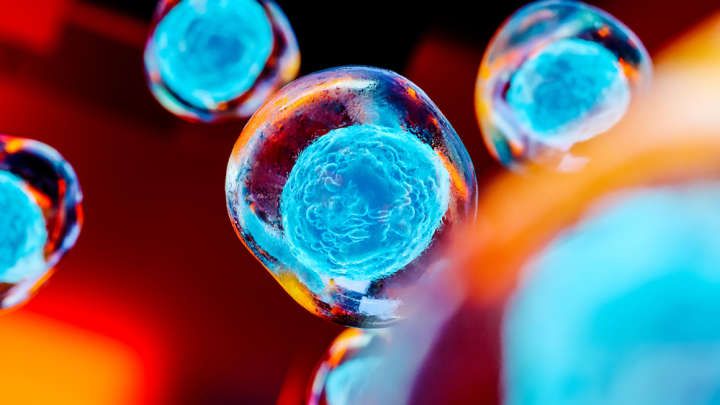
For the first time, scientists have reprogrammed cells from a 114-year-old woman into induced pluripotent stem cells (iPS cells), a move which they describe as a significant step toward understanding “the underlying mechanisms of extreme longevity and disease resistance.”

iPS cells are adult cells that have been genetically reprogrammed into an embryonic stem cell-like state and are able to give rise to any of the specialized cell types of the body, whether it’s neurons, blood cells, or heart cells.

Until this new project, researchers weren’t even certain whether they could create viable iPS cells from someone so elderly, let alone a supercentenarian. Now they have shown it’s possible to effectively make these aged cells resemble young pluripotent cells, the researchers believe they might have made a step towards the reversal of cellular aging.

Indian scientists imaged novel Coronavirus under a high-powered microscope

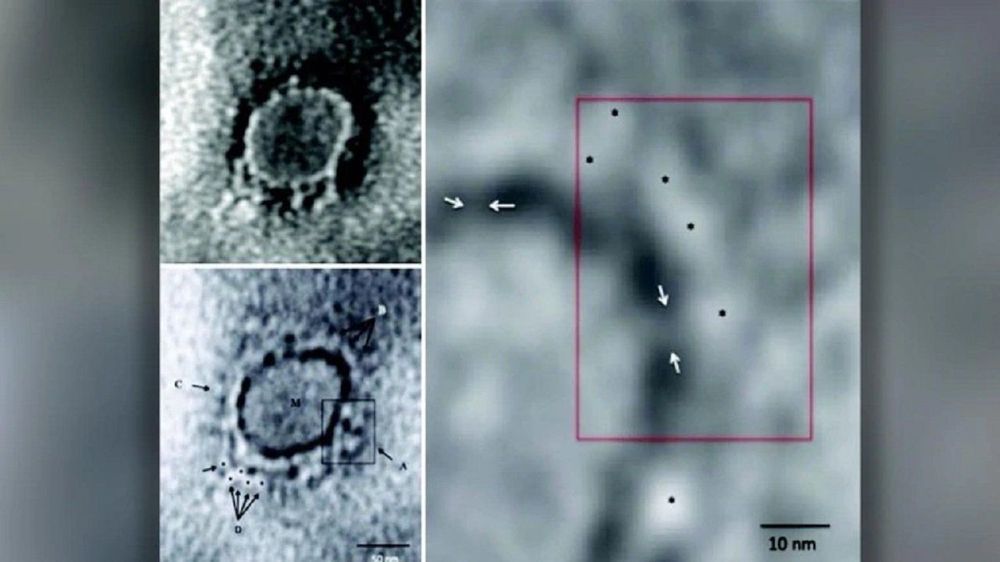
Using transmission electron microscopy (TEM), scientists from the Indian Council of Medical Research (ICMR), managed to image the novel Coronavirus. The image was taken from the throat swab sample of the first laboratory-confirmed novel Coronavirus patient in India.

Scientists tested a total of seven negative-stained virus particles having features of Coronavirus-like particles from the sample.

The novel Coronavirus, which originated in China late last year, has caused a pandemic across the world.

Pot smokers can maybe breathe a little easier

Moderate consumption of marijuana doesn’t adversely affect lung function, according to a study.

A study published in 2012 in The Journal of the American Medical Association (JAMA) had some good news for people who smoke marijuana: smoking at a rate of one joint a day for as long as seven years doesn’t seem to affect lung function adversely.

U.S. Approves Abbott Labs Five-Minute ‘Rapid’ Coronavirus Test

Abbott Laboratories won U.S. Food and Drug Administration approval for its molecular test for the Coronavirus strain COVID-19, which the company says can deliver “positive results in as little as five minutes and negative results in 13 minutes.”

The FDA’s “emergency use authorization” awarded to Abbott’s ID NOW COVID-19 test is the latest in a growing number of agency approvals for more rapid molecular “point-of-care” diagnostic tests that can be used in temporary screening locations, doctor’s office labs and nursing homes to detect the Coronavirus strain COVID-19 within a half hour.

“With rapid testing on ID NOW, healthcare providers can perform molecular point-of-care testing outside the traditional four walls of a hospital in outbreak hotspots,” Abbott president and chief operating officer Robert Ford said.

/* */