One of the least examined—but most consequential—dimensions of intelligence is not merely what a mind can represent, but the temporal resolution at which cognition unfolds. Intelligence is inseparable from subjective time: the rate at which experiences, d
Category: futurism – Page 12
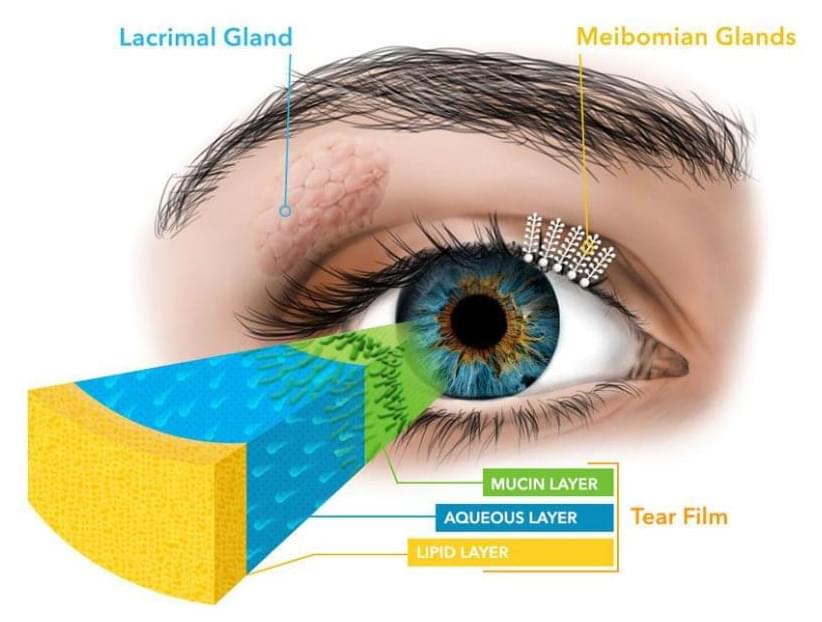
Suffering from Dry Eyes? You may have Meibomian Gland Dysfunction
Your tear film protects your eyes. It is composed of 3 main layers: Meibomian gland dysfunction (MGD) is a common eye condition that often goes unnoticed until it causes discomfort and irritation. When these glands don’t function properly, it leads to MGD. Causes of Meibomian Gland Dysfunction MGD can be caused by a combination of
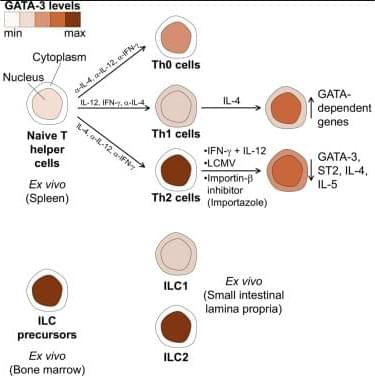
GATA-3 localization shapes lymphocyte function
Saikali et al. describe differential compartmentalization of GATA-3 in Th cell and ILC subsets. Changing it modifies functional characteristics of the cells. Importin-β mediates GATA-3’s nuclear import. The short half-life of nuclear GATA-3 necessitates continuous GATA-3 import to maintain Th2 cell function. GATA-3’s nuclear import is a critical rheostat of lymphocytes.
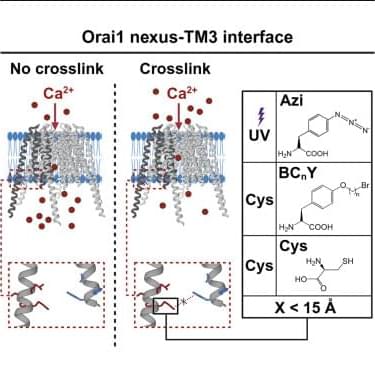
Distances and charges along the Orai1 nexus-TM3 interface control STIM1 binding and pore opening
Calcium influx through CRAC channels requires STIM1 binding to Orai1. Using crosslinking and mutagenesis, Söllner et al. show that widening the nexus-TM3 interface near the STIM1 coupling site is crucial for channel opening, while hydrophobicity and charges support signal transmission to the pore. Nexus-TM3 dynamics are vital for Orai1 function.
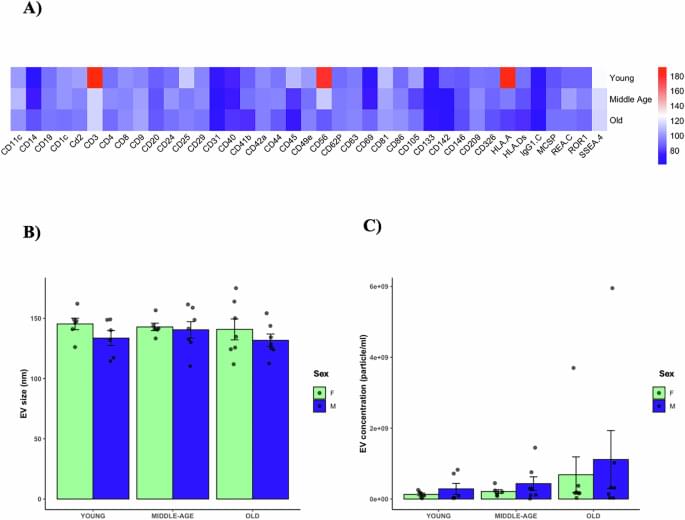
MicroRNA profiles in plasma-derived extracellular vesicles across the human lifespan
Ráez-Meseguer, C., Navas-Enamorado, C., Capó, X. et al. MicroRNA profiles in plasma-derived extracellular vesicles across the human lifespan. npj Aging 12, 30 (2026). https://doi.org/10.1038/s41514-025-00321-1

Can recycled lab gloves capture carbon dioxide?
Aarhus University chemist Troels Skrydstrup and his team recently debuted their efforts to turn nitrile rubber, of the kind used in laboratory and medical gloves, into polyamine membranes that sequester carbon dioxide.
Chemists upcycle nitrile rubber into carbon-sequestering polyamines by Brianna Barbu.
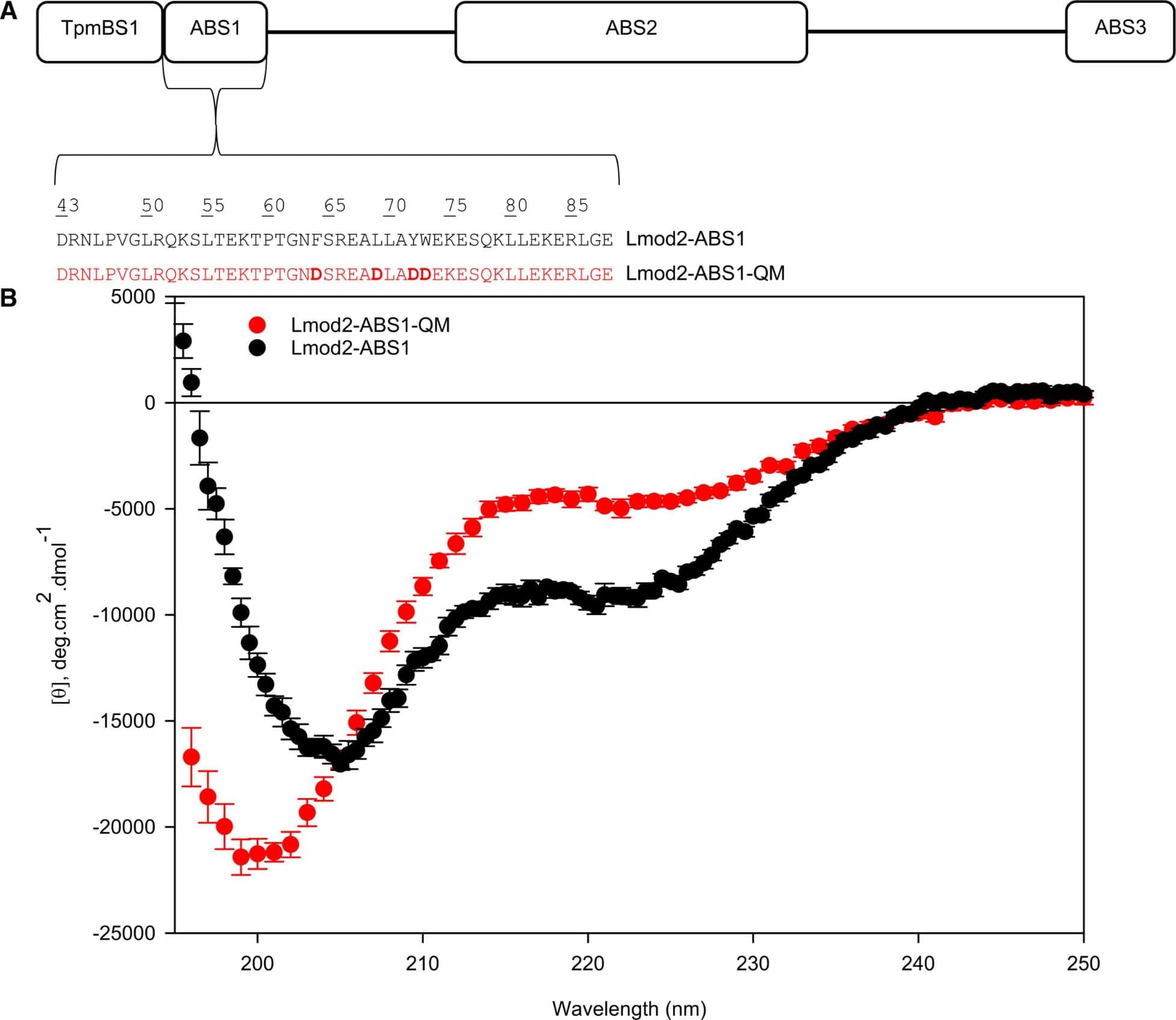
N-Terminal Actin-Binding Site of Lmod2 Promotes Controlled Pointed End Elongation
Larrinaga & colleagues discovered how a heart muscle protein fine-tunes muscle contraction by acting like a “leaky cap” & controlling how important muscle fiber components (actin filaments) grow. Learn how disrupting this control causes actin filaments to grow unusually long, perturbing the beating of the heart at.
BACKGROUND: Lmods (leiomodins) are critical for the assembly and maintenance of thin filaments in striated muscles by allowing thin filament elongation at the pointed ends. Lmod2’s elongation function has been linked to both actin-binding sites (ABSs) 2 and 3, while the existence and function of an N-terminal ABS1 has been debated. METHODS: To elucidate the little-known role of Lmod2’s ABS1, we created a mutant (F64D/L69D/W72D/W73D: Lmod2-quadruple mutant) predicted to decrease the binding of ABS1 to actin. We analyzed the effect of the mutations using several in vitro, cellular, and in vivo assays. RESULTS: By disrupting the interaction of Lmod2 ABS1 with actin in isolated cardiomyocytes and in mice, we engineered a super Lmod2 that results in remarkably longer thin filaments.
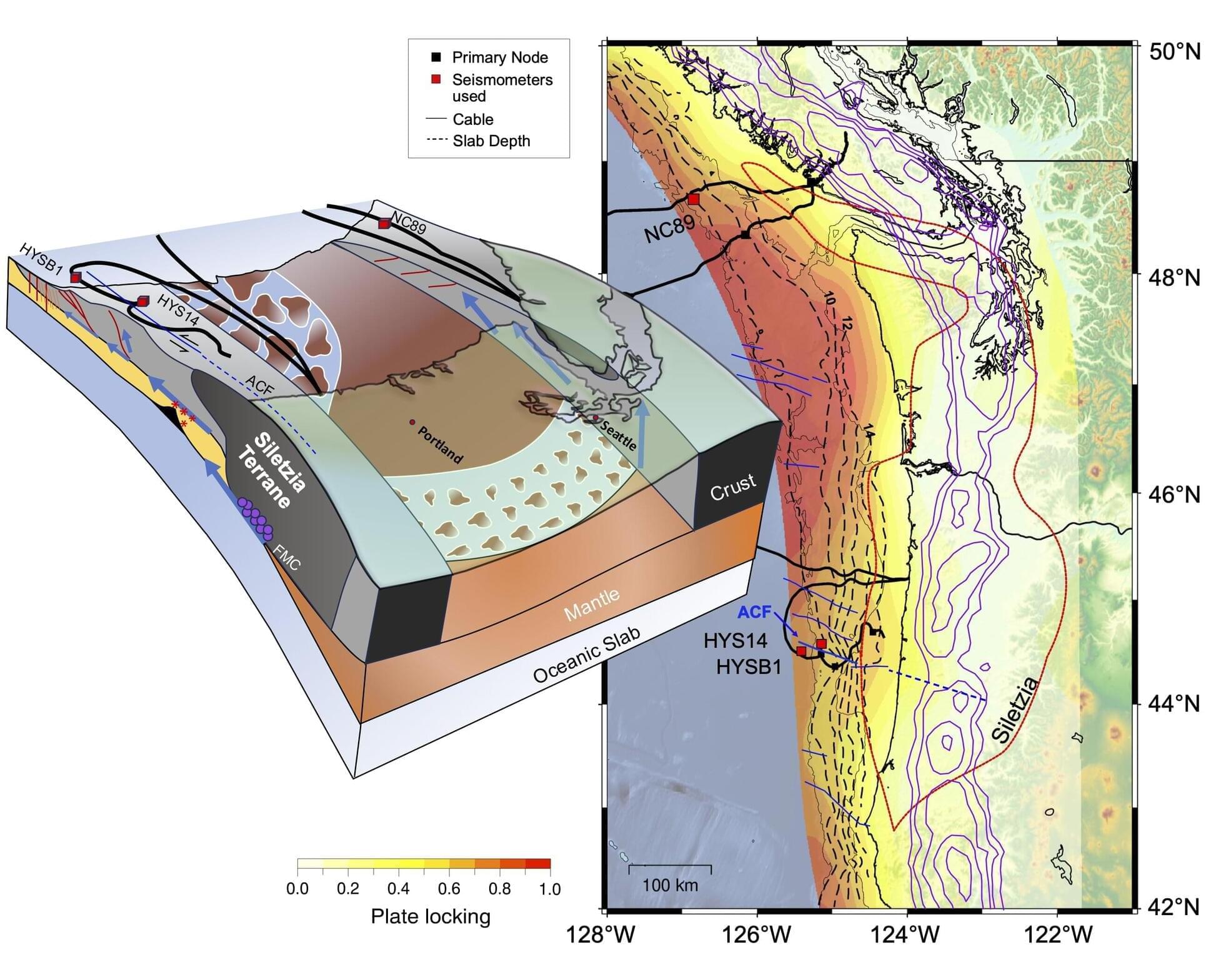
Stress-testing the Cascadia Subduction Zone reveals variability that could impact how earthquakes spread
The Cascadia Subduction Zone is unusually quiet for a megathrust fault. Spanning more than 600 miles from Canada to California, the fault marks the convergence of the Juan de Fuca and North American plates. While other subduction zones produce sporadic rumblings as the plates scrape past each other, Cascadia shows very little seismic activity, fueling assumptions that the plates are locked together by friction.
The subduction zone—miles offshore and deep underwater—is difficult to observe. Most data collection is based onshore, which limits the breadth and quality of results. The lack of earthquakes further complicates efforts to understand its behavior and structure.
In a new study, the first to monitor strain offshore over an extended period of time, University of Washington researchers report that the plates may not be fully locked.