Toggle light / dark theme

Immune-microbiome coordination defines interferon setpoints in healthy humans

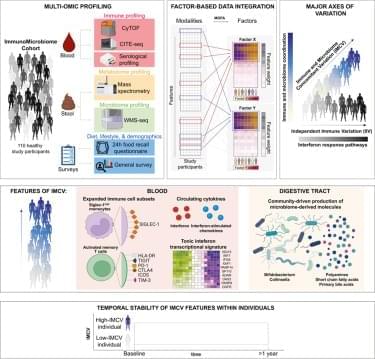
Now online! A comprehensive multi-omic analysis of healthy humans reveals two major axes of immunological variation characterized by interferon responses, one of which is coordinated with the microbiome and its metabolites and is stable over time within individuals.

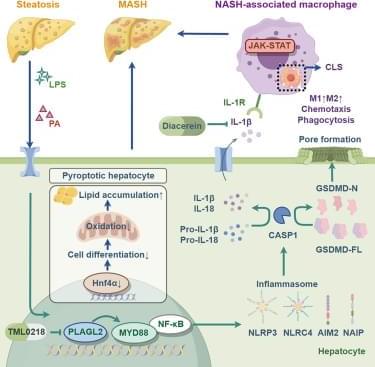
Hepatocyte PLAGL2 deficiency alleviates MASH through MYD88-licensed inactivation of inflammasome

Duan et al. systematically delineate the spatiotemporal dynamics and key regulators of pyroptosis during MASLD progression. Hepatocyte-specific Plagl2 deletion alleviates MASH by suppressing MYD88-mediated inflammasome activation and restoring metabolic homeostasis. Pyroptosis-driven IL-1β release promotes macrophage differentiation into a phagocytosis-enhanced, JAK/STAT-activated, NASH-associated phenotype.

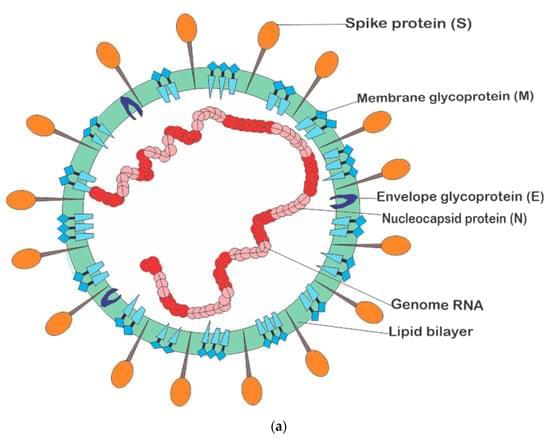
An Overview of the Pathogenesis, Transmission, Diagnosis, and Management of Endemic Human Coronaviruses: A Reflection on the Past and Present Episodes and Possible Future Outbreaks

Antibody titers elicited by the current inactivated influenza vaccine were modest against #Influenza A(H3N2) subclade K compared to responses against prior H1N1 and H3N2 strains.

Lower baseline and postvaccination titers to subclade K suggest partial immune evasion, raising implications for continued transmission and the selection of upcoming influenza vaccine strains.


This cohort study examines antibody responses to influenza A(H3N2) subclade K and other strains before and after vaccination against influenza.

Present state and future of screening for atrial fibrillation: a state-of-the-art review

AFib AF


Atrial fibrillation (AF) is the most common arrhythmia and is a leading cause of stroke and heart failure yet often remains undiagnosed. Screening has been proposed to identify asymptomatic AF and initiate preventive treatment, but evidence for reduction in hard clinical endpoints such as stroke and heart failure remains inconclusive. In this state-of-the-art review, we critically examine major AF screening trials across opportunistic, systematic and consumer-driven strategies, focusing on design features, population selection, monitoring strategies and outcomes. Variability in trial design, particularly in randomisation timing, participation rates and intensity of monitoring, significantly affects both AF detection and clinical outcomes. Systematic screening shows promise, but many trials were underpowered for hard outcomes.
/* */