Toggle light / dark theme

Genetic defect that weakens esophageal lining identified!

But the molecular factors responsible for the onset of Barrett’s esophagus remain poorly understood.

The findings, published in Nature Communications, combined family studies, laboratory experiments and genetically engineered mouse models to identify and understand how genetic defects contribute to disease development.

The team sequenced and analyzed genetic material of 684 people from 302 families where multiple members developed Barrett’s esophagus or esophageal cancer. They discovered that a subset of affected family members carry inherited mutations in a gene called VSIG10L.

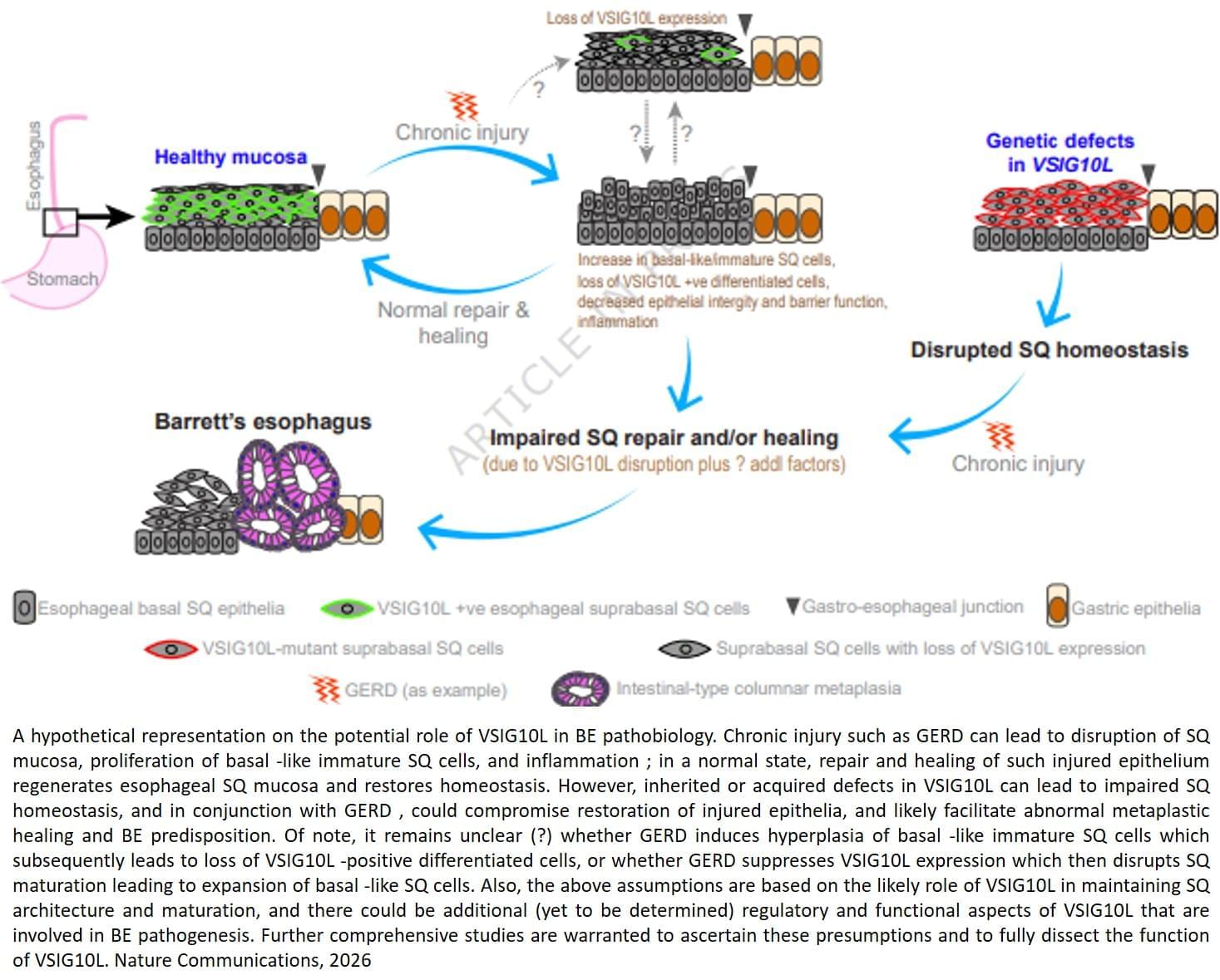
“We found that this gene acts like a quality control system for the esophageal lining,” said the lead researcher. “When it’s defective, the cells do not mature properly and the protective barrier in the esophageal lining becomes weak, allowing stomach bile acid to cause tissue changes that enhances the risk of developing Barrett’s esophagus.”

When researchers genetically engineered mice with human-equivalent VSIG10L mutations, they found that the esophageal lining became disrupted structurally and molecularly, according to the author. The study found that when the mice were exposed to bile acid, they developed Barrett’s-like disease over time, effectively replicating the disease’s progression in humans.

These genetically engineered mice also represent the first animal model for Barrett’s esophagus based directly on human genetic predisposition to the disease, the author said.

With VSIG10L shown to be a key gene in maintaining esophageal health, family members can now be screened for genetic variants to identify those at a high-risk of developing Barrett’s esophagus or esophageal cancer. ScienceMission sciencenewshighlights.
Post-Humans of All Tomorrows-3D Size Comparison

In All Tomorrows by C. M. Kosemen, also known as Nemo Ramjet, humanity’s distant descendants are reshaped across millions of years into wildly divergent “post-human” species after being genetically engineered by the godlike alien Qu. These forms range from tiny, almost vermin-like organisms and sessile, colony-bound beings to aquatic leviathans, aerial gliders, and towering, heavily built giants as each adapted to extreme planetary environments and radically different evolutionary pressures. Some retain echoes of recognizable humanity, while others are so transformed they blur the line between animal, ecosystem, and living architecture. In this size comparison, we’ll explore the full spectrum of these post-human forms, from the smallest engineered remnants to the most massive macro-organic descendants.

Credits:
https://all-tomorrows.fandom.com/wiki/Qu.
https://speculativeevolution.fandom.com/wiki/All_Tomorrows.

FAIR-USE COPYRIGHT DISCLAIMER Copyright Disclaimer under Section 107 of the Copyright Act 1976, allowance is made for “fair use” for purposes such as criticism, commenting, news reporting, teaching, scholarship, and research. Fair use is a use permitted by copyright statute that might otherwise be infringing. Non-profit, educational or personal use tips the balance in favour of fair use. Nutbug does not own the rights to these videos and pictures. They have, in accordance with fair use, been repurposed with the intent of educating and inspiring others. However, if any content owners would like their images removed, please contact us by email [email protected]

Is Ketogenesis Required For Metabolic Improvements On A Calorie-Restricted Diet?

Join us on Patreon! https://www.patreon.com/MichaelLustgartenPhD

Discount Links/Affiliates:
Blood testing (where I get the majority of my labs): https://www.ultalabtests.com/partners/michaellustgarten.

Blood testing with LifeExtension.com: https://www.anrdoezrs.net/click-101614996-15750394

At-Home Metabolomics: https://www.iollo.com?ref=michael-lustgarten.
Use Code: CONQUERAGING At Checkout.

Clearly Filtered Water Filter: https://get.aspr.app/SHoPY

Epigenetic, Telomere Testing: https://trudiagnostic.com/?irclickid=U-s3Ii2r7xyIU-LSYLyQdQ6…M0&irgwc=1

Tailored COX-2 Inhibition for Precision Adjuvant Therapy of Localized Metastatic Colon Cancer

💬 Editorial: Precision adjuvant therapy for stage III ColonCancer may be enhanced through molecular profiling for ctDNA status and PIK3CA mutation, informing use of celecoxib or aspirin alongside standard treatment.


CALGB/SWOG 80,702 Alliance was a placebo-controlled randomized clinical trial (RCT) of daily celecoxib (400 mg/d vs placebo) as an adjuvant therapy to fluorouracil, leucovorin, and oxaliplatin (FOLFOX) toward improving disease-free survival (DFS) of minimal residual localized (stage III) metastatic colon cancer.1 The rationale for the trial was a preponderance of evidence from RCTs and observational studies showing that selective cyclooxygenase 2 (COX-2 or prostaglandin-endoperoxide synthase 2 [PTGS2]) inhibitors, nonsteroidal anti-inflammatory drugs (NSAIDs) such as celecoxib and rofecoxib, reduce the incidence of premalignant colorectal polyps and colorectal cancer (CRC). Although the primary trial results did not show daily celecoxib to be statistically significantly associated with improvement in DFS or overall survival (OS),1 the results raised the possibility that yet-to-be-determined subgroups may experience a significant benefit. Indeed, Nowak et al2 reported in 2024 that a significant protective effect was observed among patients with tumors harboring mutations to exons 9 or 20 of the PIK3CA gene within the subset of the Alliance trial population with available whole-exome tumor sequencing data.

The possibility for molecular selection for NSAID adjuvant therapy of CRC, specifically on the basis of PIK3CA mutation was first raised in a prospective observational study by Liao and colleagues3 in 2012 for aspirin—a less selective COX-2 inhibitor. This finding for aspirin was later corroborated with post hoc observational follow-up of the VICTOR RCT of daily rofecoxib (20 mg vs placebo),4 which, like the Alliance trial, did not demonstrate a significant protective benefit for rofecoxib among unselected patients.5 Most recently, 2 RCTs of daily low-dose aspirin, ALASSCA6 and SAKK41/13,7 showed that aspirin, among patients enrolled using molecular selection for tumor PIK3CA mutation, led to a similar survival benefit of approximately 50% compared to placebo.

Sometimes less is more: Messier nanoparticles may actually deliver drugs more effectively than tightly packed ones

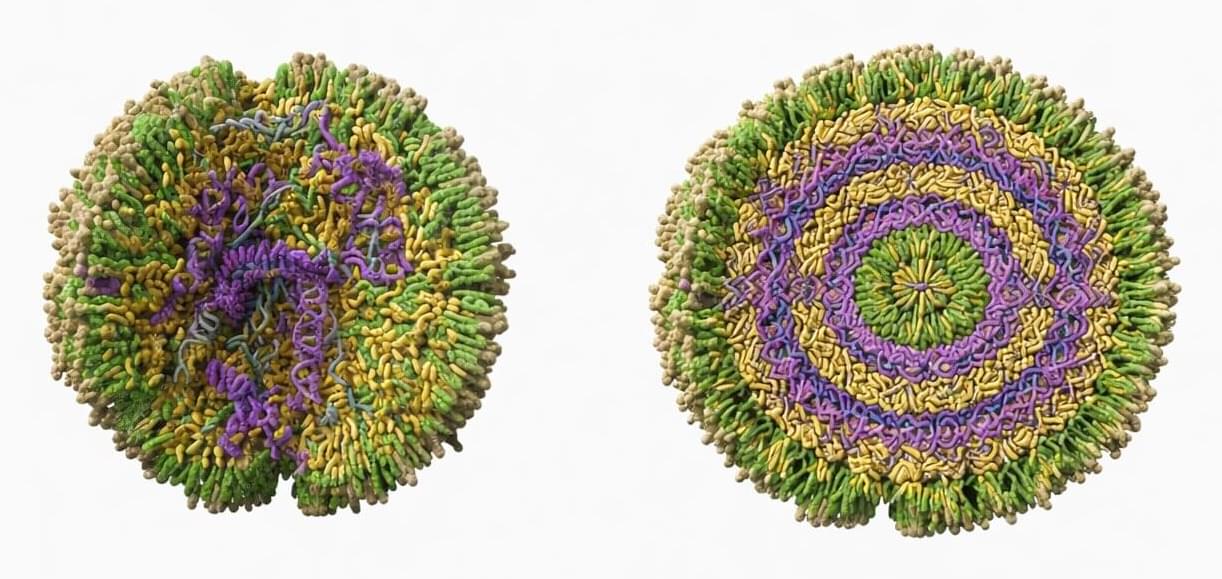
The tiny fatty capsules that deliver COVID-19 mRNA vaccines into billions of arms may work better when they’re a little disorganized. That’s the surprising finding from researchers who developed a new way to examine these drug-delivery vehicles one particle at a time—revealing that cramming in more medicine doesn’t always mean better results.

The research was presented at the 70th Biophysical Society Annual Meeting, held in San Francisco from February 21–25, 2026.

Lipid nanoparticles, or LNPs, are microscopic bubbles of fat that can ferry fragile RNA molecules into cells. They were crucial to the success of mRNA vaccines, and scientists are now working to use them to deliver treatments for cancer, genetic diseases, and other conditions. But there’s a problem: only about 1% to 5% of the cargo inside LNPs actually gets released inside cells.

Polyamine metabolism as a regulator of cellular and organismal aging

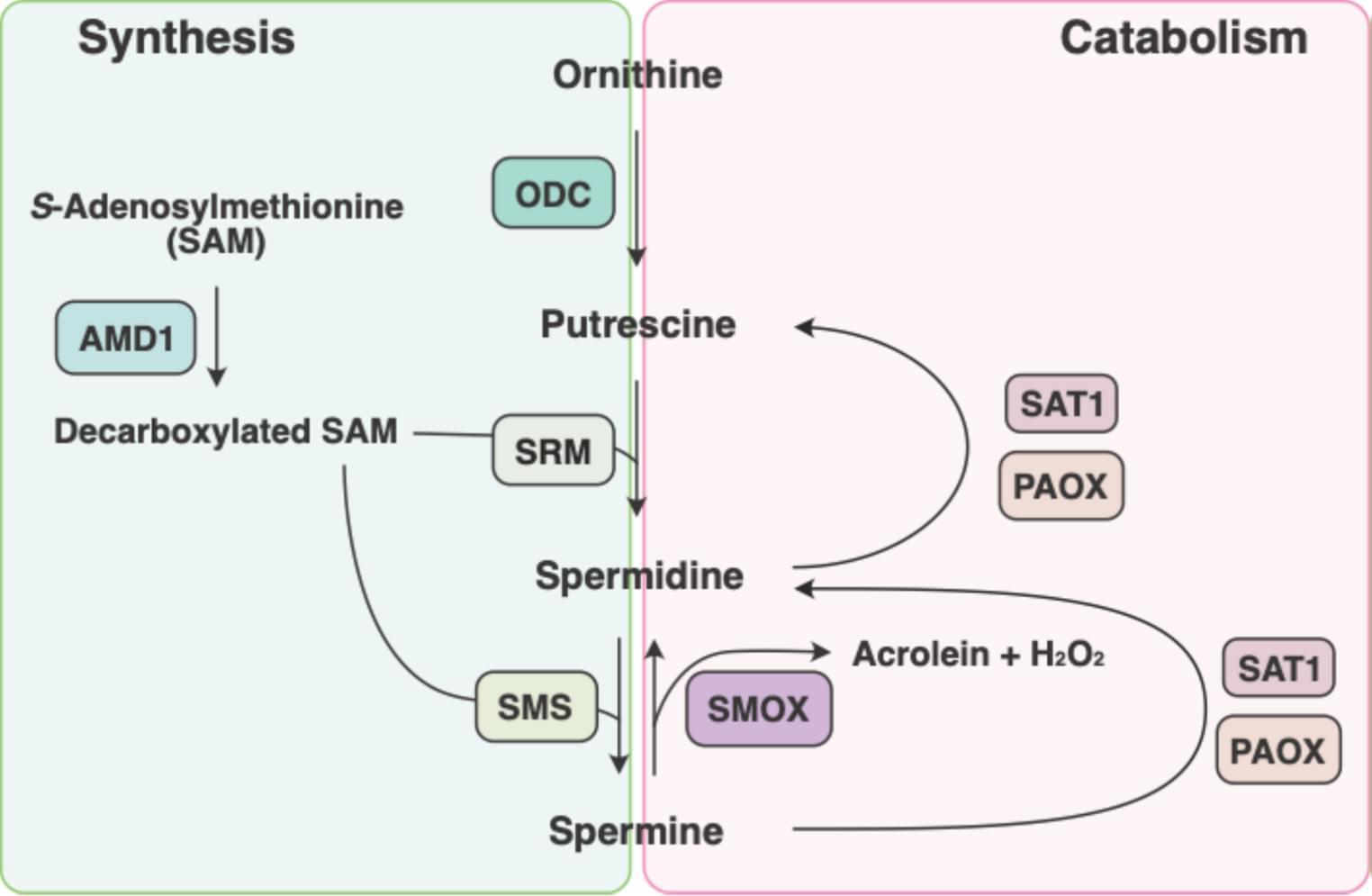
Polyamines — putrescine, spermidine, and spermine — are ubiquitous cationic molecules that are essential for cellular proliferation and homeostasis. Their intracellular concentrations decline with age, contributing to physiological and cognitive deterioration. Recent studies have revealed that spermidine supplementation extends lifespan and improves cognitive and cardiac function in various model organisms, suggesting that maintaining polyamine balance has anti-aging potential. Polyamine metabolism is tightly regulated through biosynthesis, degradation, and transport; however, age-associated upregulation of spermine oxidase (SMOX) and accumulation of its toxic byproduct acrolein promote oxidative damage and cellular senescence. Suppressing SMOX activity or polyamine degradation attenuates senescence markers and DNA damage, highlighting spermine catabolism as a therapeutic target. Polyamines also modulate epigenetic regulation, including DNA methylation and histone acetylation, thereby influencing gene expression and chromatin structure during aging. Moreover, polyamine-dependent hypusination of eIF5A sustains protein synthesis in senescent cells. These multifaceted actions indicate that polyamine metabolism integrates redox control, translational regulation, epigenetic maintenance and autophagy to determine cellular and organismal longevity. While animal studies demonstrate clear anti-aging effects of spermidine and spermine, human clinical evidence remains limited, with variable outcomes likely due to bioavailability and metabolic conversion. Future strategies combining dietary or probiotic polyamine enhancement, enzyme-targeted inhibitors, and personalized metabolic interventions hold promise for extending healthspan. Collectively, maintaining optimal polyamine homeostasis emerges as a key approach to counteract aging and age-related diseases.

Scientists find hundreds of genes that behave like light switches

If cancer’s genetic off switch is found then even Covid 19s off switch could essentially be found aswell.


Gene expression, where cells use the genetic information encoded in DNA to produce proteins, has been thought of as a dimmer light.

How much a particular gene gets expressed continually rises and falls, depending on the needs of a cell at any given time. It’s like adjusting the lighting of a room until it’s just right for your mood.

But University at Buffalo researchers have shown that a considerable portion of a human’s roughly 20,000 genes express more like your standard light switch — fully on or fully off.

A PI3Kδ-Foxo1-FasL signaling amplification loop rewires CD4+ T cell signaling and differentiation

Dominic P. Golec, Pamela L. Schwartzberg and colleagues (National Institute of Allergy and Infectious Diseases (NIAID)) describe a PI3 Kinase-Foxo1-FasL signaling circuit that promotes amplified signaling and rewires transcriptional and epigenetic programs driving IFN-γ and altered T helper cell differentiation in CD4+ T cells from mice expressing an activating mutant of phosphoinositide 3-kinase delta.

Immunodeficiency LymphocyteBiology


While inputs regulating CD4+ T helper (Th) cell differentiation are well defined, the integration of downstream signaling with transcriptional and epigenetic programs that define Th lineage identity remains incompletely resolved. PI3K signaling is a critical regulator of T cell function; activating mutations affecting PI3Kδ result in an immunodeficiency with multiple T cell defects. Using mice expressing activated PI3Kδ, we found aberrant expression of proinflammatory Th1 signature genes under Th2-inducing conditions, both in vivo and in vitro. This dysregulation was driven by a PI3Kδ-IL-2-Foxo1 signaling amplification loop, fueling Foxo1 inactivation, loss of Th2 lineage restriction, and extensive epigenetic reprogramming. Surprisingly, ablation of Fasl, a Foxo1-repressed gene, normalized both Th2 differentiation and TCR signaling. BioID and imaging revealed Fas interactions with TCR signaling components, which were supported by Fas-mediated potentiation of TCR signaling that could occur in the absence of FADD. Our results highlight Fas-FasL signaling as a critical intermediate in phenotypes driven by activated PI3Kδ, thereby linking two key pathways of immune dysregulation.

/* */