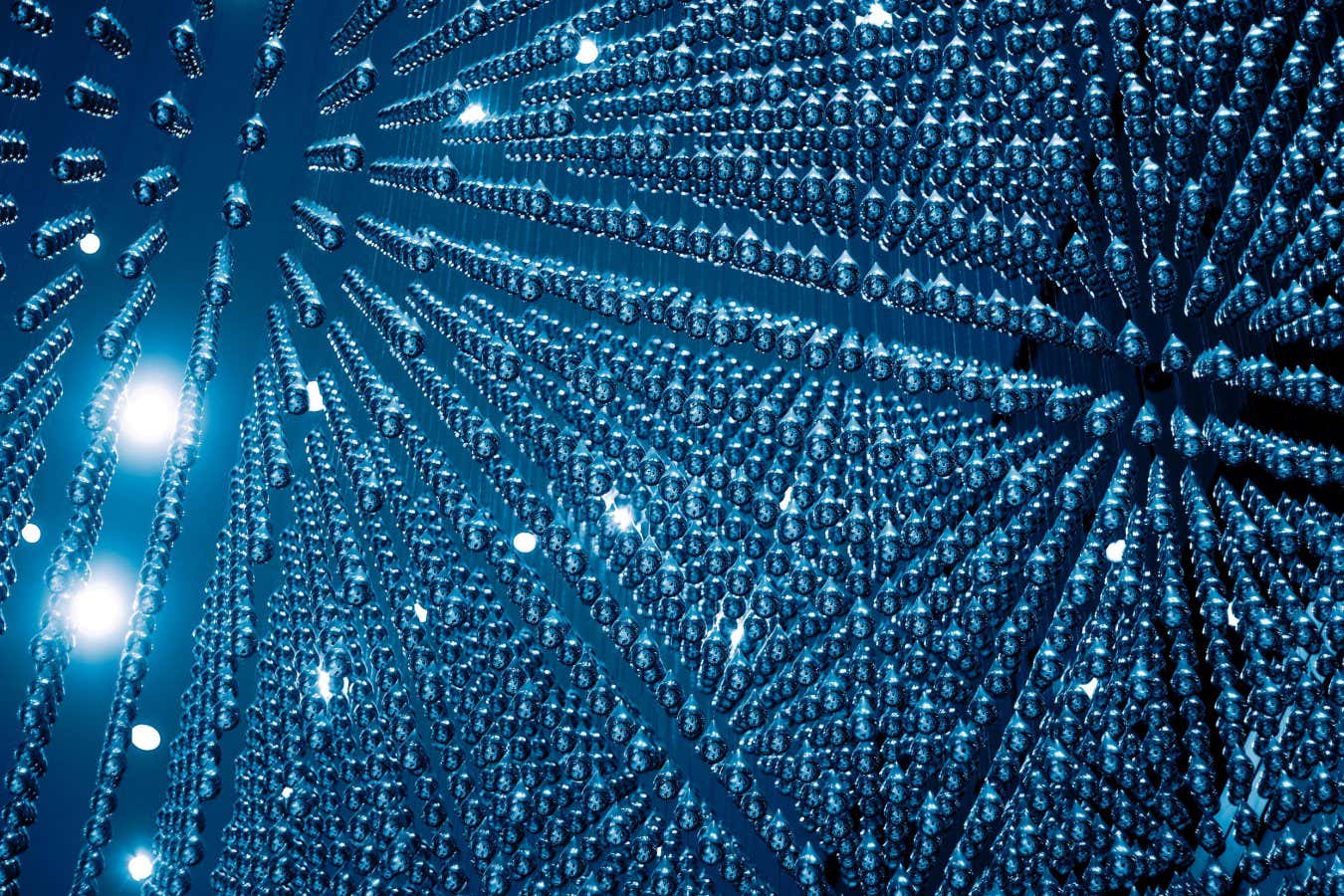
One type of friction can waste energy even when two perfectly smooth surfaces move against each other, but researchers are getting a handle on how to attenuate or stop it completely
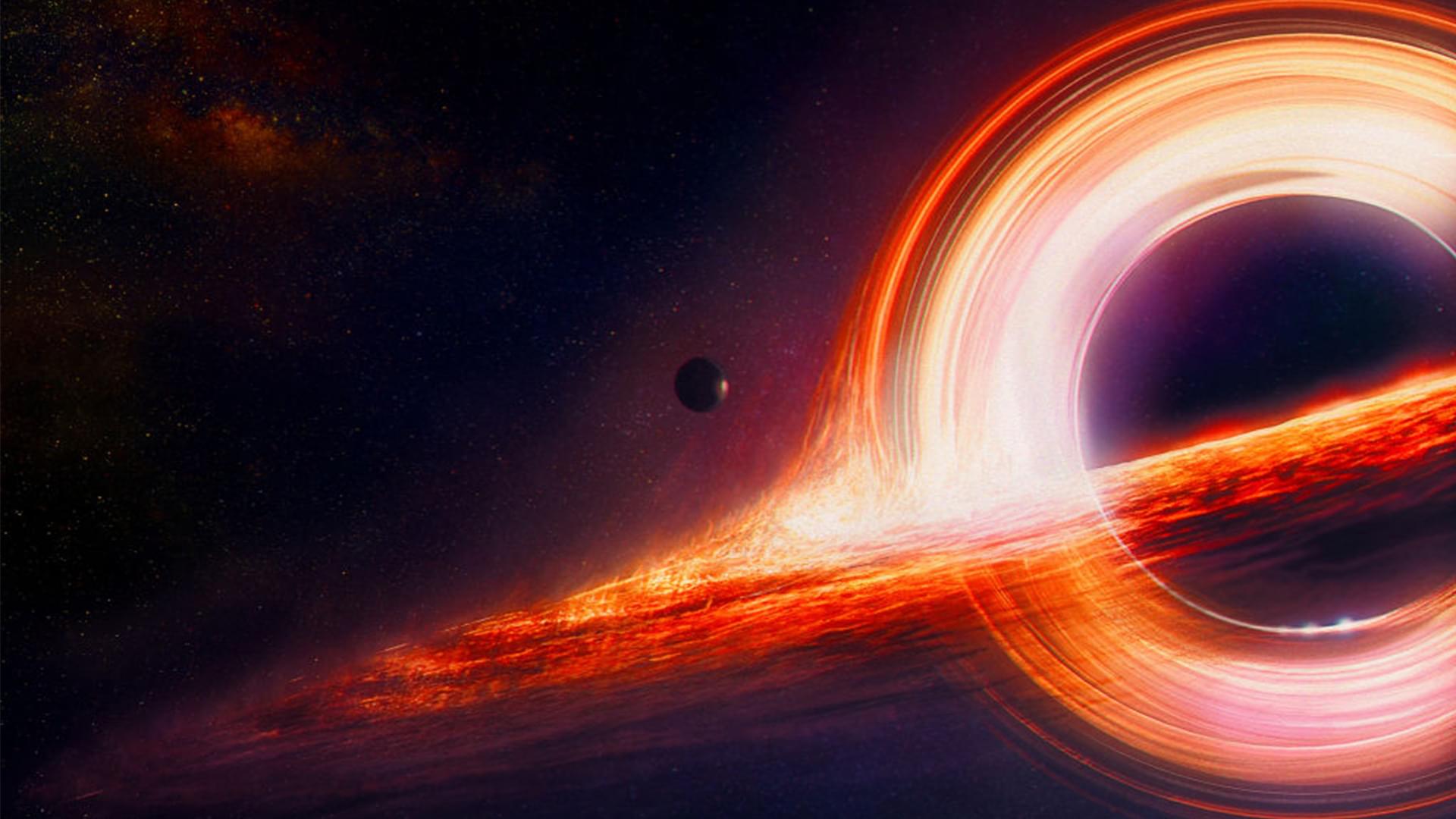
A new detection framework explains how astronomers can isolate extremely slow gravitational wave signals.
By combining subtle distortions in spacetime with observations of unusually bright galactic centers, the study authors have demonstrated a practical method for identifying likely locations of merging supermassive black holes.
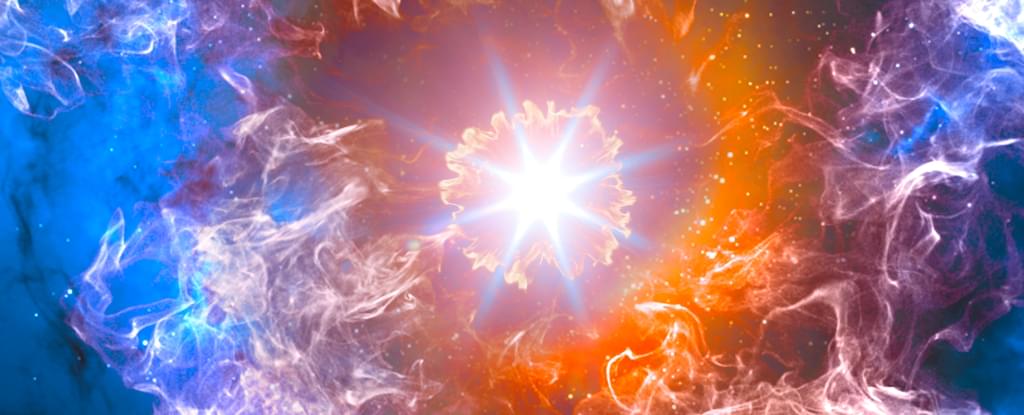
The Big Bang is often described as the explosive birth of the Universe – a singular moment when space, time and matter sprang into existence.
But what if this was not the beginning at all? What if our Universe emerged from something else – something more familiar and radical at the same time?
In a new paper, published in Physical Review D, my colleagues and I propose a striking alternative. Our calculations suggest the Big Bang was not the start of everything, but rather the outcome of a gravitational crunch or collapse that formed a very massive black hole – followed by a bounce inside it.
Discussion with logician Graham Priest on the existence of true contradictions in reality.
Please consider financially supporting my work (ONLY if you have the means).
Patreon: https://patreon.com/trsam?utm_medium=unknown&utm_source=join…t=copyLink.
Substack: https://rsampod.substack.com.
PayPal: https://paypal.me/rsampod?country.x=AU&locale.x=en_AU
{Podcast}
Substack: https://rsampod.substack.com/podcast.
Spotify: https://open.spotify.com/show/4ryEqjut4r6SMtfxLdM1Le.
SFP: https://podcasters.spotify.com/pod/show/rahul-samaranayake.
{Website}
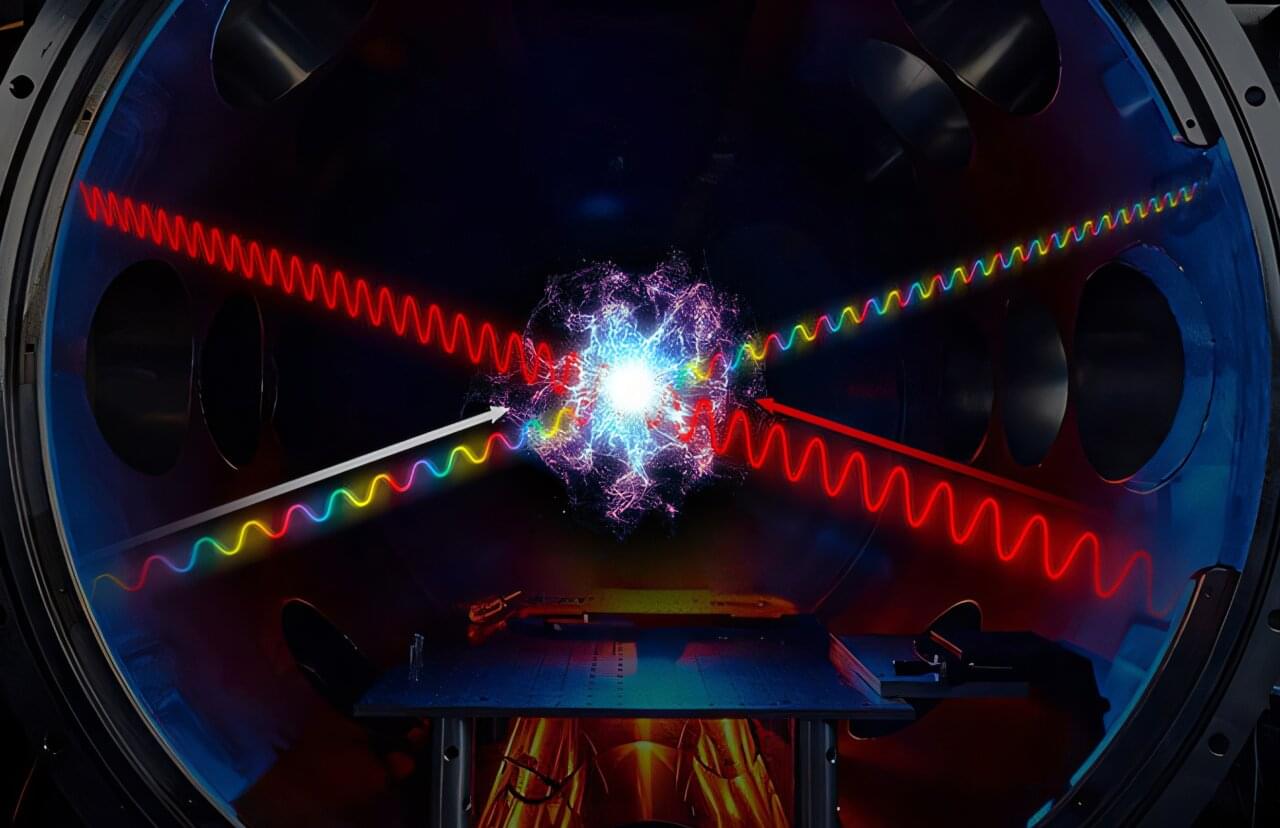
Measuring conditions in volatile clouds of superheated gases known as plasmas is central to pursuing greater scientific understanding of how stars, nuclear detonations and fusion energy work. For decades, scientists have relied on a technique called Thomson scattering, which uses a single laser beam to scatter from plasma waves as a way to measure critical information such as plasma temperature, density and flow.
Now, however, a multidisciplinary team of Lawrence Livermore National Laboratory (LLNL) researchers has successfully demonstrated a potentially simpler, more accurate way to measure plasma conditions with two laser beams that cross paths, creating a data signal that is about a billion times stronger than what is available from the Thomson scattering method.
This method could give physicists working on complex high energy density science and inertial confinement fusion (ICF) research at facilities like LLNL’s National Ignition Facility (NIF) an innovative new tool.
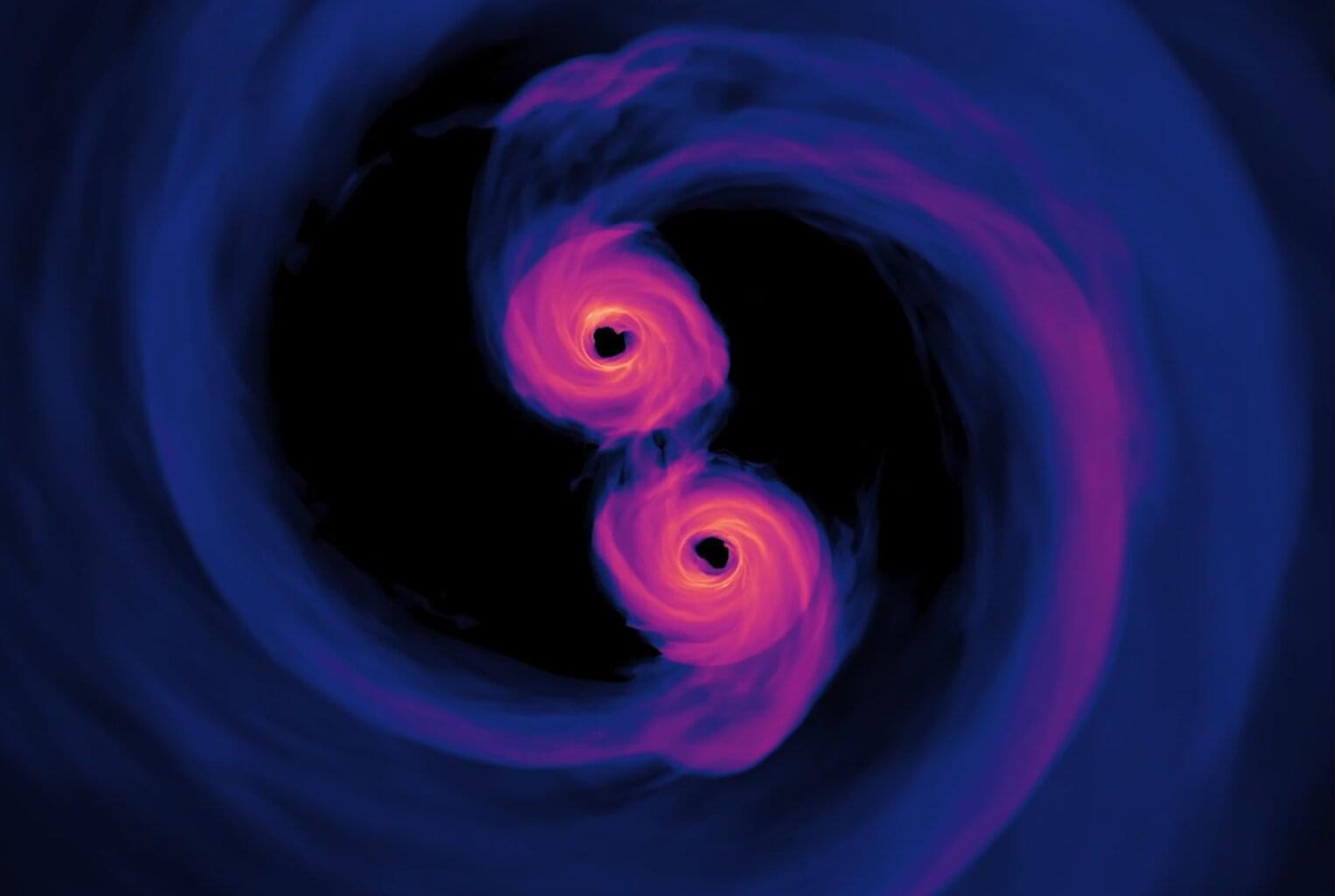
An international collaboration of astrophysicists that includes researchers from Yale has created and tested a detection system that uses gravitational waves to map out the locations of merging black holes—known as supermassive black hole binaries—around the universe. Such a map would provide a vital new way to explore and understand astronomy and physics, just as X-rays and radio waves did in earlier eras, the researchers say. The new protocol demonstrated by the North American Nanohertz Observatory for Gravitational Waves (NANOGrav) offers a detection protocol to populate the map.
“Our finding provides the scientific community with the first concrete benchmarks for developing and testing detection protocols for individual, continuous gravitational wave sources,” said Chiara Mingarelli, assistant professor of physics in Yale’s Faculty of Arts and Sciences (FAS), member of NANOGrav, and corresponding author of a new study published in The Astrophysical Journal Letters.
According to the researchers, even a small number of confirmed black hole binaries will enable them to anchor a map of the gravitational wave background. In the months ahead, NANOGrav will continue identifying and locating binaries.
How Elon plans to launch a terawatt of GPUs into space.
## Elon Musk plans to launch a massive computing power of 1 terawatt of GPUs into space to advance AI, robotics, and make humanity multi-planetary, while ensuring responsible use and production. ## ## Questions to inspire discussion.
Space-Based AI Infrastructure.
Q: When will space-based data centers become economically superior to Earth-based ones? A: Space data centers will be the most economically compelling option in 30–36 months due to 5x more effective solar power (no batteries needed) and regulatory advantages in scaling compared to Earth.
☀️ Q: How much cheaper is space solar compared to ground solar? A: Space solar is 10x cheaper than ground solar because it requires no batteries and is 5x more effective, while Earth scaling faces tariffs and land/permit issues.
Q: What solar production capacity are SpaceX and Tesla planning? A: SpaceX and Tesla plan to produce 100 GW/year of solar cells for space, manufacturing from raw materials to finished cells in-house.
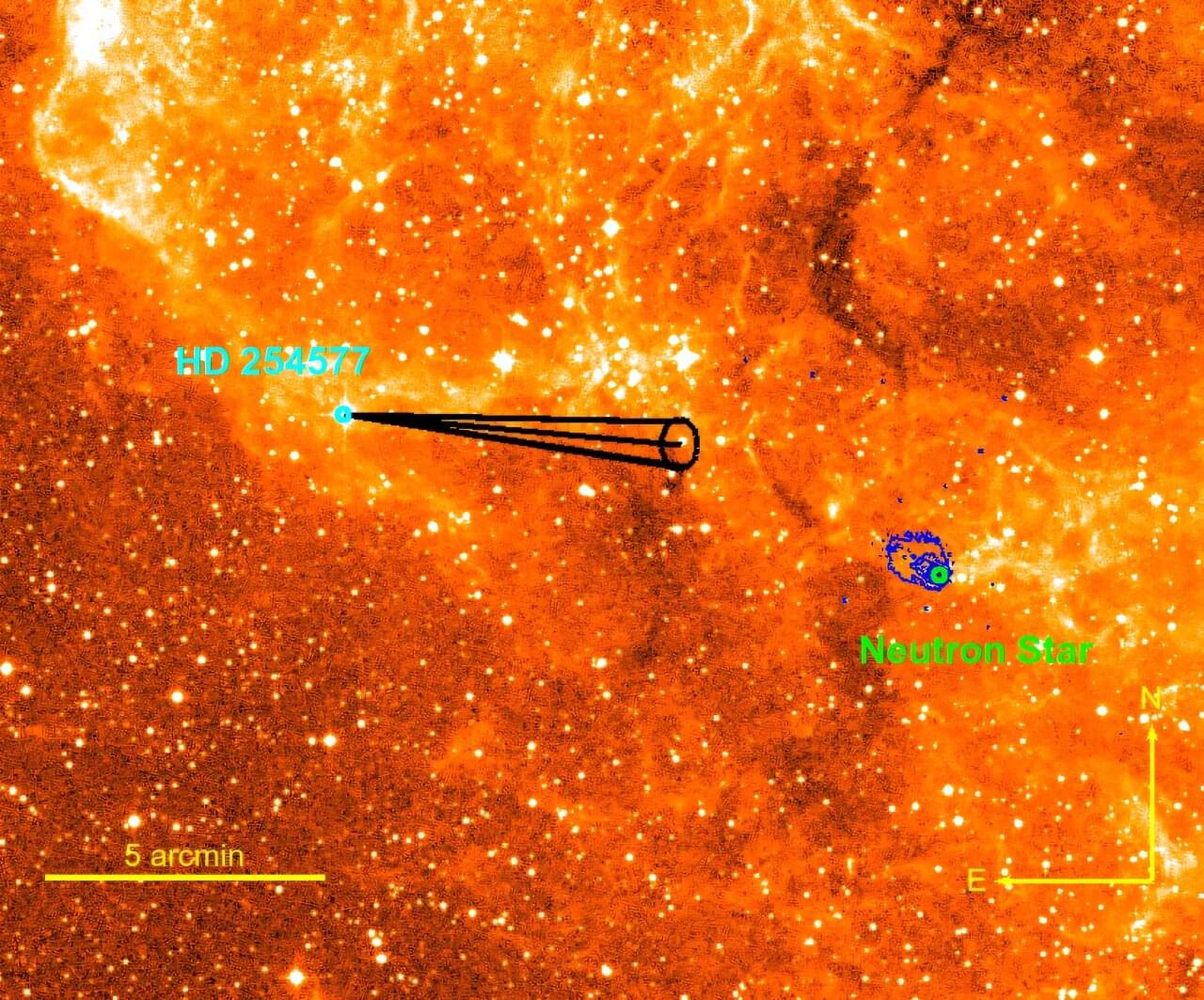
Astronomers have strengthened long-standing predictions that massive runaway stars could have originated in binary pairs, and were dramatically ejected into space when their companion stars underwent supernova explosions. Through a combination of observations and stellar models, a team led by Baha Dinçel at the University of Jena in Germany revealed that the star HD 254577 likely did just this—and that its origins can be tied back to a companion whose remnants now form the Jellyfish nebula. The research is published in Astronomy & Astrophysics.
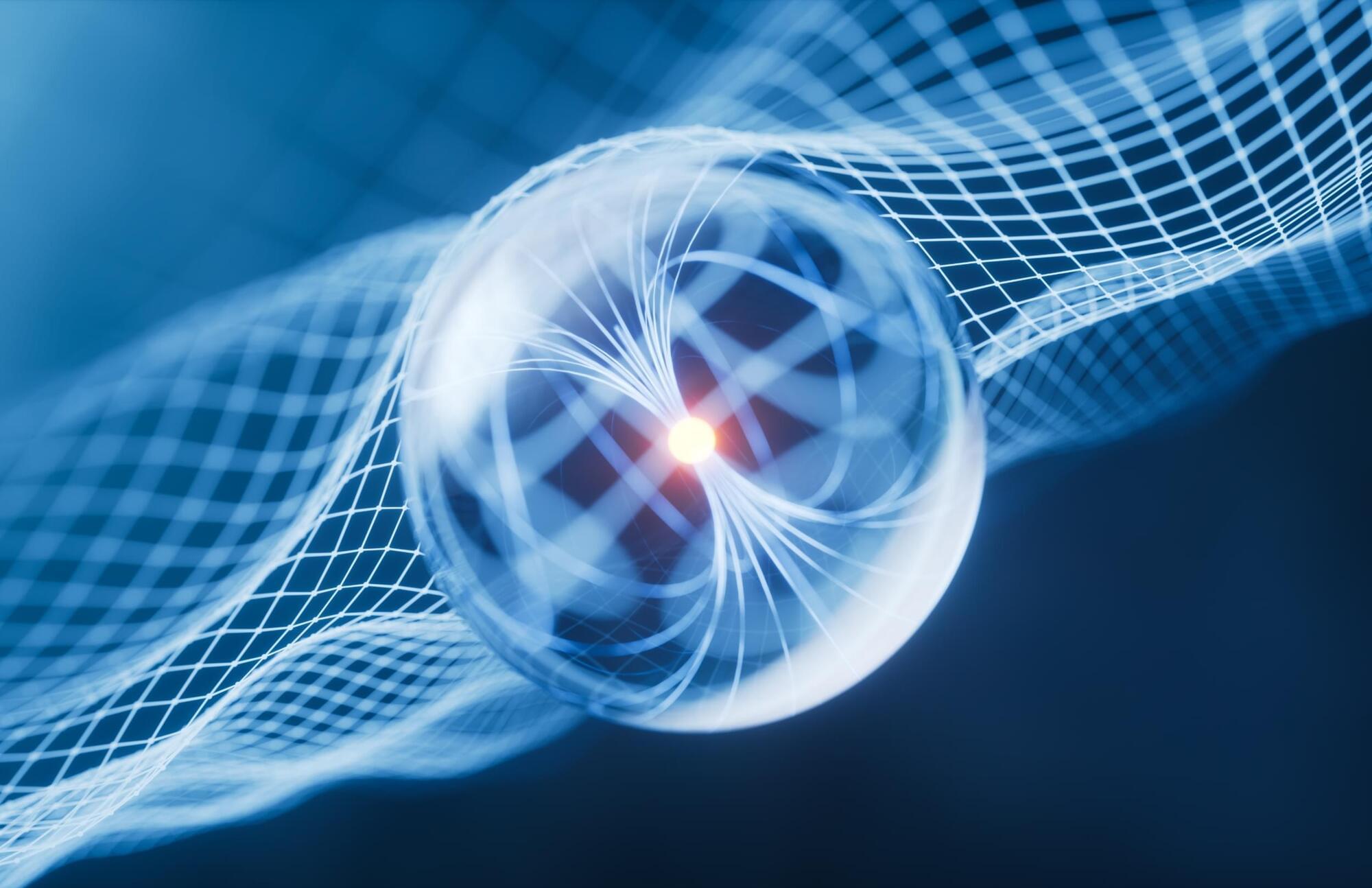
Physicists have uncovered surprising order inside one of the most puzzling states in modern materials science. It is a strange middle ground where electrons begin to behave differently, but full superconductivity has not yet taken hold.
Instead of falling into disorder, the system retains coordinated patterns right at the point where normal electrical behavior starts to break down. The finding suggests this transition is guided by an underlying structure, not randomness.
Scientists say a real warp drive may no longer be pure science fiction, thanks to new breakthroughs in theoretical physics. Recent studies suggest space itself could be compressed and expanded, allowing faster-than-light travel without breaking known laws of physics. Unlike sci-fi engines, this concept wouldn’t move a ship through space — it would move space around the ship. Researchers are now exploring how energy, gravity, and exotic matter could make this possible. In this video, we explain how a warp drive could work and how close science really is.
Credit:
Star Wars: Episode VIII — The Last Jedi / Lucasfilm https://www.imdb.com/title/tt2527336/.… Trek Beyond / Paramount Pictures https://www.imdb.com/title/tt2660888/.… Lost in Space / New Line Cinema https://www.imdb.com/title/tt0120738/.… Parker Solar Probe touches the Sun: By NASA/Johns Hopkins APL/Ben Smith — https://svs.gsfc.nasa.gov/14036, https://commons.wikimedia.org/wiki/Fi… Parker Solar Probe: By NASA’s Scientific Visualization Studio — Johns Hopkins University/APL/Betsy Congdon, Johns Hopkins Applied Physics Laboratory/Yanping Guo, Johns Hopkins Applied Physics Laboratory/John Wirzburger, NASA/Nicola Fox, NASA/Kelly Korreck, Johns Hopkins University/APL/Nour Raouafi, NASA/Joseph Westlake, eMITS/Joy Ng, eMITS/Beth Anthony, eMITS/Lacey Young, ADNET Systems, Inc./Aaron E. Lepsch — https://svs.gsfc.nasa.gov/14741, https://commons.wikimedia.org/wiki/Fi… Parker Solar Probe: By NASA/Johns Hopkins APL/Steve Gribben — http://parkersolarprobe.jhuapl.edu/Mu…, https://commons.wikimedia.org/w/index… Vertical Testbed Rocket: By NASA Armstrong Flight Research Center — https://www.nasa.gov/armstrong/, https://commons.wikimedia.org/wiki/Fi… […]cket_(AFRC-2017–11349-1_Masten-COBALT-UnTetheredFLT1).webm Interstellar / Paramount Pictures Stargate / Canal+ CC BY-SA 3.0 https://creativecommons.org/licenses/.… Alcubierre: By AllenMcC., https://commons.wikimedia.org/w/index… Miguel alcubierre: By Jpablo.romero, https://commons.wikimedia.org/w/index… Water wave analogue of Casimir effect: By Denysbondar, https://commons.wikimedia.org/wiki/Fi… Casimir plates: By Emok, https://commons.wikimedia.org/w/index… CC BY-SA 4.0 https://creativecommons.org/licenses/.… Proxima Centauri b: By ESO/Konstantino Polizois/Nico Bartmann — http://www.eso.org/public/unitedkingd…, https://commons.wikimedia.org/wiki/Fi… WARP Reactor Concept Movie: By WarpingSpacetime, https://commons.wikimedia.org/wiki/Fi… Ag Micromirrors: By Simpik, https://commons.wikimedia.org/wiki/Fi… Animation is created by Bright Side.
Star Trek Beyond / Paramount Pictures https://www.imdb.com/title/tt2660888/.…
Lost in Space / New Line Cinema https://www.imdb.com/title/tt0120738/.…
Parker Solar Probe touches the Sun: By NASA/Johns Hopkins APL/Ben Smith — https://svs.gsfc.nasa.gov/14036, https://commons.wikimedia.org/wiki/Fi…
Parker Solar Probe: By NASA’s Scientific Visualization Studio — Johns Hopkins University/APL/Betsy Congdon, Johns Hopkins Applied Physics Laboratory/Yanping Guo, Johns Hopkins Applied Physics Laboratory/John Wirzburger, NASA/Nicola Fox, NASA/Kelly Korreck, Johns Hopkins University/APL/Nour Raouafi, NASA/Joseph Westlake, eMITS/Joy Ng, eMITS/Beth Anthony, eMITS/Lacey Young, ADNET Systems, Inc./Aaron E. Lepsch — https://svs.gsfc.nasa.gov/14741, https://commons.wikimedia.org/wiki/Fi…
Parker Solar Probe: By NASA/Johns Hopkins APL/Steve Gribben — http://parkersolarprobe.jhuapl.edu/Mu…, https://commons.wikimedia.org/w/index…
Vertical Testbed Rocket: By NASA Armstrong Flight Research Center — https://www.nasa.gov/armstrong/, https://commons.wikimedia.org/wiki/Fi… […]cket_(AFRC-2017–11349-1_Masten-COBALT-UnTetheredFLT1).webm.
Interstellar / Paramount Pictures.
Stargate / Canal+
CC BY-SA 3.0 https://creativecommons.org/licenses/.…
Alcubierre: By AllenMcC., https://commons.wikimedia.org/w/index…
Miguel alcubierre: By Jpablo.romero, https://commons.wikimedia.org/w/index…
Water wave analogue of Casimir effect: By Denysbondar, https://commons.wikimedia.org/wiki/Fi…
Casimir plates: By Emok, https://commons.wikimedia.org/w/index…
CC BY-SA 4.0 https://creativecommons.org/licenses/.…
Proxima Centauri b: By ESO/Konstantino Polizois/Nico Bartmann — http://www.eso.org/public/unitedkingd…, https://commons.wikimedia.org/wiki/Fi…
WARP Reactor Concept Movie: By WarpingSpacetime, https://commons.wikimedia.org/wiki/Fi…
Ag Micromirrors: By Simpik, https://commons.wikimedia.org/wiki/Fi…
Animation is created by Bright Side.