A robot butler sounds like a nice idea, but the technology has its drawbacks.
Category: robotics/AI – Page 4
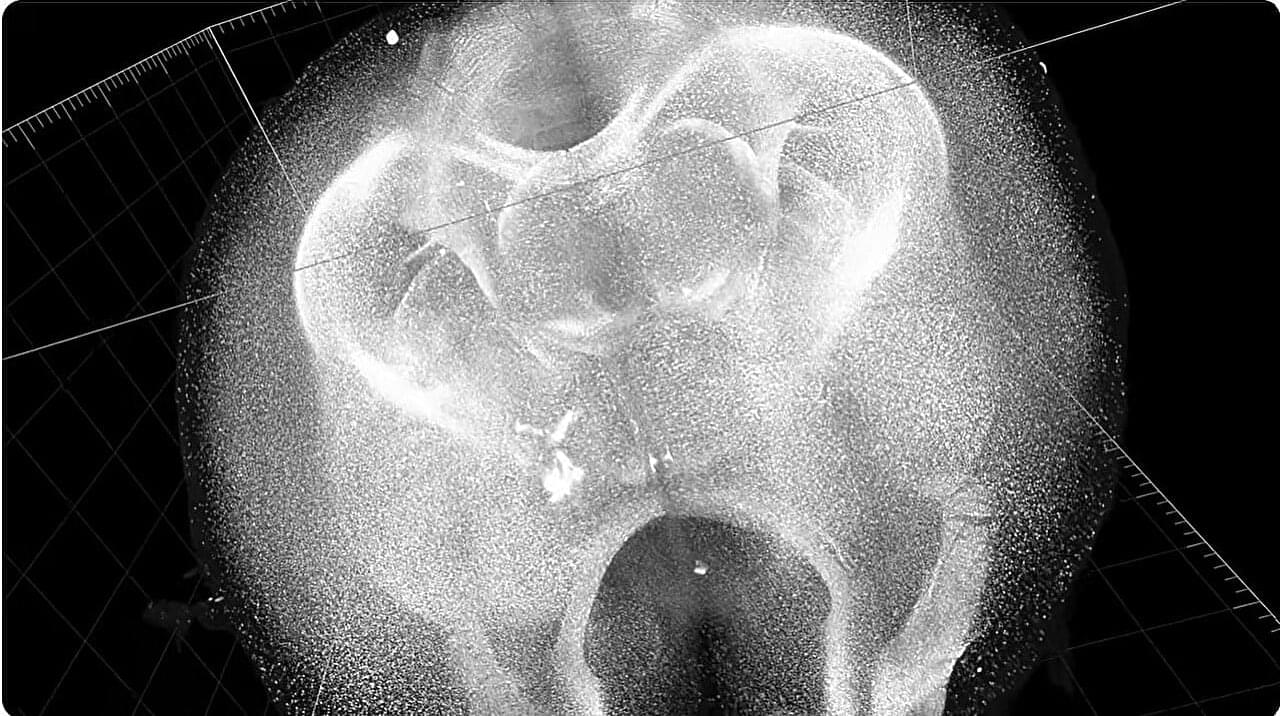
Stunning new maps of myelin-making mouse brain cells advance understanding of nervous system disorders
Johns Hopkins scientists say they have used 3D imaging, special microscopes and artificial intelligence (AI) programs to construct new maps of mouse brains showing a precise location of more than 10 million cells called oligodendrocytes. These cells form myelin, a protective sleeve around nerve cell axons, which speeds transmission of electrical signals and support brain health.
Published online Feb. 18 in Cell and funded by the National Institutes of Health, the maps not only paint a whole-brain picture of how myelin content varies between brain circuits, but also provide insights into how the loss of such cells impacts human diseases such as multiple sclerosis, Alzheimer’s disease and other disorders that affect learning, memory, sensory ability and movement, say the researchers. Although mouse and human brains are not the same, they share many characteristics and most biological processes.
“Our study identifies not only the location of oligodendrocytes in the brain, but also integrates information about gene expression and the structural features of neurons,” says Dwight Bergles, Ph.D., the Diana Sylvestre and Charles Homcy Professor in the Department of Neuroscience at the Johns Hopkins University School of Medicine. “It’s like mapping the location of all the trees in a forest, but also adding information about soil quality, weather and geology to understand the forest ecosystem.”
AI in Pathology Fails Without Pathologists
🧠 AI in pathology cannot succeed without pathologists. As computational pathology advances, clinical expertise remains the critical link between algorithms and real-world impact.
In this discussion, Diana Montezuma, Pathologist and Head of R&D at IMP Diagnostics, explains why pathologist involvement is essential to building AI tools that are usable, clinically relevant, and truly valuable in practice.
👉 Read the discussion:
Pathologists play a key role in AI development for pathology – providing the expertise needed to bridge data and clinical application. To discuss this role and its importance in the development of computational pathology tools, we connected with Diana Montezuma, Pathologist and Head of the R&D Unit at IMP Diagnostics.
From your perspective, what is the most important contribution that diagnosticians bring to AI and algorithm development?
Pathologists bring essential clinical expertise and practical insight to any computational pathology project. Without their involvement, such initiatives risk becoming disconnected from real-world practice and ultimately failing to deliver meaningful clinical value.
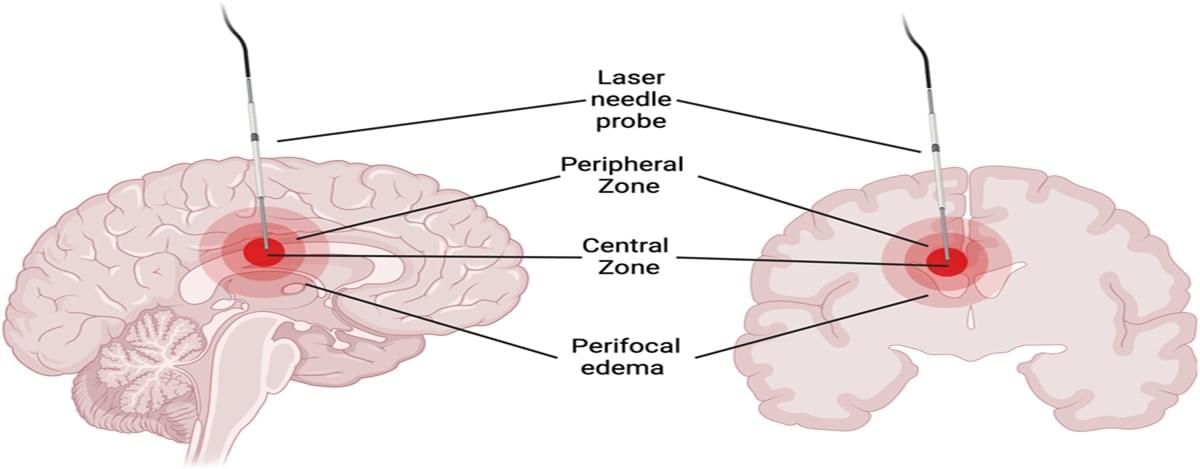
Advances and Integrations of Computer-Assisted Planning,… : Operative Neurosurgery
ONSNew ONSReview Advances and Integrations of Computer-Assisted Planning, Artificial Intelligence, and Predictive Modeling Tools for Laser Interstitial Thermal Therapy in Neurosurgical Oncology by Warman et al Johns Hopkins Medicine Congress of Neurological Surgeons (CNS) Isaac Yang.
E to surrounding healthy tissue, LiTT offers promising therapeutic outcomes for both newly diagnosed and recurrent tumors. However, challenges such as postprocedural edema, unpredictable heat diffusion near blood vessels and ventricles in real time underscore the need for improved planning and monitoring. Incorporating artificial intelligence (AI) presents a viable solution to many of these obstacles. AI has already demonstrated effectiveness in optimizing surgical trajectories, predicting seizure-free outcomes in epilepsy cases, and generating heat distribution maps to guide real-time ablation. This technology could be similarly deployed in neurosurgical oncology to identify patients most likely to benefit from LiTT, refine trajectory planning, and predict tissue-specific heat responses.
New Technique for 3D Printing Artificial Muscle Paves the Way for More Freaky Robots
While 2026 has been an objectively terrible year for humans thus far, it’s turning out—for better or worse—to be a banner year for robots. (Robots that are not Tesla’s Optimus thingamajig, anyway.) And it’s worth thinking about exactly how remarkable it is that the new humanoid robots are able to replicate the smooth, fluid, organic movements of humans and other animals, because the majority of robots do not move like this.
Take, for example, the robot arms used in factories and CNC machines: they glide effortlessly from point to point, moving with both speed and exquisite precision, but no one would ever mistake one of these arms for that of a living being. If anything, the movements are too perfect. This is at least partly due to the way these machines are designed and built: they use the same ideas, components, and principles that have characterised everything from the water wheel to the combustion engine.
But that’s not how living creatures work. While the overwhelming majority of macroscopic living beings contain some sort of “hard” parts—bones or exoskeletons—our movements are driven by muscles and ligaments that are relatively soft and elastic.
DeepRare AI helps shorten the rare disease diagnostic journey with evidence-linked predictions
Researchers developed DeepRare, an LLM-driven multi-agent diagnostic system that integrates clinical descriptions, phenotype data, and genomic information to improve rare disease identification. Across thousands of cases, the system showed higher diagnostic recall than existing AI tools and clinicians in benchmark testing, while providing traceable reasoning linked to medical evidence.
By 2050 we could get “10,000 years of technological progress”
Every major AI company has the same safety plan: when AI gets crazy powerful and really dangerous, they’ll use the AI itself to figure out how to make AI safe and beneficial. It sounds circular, almost satirical. But is it actually a bad plan? Today’s guest, Ajeya Cotra, recently placed 3rd out of 413 participants forecasting AI developments and is among the most thoughtful and respected commentators on where the technology is going.
She thinks there’s a meaningful chance we’ll see as much change in the next 23 years as humanity faced in the last 10,000, thanks to the arrival of artificial general intelligence. Ajeya doesn’t reach this conclusion lightly: she’s had a ring-side seat to the growth of all the major AI companies for 10 years — first as a researcher and grantmaker for technical AI safety at Coefficient Giving (formerly known as Open Philanthropy), and now as a member of technical staff at METR.
So host Rob Wiblin asked her: is this plan to use AI to save us from AI a reasonable one?
Ajeya agrees that humanity has repeatedly used technologies that create new problems to help solve those problems. After all:
• Cars enabled carjackings and drive-by shootings, but also faster police pursuits.
• Microbiology enabled bioweapons, but also faster vaccine development.
• The internet allowed lies to disseminate faster, but had exactly the same impact for fact checks.
But she also thinks this will be a much harder case. In her view, the window between AI automating AI research and the arrival of uncontrollably powerful superintelligence could be quite brief — perhaps a year or less. In that narrow window, we’d need to redirect enormous amounts of AI labour away from making AI smarter and towards alignment research, biodefence, cyberdefence, adapting our political structures, and improving our collective decision-making.
The plan might fail just because the idea is flawed at conception: it does sound a bit crazy to use an AI you don’t trust to make sure that same AI benefits humanity.
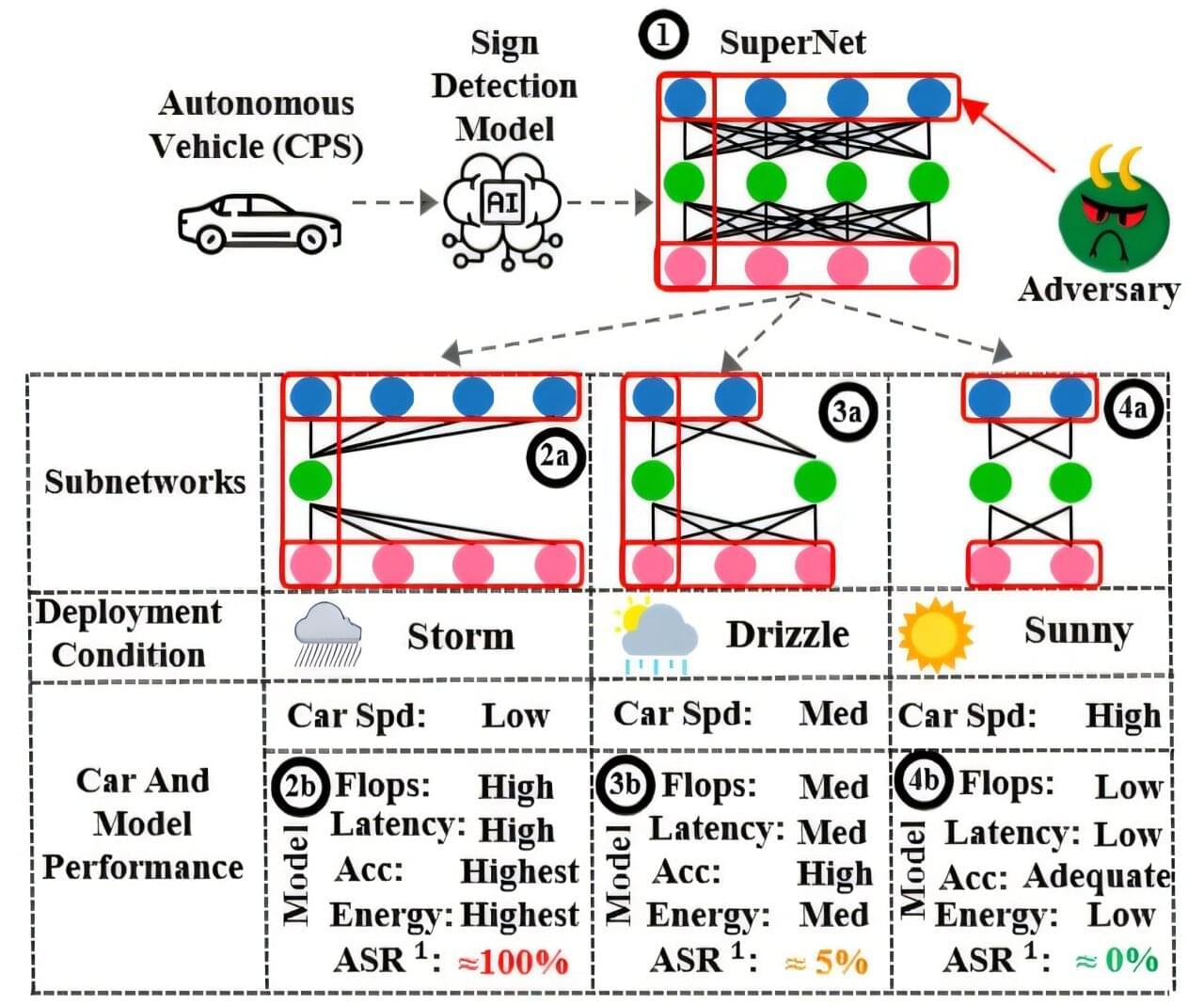
AI ‘blind spot’ could allow attackers to hijack self-driving vehicles
A newly discovered vulnerability could allow cybercriminals to silently hijack the artificial intelligence (AI) systems in self-driving cars, raising concerns about the security of autonomous systems increasingly used on public roads. Georgia Tech cybersecurity researchers discovered the vulnerability, dubbed VillainNet, and found it can remain dormant in a self-driving vehicle’s AI system until triggered by specific conditions. Once triggered, VillainNet is almost certain to succeed, giving attackers control of the targeted vehicle.
The research finds that attackers could program almost any action within a self-driving vehicle’s AI super network to trigger VillainNet. In one possible scenario, it could be triggered when a self-driving taxi’s AI responds to rainfall and changing road conditions. Once in control, hackers could hold the passengers hostage and threaten to crash the taxi.
The researchers discovered this new backdoor attack threat in the AI super networks that power autonomous driving systems.
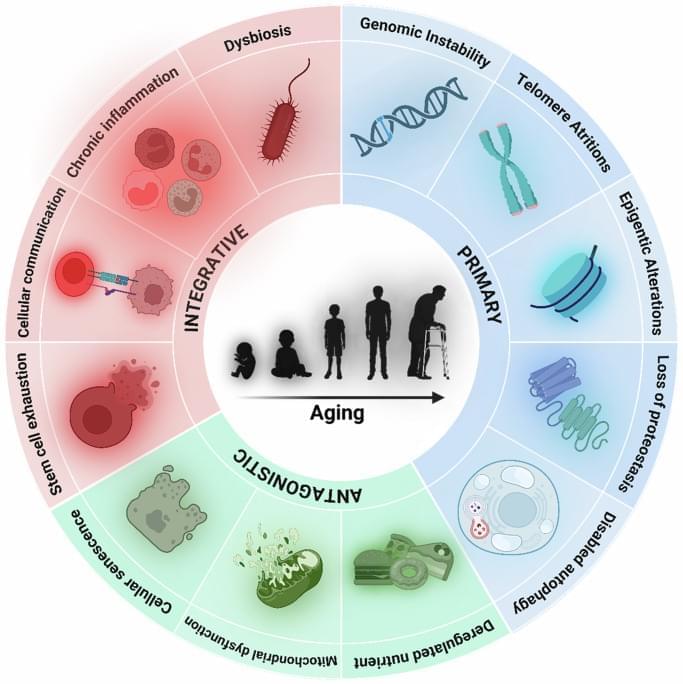
Anti-aging effect of Hedgehog signaling
Aging weakens the body’s ability to maintain balance and repair damage, increasing vulnerability to disease. This study reveals that the Hedgehog (Hh) signaling pathway plays a crucial role in preserving tissue integrity and regenerative capacity. Using animal models, researchers found that activating Hh signaling in multiple tissues such as the liver and brain enhances tissue repair and mitigates age-related functional decline. These findings suggest that targeting Hh signaling could be a promising strategy to promote healthy aging by enhancing regeneration and alleviating age-related dysfunction.
This summary was initially drafted using artificial intelligence, then revised and fact-checked by the author.
AI Tool Sets New Standard in Diagnosing Rare Diseases
A new system, which consists of a large LLM and a network of agentic tools, outperformed several other models and human physicians [1].
Too rare to easily diagnose
Rare diseases can be notoriously hard to diagnose. Patients average over 5 years to receive a correct diagnosis, enduring repeated referrals, misdiagnoses, and unnecessary interventions in what is known in rare disease medicine as ‘the diagnostic odyssey’ [2]. These rare diseases, defined as conditions affecting fewer than 1 in 2000 people, collectively impact over 300 million people worldwide. About 7,000 distinct disorders of this type have been identified, with 80% of them being genetic in origin [3].