Toggle light / dark theme

Rockstar is not happy about driverless cars learning from ‘Grand Theft Auto V’ without permission

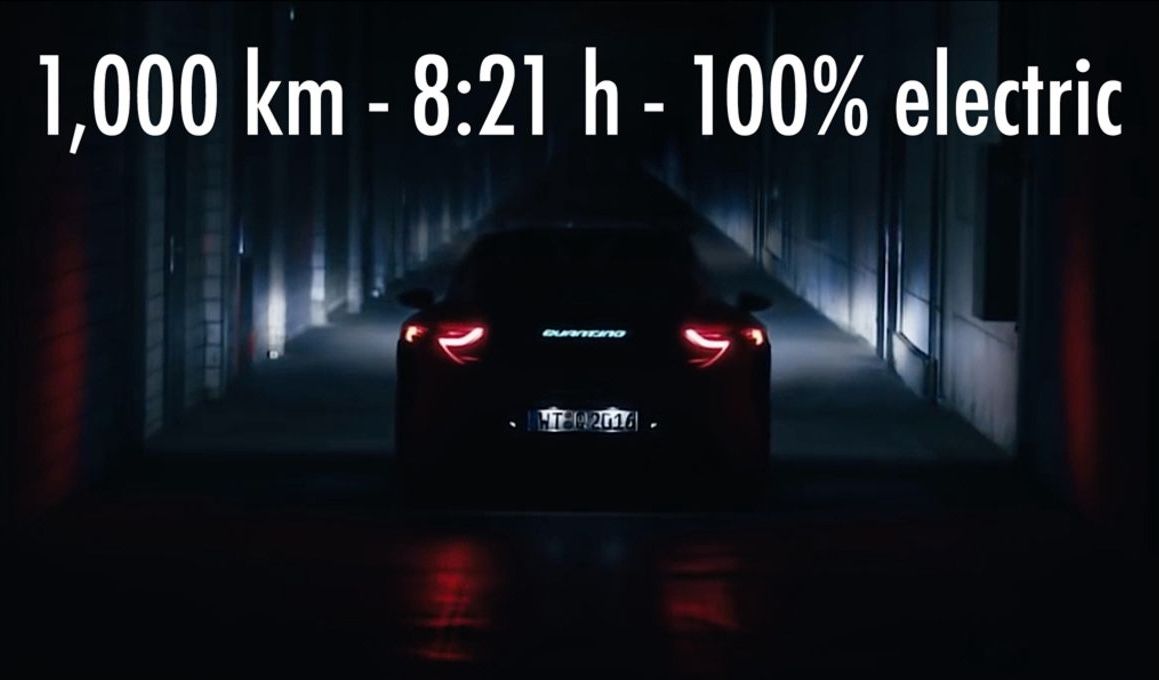
I remember posting that video in here a few months ago. Some lab in California was testing their AI’s to drive cars in the game. I wish they’d let them goof around in Multiplayer it would be interesting to mess with one. How would it re act if it got attacked, if a random person hopped in a car and started playing with the radio or other weird stuff.


2017%2f03%2f24%2f09%2fscreenshot20170324at12.20.00pm.4D9d2By Tina Amini 2017/04/21 17:23:46 UTC

How California Is Trying to Keep Autonomous Vehicle Development on Track

By Nidhi Kalra

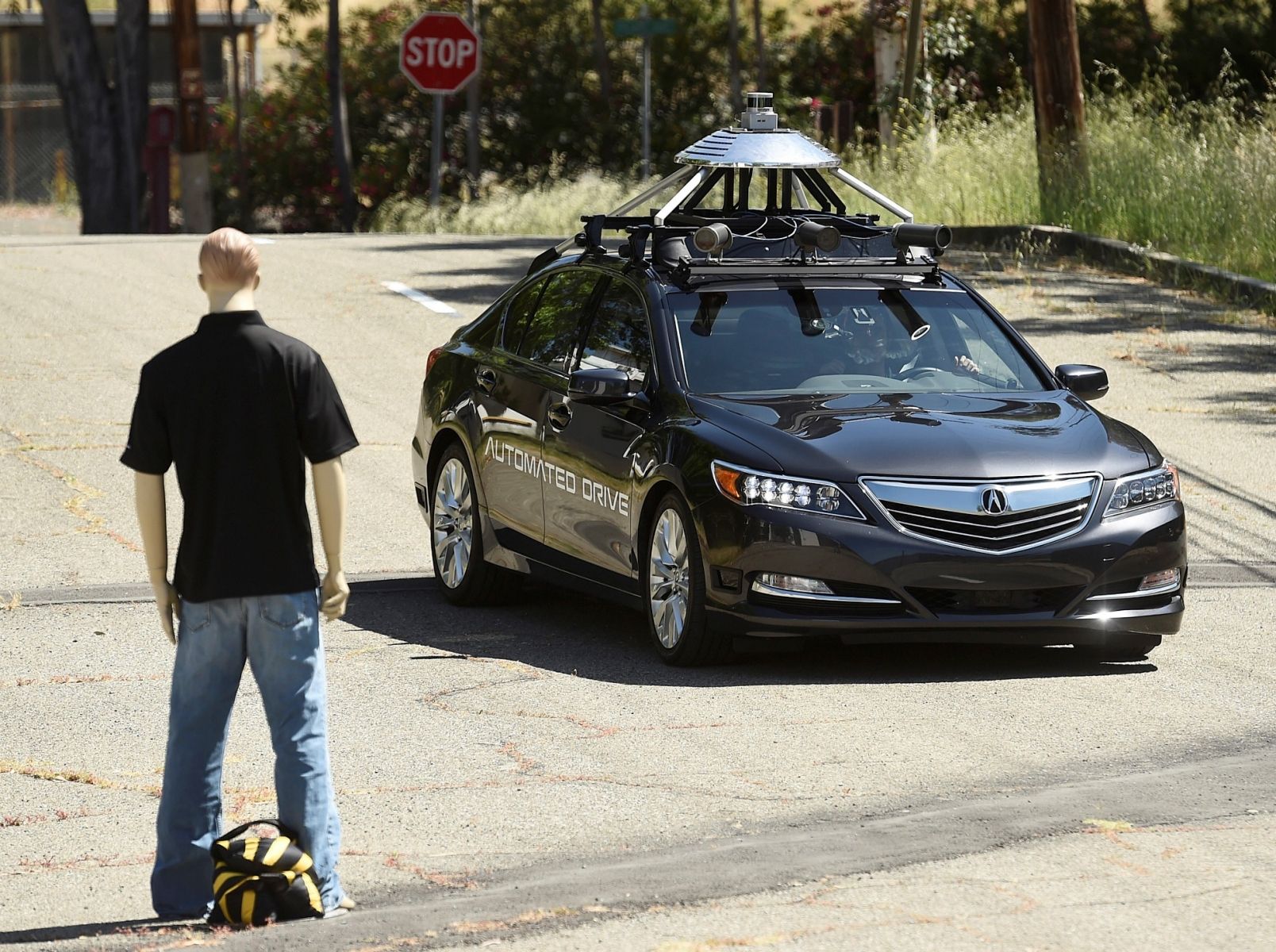
After California’s Department of Motor Vehicles recently proposed new regulations governing the testing and deployment of autonomous vehicles, many were left to wonder: Will this help retain the state’s status as a testing and deployment ground for the technology, and will it make California safer?

The answer is… yes and… maybe?

Graphene-oxide sieve turns seawater into drinking water

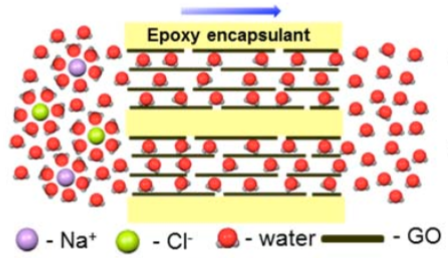
Schematic illustrating the direction of ion/water permeation along graphene planes (credit: J. Abraham et al./ Nature Nanotechnology)

British Scientists have designed a way to use graphene-oxide (GO) membranes to filter common salts out of salty water and make the water safe to drink.

Graphene-oxide membranes developed at the National Graphene Institute had already demonstrated the potential of filtering out small nanoparticles, organic molecules, and even large salts. And previous research at The University of Manchester also found that if immersed in water, graphene-oxide membranes become slightly swollen and smaller salts flow through the membrane along with water, but larger ions or molecules are blocked.

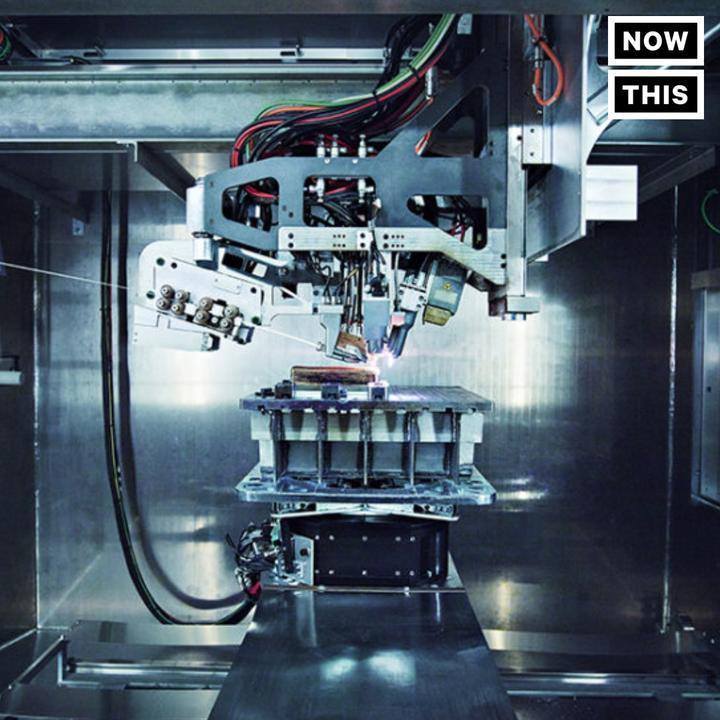
This college dropout says he’s cracked the crucial component for self-driving cars

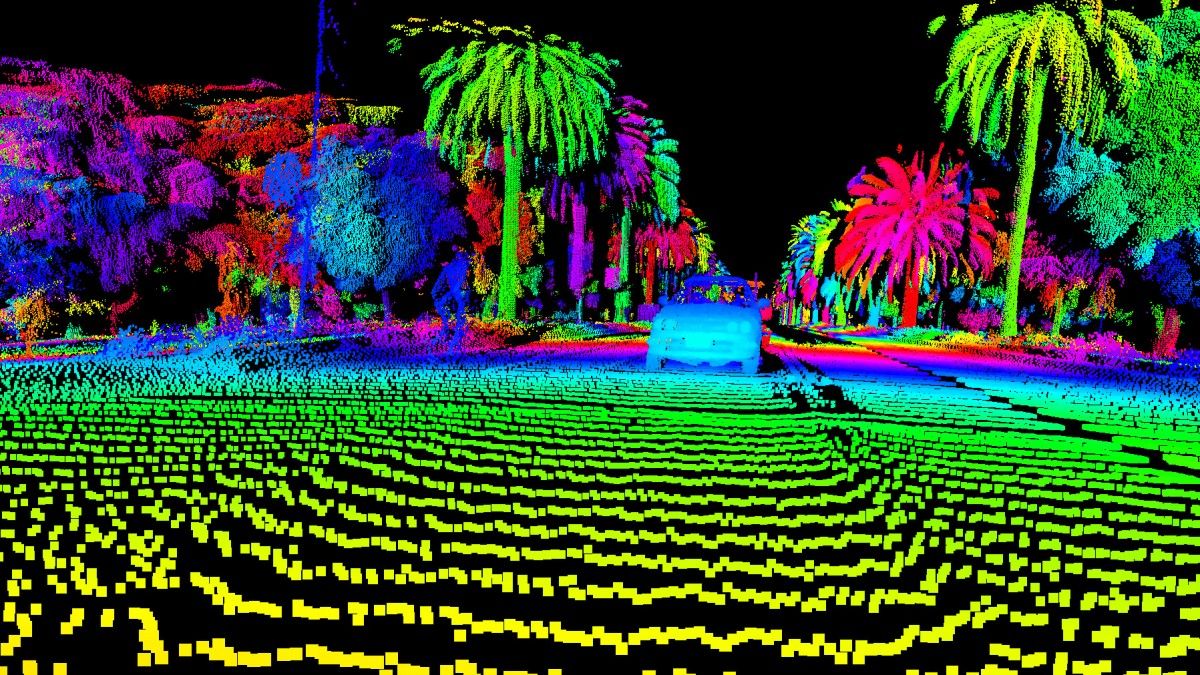
Most companies working on autonomous vehicles consider lidar sensors mandatory for vehicles to safely navigate alone and distinguish objects such as pedestrians and cyclists. But the best existing sensors are bulky, extremely expensive, and in short supply as demand surges (see “Self-Driving Cars’ Spinning Laser Problem”). Alphabet and Uber have both said they were forced to invent their own, better-performing sensors from scratch to make self-driving vehicles viable. Luminar hopes to serve automakers that would rather not go to that effort.

Russell doesn’t have a college degree—he dropped out of Stanford in return for a $100,000 check under a program started by venture capitalist Peter Thiel to encourage entrepreneurship. But Russell says a (short) lifetime of tinkering and building with electronics helped him design a new lidar sensor that sees farther and in more detail than those on the market.

Diamonds coupled using quantum physics

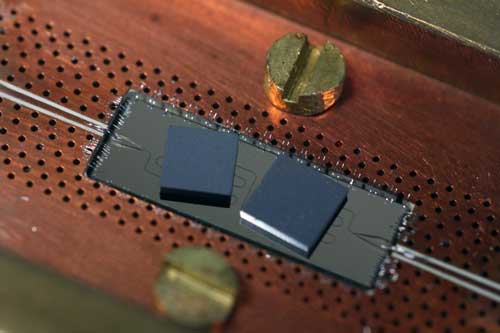
Atomic defects in diamonds can be used as quantum memories. Researchers at TU Wien for the first time have succeeded in coupling the defects in various diamonds using quantum physics.

Diamonds with minute flaws could play a crucial role in the future of quantum technology. For some time now, researchers at TU Wien have been studying the quantum properties of such diamonds, but only now have they succeeded in coupling the specific defects in two such diamonds with one another. This is an important prerequisite for the development of new applications, such as highly sensitive sensors and switches for quantum computers. The results of the research will now be published in the journal Physical Review Letters (“Coherent Coupling of Remote Spin Ensembles via a Cavity Bus”).

Two black diamonds on a superconducting chip

/* */