Plus a monkey who took a selfie and ignited a years-long legal battle and crow pooping antics, and more weird things we learned this week.
Category: biotech/medical – Page 1,294

New Gene Therapy Dramatically Reduces Booze Consumption in Alcoholic Monkeys
A team of scientists took a bunch of macaque monkeys, made them into alcoholics, and then successfully weaned them off the sauce after injecting their brains with a special gene — an experiment, detailed in a new paper published in Nature Medicine, that could potentially provide a compelling new treatment for addiction.
“Drinking went down to almost zero,” Oregon Health and Science University professor and co-author Kathleen Grant told The Guardian. “For months on end, these animals would choose to drink water and just avoid drinking alcohol altogether.”
The researchers set out with the premise that continued alcohol use causes changes to neurons and hampers the dopamine “reward circuitry” in the brain.
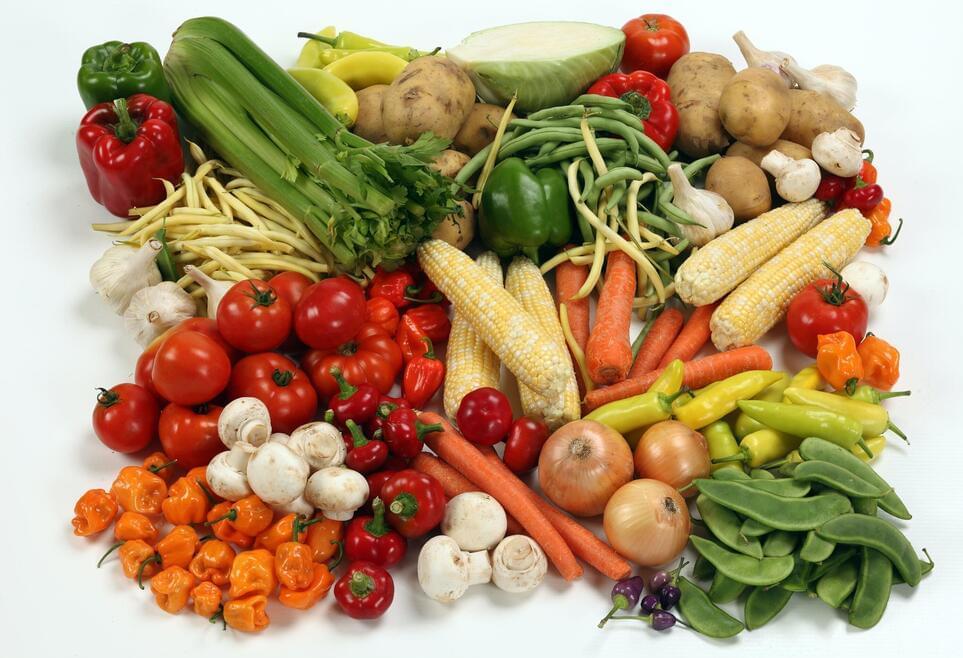
Brains with Alzheimer’s disease have subnormal levels of important dietary antioxidants
Since this book is about what I consider intellectual subject matter, I think it’s relevant to keep brains in top shape and thought it would be important to share this. You probably know about this sort of thing but I didn’t know the specific nutrients needed and what was lacking in people with Alzheimer’s. Best wishes.
Alzheimer’s disease is a progressive neurodegenerative disease estimated to affect 6 million Americans and 33 million people worldwide. Large numbers of those affected have not yet been diagnosed.
A new study published in the Journal of Alzheimer’s Disease by a Virginia Tech Carilion School of Medicine faculty member shows that brain levels of dietary lutein, zeaxanthin, lycopene, and vitamin E in those with Alzheimer’s disease are half those in normal brains. Higher dietary levels of lutein and zeaxanthin have been strongly linked to better cognitive functions and lower risk for dementia or Alzheimer’s disease.
“This study, for the first time, demonstrates deficits in important dietary antioxidants in Alzheimer’s brains. These results are consistent with large population studies that found risk for Alzheimer’s disease was significantly lower in those who ate diets rich in carotenoids, or had high levels of lutein and zeaxanthin in their blood, or accumulated in their retina as macular pigment,” said C. Kathleen Dorey, professor in the Department of Basic Science Education at the medical school. “Not only that, but we believe eating carotenoid-rich diets will help keep brains in top condition at all ages.”

Organoids shown to speed glycoengineered vaccine development
Testing the efficacy of a vaccine candidate is typically a long process, with the immune response of an animal model taking around two months.
A multi-institution team, led by Matt DeLisa, the William L. Lewis Professor in the Smith School of Chemical Biomolecular Engineering, at Cornell Engineering, is developing a method that is more than an order of magnitude faster.
Using a biomaterials-based organoid, developed in the lab of former Cornell professor Ankur Singh, now at the Woodruff School of Mechanical Engineering at the Georgia Institute of Technology, the team was able to assess the strength of the immune response in just days.
AI age teller: Using chest X-ray to tell your age
The Japanese have created an uncanny AI model that can estimate your true age from the looks of your chest X-ray. It can help doctors in the early detection of chronic disorders.
Have you ever wondered why some people look much older than their chronological age? A new study from Japan’s Osaka Metropolitan University (OMU) suggests this could be a sign of a disease they don’t know yet.
The study authors have developed an AI program that can accurately calculate an individual’s age by reading their chest X-ray. This model estimates age, unlike various previously reported AI programs that examine radiographs to detect lung anomalies. Then researchers use this information to predict body ailments further.
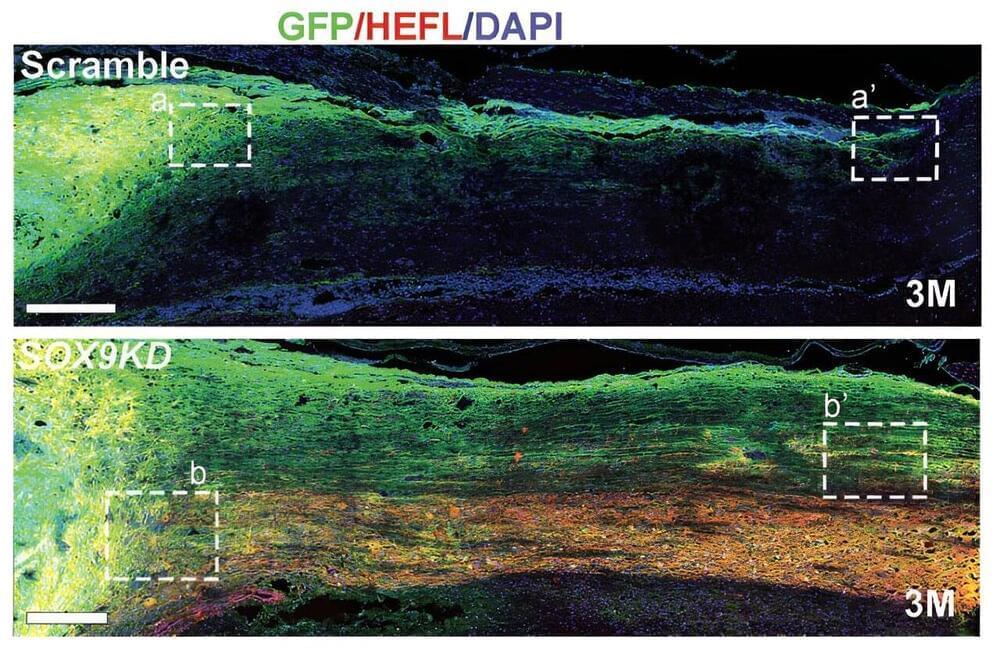
Genetically-modified neural stem cells show promising therapeutic potential for spinal cord injury
A research team co-led by City University of Hong Kong (CityU) and The University of Hong Kong (HKU) has recently made a significant advancement in spinal cord injury treatment by using genetically-modified human neural stem cells (hNSCs).
They found that specifically modulating a gene expression to a certain level in hNSCs can effectively promote the reconstruction of damaged neural circuits and restore locomotor functions, offering great potential for new therapeutic opportunities for patients with spinal cord injury. The findings were published in the journal Advanced Science under the title “Transplanting Human Neural Stem Cells with ≈50% Reduction of SOX9 Gene Dosage Promotes Tissue Repair and Functional Recovery from Severe Spinal Cord Injury.”
Traumatic spinal cord injury is a devastating condition that commonly results from accidents such as falls, car crashes or sport-related injuries.
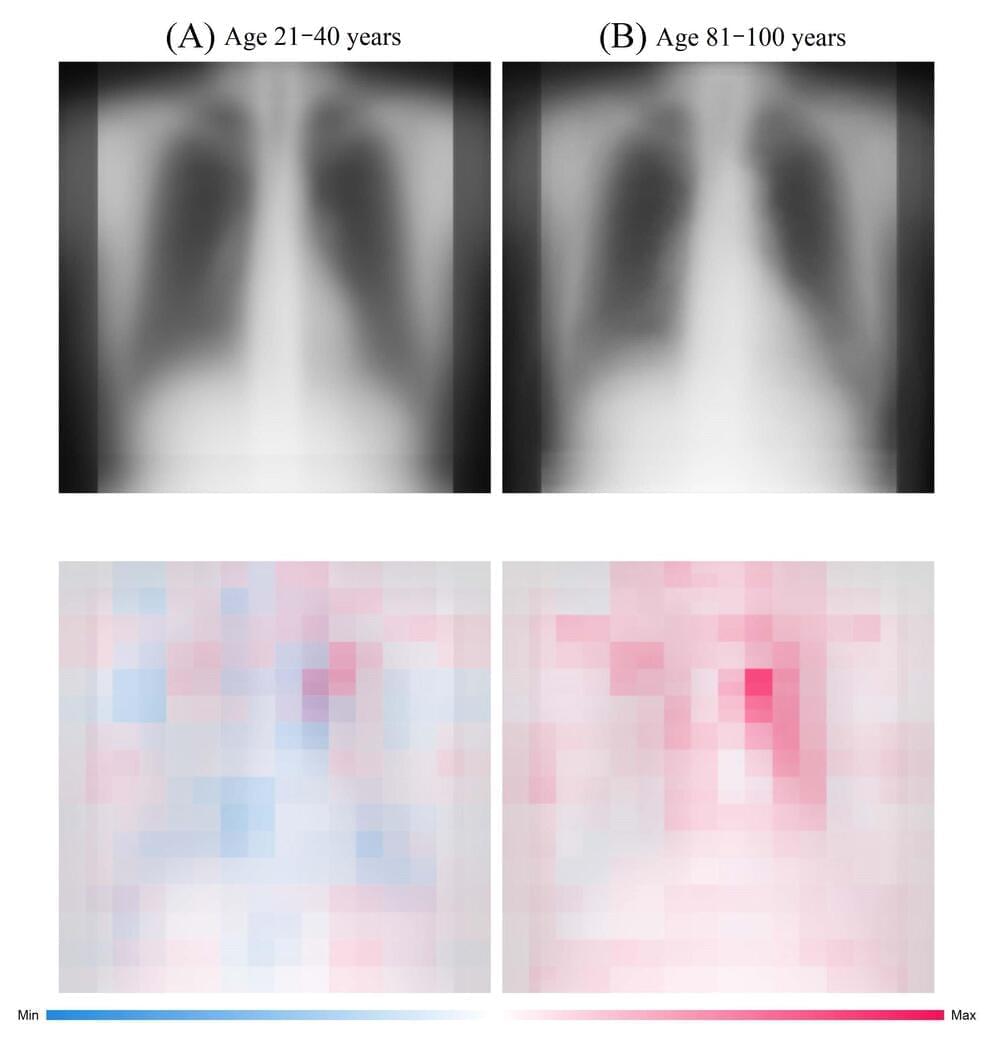
How old are you, really? AI can tell your true age by looking at your chest
What if “looking your age” refers not to your face, but to your chest? Osaka Metropolitan University scientists have developed an advanced artificial intelligence (AI) model that utilizes chest radiographs to accurately estimate a patient’s chronological age. More importantly, when there is a disparity, it can signal a correlation with chronic disease.
These findings mark a leap in medical imaging, paving the way for improved early disease detection and intervention. The results are published in The Lancet Healthy Longevity.
The research team, led by graduate student Yasuhito Mitsuyama and Dr. Daiju Ueda from the Department of Diagnostic and Interventional Radiology at the Graduate School of Medicine, Osaka Metropolitan University, first constructed a deep learning-based AI model to estimate age from chest radiographs of healthy individuals.
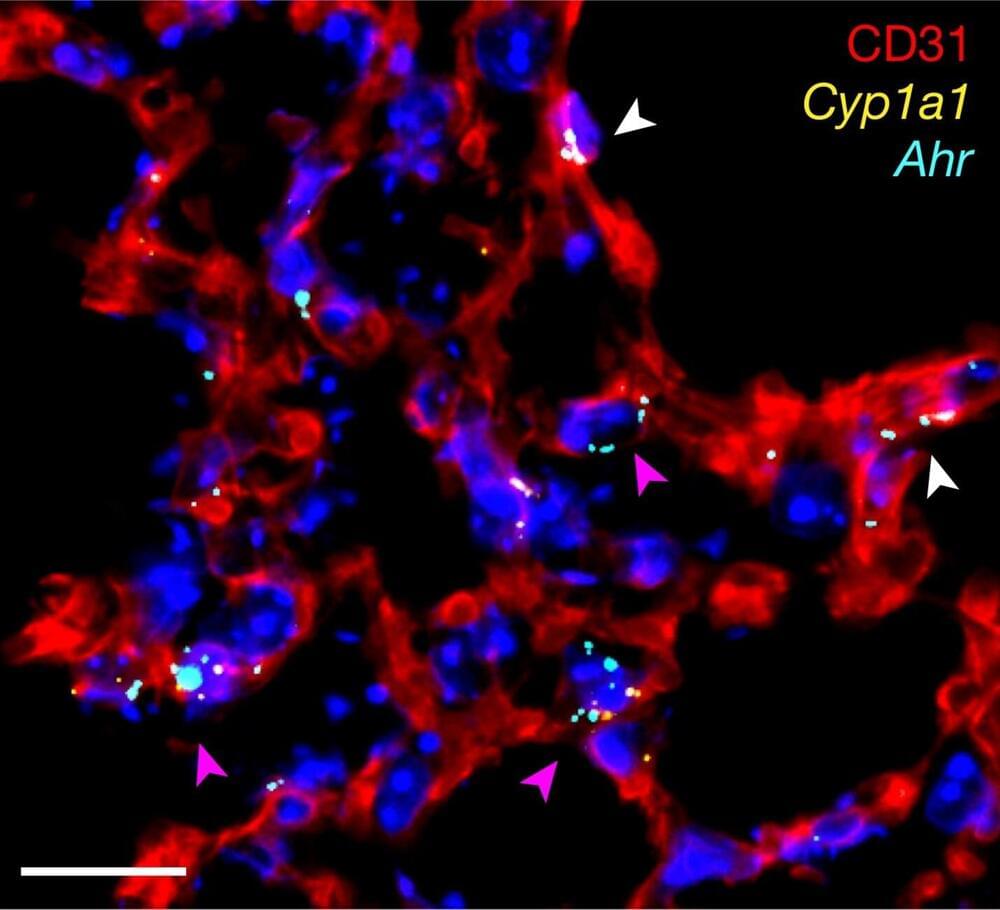
Research finds that molecules in vegetables can help to ease lung infection
Researchers at the Francis Crick Institute have found that molecules in vegetables like broccoli or cauliflower help to maintain a healthy barrier in the lung and ease infection.
The AHR—aryl hydrocarbon receptor—is a protein found at barrier sites like the gut and the lung. Natural molecules in cruciferous vegetables—for example, kale, cauliflower, broccoli, or cabbage—are dietary ‘ligands’ for AHR, which means, once eaten, they activate AHR to target a number of genes. Some of the genes targeted switch off the AHR system, allowing it to self-regulate.
The effect of AHR on immune cells is well understood, but this research, published in Nature, now shows that AHR is also highly active in endothelial cells lining blood vessels in the lung.

A frightening virus is killing a massive number of wild birds
Remember when eggs were so high? A vaccine for birds, now that can make money. 🤔
In the past two years, a viral disease has swept across much of the planet — not Covid but a type of avian flu. It’s devastated the poultry industry in the US, Europe, and elsewhere, sickening millions of farmed birds, which either die from infection or are killed by farmers seeking to stem the spread.
The ongoing outbreak of avian flu has killed hundreds of thousands — if not millions — of wild birds, including endangered species like the California condor. It’s one of the worst wildlife disease outbreaks in history. Having now spread across five continents and hundreds of wildlife species, scientists call the current outbreak a panzootic, meaning a pandemic among animals.
“What we’re seeing right now is uncharted territory,” said Andrew Ramey, a wildlife geneticist at the US Geological Survey, one of the federal agencies involved in testing wild birds for the virus.
The number of dead birds in itself is historic, but so is the virus’s biology. Typically, avian influenza viruses only cause severe disease and death in domestic birds like chickens and farmed ducks; they sweep through populations, killing upward of 90 percent of the flock.