Toggle light / dark theme

Brain Doping: Super Brains Without The Need for Rest or Sleep? Science & Tech Documentary

Forget about life-work-balance. A new generation of drugs promises unlimited increases in productivity without the need for rest or sleep.

“Brain doping” is the latest trend among high flyers. Pharmaceutical companies are developing pills that increase mental capability, stimulate desire, and heighten mood. A meaningful life full of happiness and success – without side effects.

The industry hopes for fantastic profits if the pretty pills become socially acceptable. Are we at the dawn of a new era, in which cosmetic neurology is an everyday phenomenon?

This documentary was first released in 2011.

SUBSCRIBE for more amazing stories, including free FULL documentaries. At Java Films we have an incredible library of award-winning documentaries: from world-leading investigations to true crime and history, we have something for everyone!

Click the SUBSCRIBE button and make sure to set NOTIFICATIONS to stay updated with all new content!

In a first, scientists create embryos in a lab from stem cells of monkey

Chinese researchers used stem cells from macaques to culture embryo-like structures in a lab.

Using stem cells from a monkey embryo, a team of researchers from the Chinese Academy of Sciences (CAS) successfully cultured embryo-like structures in lab conditions, but they didn’t just stop there.

It is important to understand that human embryonic research is a controversial subject because of the various ethical concerns.


Anusorn nakdee/iStock.

The researchers further tested their lab-grown embryos in the uteruses of living female monkeys to check if they could give rise to fetuses.

This is Why the ChatGPT Founder is Investing $180M in Life Extension

Aging is something that we all have to go through. Or at least we thought it was before tech CEOs started investing billions of dollars in anti-aging and longevity research start-ups. Sam Altman of ChatGPT fame turned out to be the mysterious $180 million investor that kickstarted Retro Sciences’ research on the topic.

A biotech company based in Silicon Valley, Retro Biosciences has taken on the mission of adding 10 more years to human life and they are planning to do so by using their collective knowledge of cellular reprogramming, autophagy, and plasma-inspired therapeutics. But they have an ace up their sleeve. They are going to use machine-learning-based computational biology and lab automation to help with the project. This must’ve sparked the interest of the OpenAI CEO if he went on to invest a good chunk of his liquid net worth in the project. This is not the first case of a tech billionaire investing in longevity and anti-aging.

Jeff Bezos himself has also invested in a similar company called Alton Labs, a research company focused on cellular rejuvenation programming. Is life extension an industry that will be lucrative soon or are Silicon Valley eccentrics just fighting an uphill battle to beat mortality and human nature? We might find out sooner than we thought.
#chatgpt #samaltman.

Join our YouTube channel by clicking here: https://bit.ly/3asNo2n.

Find us on Instagram: https://bit.ly/3PM21xW
Find us on Facebook: https://bit.ly/3t2Huvb.
Find us on Twitter: https://bit.ly/3wQfXzA
Find us on TikTok: https://bit.ly/3wNsBOu.

Get the latest stories: https://interestingengineering.com/

Alzheimer’s disease: Deep brain stimulation may help improve symptoms

Deep brain stimulation is a surgical procedure where electrodes are placed in specific areas of the brain. The electrodes are connected by wires to a small device, similar to a pacemaker, that is placed under the skin in the chest area.

The electrodes create electrical pulses that override abnormal signals that could cause neurological issues.

There has also recently been a move toward developing less invasive methods for deep brain stimulation.

The Cancer Killing Ratio…How 100:1 of Vitamin C and K3 (Apatone) Is Changing The Way We Fight Cancer!

Cancer is defined by cell cycle deregulation and uncontrolled growth. It is the second leading cause of death in the world. In the United States alone there were 1,658,370 new cancer cases diagnosed, 589,430 cancer deaths and an estimated 750,000 deaths in Europe.

We are fighting a losing battle?

IV Vitamin C for Cancer and Vitamin K3.

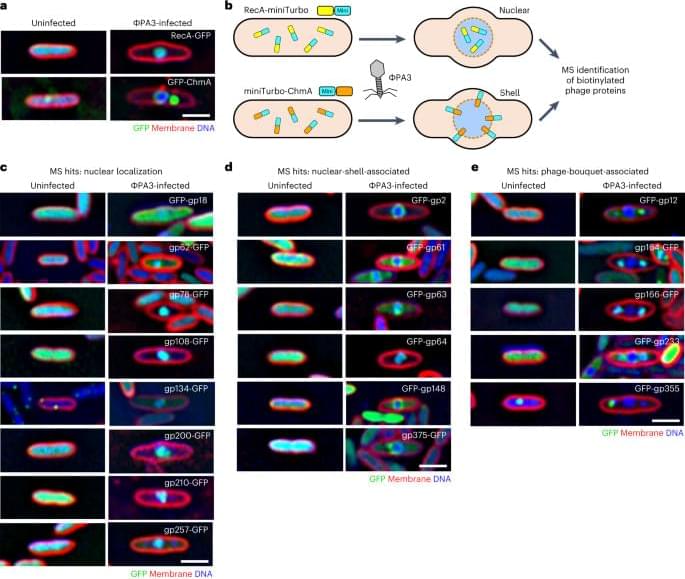
Shape-Shifting Antibiotics — A New Weapon Against Drug-Resistant Superbugs

Antibiotic resistance is a major public health threat, ranked as one of the top 10 by the World Health Organization. Every year, in the United States alone, nearly 3 million people are infected by drug-resistant bacteria and fungi, resulting in the death of around 35,000. While antibiotics are crucial in treating infections, overuse has led to the development of antibiotic-resistant strains of bacteria. These infections pose a significant challenge to treatment.

Now, Professor John E. Moses of Cold Spring Harbor Laboratory (CSHL) has developed a new weapon to combat drug-resistant superbugs – an innovative antibiotic that has the ability to shape-shift by rearranging its atoms.

Moses came up with the idea of shape-shifting antibiotics while observing tanks in military training exercises. With rotating turrets and nimble movements, the tanks could respond quickly to possible threats.

The Looming Marburg Crisis: How Virus Outbreaks Escalate and Spread

The World Health Organization confirmed an outbreak of the deadly Marburg virus disease in the central African country of Equatorial Guinea on February 13, 2023. To date, there have been 11 deaths suspected to be caused by the virus, with one case confirmed. Authorities are currently monitoring 48 contacts, four of whom have developed symptoms and three of whom are hospitalized as of publication. The WHO and the U.S. Centers for Disease Control and Prevention are assisting Equatorial Guinea in its efforts to stop the spread of the outbreak.

Marburg virus and the closely related Ebola virus belong to the filovirus family and are structurally similar. Both viruses cause severe disease and death in people, with fatality rates ranging from 22% to 90% depending on the outbreak. Patients infected by these viruses exhibit a wide range of similar symptoms, including fever, body aches, severe gastrointestinal symptoms like diarrhea and vomiting, lethargy and sometimes bleeding.

We are virologists who study Marburg, Ebola, and related viruses. Our laboratory has a long-standing interest in researching the underlying mechanisms of how these viruses cause disease in people. Learning more about how Marburg virus is transmitted from animals to humans and how it spreads between people is essential to preventing and limiting future outbreaks.

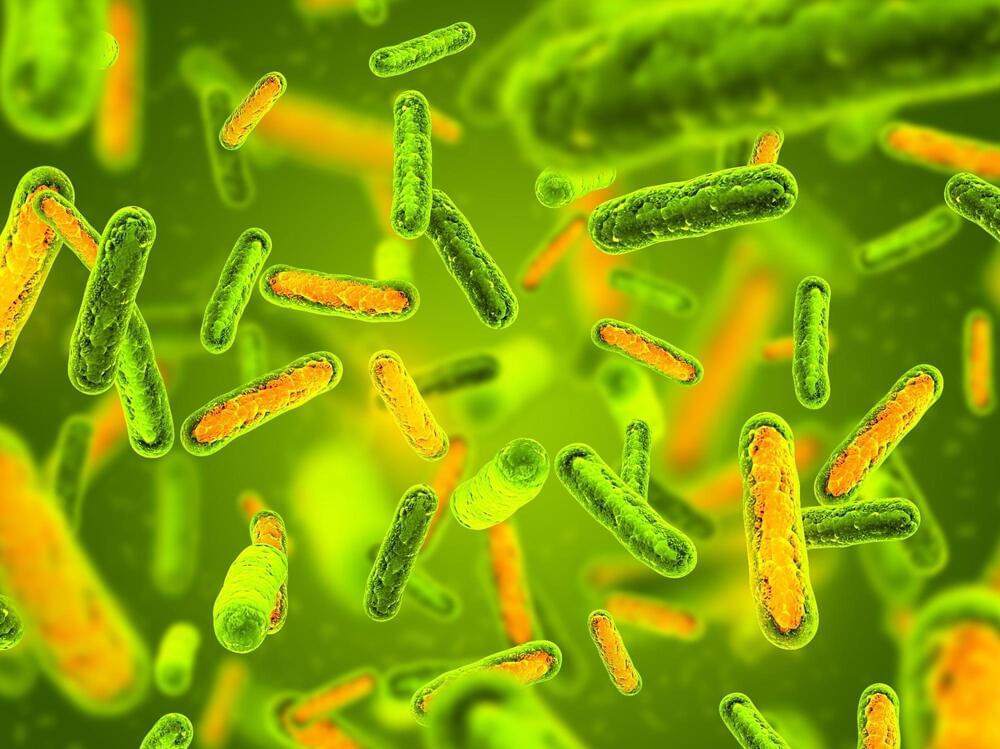
Study finds evidence of no common blood microbes in healthy humans

There is no stable microbial community residing in the bloodstream of healthy humans, according to a new study led by a UCL researcher.

The new Nature Microbiology paper makes an important confirmation as are a crucial part of medical practice. Understanding what types of microbes may be found in blood may allow the development of better microbial tests in blood donations, which would minimize the risk of transfusion-related infections.

Lead author, Ph.D. student Cedric Tan (UCL Genetics Institute and Francis Crick Institute) said, Human blood is generally considered sterile. While sometimes microorganisms will enter the bloodstream such as via a wound or after tooth-brushing, mostly this is quickly resolved by the immune system.

Danger or pleasure? How we learn to tell the difference

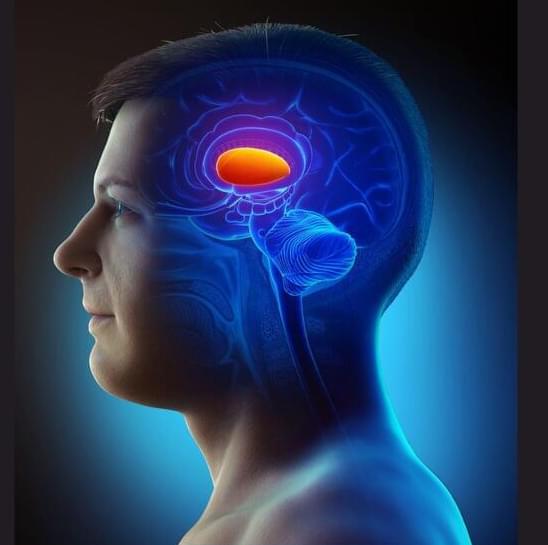
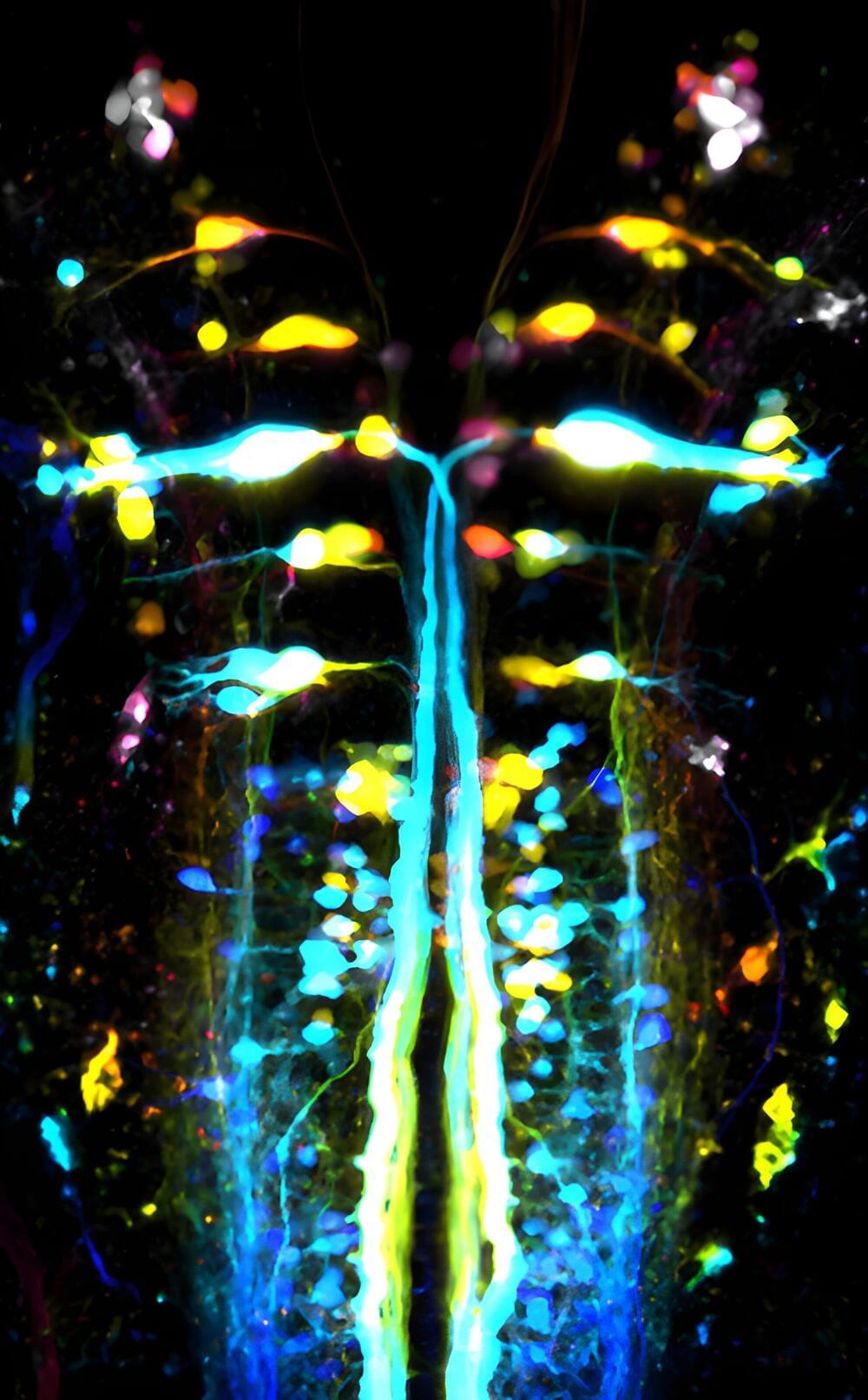
Deep within our brain’s temporal lobes, two almond-shaped cell masses help keep us alive. This tiny region, called the amygdala, assists with a variety of brain activities. It helps us learn and remember. It triggers our fight-or-flight response. It even promotes the release of a feel-good chemical called dopamine.

Scientists have learned all this by studying the amygdala over hundreds of years. But we still haven’t reached a full understanding of how these processes work.

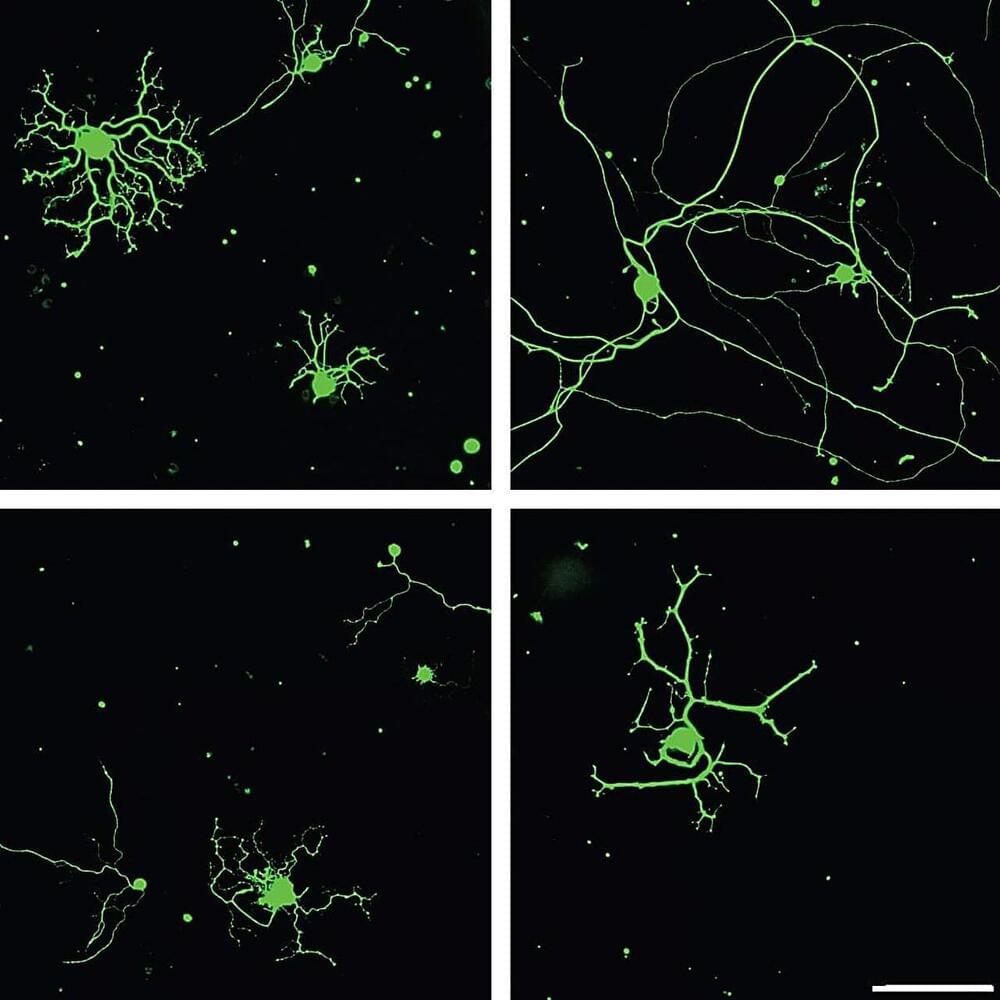
Now, Cold Spring Harbor Laboratory neuroscientist Bo Li has brought us several important steps closer. His lab recently made a series of discoveries that show how called somatostatin-expressing (Sst+) central amygdala (CeA) neurons help us learn about threats and rewards. He also demonstrated how these neurons relate to dopamine. The discoveries could lead to future treatments for anxiety or .

Generative AI’s future in enterprise could be smaller, more focused language models

The amazing.

But maybe the future of these models is more focused than the boil-the-ocean approach we’ve seen from OpenAI and others, who want to be able to answer every question under the sun.


The amazing abilities of OpenAI’s ChatGPT wouldn’t be possible without large language models. These models are trained on billions, sometimes trillions of examples of text. The idea behind ChatGPT is to understand language so well, it can anticipate what word plausibly comes next in a split second. That takes a ton of training, compute resources and developer savvy to make happen.

In the AI-driven future, each company’s own data could be its most valuable asset. If you’re an insurance company, you have a completely different lexicon than a hospital, automotive company or a law firm, and when you combine that with your customer data and the full body of content across the organization, you have a language model. While perhaps it’s not large, as in the truly large language model sense, it would be just the model you need, a model created for one and not for the masses.

/* */