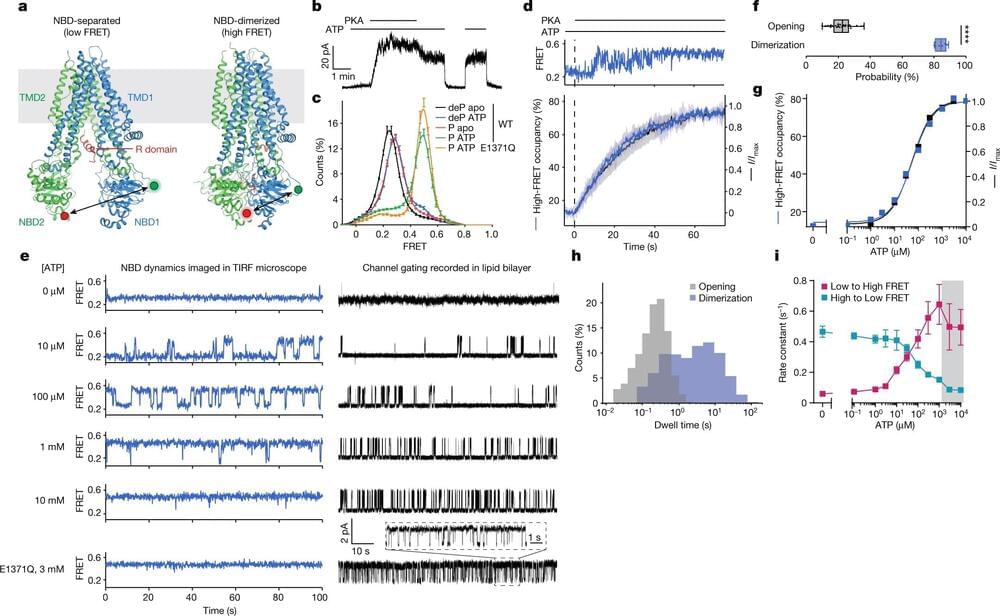
Scientists at St. Jude Children’s Research Hospital and Rockefeller University have combined their expertise to gain a better understanding of the cystic fibrosis transmembrane conductance regulator (CFTR). Mutations in CFTR cause cystic fibrosis, a fatal disease with no cure.
Current therapies using a drug called a potentiator can enhance CFTR functions in some patients; but how the potentiators work is not well understood. The new findings reveal how CFTR functions mechanistically and how disease mutations and potentiators affect those functions. With this information, researchers may be able to design more effective therapies for cystic fibrosis. The study was published today in Nature.
Cystic fibrosis is a genetic disorder that causes people to produce mucus that is too thick and sticky. This can block airways and lead to lung damage as well as cause problems with digestion. The disease affects about 35,000 people in the United States. CFTR is an anion channel, a passageway that maintains the right balance of salts and fluid across epithelial and other membranes. Mutations in CFTR are what cause cystic fibrosis, but these mutations can affect CFTR function differently. Therefore, some drugs used to treat the disease can only partially restore function of specific mutant forms of CFTR.
The journal Nature published a groundbreaking new study by world-renowned Stanford neuroscientist Sergiu Pasca involving the transfer of human brain organoids into the brains of rats. Insoo Hyun, Director of the Center for Life Sciences and Public Learning at the Museum of Science, speaks candidly with Dr. Pasca about his research. Why did he do it? How might this uncover the mysteries of psychiatric disorders? And the Big Question we are all wondering about – can these rats ever develop “human-like” consciousness? Together they demystify the science.
00:33 Dr. Sergiu Pasca’s Romanian roots. 00:55 Why is Dr. Pasca’s work important for Psychiatry? 04:14 Dr. Pasca’s work with human brain organoids. 06:14 Challenges with using animal brains when trying to unlock mysteries of human psychiatric disorders. 07:13 Reason for Dr. Pasca’s latest research transplanting human brain organoids into rat brains. 08:47 How the human brain organoid transplantation into a rat brain is accomplished. 10:19 What Dr. Pasca learned from his experiment and its importance. 12:02 Brain cells’ amazing ability to take over and organize themselves in appropriate environments. 13:03 Will animals with human brain organoids in their brain develop human-like consciousness? 17:30 Will manipulating human neurons in a rat change the behavior of the rat? 19:43 Application of rat experiment findings for human patients. 22:07 The ethics and regulation of using animals in scientific research. 25:25 Why context matters in research of transplanting human brain organoids into rat brains and the challenge of people backfilling science they might not understand with mythology and science fiction. 32:28 Dr. Pasca’s inspiration to work so hard to unlock the mysteries of psychiatric disorders.
“The Big Question” is a production of the Museum of Science, Boston.
Among the world’s largest science centers, the Museum of Science engages millions of people each year to the wonders of science and technology through interactive exhibitions, digital programs, giant screen productions, and preK – 8 EiE® STEM curricula through the William and Charlotte Bloomberg Science Education Center. Established in 1,830, the Museum is home to such iconic experiences as the Theater of Electricity, the Charles Hayden Planetarium, and the Mugar Omni Theater. Around the world, the Museum is known for digital experiences such as Mission: Mars launching in 2022 on Roblox, and traveling exhibitions such as the Science Behind Pixar.
You may already know that it’s important to wash your hands, wear a face mask and avoid sick people while neutropenic.
But is there anything else you should — or should not — be doing to avoid infections when you’re immunocompromised by a low white blood cell count during or after cancer treatment?
We spoke with internal medicine expert Carmen Escalante, M.D., for insight. Here are five precautions she shares with immunocompromised patients and their caregivers.
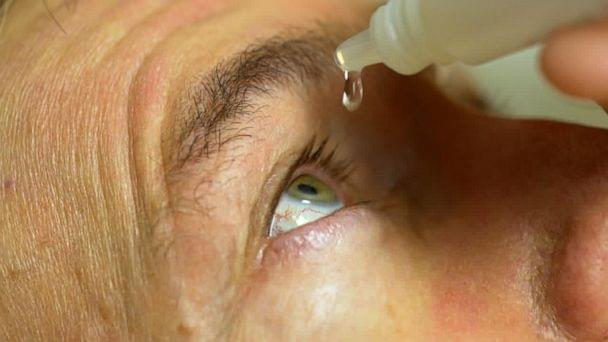
A Florida woman is suing an eye drop manufacture claiming that its product — which has been linked to a deadly bacteria outbreak — made her legally blind.
Sixty-eight-year-old Clara Elvira Oliva is taking legal action against Global Pharma Healthcare after suffering such a severe infection from using its EzriCare Artificial Tears that she had to have her eye removed, according to court documents.
Oliva’s right eye was removed and replaced with a plastic implant in September 2022 to control a “severe antibiotic resistant infection,” according to the lawsuit filed earlier this month in Federal court in Miami, Florida.
Your circadian rhythm doesn’t just govern your sleeping schedule; it can also impact cancer development, diagnosis, and treatment. In a review paper published in the journal Trends in Cell Biology, researchers discuss the role of circadian rhythms in tumor progression and spread and describe how we could better time when patients are tested for cancer and when they receive therapies to improve diagnostic accuracy and improve treatment success.
“The circadian rhythm governs most of the cellular functions implicated in cancer progression, and therefore its exploitation opens new promising directions in the fight against metastasis,” write the authors, molecular oncologists Zoi Diamantopoulou, Ana Gvozdenovic, and Nicola Aceto from the ETH Zurich in Switzerland.
Our circadian rhythms help our bodies synchronize different tasks throughout the day, including gene expression, immune function, and cell repair. We’ve long known that chronically disrupted circadian rhythms—as a result of erratic sleep patterns, jet lag, or shift work, for example—can predispose us to a number of health issues, including cancer. More recent work has shown that circadian rhythms are not only involved in tumor onset, but also govern cancer progression and metastasis, the colonization of secondary sites within the body.
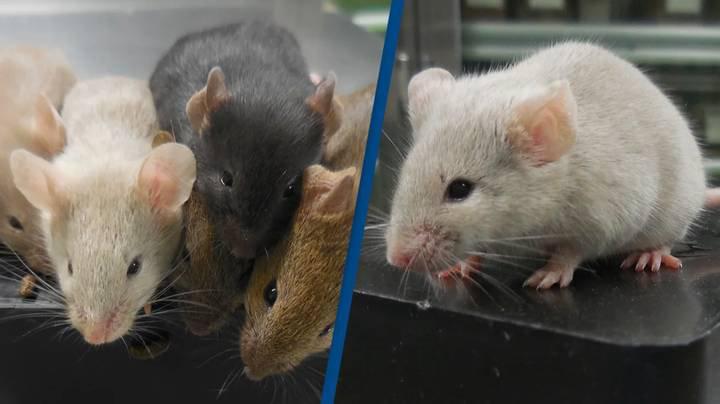
It’s pretty well known that usually two sexes have to be involved for reproduction, but a team of scientists in Japan might have just blown that assumption out of the water. Led by Katsuhiko Hayashi, a professor of genome biology at Osaka University in Japan, the team have been able to create mice with parents who are both biologically male.
• Improves glucose metabolism by reducing levels of blood glucose.
• Increases gastrointestinal mannitol production through the consumption of glucose and fructose. Mannitol is an osmoprotectant and prevents the aggregation of harmful proteins.