Recently is has become known that one should not take Metformin unless you have diabetes. But a combo test of Rapamycin and Metformin showed each removed each others side effects. So here we have another combo test showing the effect on stem cells in the gut.
In a new study published in Aging Cell, researchers have shown that two promising anti-aging agents, the antibiotic rapamycin and the anti-diabetic drug metformin, reverse aging in a population of intestinal stem cells [1].
Older people are more prone to gastrointestinal problems [2]. Moreover, aging is a major risk factor for various cancers, including colorectal cancer. Therefore, it is necessary to develop therapeutic approaches to rejuvenate the aging intestine.
The function and structure of the intestinal epithelium, a single cell layer that lines the small intestine and colon, is maintained by the residing stem cells. Intestinal stem cells continuously divide to generate several types of progenitor cells.
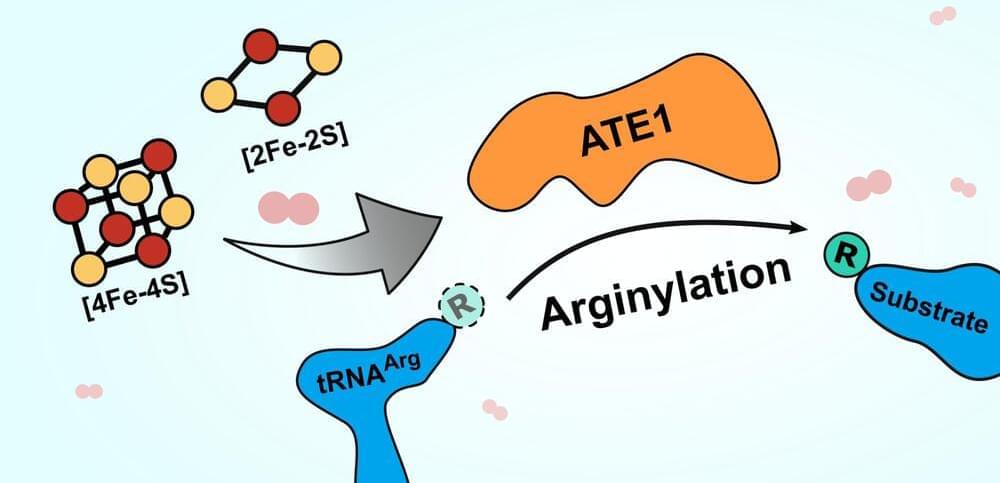
A new paper in Nature Communications illuminates how a previously poorly understood enzyme works in the cell. Many diseases are tied to chronic cellular stress, and UMBC’s Aaron T. Smith and colleagues discovered that this enzyme plays an important role in the cellular stress response. Better understanding how this enzyme functions and is controlled could lead to the discovery of new therapeutic targets for these diseases.
The enzyme is named ATE1, and it belongs to a family of enzymes called arginyl-tRNA transferases. These enzymes add arginine (an amino acid) to proteins, which often flags the proteins for destruction in the cell. Destroying proteins that are misfolded, often as a result of cellular stress, is important to prevent those proteins from wreaking havoc with cellular function. An accumulation of malfunctioning proteins can cause serious problems in the body, leading to diseases like Alzheimer’s or cancer, so being able to get rid of these proteins efficiently is key to long-term health.
The new paper demonstrates that ATE1 binds to clusters of iron and sulfur ions, and that the enzyme’s activity increases two-to three-fold when it is bound to one of these iron-sulfur clusters. What’s more, when the researchers blocked cells’ ability to produce the clusters, ATE1 activity decreased dramatically. They also found that ATE1 is highly sensitive to oxygen, which they believe relates to its role in moderating the cell’s stress response through a process known as oxidative stress.
The quest for longevity has always been with us. Ever since the ancient kings of old we have been trying everything we can think of in order to stave off death and disease, with most of our efforts unfortunately baring little fruit. However, as it turns out, the power to reverse the aging process has been nestled within us this whole time. Not in the metaphorical sense, but rather in the quite literal sense. For you see, we have been reversing the aging process every single time we have reproduced.
Have you ever wondered how it is that regardless of how old the parents of a child are, the child is never born ‘pre-aged?’. This seems like a ridiculous question, but if the genetic material that came from the parents (especially from the father) has already undergone the aging process, then how is it that ‘genetic aging’ is not passed onto the child? If such a process were to occur, then it would obviously spell doom for our entire species, as we would eventually accumulate age with each subsequent generation and we would very quickly perish. Yet, this obviously does not happen. So the question was asked, why is this?
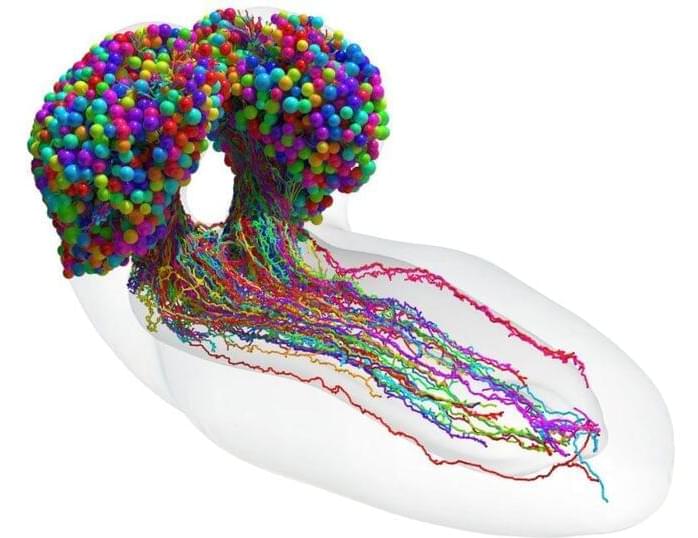
The future of computing includes biology says an international team of scientists.
The time has come to create a new kind of computer, say researchers from John Hopkins University together with Dr. Brett Kagan, chief scientist at Cortical Labs in Melbourne, who recently led development of the DishBrain project, in which human cells in a petri dish learned to play Pong.
In an article published on February 27 in the journal Frontiers in Science, the team outlines how biological computers could surpass today’s electronic computers for certain applications while using a small fraction of the electricity required by today’s computers and server farms.
A pilot trial by investigators from Brigham and Women’s Hospital, a founding member of the Mass General Brigham health care system, tested the nasal administration of the drug Foralumab, an anti-CD3 monoclonal antibody. Investigators found evidence that the drug dampened the inflammatory T cell response and decreased lung inflammation in patients with COVID-19. Further analysis showed the same gene expression modulation in patients with multiple sclerosis, who experienced decreased brain inflammation, suggesting that Foralumab could be used to treat other diseases. Their results are published in the Proceedings of the National Academy of Sciences.
“We discovered a way to shut down inflammation not only seen in COVID-19, but also in a patient with multiple sclerosis as well as in healthy patients,” said lead author Thais Moreira, Ph.D., an assistant scientist at the Ann Romney Center for Neurologic Diseases at BWH and an instructor in Neurology at Harvard Medical School. “This is very exciting because not only does our study suggest that this new monoclonal antibody drug is safe and can modulate the immune system without major side effects, but it can also decrease inflammation in multiple realms, so it may be useful for treating other diseases.”
“Inflammation is a major cause of many diseases,” said senior author Howard Weiner, MD, founder and director of the Brigham Multiple Sclerosis Center and co-director of the Ann Romney Center for Neurologic Diseases. “Our center has spent decades looking for novel ways to treat disease where there is abnormal inflammation in a way that is safe and effective.”
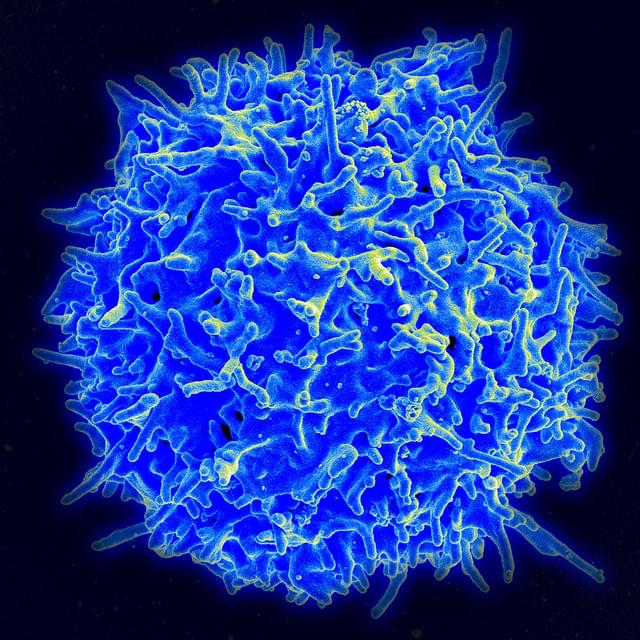
For the first time, a research team has identified and analyzed the steps by which immune cells “see” and respond to cancer cells, providing insights into reasons some treatments may be effective for certain patients but not others.
The UCLA Jonsson Comprehensive Cancer Center scientists leading the research believe their findings will lead to better, more personalized immunotherapies—even for patients whose immune systems currently do not appear to respond to treatment.
“This is an important step forward in our understanding of what the T-cell responses see in the tumor and how they change over time while they are in the tumor and in circulation in the blood, searching for new tumor cells to attack,” said Cristina Puig-Saus, Ph.D., a UCLA Jonsson Comprehensive Cancer Center researcher, adjunct assistant professor of medicine at UCLA, and the first author of a study in Nature.
In episode 13 of the Quantum Consciousness series, Justin Riddle discusses how microtubules are the most likely candidate to be a universal quantum computer that acts as a single executive unit in cells. First off, computer scientists are trying to model human behavior using neural networks that treat individual neurons as the base unit. But unicellular organisms are able to do many of the things that we consider to be human behavior! How does a single-cell lifeform perform this complex behavior? As Stuart Hameroff puts it, “neuron doctrine is an insult to neurons,” referring to the complexity of a single cell. Let’s look inside a cell, what makes it tick? Many think the DNA holds some secret code or algorithm that is executing the decision-making process of the cell. However, the microscope reveals a different story where the microtubules are performing a vast array of complex behaviors: swimming towards food, away from predators, coordinating protein delivery and creation within the cell. This begs the question: how do microtubules work? Well, they are single proteins organized into helical cylinders. What is going on here? Typically, we think of a protein’s function as being determined by its structure but the function of a single protein repeated into tubes is tough to unravel. Stuart Hameroff proposed that perhaps these tubulin proteins are acting as bits of information and the whole tube is working as a universal computer that can be programmed to fit any situation. Given the limitations of digital computation, Roger Penrose was looking for a quantum computer in biology and Stuart Hameroff was looking for more than a digital computation explanation. Hence, the Hameroff-Penrose model of microtubules as quantum computers was born. If microtubules are quantum computers, then each cell would possess a central executive hub for rapidly integrating information from across the cell and to turn that information into a single action plan that could be quickly disseminated. Furthermore, the computation would get a “quantum” speed-up in that exponentially large search spaces could be tackled in a reasonable timeframe. If microtubules are indeed quantum computers, then modern science has greatly underestimated the processing power of a single cell, let alone the entire human brain.
~~~ Timestamps ~~~ 0:00 Introduction. 3:08 “Neuron doctrine is an insult to neurons” 8:23 DNA vs Microtubules. 14:20 Diffusion vs Central Hub. 17:50 Microtubules as Universal Computers. 23:40 Penrose’s Quantum Computation update. 29:48 Quantum search in a cell. 33:25 Stable microtubules in neurons. 35:18 Finding the self in biology.
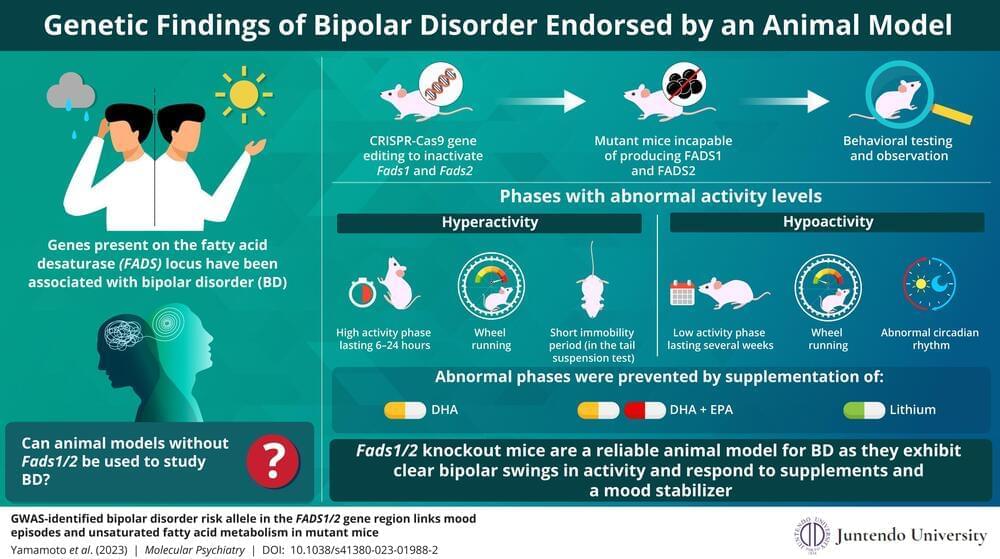
Bipolar disorder (BD) is a debilitating condition characterized by alternating states of depression (known as depressive episodes) and abnormal excitement or irritability (known as manic episodes). Large-scale genome-wide association studies (GWASs) have revealed that variations in the genes present on the fatty acid desaturase (FADS) locus are linked to an increased risk of BD.
Enzymes coded by FADS genes—FADS1 and FADS2—convert or “biosynthesize” omega-3 fatty acids into the different forms required by the human body. Omega-3 fatty acids like eicosapentaenoic acid (EPA) and docosahexaenoic acid (DHA) are crucial for the brain to function, and a reduction in the synthesizing activity of these molecules seems to increase susceptibility to bipolar mood swings.
Research on most diseases involves establishment of an animal model of the disease. So, keeping this knowledge in mind, a team of researchers including Dr. Takaoki Kasahara and Hirona Yamamoto from RIKEN Brain Science Institute and Dr. Tadafumi Kato from Juntendo University in Japan, used CRISPR-Cas9 gene editing to create mutant mice that lack both Fads1 and Fads2 genes.