Toggle light / dark theme

Next gen cancer drug shows surprising anti aging power

The study unexpectedly identified a significant role for a group of enzymes known as agmatinases, which convert the metabolite agmatine into polyamines. These enzymes appear to participate in a previously unrecognized “metabolic feedback loop” that helps maintain balanced TOR activity. When agmatinase activity was disrupted, yeast cells grew more quickly but showed signs of premature aging, revealing a trade-off between rapid growth and long-term cell survival.

The team also found that adding agmatine or putrescine (a related compound) supported longevity in yeast and improved growth under specific conditions.

“By showing that agmatinases are essential for healthy aging, we’ve uncovered a new layer of metabolic control over TOR — one that may be conserved in humans,” said Dr. Rallis. “Because agmatine is produced by diet and gut microbes, this work may help explain how nutrition and the microbiome influence aging.”

Cannabis Survey Shows Rising CBD Use in Pets

“The long-term use of CBD is associated with less intense aggressive behaviors in dogs.”


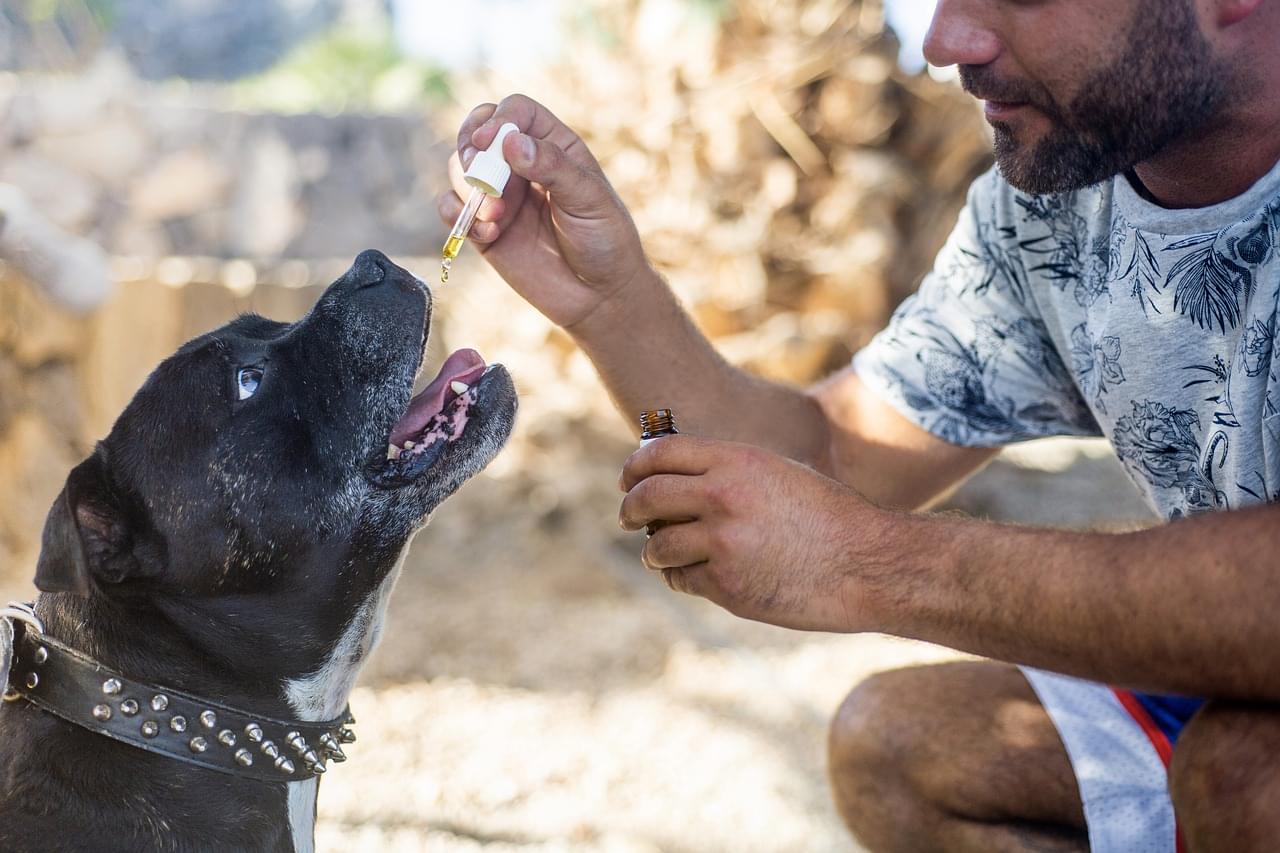
Can cannabidiol (CBD) help dogs in the same way it helps humans? This is what a recent study published in Frontiers in Veterinary Science hopes to address as a team of scientists investigated the benefits of incorporating CBD products into dog products. This study has the potential to help scientists, legislators, and the public better understand the health benefits of CBD for both humans and animals.

For the study, the researchers analyzed data obtained from the Dog Aging Project (DAP), which is an organization designed to gain insight into dog aging, lifestyle, diet, and environmental factors. Surveys were conducted from 47,444 dog owners between December 2019 and December 2023, with the first surveys being s baseline regarding a dog’s overall health status, while the second survey was used to ascertain the amount of CBD or hemp the owners fed their dogs while also assessing changes in behavior and/or health.

In the end, the researchers found that healthy dogs were less likely to use CBD, whereas dogs with limiting health conditions like dementia, epilepsy, or cancer were more likely to use CBD. Additionally, CBD-use dogs were found to exhibit less aggressive behavior compared to non-use dogs. Finally, the team found that states where CBD was legal had higher rates of dogs using CBD.

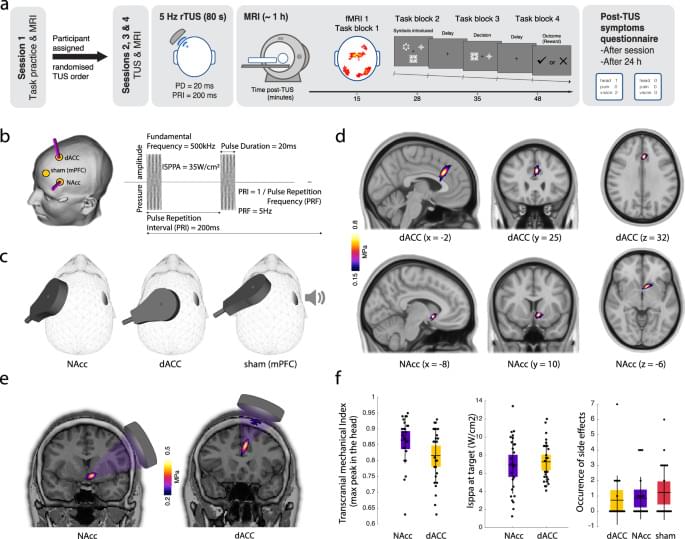
Non-invasive ultrasonic neuromodulation of the human nucleus accumbens impacts reward sensitivity

This study shows that non-invasive ultrasound to the human nucleus accumbens can modulate deep brain activity and enhance reward-guided learning, offering a potential alternative to invasive neuromodulation therapies.

Certain immune cell subtypes drive lupus, study finds

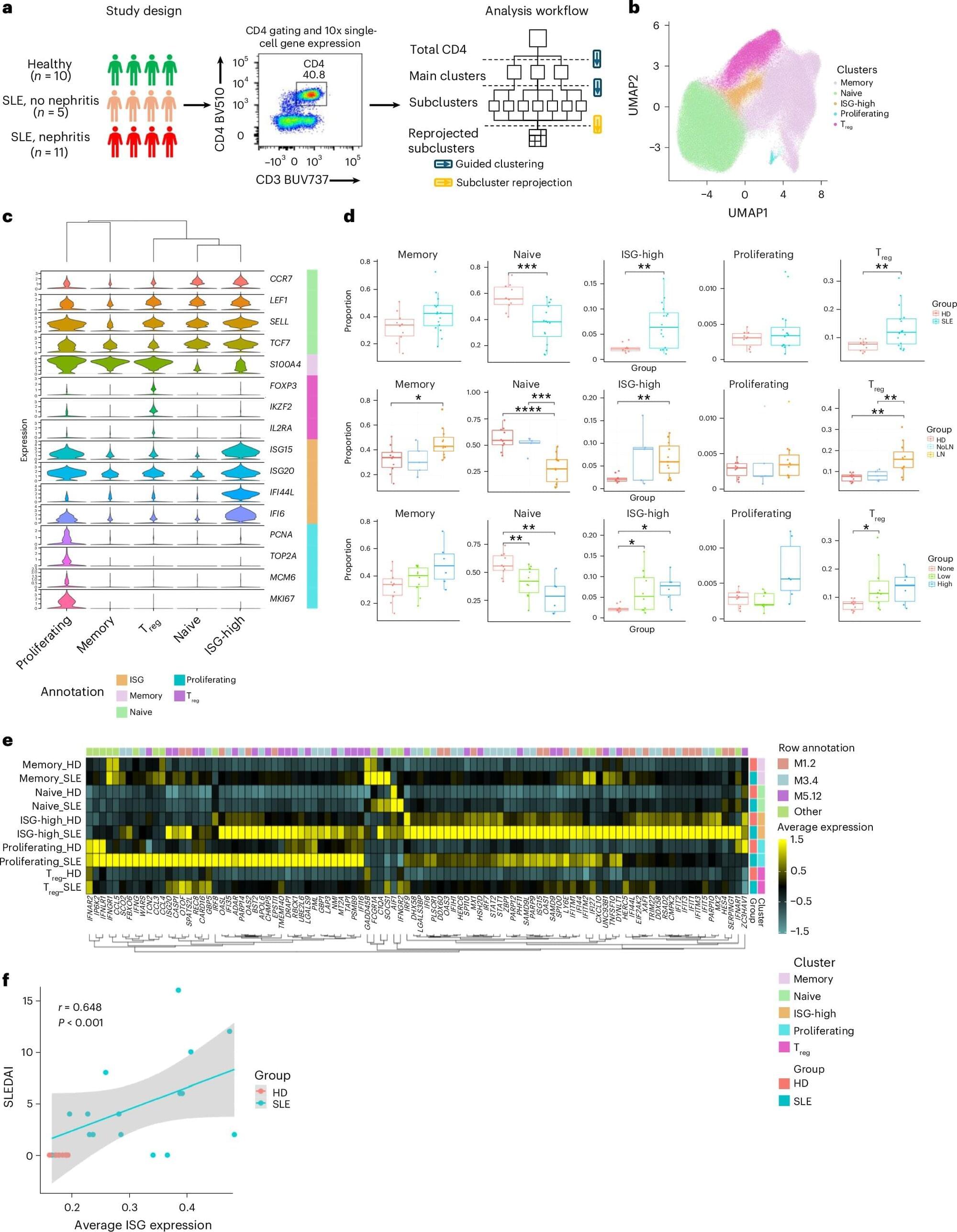
Detailed mapping of CD4⁺ T cells from children with systemic lupus erythematosus (SLE) has revealed distinct immune cell subsets with likely roles in disease pathogenesis, according to a study led by Weill Cornell Medicine investigators. The findings are poised to redirect lupus research and open the door to more precise therapies that avoid broad immune suppression.

Published in Nature Immunology, the study used single-cell RNA sequencing to profile CD4⁺ T-cell subtypes from children with SLE and healthy controls. Although CD4⁺ T cells have long been implicated in lupus, their full diversity and the identity of disease-driving subsets had not been fully defined. The authors note that the results likely apply not only to pediatric lupus but also to adult disease.

“Modulation of a particular CD4⁺ T-cell subset called Th10 might be a good strategy for treating patients with lupus, and we are following up with that goal in mind,” said study co–senior author Dr. Virginia Pascual, the Ronay Menschel Professor of Pediatrics and Gale and Ira Drukier Director of Children’s Health Research at Weill Cornell Medicine.

AI model to detect skin cancer

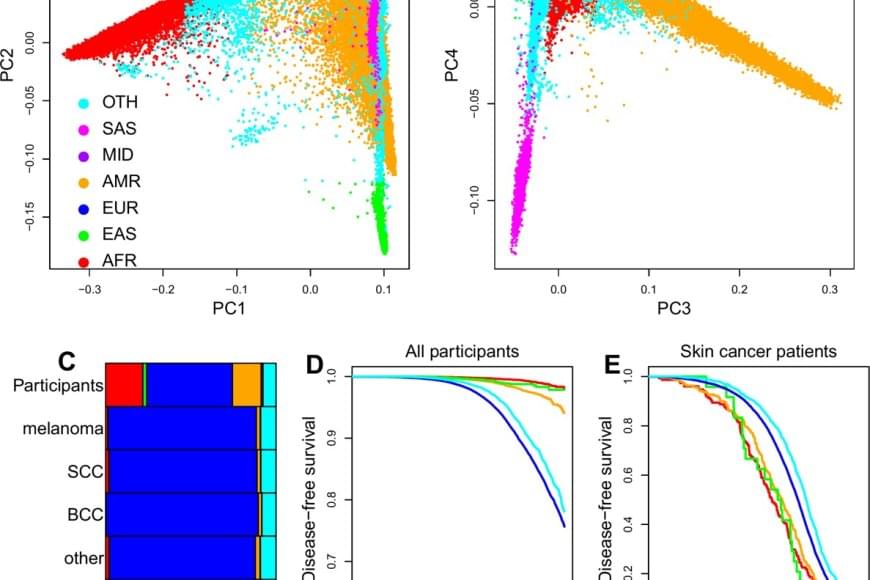
Key findings from the study include:


Researchers have developed a new approach for identifying individuals with skin cancer that combines genetic ancestry, lifestyle and social determinants of health using a machine learning model. Their model, more accurate than existing approaches, also helped the researchers better characterize disparities in skin cancer risk and outcomes.

Skin cancer is among the most common cancers in the United States, with more than 9,500 new cases diagnosed every day and approximately two deaths from skin cancer occurring every hour. One important component of reducing the burden of skin cancer is risk prediction, which utilizes technology and patient information to help doctors decide which individuals should be prioritized for cancer screening.

Traditional risk prediction tools, such as risk calculators based on family history, skin type and sun exposure, have historically performed best in people of European ancestry because they are more represented in the data used to develop these models. This leaves significant gaps in early detection for other populations, particularly those with darker skin, who are less likely to be of European ancestry. As a result, skin cancer in people of non-European ancestry is frequently diagnosed at later stages when it is more difficult to treat. As a consequence of later stage detection, people of non-European ancestry also tend to have worse overall outcomes from skin cancer.

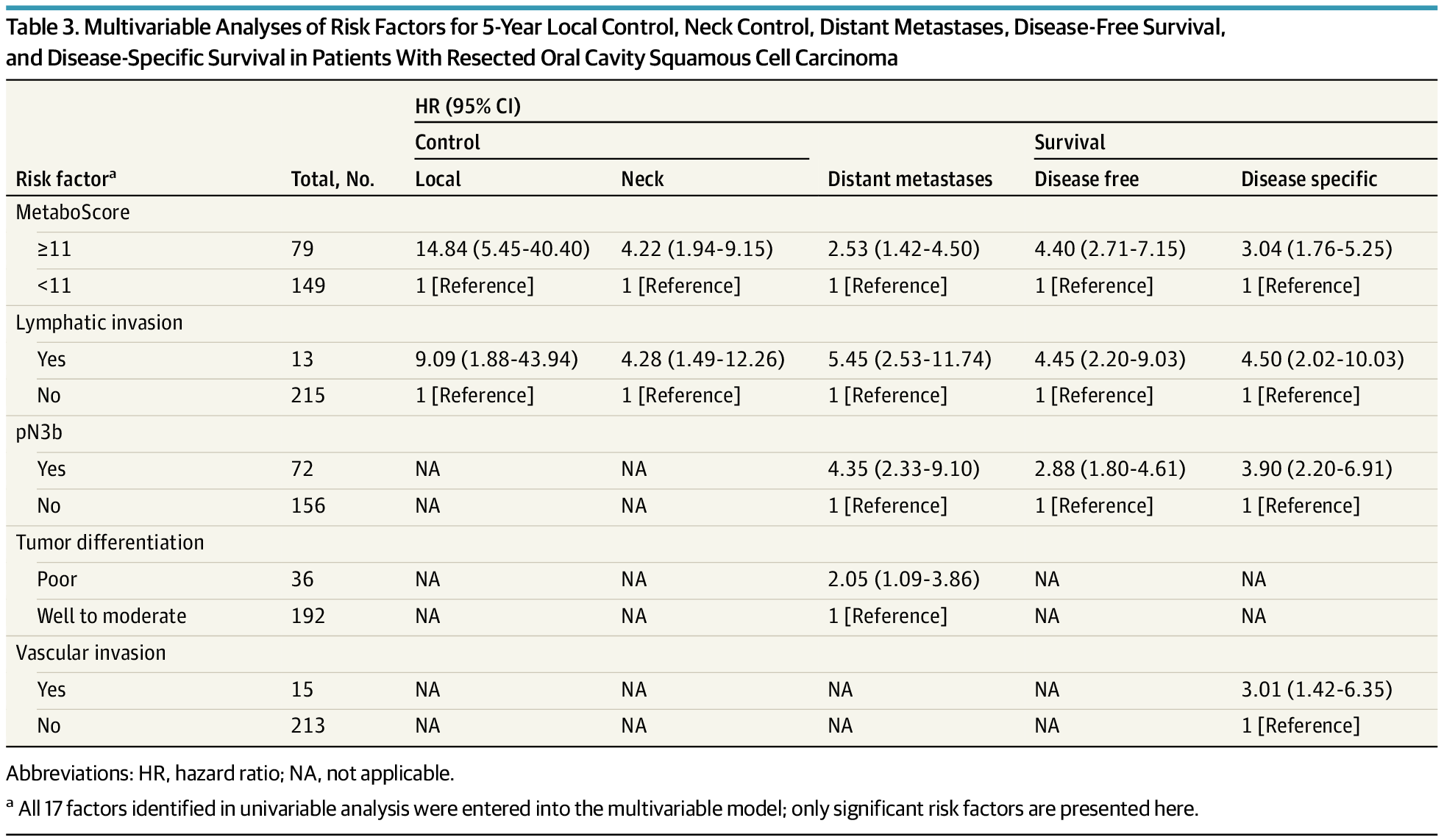
Serum Metabolomics for Prognostic Stratification in Resected Advanced-Stage Oral Cavity Cancer

A cohort study developed and validated a serum metabolite-based prognostic scoring system (MetaboScore) to predict recurrence risk in oral cavity squamous cell carcinoma (OCSCC) among patients with resected, advanced-stage disease and high betel quid exposure.

The MetaboScore, comprising 19 metabolites, was independently associated with increased risk of local, regional, and distant recurrence, as well as lower disease-free and disease-specific survival, beyond conventional staging.


Importance Improved methods are needed to predict recurrence in oral cavity squamous cell carcinoma (OCSCC). However, to date, no metabolome studies have fully explored the prediction of OCSCC relapse patterns and survival.

Objective To identify serum metabolites associated with OCSCC recurrence and develop and validate a prognostic scoring system.

Design, Setting, and Participants This retrospective cohort study was conducted at a single tertiary academic center and enrolled patients with histologically confirmed, surgically resected first primary advanced-stage OCSCC from betel quid–chewing areas. Patients underwent primary surgery between February 2007 and May 2018, with follow-up data systematically collected through a prospectively maintained institutional registry. Data were analyzed from December 2024 to September 2025.

Semaglutide and Exercise Function in Obesity-Related HFpEF: Insights From the STEP-HFpEF Program

Real-time MRI-guided ventricular ablation was demonstrated as a technically feasible and safe approach, providing precise cardiac visualization without radiation.


This case report demonstrates the technical feasibility and safety of the first-in-human real-time magnetic resonance (MR)–guided radiofrequency ventricular ablation procedure for outflow tract premature ventricular complexes.

New method offers broader and faster detection of protein-ligand interactions

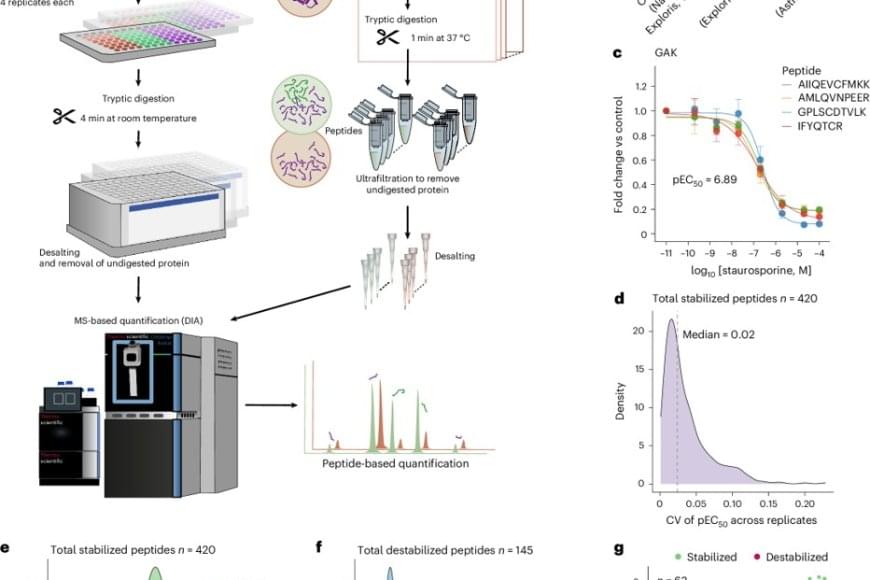
Long-known as the ‘workhorses of the cell,’ proteins are responsible for powering nearly every function in the body. Often critical to this is their interactions with other small molecules known as ligands. In a new study published in Nature Structural and Molecular Biology, the researchers introduce HT-PELSA, a high-throughput adaptation of an earlier tool that detects these interactions. This new tool can process samples at an unprecedented scale, a breakthrough that promises to accelerate drug discovery and our understanding of fundamental biological processes.

Still a fairly new tool itself, the original PELSA (peptide-centric local stability assay) method, launched last year by researchers identifies protein-ligand interactions by tracking how ligand binding affects protein stability. When a ligand binds to a protein, that part of the protein becomes more stable and less prone to the effects of enzymes like trypsin, which cuts proteins into smaller peptide fragments.

What made PELSA especially noteworthy was its ability to detect peptide-level changes in stability across the entire proteome – that is, across all of the proteins in an organism. Although effective, nearly every step in the PELSA workflow is done by hand, meaning scientists can only process a few samples at a time. This not only requires a lot of time and effort but also increases the risk of contamination and accidental error.

HT-PELSA streamlines this process significantly by shifting from full-size tubes to micro-wells. Such a change enables automation of PELSA’s steps and allows researchers to analyse hundreds of samples in parallel while maintaining the same sensitivity and reproducibility.

“Before, I could only do at most, maybe 30 samples per day,” said the first author of the study. “Now, with HT-PELSA, we can scan 400 samples per day – it has highly simplified the workflow”

While in PELSA, trypsin-cleaved peptides are separated from whole proteins based on their mass, HT-PELSA leverages the water-repellant nature of proteins. It utilises a surface that proteins stick to more readily than peptides, thus allowing the scientists to separate the two. This not only further automates the process, but also enables the detection of membrane proteins that, up until now, were hard or even impossible to study.

/* */