Toggle light / dark theme

Plasma Dilution Appears to Rejuvenate Humans

The trial was only on 8 people, but it appears to have worked well across the board.


Published in GeroScience, a groundbreaking study from the renowned Conboy lab has confirmed that plasma dilution leads to systemic rejuvenation against multiple proteomic aspects of aging in human beings.

This paper takes the view that much of aging is driven by systemic molecular excess. Signaling molecules, antibodies, and toxins, which gradually accumulate out of control, cause cells to exhibit the gene expression that characterizes older cells.

While the bloodstreams of old and young mice have been joined in previous experiments with substantial effects [1], this heterochronic parabiosis approach is neither feasible nor necessary for human beings. Instead, this paper focuses on therapeutic plasma exchange (TPE), a procedure that simply replaces blood plasma with saline solution and albumin. This procedure has already been used to dilute pathogenic, toxic compounds [2], the systemic problems associated with autoimmune and neurological disorders, including Alzheimer’s [3], and even the lingering aftereffects of viral infection [4].

Topological Neuron Synthesis

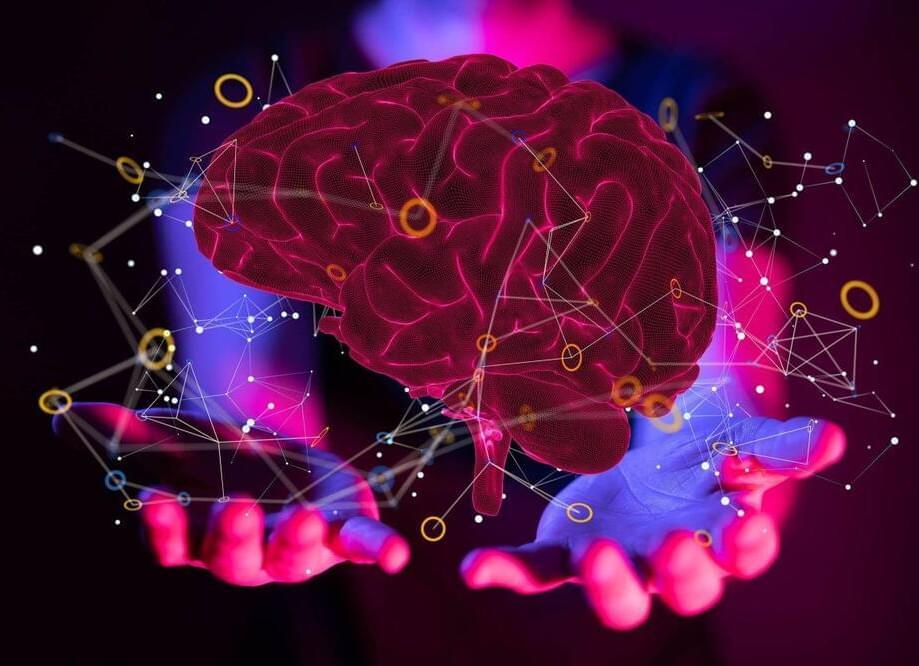
In a study published in Cell Reports, we present a novel algorithm for the digital generation of neuronal morphologies, based on the topology of their branching structure. This algorithm generates neurons that are statistically similar to the biological neurons, in terms of morphological properties, electrical responses and the connectivity of the networks they form.

This study represents a major milestone for the Blue Brain Project and for the future of computational neuroscience. The topological neuron synthesis enables the generation of millions of unique neuronal shapes from different cell types. This process will allow us to reconstruct brain regions with detailed and unique neuronal morphologies at each cell position.

The topological representation of neurons facilitates the generation of neurons that approximate morphologies that are structurally altered compared to healthy neuronal morphologies. These structural alterations of neurons are disrupting the brain systems and are contributing factors to brain diseases. The topological synthesis can be used to study the differences between healthy and diseased states of different brain regions and specifically, what structural alterations of neurons are causing important problems to the networks they form.

Boosting Neuron Formation To Restore Memory in Alzheimer’s Disease

Scientists have discovered that increasing the production of new neurons in mice with Alzheimer’s.

Alzheimer’s disease is a disease that attacks the brain, causing a decline in mental ability that worsens over time. It is the most common form of dementia and accounts for 60 to 80 percent of dementia cases. There is no current cure for Alzheimer’s disease, but there are medications that can help ease the symptoms.

UBC team developing oral insulin tablet sees breakthrough results

A team of University of British Columbia researchers working on developing oral insulin tablets as a replacement for daily insulin injections have made a game-changing discovery.

Researchers have discovered that insulin from the latest version of their oral tablets is absorbed by rats in the same way that injected insulin is.

“These exciting results show that we are on the right track in developing an insulin formulation that will no longer need to be injected before every meal, improving the quality of life, as well as mental health, of more than nine million Type 1 diabetics around the world.” says professor Dr. Anubhav Pratap-Singh (he/him), the principal investigator from the faculty of land and food systems.

/* */