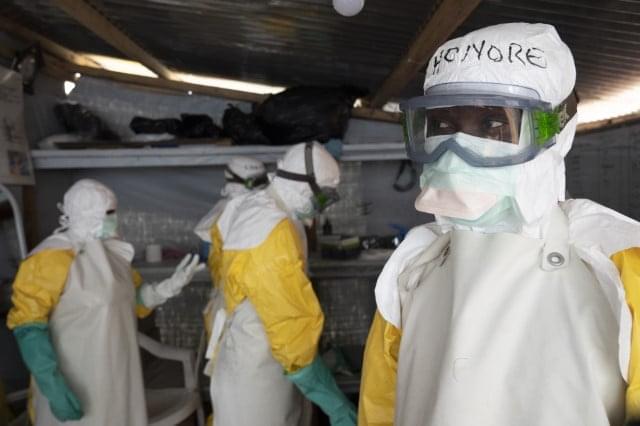
The devastating 2014–2016 Ebola epidemic in West Africa prompted changes in the way the world responds to outbreaks and other health emergencies. Here are eight things that are being done differently in the response to the Ebola outbreak in the Democratic Republic of the Congo (DRC).
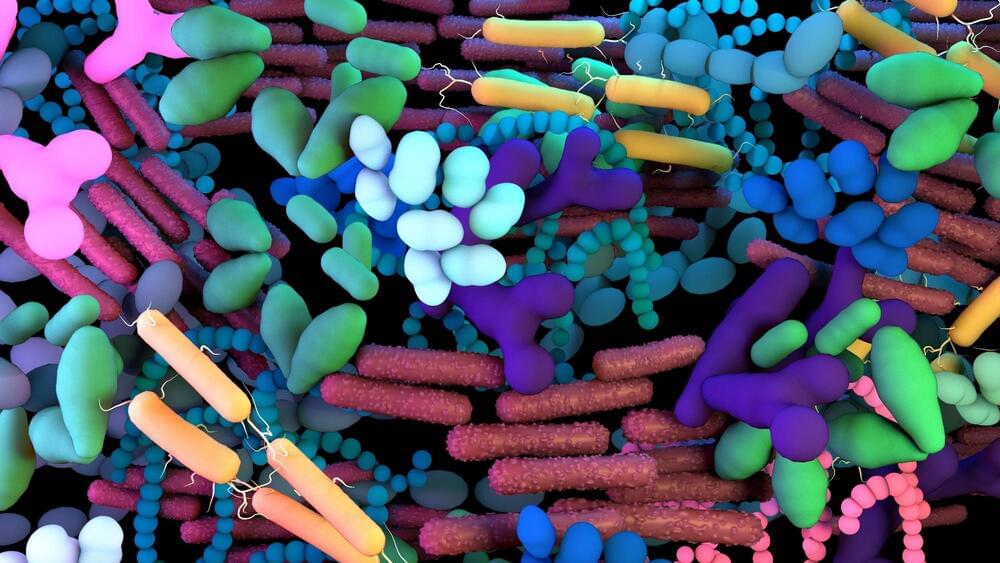
In a recent study published in Cell, researchers used a multi-omics approach to profile the gut microbiomes and metabolomes of mothers and infants to determine the vertical and horizontal transmission of bacterial species and strains as well as individual genes and understand the dynamics of the gut microbiome assembly that shape the development of the infant before and after birth.
The vertical transmission of gut bacteria from mother to fetus during pregnancy and the horizontal transfer of microbes through breast milk plays a vital role in the physical and cognitive development of the infant long after birth. Studies have shown associations between the gut microbiota composition of breastmilk and the development of the infant’s immune system, as well as autoimmune conditions and allergies. Furthermore, allergies and autoimmune disorders have also been linked to exogenous proteins in infant formula.
Metabolites produced by gut microbiota are also associated with the infant’s cognitive development. However, the development of gut microbiomes and metabolomes in the perinatal stage and their role in infant development remains unclear.
100% of your donation will go directly to our three partner nonprofits fighting the diseases of aging. Half will be used for anti-aging work that is currently underway. The rest will be invested in perpetual endowments that will provide ongoing support for this work — forever. Aging affects us all. Help us help you stay healthier for longer. Make your donation today.
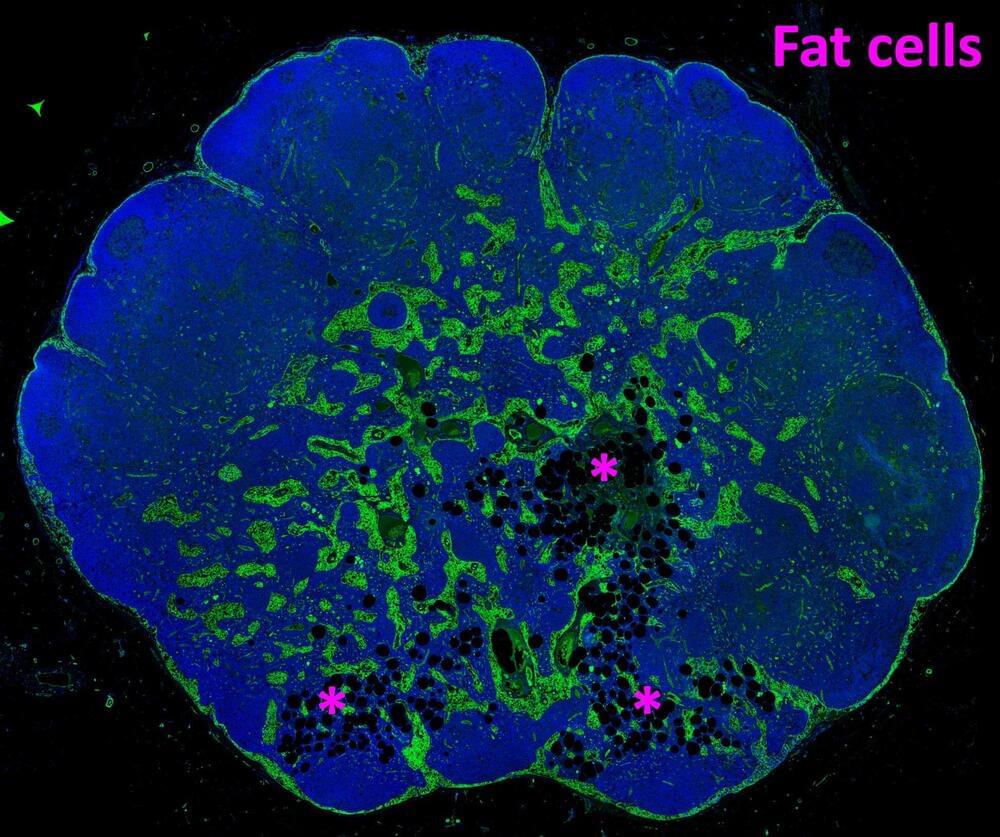
//Although lipomatosis is very common and increases with age, scientists have previously devoted little discussion and research to it. Scientists at Uppsala University have just published a study that offers significant insights into the causes of human lymph node function decline with aging and the effects on immune system performance.
Scientists carefully examined more than 200 lymph nodes to show that lipomatosis starts in the medulla, which is the center of the lymph node. They also provided evidence connecting lipomatosis to converting lymph node supporting cells (fibroblasts) into adipocytes (fat cells). They also demonstrate that fibroblast subtypes in the medulla are more likely to develop into adipocytes.\.
The study is a first step toward understanding why lipomatosis occur.
Framing the process of ageing more as a treatable condition, rather than an inevitable consequence of life, could allow people to live longer, thanks to emerging biotechnologies and a greater emphasis on healthy living.
Our work advances SOTA in 7 medical question-answering tasks, including achieving 67% on MedQA USMLE improving prior work by >17%. https://arxiv.org/abs/2212.
Once deemed dangerous and illegal, psychedelic compounds have been rediscovered by the scientific, medical and psychiatric communities as research reveals their capacity to help patients with a range of maladies. With investors beginning to flood this new market with capital, will Big Pharma join in, or try to squash a nascent revolution of the mind?
#Moonshots #Psychedelics #BloombergQuicktake. ——- “Moonshot” introduces you to the scientists and thinkers chasing humanity’s wildest dreams. The series takes a deeper look into how science is solving the world’s most complex problems in order to create a better tomorrow. The first season explores major breakthroughs from scientists including plastic eating bacteria, asteroid hunting and oceanic exploration. Watch every episode: https://youtube.com/playlist?list=PLqq4LnWs3olXYh0FhU2KgOg1Mzleojbie.
QuickTake Originals is Bloomberg’s official premium video channel. We bring you insights and analysis from business, science, and technology experts who are shaping our future. We’re home to Hello World, Giant Leap, Storylines, and the series powering CityLab, Bloomberg Businessweek, Bloomberg Green, and much more.
Subscribe for business news, but not as you’ve known it: exclusive interviews, fascinating profiles, data-driven analysis, and the latest in tech innovation from around the world.
Visit our partner channel QuickTake News for breaking global news and insight in an instant.
NOTE FROM TED: Please do not look to this talk for mental health advice. This talk represents the speaker’s personal views and interpretation of psychedelics and mental health, which remains an emerging field of study. We’ve flagged this talk because it falls outside the content guidelines TED gives TEDx organizers. TEDx events are independently organized by volunteers. The guidelines we give TEDx organizers are described in more detail here: http://storage.ted.com/tedx/manuals/tedx_content_guidelines.pdf.
Psychedelics as medicine to treat mental health disease has had a recent resurgence of attention and dedicated research, with encouraging results. Could this class of drugs serve as a paradigm shift in the way mindfulness therapy and mental health is approached? Compounds like LSD, DMT, psilocybin, and MDMA are investigated as treatments for states of anxiety, depression, PTSD, and addiction. Listeners are challenged to question their preconceived notions and judgements as it pertains to this group of restricted therapeutics in the psychedelic class. Burton J. Tabaac, MD FAHA
Burton is an associate professor of neurology at the University of Nevada, Reno School of Medicine, dedicated to the cutting-edge treatment and prevention of cerebrovascular diseases. He is a graduate of the fellowship program in vascular neurology at Johns Hopkins University Hospital in Baltimore, MD (2019). After graduating from AUC School of Medicine, where he earned his MD (2014), Tabaac completed a neurology residency at Rutgers Robert Wood Johnson in New Brunswick, NJ. There, he was humbled to have been selected as a three-time recipient of The Arnold P. Gold Foundation’s Humanism and Excellence in Teaching Award (2016, 2017, and 2018). This talk was given at a TEDx event using the TED conference format but independently organized by a local community.
With Augmented Humanity we will travel from the US to Japan, into the heart of secret labs of the most borderline scientists in the world, who try to push the boundaries of life through technology. Robotics is an important step, but the future of our species is not in a massive substitution by robots, on the contrary, robotics and technology must be used to improve the human being.
ENDEVR explains the world we live in through high-class documentaries, special investigations, explainers videos and animations. We cover topics related to business, economics, geopolitics, social issues and everything in between that we think are interesting.