Toggle light / dark theme

Brain mechanism behind ‘flashes of intuition’

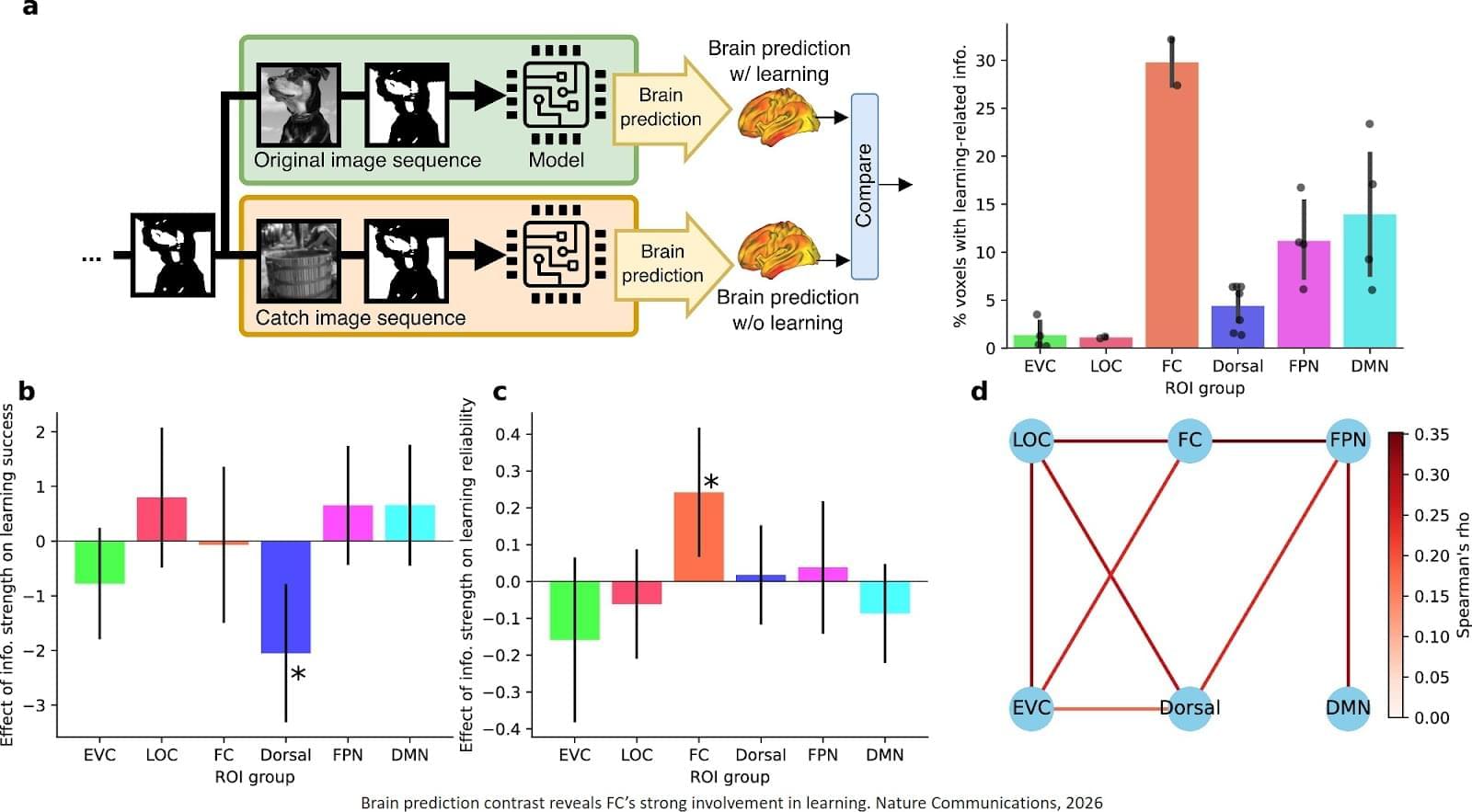
Despite decades of research, the mechanisms behind fast flashes of insight that change how a person perceives their world, termed “one-shot learning,” have remained unknown. A mysterious type of one-shot learning is perceptual learning, in which seeing something once dramatically alters our ability to recognize it again.

Now a new study, the researchers address the moments when we first recognize a blurry object, a primal ability that enabled our ancestors to avoid threats.

Published in Nature Communications, the new work pinpoints for the first time the brain region called the high-level visual cortex (HLVC) as the place where “priors” — images seen in the past and stored — are accessed to enable one-shot perceptual learning.

“Our work revealed, not just where priors are stored, but also the brain computations involved,” said co-senior study author.

Importantly, past studies had shown that patients with schizophrenia and Parkinson’s disease have abnormal one-shot learning, such that previously stored priors overwhelm what a person is presently looking at to generate hallucinations.

“This study yielded a directly testable theory on how priors act up during hallucinations, and we are now investigating the related brain mechanisms in patients with neurological disorders to reveal what goes wrong,” added the author.

The research team is also looking into likely connections between the brain mechanisms behind visual perception and the better-known type of “aha moment” when we comprehend a new idea. ScienceMission sciencenewshighlights.

Discussing the implication of DNA methylation in human diseases

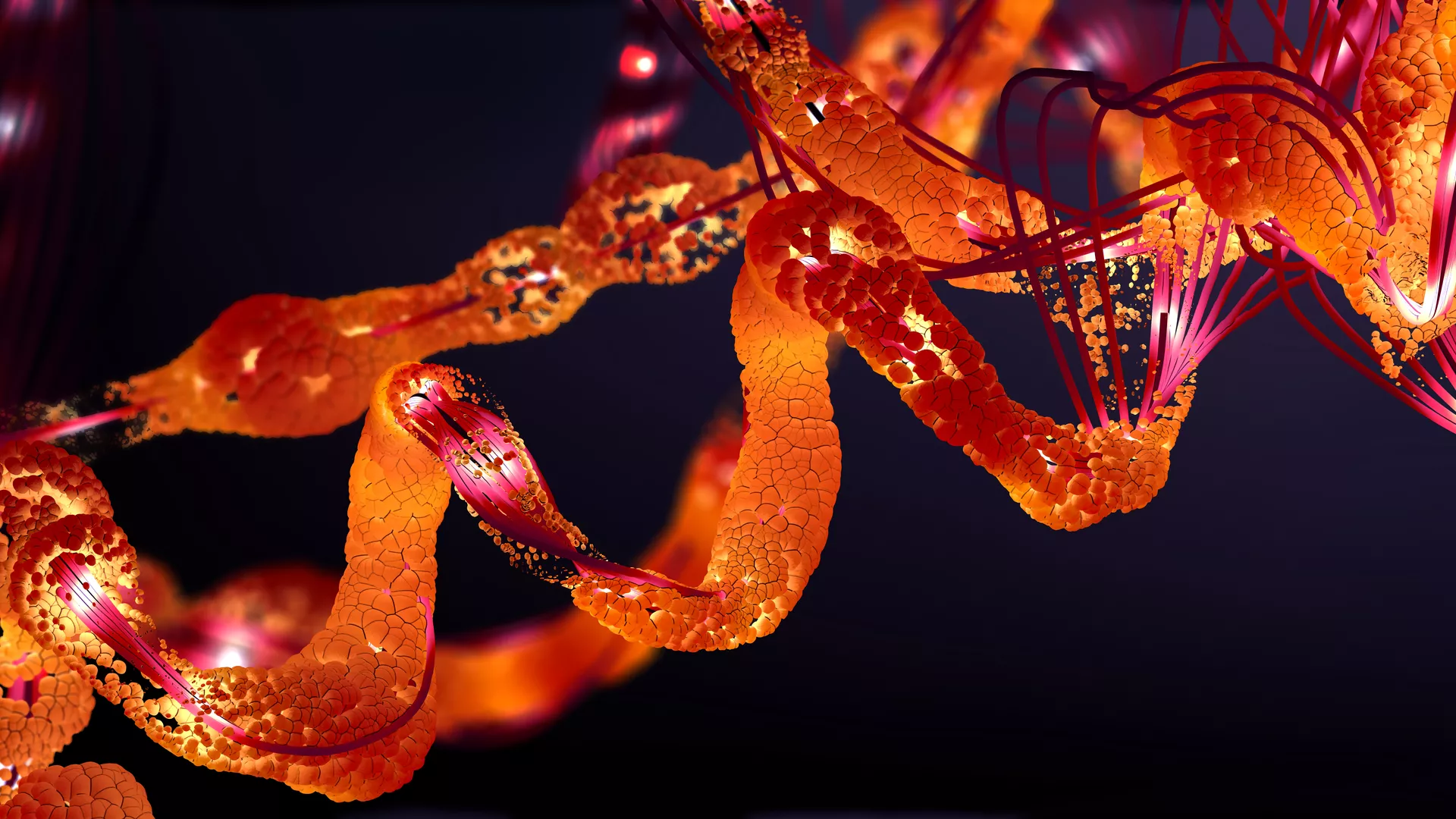
DNA methylation plays a critical role in gene expression regulation and has emerged as a robust biomarker of biological age. This modification will become heavier or site drift along with aging. Recently, it is termed epigenetic clocks—such as Horvath, Hannum, PhenoAge, and GrimAge—leverage specific methylation patterns to accurately predict age-related decline, disease risk, and mortality. These tools are now widely applied across diverse tissues, populations, and disease contexts. Beyond age-related loss of methylation control, accelerated DNA methylation age has been linked to environmental exposures, lifestyle factors, and chronic diseases, further reinforcing its value as a dynamic and clinically relevant marker of biological aging. DNA methylation is reshaping our understanding of aging and disease risk, with promising implications for preventive medicine and interventions aimed at promoting healthy longevity. However, it must be admitted that some challenges remain, including limited generalizability across populations, an unclear mechanism, and inconsistent longitudinal performance. In this review, we examine the biological foundations of DNA methylation, major advances in epigenetic clock development, and their expanding applications in aging research, disease prediction and health monitoring.

Aging is a complex, multifactorial process that affects nearly all biological systems. While chronological age simply measures the passage of time from birth, biological age reflects the functional state and health of an individual’s tissues and organs (Kiselev et al., 2025). This distinction is critical, as individuals of the same chronological age often exhibit markedly different biological conditions, disease risks, and mortality trajectories (Dugue et al., 2018). Therefore, biological age potentially serves as a more meaningful measure of aging-related decline and is increasingly used to assess overall health status, predict disease onset, and evaluate the effectiveness of interventions aimed at promoting healthy longevity (Dugue et al., 2018; Petkovich et al., 2017).

Among various biomarkers proposed to estimate biological age, epigenetic modifications—particularly DNA methylation—have emerged as one of the most reliable and informative (Dugue et al., 2018). In epigenetics, DNA methylation involves the addition of a methyl group to the 5′ position of cytosine residues, typically at CpG dinucleotides, which can regulate gene expression without altering the underlying DNA sequence. Moreover, DNA methylation can be accurately measured by sequencing at methylated sites with bisulfate treatment (Zhang et al., 2012). Age-related changes in DNA methylation pattern are not random; they occur at specific genomic locations. These methylated sites are picked and constitute come patterns, by which scientists can construct “epigenetic clocks” to precisely estimate a person’s biological age based on their DNA modification. As people grow older, their methylation profiles shift in predictable ways (Kiselev et al., 2025; Horvath, 2013; Horvath and Raj, 2018).

Early signs of Parkinson’s can be identified in the blood

A team led by researchers at Chalmers University of Technology, Sweden, has succeeded in identifying biomarkers for Parkinson’s disease in its earliest stages, before extensive brain damage has occurred. The biological processes leave measurable traces in the blood, but only for a limited period.

The discovery thus reveals a window of opportunity that could be crucial for future treatment, but also for early diagnosis via blood tests, which could begin to be tested in health care within five years.

Parkinson’s is an endemic disease with over 10 million people affected globally. As the world’s population grows older, this number is expected to more than double by 2050. At present, there is neither an effective cure nor an established screening method for detecting this chronic neurological disorder at an early stage before it has caused significant damage to the brain.

A large language model for complex cardiology care

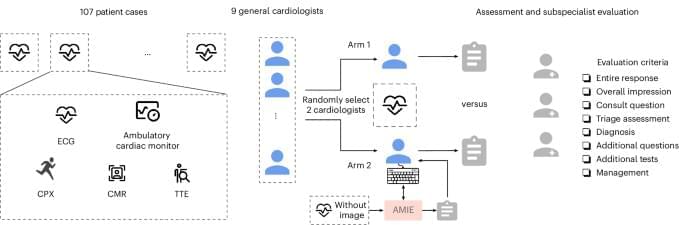
In a randomized study involving 9 general cardiologists and 107 real-world patient cases, assistance from a specifically tailored large language model resulted in preferable responses on complex case management compared to physicians alone, as rated by specialist cardiologists using a multidimensional scoring rubric.

New clue to treating hypertension: Blocking a brain receptor may calm blood pressure signals

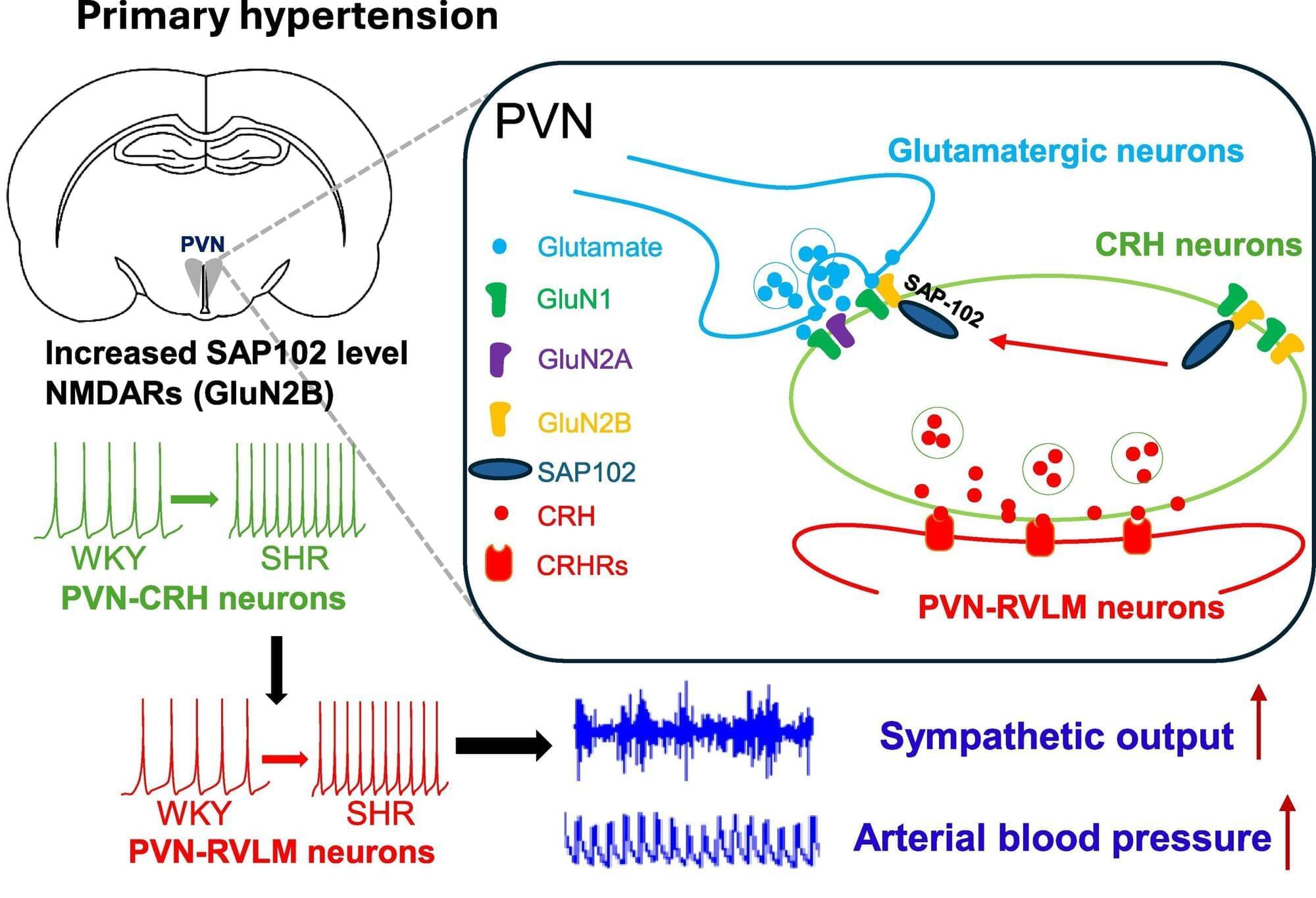
The human body is often described in parts—different limbs, systems, and organs—rather than something fully interconnected and whole. Yet many bodily processes interact in ways we may not always recognize. For example, researchers at the University of Missouri School of Medicine may have found a link between high blood pressure and an overactive nervous system.

The paper is published in the journal Cardiovascular Research.

High blood pressure, also called hypertension, is a common cardiovascular condition and a risk factor for multiple diseases and sudden health concerns like stroke or heart attack.

Dual brakes on T-cells: New targets found to boost immunity in chronic infections

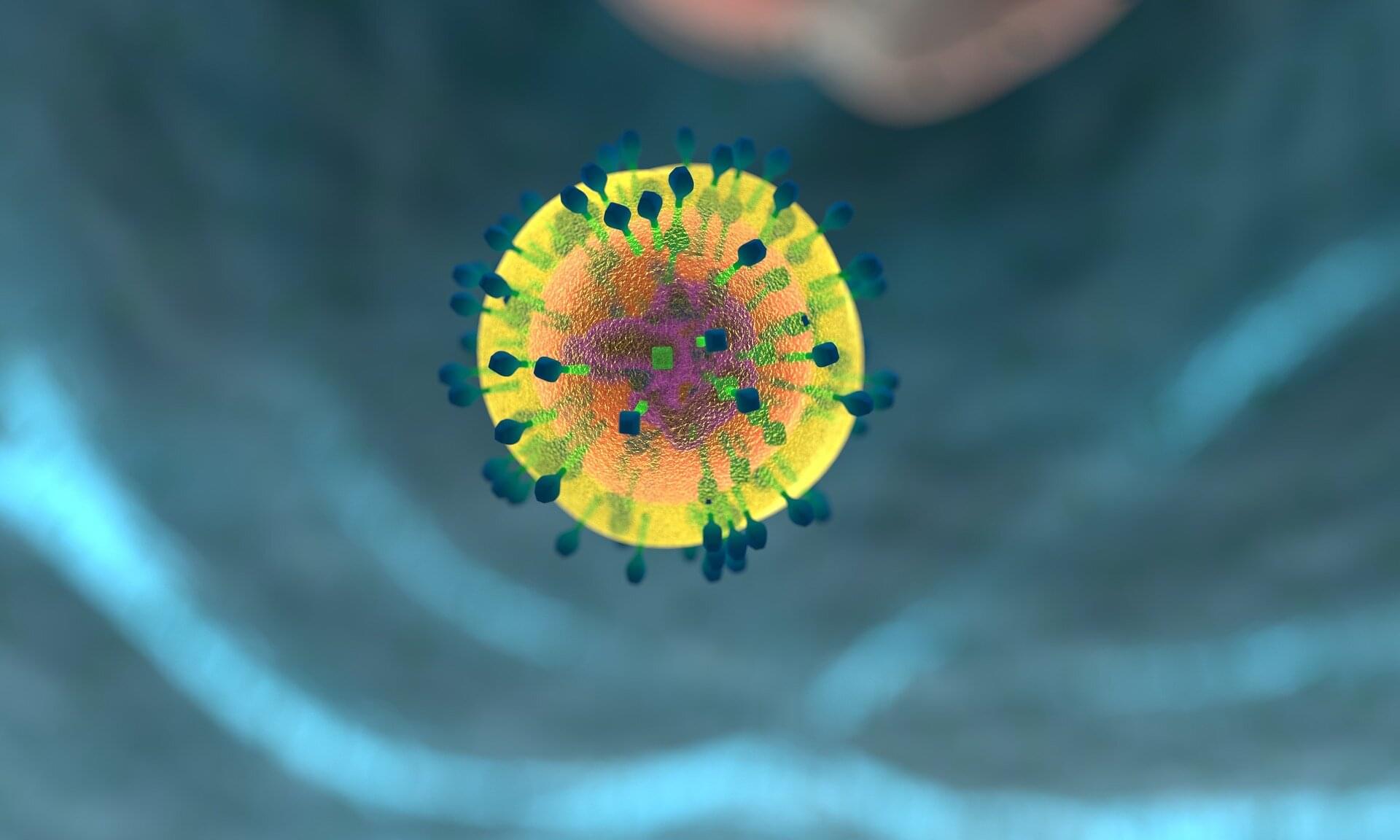
Northwestern Medicine scientists have identified the cellular mechanisms that cause immune cells to differentiate and ultimately lose function during viral infection, findings that could improve treatments to control chronic infections, according to a study published in the Proceedings of the National Academy of Sciences.

During viral infection and in the case of cancer, CD4+ helper T-cells release cytokines, or small signaling proteins, that activate and “give permission” to other immune cells to control and clear viral pathogens.

In certain viral infections, such as lymphocytic choriomeningitis virus (LCMV), which is spread by infected rodents, CD4+ T-cells differentiate into different subpopulations, including one subset of progenitor CD4+ T-cells that replenish type 1 helper (Th1) and follicular helper (Tfh) T-cells.

AI model flags insulin resistance as a risk factor for 12 cancers

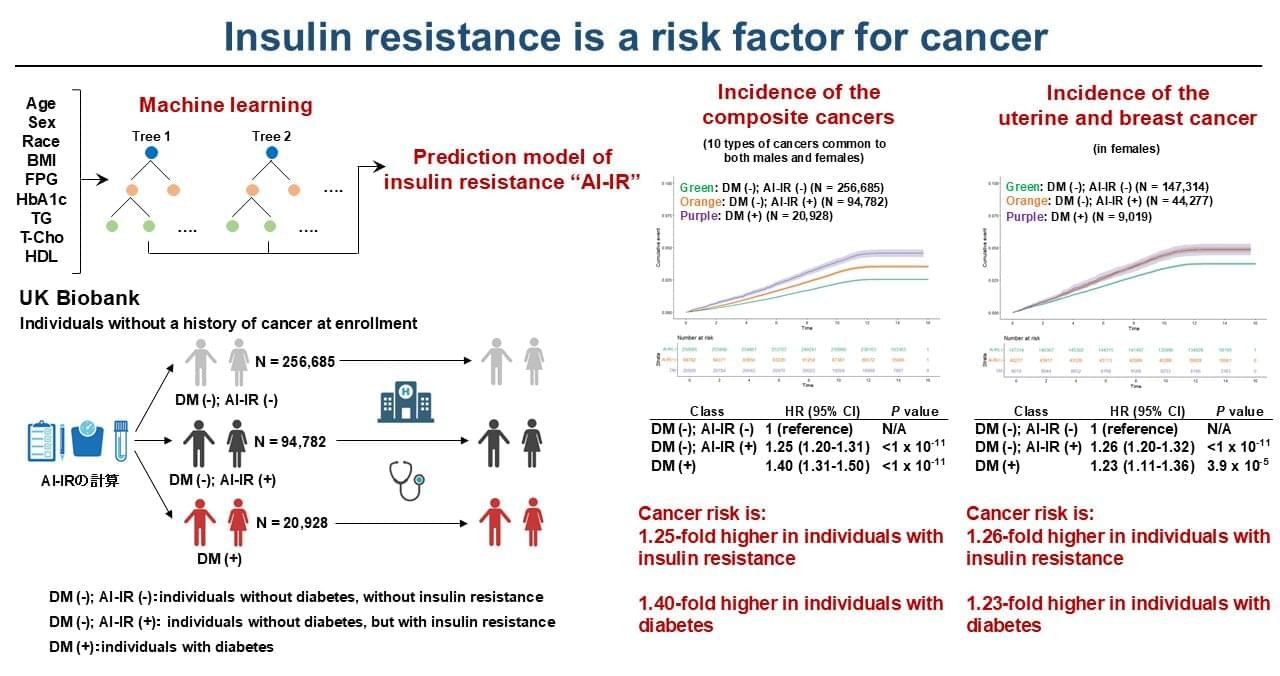
Insulin resistance—when the body doesn’t properly respond to insulin, a hormone that helps control blood glucose levels—is one of the fundamental causes of diabetes. In addition to diabetes, it is widely known that insulin resistance can lead to cardiovascular, kidney and liver diseases. While insulin resistance is tightly associated with obesity, it has been difficult to evaluate insulin resistance itself in the clinic. For the first time, researchers, including those from the University of Tokyo, applied a machine learning-based prediction model of insulin resistance to half a million participants from the UK Biobank and demonstrated that insulin resistance is a risk factor for 12 types of cancer.

The research is published in Nature Communications.

Diabetes is a common cause for concern around the world. Its connection to insulin resistance is a familiar concept to many, but what is less well known is that resistance to insulin is also suggested to be a risk factor for several cancers. However, the human body is a complex thing, and ascertaining causal connections between diseases and issues within the body is far from easy.

A Jagged1-regulated hybrid-EMT state identifies pancreatic cancer stem cells

Lan et al. show that a subset of CD9hi tumor-initiating cells in pancreatic cancer exhibits hybrid-EMT features and possesses enhanced self-renewal and differentiation capacities. Depletion of these cells or blockage of Jagged1-Notch signaling impairs tumorigenesis and cellular heterogeneity, revealing a vulnerability for pancreatic cancer.

How Neuroscience Backs Baars’ Global Workspace Theory

Exploring the Global Workspace Theory: Consciousness Unveiled. Join us as we unravel Bernard Baars’ groundbreaking Global Workspace Theory (GWT) and discover how our brain functions like a theater, spotlighting conscious experiences.

00:00:00 Introduction to Global Workspace Theory.
00:00:34 Global Broadcasting.
00:01:08 Evidence from Brain Imaging and EEG Studies.
00:01:35 Common Mechanism for Conscious Access.
00:02:21 Intracranial EEG Study by Gaillard and Colleagues.
00:02:56 Brain Activity Overdrive.
00:03:56 Neuronal Synchrony and Binocular Rivalry.
00:04:13 Rhythm of Awareness.
00:05:03 Dynamic Synchrony and Global Accessibility.
00:05:19 On-Air Sign for the Brain.
00:05:35 Long-Distance Coordination and Global Coherence.
00:06:04 The Brain Orchestra.
00:06:20 Global Workspace and Clinical Neurology.
00:06:49 Disrupting Global Connectivity.
00:07:22 Frontal Lobe Lesions and Blindsight.
00:08:01 Widespread Disconnection and Fading of Consciousness.
00:08:57 Recovery from Disorders of Consciousness.
00:09:16 Temporary Inactivation with TMS
00:10:12 Interrupting Broadcasting Hubs.
00:10:35 Restoring Connectivity and Consciousness.
00:11:26 Jump-Starting Thalamo-Cortical Circuits.
00:11:43 Re-Engaging the Global Workspace.
00:11:58 The Brain’s Internal News Feed.
00:12:31 Broadcasting and Subjective Experience.

/* */