Toggle light / dark theme

Science competitions can help to catapult your science into the real world

The XPrize and other competitions are helping to advance science and technological innovation.


Over the years, we have had alumni go on to become successful academic scientists, company managers and entrepreneurs. The networks that the participants create with each other during the competition are useful to tap into throughout their careers. Recently, I also learnt that a winning team from 2020 decided to create a bioelectronics start-up, INIA Biosciences, that aims to use ultrasound to interact with the immune system to relieve chronic inflammatory diseases.

More companies and foundations are seeing the advantages of science competitions and are organizing innovation challenges. The organizers benefit from recruiting talented people, gaining fresh ideas and promoting an image of innovativeness. The participants are rewarded with training, network building and prize money. In addition to the Innovation Cup, we also organize events such as the €1 million Future Insight Prize, which is given out annually to honour and enable scientists solving key challenges of humanity.

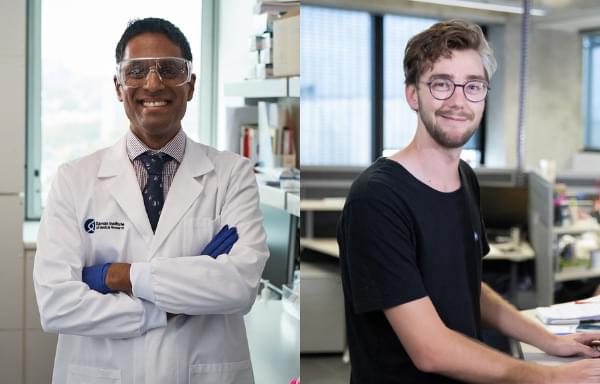
MARJOLEIN CROOIJMANS: The judge

Chair of the International Genetically Engineered Machine (iGEM) Entrepreneurship Program Innovation Community (EPIC), Cambridge, Massachusetts and PhD Student at Leiden University, Leiden, Netherlands.

Newly discovered brain cells may be a memory filing system, study suggests

A scientist opens a laptop in front of a patient. On screen, a boy, tied to a fleet of balloons, fades in. As he rises into the air, the scene cuts abruptly to an office, where a man sits in front of his boss. A question then appears: “Was anyone in the video wearing a tie?”

Jie Zheng, a postdoctoral fellow at Boston Children’s Hospital, had flown to Los Angeles to show the video to this patient, who has a severe seizure disorder. Like with the 18 other patients who were part of the study, neurosurgeons had placed electrodes in the patient’s brain to pinpoint what had been causing their seizures. Zheng and a group of scientists in a federally funded BRAIN Initiative consortium used this opportune moment to find neurons involved in the creation of memories. While subjects watched clips from movies and answered questions that tested their memory of the videos, the electrical activity of their brains was monitored.

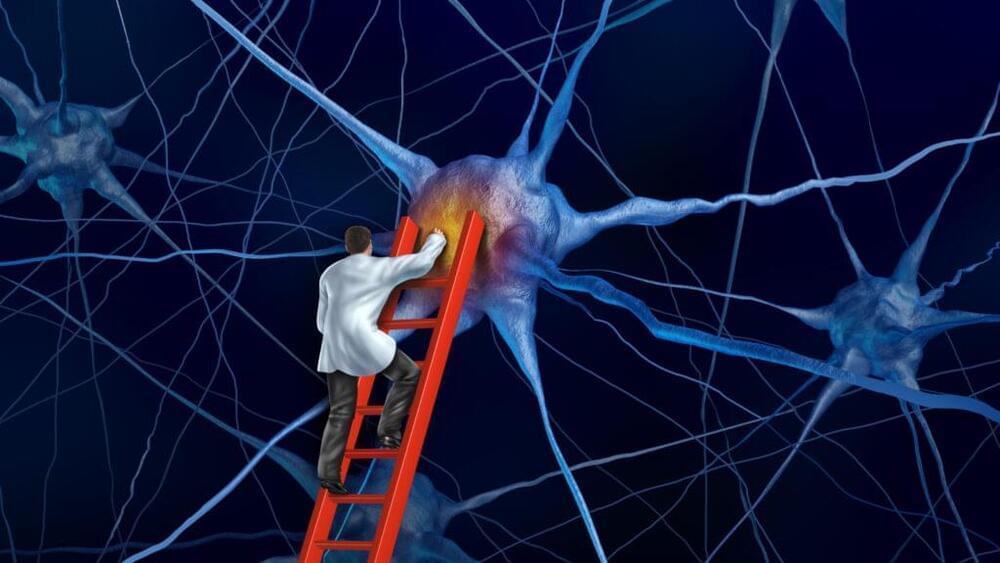
Over three years, the work — a collaboration between researchers at Cedars-Sinai in L.A., Boston Children’s, and the University of Toronto — led to the discovery of two new groups of brain cells: boundary and event cells. The researchers theorized that these neurons are involved in cleaving experiences into distinct events that humans can better remember. The study, published in Nature Neuroscience, may pave the way for new treatments for memory disorders, the authors said.

Cellular rejuvenation therapy safely reverses signs of aging in mice

One group of mice received regular doses of the Yamanaka factors from the time they were 15 months old until 22 months, approximately equivalent to age 50 through 70 in humans. Another group was treated from 12 through 22 months, approximately age 35 to 70 in humans. And a third group was treated for just one month at age 25 months, similar to age 80 in humans.


LA JOLLA—(March 7, 2022) Age may be just a number, but it’s a number that often carries unwanted side effects, from brittle bones and weaker muscles to increased risks of cardiovascular disease and cancer. Now, scientists at the Salk Institute, in collaboration with Genentech, a member of the Roche group, have shown that they can safely and effectively reverse the aging process in middle-aged and elderly mice by partially resetting their cells to more youthful states.

“We are elated that we can use this approach across the life span to slow down aging in normal animals. The technique is both safe and effective in mice,” says Juan Carlos Izpisua Belmonte, co-corresponding author and a professor in Salk’s Gene Expression Laboratory. “In addition to tackling age-related diseases, this approach may provide the biomedical community with a new tool to restore tissue and organismal health by improving cell function and resilience in different disease situations, such as neurodegenerative diseases.”

Drugs pollute rivers, add to resistance crisis

Drugs are polluting rivers and adding to the resistance crisis as well as affecting riverine ecosystems.


Pharmaceutical pollution in the world’s rivers is threatening environmental and human health and the attainment of UN goals on water quality, with developing countries the worst affected, a global study warns.

Active pharmaceutical ingredients (APIs) could be contributing to antimicrobial resistance in microorganisms, and may have unknown long-term effects on human health, as well as harming aquatic life, according to the report published in Proceedings of the National Academy of Sciences.

APIs – the chemicals used to make pharmaceutical drugs – can reach the natural environment during their manufacture, use and disposal, according to the study.

In Mice, a Potential New Treatment Eradicates Ovarian And Colorectal Cancer in Days

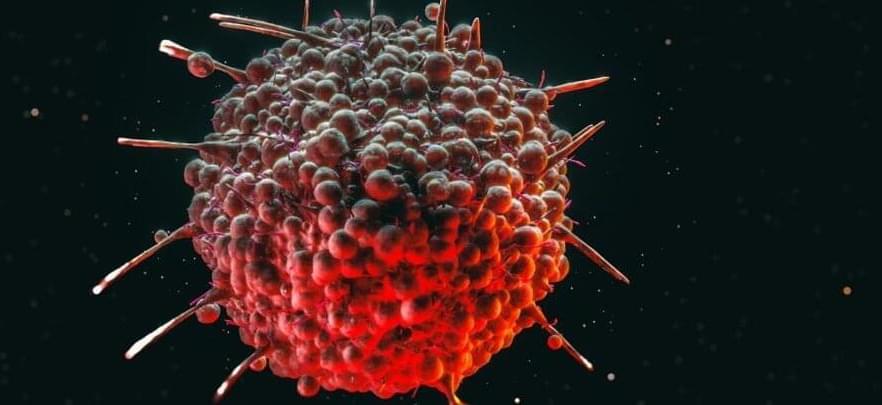
An experimental new type of cancer treatment has yielded some impressive results in mice: the eradication of advanced-stage ovarian and colorectal cancer in the animals as little as six days.

The new therapy has only been tested in mice so far, so let’s not get too excited just yet. However, the early signs are promising, and human clinical trials could be underway by the end of the year.

The treatment involves tiny ‘drug factory’ beads that are implanted into the body and deliver a continuous, high dose of interleukin-2 (IL2) – a natural compound that enlists white blood cells in the fight against cancer.

Tree Transplanting Machine | Tree Relocation Machine | Tree Spade

Tags: tree spade, tree transplanting, tree spade machine, tree transplantation techniques, tree transplanting in India, tree transplanting machine, tree transplanting tools, tree transplanter, tree transplanter machine, tree relocation India, tree relocation machine, tree relocation in japan, tree relocation, tree spade truck, tree planting machine, tree planting machinery, tree planter machine, planting machinery, plant transplanting techniques, plant transplanter tool.

#TeaSpade #TreeTransplantingMachine #TreeRelocationMachine #machine #Agriculture #Farming #DiscoveryAgriculture

Single test for over 50 genetic diseases will cut diagnosis from decades to days

Further research shows that the test is accurate.

When it comes to genetic neurological and neuromuscular diseases, screening early is key to getting the right treatment. A new DNA test developed by researchers at the Garvan Institute of Medical Research in Sydney may help in this process, as reported by the institution in a press release published on Saturday.


Garvan researchers have shown how new genomic sequencing technology can reduce the ‘diagnostic odyssey’ experienced by people with rare neurological and neuromuscular diseases.

Centenarian Blood Test Analysis (n=1,754; Part II)

(Part II) Centenarian Blood Test Analysis (n=1,754)


Join us on Patreon!
https://www.patreon.com/MichaelLustgartenPhD

Papers referenced in the video:
Risk Factors For Hyperuricemia In Chinese Centenarians And Near-Centenarians.
https://pubmed.ncbi.nlm.nih.gov/31908434/

Total cholesterol and all-cause mortality by sex and age: a prospective cohort study among 12.8 million adults.
https://pubmed.ncbi.nlm.nih.gov/30733566/

Association between low-density lipoprotein cholesterol and cardiovascular mortality in statin nonusers: a prospective cohort study in 14.9 million Korean adults.

Examining Plants Brought Back to Life From 32,000-Year-Old Seeds

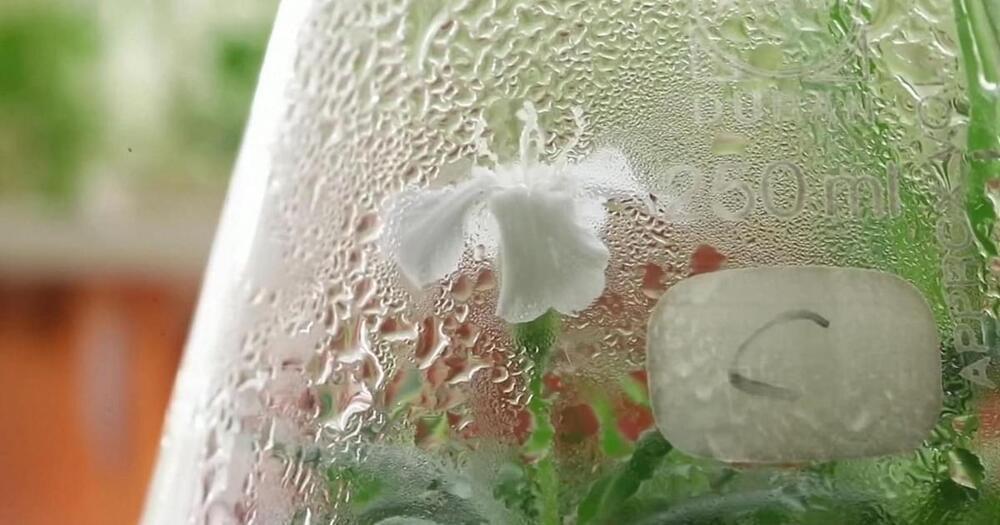
Thanks to the work of squirrels, researchers in Siberia were able to grow viable Silene stenophylla plants from 32,000-year-old seeds. This incredible event, which happened in 2012, is still having a dramatic event on the scientific community and now Austrian researchers are trying to sequence the plant’s DNA to find out how it was able to survive so long.

The story starts over 10 years ago, when a team of Russian, Hungarian, and American scientists recovered the frozen seeds in 2007. They were buried 125 feet underground, deep in the Siberian permafrost. The team was investigating the burrows of ancient squirrels when they made the discovery. Fruit and seeds had been perfectly sealed from the elements thanks to the squirrels’ burrowing techniques.

“The squirrels dug the frozen ground to build their burrows, which are about the size of a soccer ball, putting in hay first and then animal fur for a perfect storage chamber,” shared Stanislav Gubin, one of the researchers who explored the burrows. “It’s a natural cryobank.”

/* */