Toggle light / dark theme

Issues and Challenges in NSCLC Immunotherapy

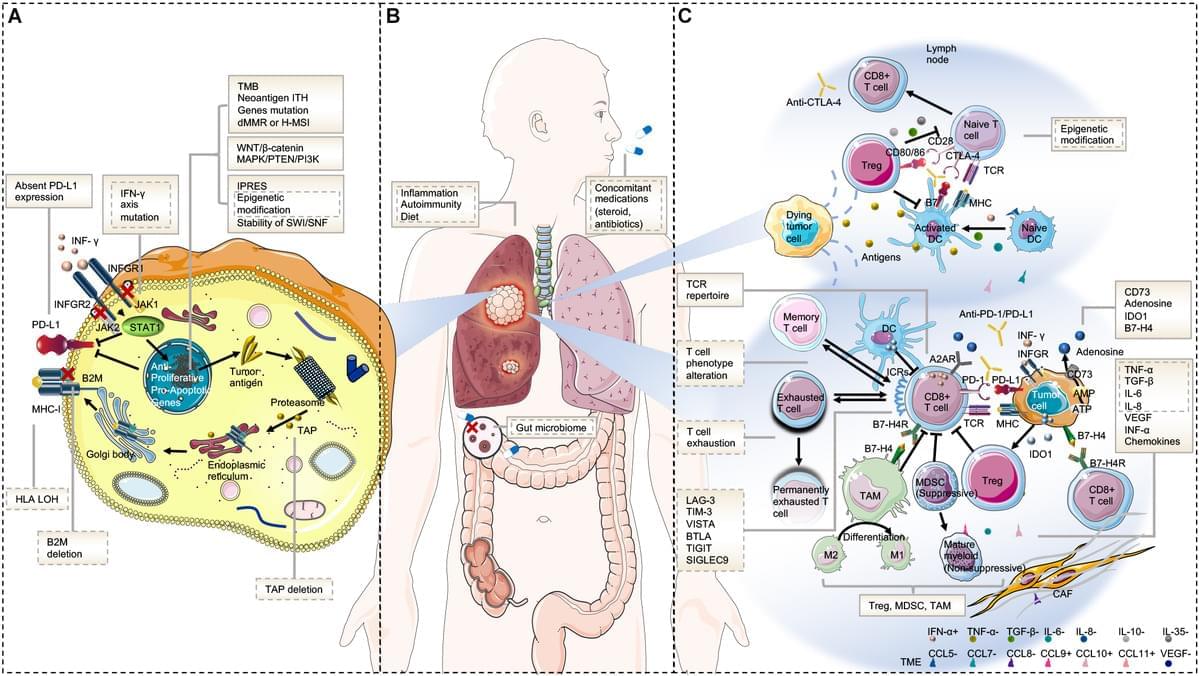
Immunotherapy has revolutionized lung cancer treatment in the past decade. By reactivating the host’s immune system, immunotherapy significantly prolongs survival in some advanced lung cancer patients. However, resistance to immunotherapy is frequent, which manifests as a lack of initial response or clinical benefit to therapy (primary resistance) or tumor progression after the initial period of response (acquired resistance). Overcoming immunotherapy resistance is challenging owing to the complex and dynamic interplay among malignant cells and the defense system. This review aims to discuss the mechanisms that drive immunotherapy resistance and the innovative strategies implemented to overcome it in lung cancer.

The discovery of the immune checkpoint inhibitors (ICIs), represented by the monoclonal antibodies that block cytotoxic T−lymphocyte−associated protein 4 (CTLA-4), programmed death protein 1 (PD-1), and programmed death protein ligand 1 (PD-L1), has revolutionized the therapeutic landscape of lung cancer. The significant survival benefit derived from ICI-containing treatment has established it as the mainstay first-line therapy in patients with advanced or locally advanced non-small cell lung cancer (NSCLC) and extensive small-cell lung cancer (SCLC). Unprecedented long-term clinical benefit or even, in some cases, a complete recovery has been witnessed in lung cancer, particularly in patients with high PD-L1-expressing tumors (13). Currently, investigations are under way aimed at integrating immunotherapy in the treatment of early-stage lung cancer.

However, most patients with NSCLC develop primary resistance during ICI monotherapy and only 15 to 20% achieve partial or complete response (3). Acquired resistance also occurs in initially responding patients with advanced NSCLC treated with ICIs, after a median progression-free survival (PFS) of 4–10 months (49). The mechanisms of resistance to immunotherapy are not yet fully understood, and methods to overcome them must be developed. Herein, we discuss the pathways driving resistance to immunotherapy in lung cancer to help clinicians in their current practice, as well as identify future research priorities and treatment strategies.

Chemical Reaction Pattern Shines Like the Sun

For a phenomenon like a wildfire burning through a forest or a disease moving through a population, the resulting patterns can sometimes be modeled using a so-called reaction–diffusion system—an experiment where a chemical reaction front moves through a region full of reactants. Now Anne De Wit of the Université Libre de Bruxelles and her colleagues have demonstrated that new patterns can be revealed when the reactants flow against the direction of the front’s propagation, causing it to freeze in place [1]. Their “sun-ray” pattern is the first one discovered this way, but the technique could generate other patterns that might replicate behavior in forest fires or epidemics.

Two years ago, De Wit and her colleagues brought a propagating reaction front to a standstill by slowly and continually injecting a reactant into the center of a disk-shaped chamber filled with the other reactant, against the front’s inward propagation [2]. The stopping occurred when the outward flow matched the rate at which the inner reactant was consumed. De Wit says that a stationary front allows more control and thus more careful study of patterns than a propagating front.

As a demonstration of this control, the researchers have now used reactants with different diffusion rates in the same outward-flow setup. In this case, the stationary front developed ripples—an effect previously seen in propagating fronts. The researchers also observed radial “rays”—narrow regions of higher concentration of one of the reactants. They showed in simulations and experiments that properties of the front can be precisely controlled by varying the flow rate.

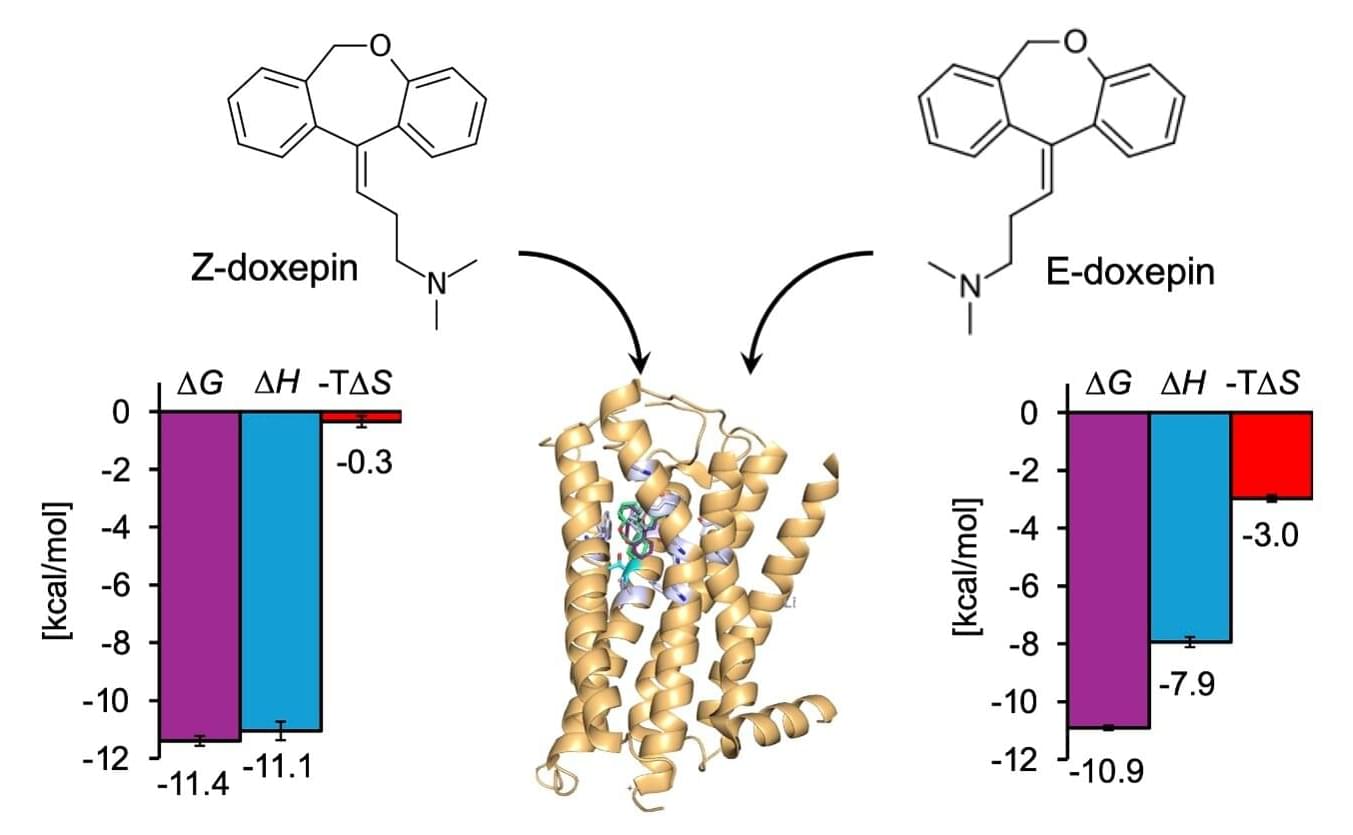
How a key receptor tells apart two nearly identical drug molecules

G-protein-coupled receptors (GPCRs) are one of the largest families of cell surface proteins in the human body that recognize hormones, neurotransmitters, and drugs. These receptors regulate a wide range of physiological processes and are the targets of more than 30% of currently marketed drugs. The histamine H1 receptor (H1R) is one such GPCR subtype that plays a key role in mediating allergic reactions, inflammation, vascular permeability, airway constriction, wakefulness, and cognitive functions in the human body. While antihistamines primarily target H1R, current drugs can exhibit limited therapeutic efficacy, prompting researchers to look at H1R ligands from new perspectives.

Recently, the importance of drug design based not only on the affinity or binding energy between a compound and its target protein, but also on its components, enthalpy, and entropy, has been recognized as crucial for rational drug design. In particular, enthalpy–entropy compensation has emerged as a key concept for understanding ligand selectivity and isomer specificity. However, direct experimental measurement of these thermodynamic parameters has been limited to cell surface proteins, such as GPCRs.

Addressing this gap, a research team led by Professor Mitsunori Shiroishi from the Department of Life System Engineering, Tokyo University of Science (TUS), Japan, systematically investigated the binding thermodynamics of the H1R. The team included Mr. Hiroto Kaneko (first-year doctoral student) and Associate Professor Tadashi Ando from TUS, among others. Their study was published online in ACS Medicinal Chemistry Letters on January 26, 2026.

How did humans develop sharp vision? Lab-grown retinas show likely answer

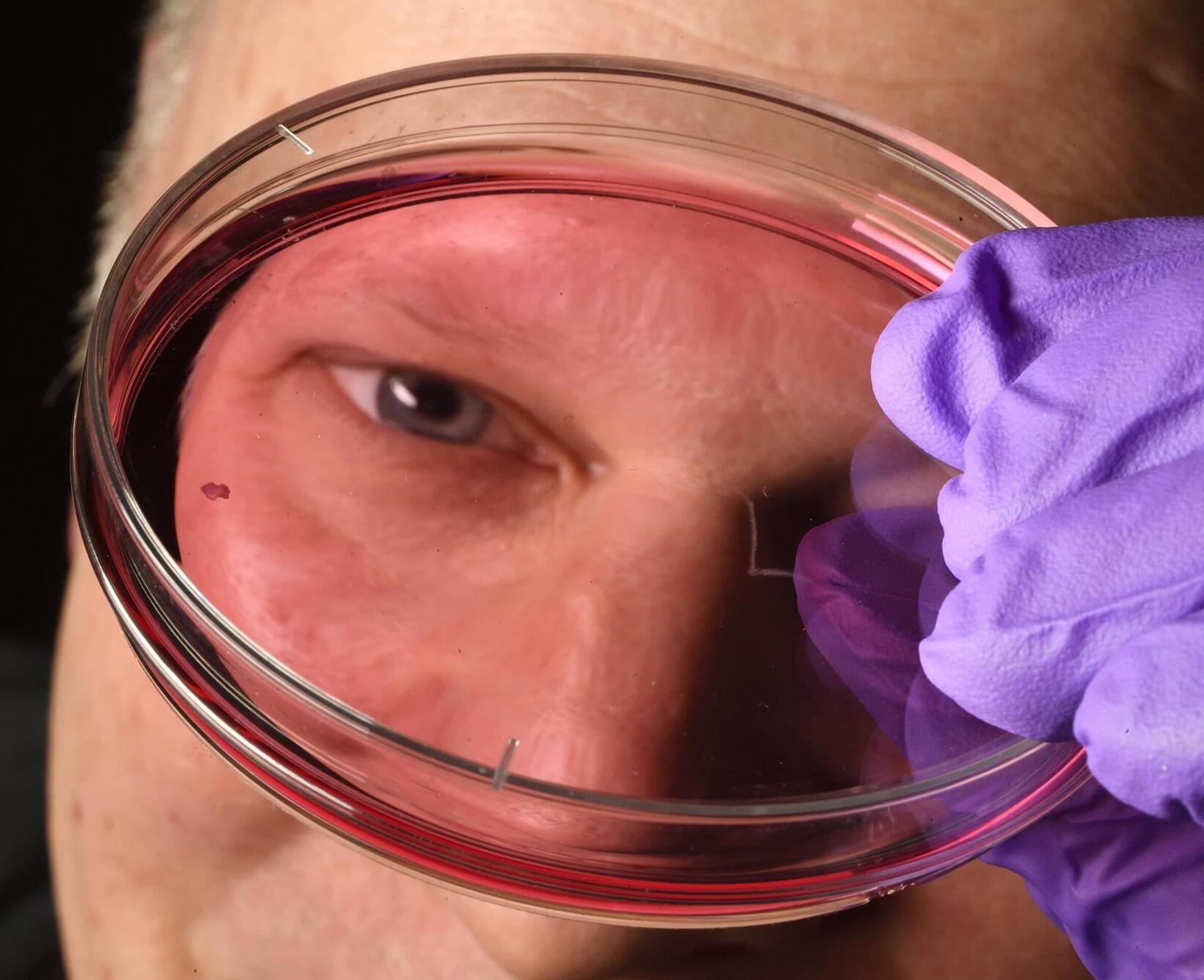
Humans develop sharp vision during early fetal development thanks to an interplay between a vitamin A derivative and thyroid hormones in the retina, Johns Hopkins University scientists have found. The findings could upend decades of conventional understanding of how the eye grows light-sensing cells and could inform new research into treatments for macular degeneration, glaucoma, and other age-related vision disorders. Details of the study, which used lab-grown retinal tissue, are published today in Proceedings of the National Academy of Sciences.

“This is a key step toward understanding the inner workings of the center of the retina, a critical part of the eye and the first to fail in people with macular degeneration,” said Robert J. Johnston Jr., an associate professor of biology at Johns Hopkins who led the research. “By better understanding this region and developing organoids that mimic its function, we hope to one day grow and transplant these tissues to restore vision.”

Enterovirus Encephalitis in People With Multiple Sclerosis on OcrelizumabInsights From a Multicenter Case Series

This multicenter case series highlights 5 cases of enterovirus encephalitis among people with MS receiving ocrelizumab, presenting with fever, encephalopathy, and gait changes, as well as myocarditis in 1 case.


ObjectivesAnti-CD20 therapies for multiple sclerosis (MS) are highly effective at preventing disease activity. Recognizing infectious complications of these therapies is essential. MethodsThree MS centers shared deidentified clinical data on persons with MS (pwMS) receiving ocrelizumab who developed enterovirus encephalitis.

How pancreatic cancer prepares the tumor environment: A possible biomarker for the earliest stage of development

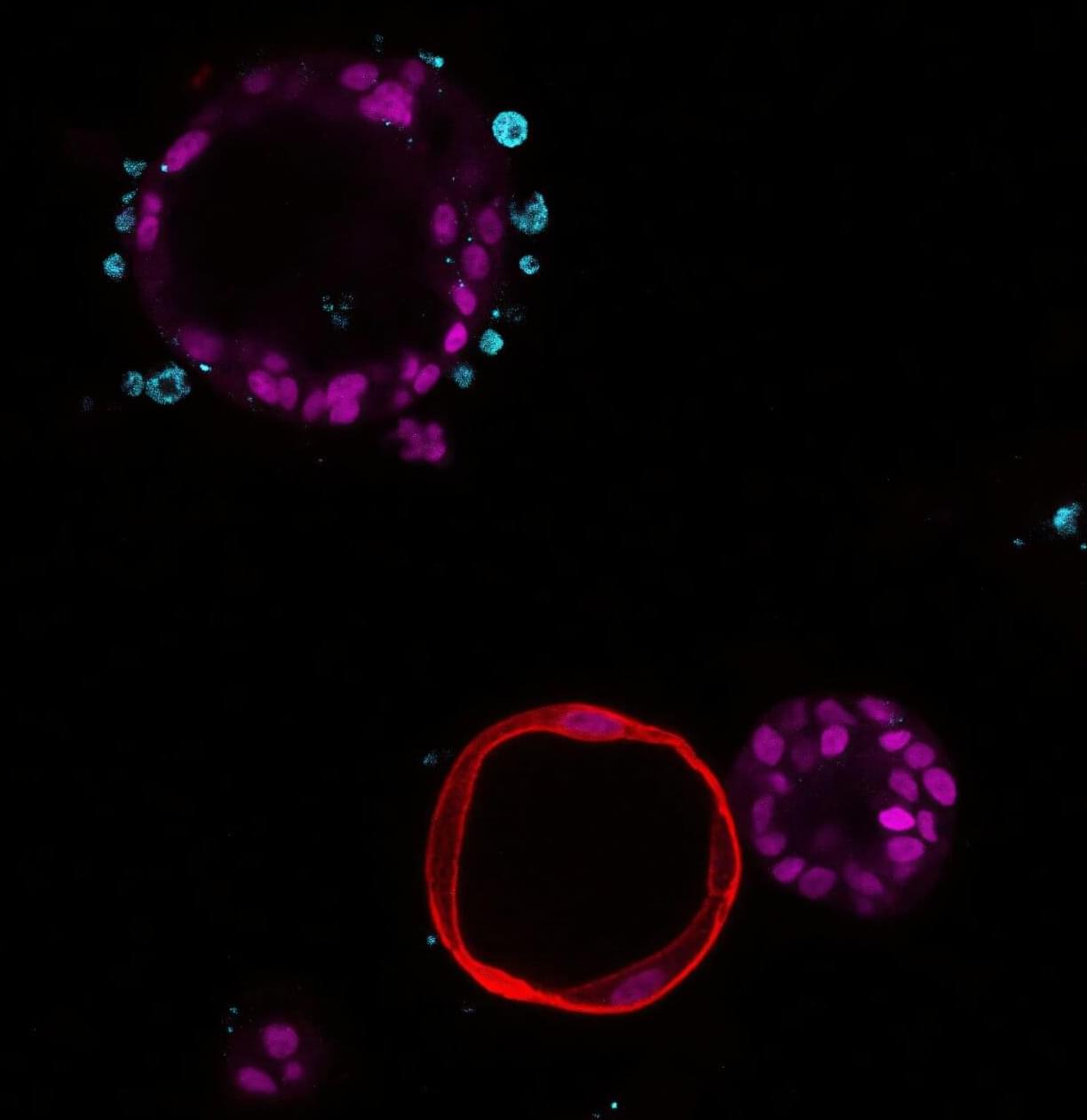
Even before a tumor in the pancreas becomes discernible, an activated cancer gene actively remodels its future environment and creates an inflammatory and immune-defensive microenvironment in which the carcinoma can grow. This has been shown by an international research team led by Ulm University in a pioneering study. The scientists’ study opens up new possibilities for developing personalized intervention strategies—before a difficult-to-treat tumor even develops.

It is one of the most aggressive forms of cancer: Pancreatic cancer is usually diagnosed late because it initially causes no symptoms and therefore goes unnoticed. In addition, it is highly metastasizing. Once pancreatic cancer is finally identified, a cure is often no longer possible.

A research team from the Institute of Molecular Oncology and Stem Cell Biology (IMOS) at Ulm University, together with national and international partners, has made a ground-breaking discovery that could pave the way for a much earlier diagnosis: The oncogene KRAS —the main driver of pancreatic cancer—creates its own environment, providing best growth conditions for the carcinoma and in which immune defense T-cells cannot penetrate. The results of the study have now been published in the journal Molecular Cancer.

Salvage Focal Therapy vs Radical Prostatectomy for Localized Radiorecurrent Prostate Cancer

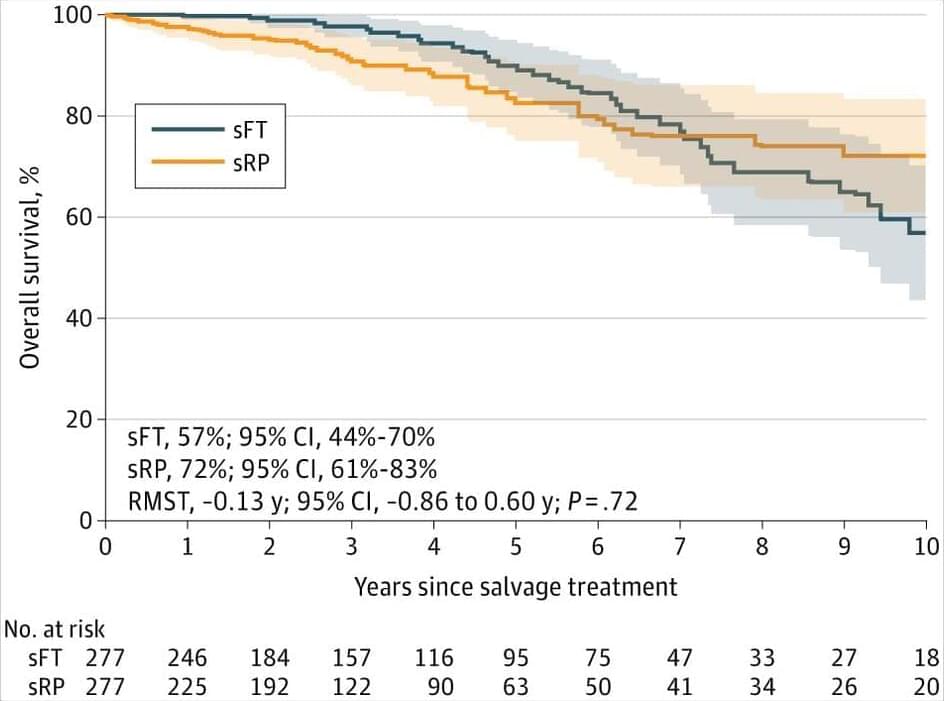
In localized radiorecurrent ProstateCancer, salvage focal therapy provided similar 10-year survival outcomes as radical prostatectomy but resulted in substantially fewer perioperative complications.


Question How do cancer control and perioperative complications compare after salvage focal therapy vs salvage radical prostatectomy for localized radiorecurrent prostate cancer?

Findings In this cohort study with a mean matched cohort size of 554 patients with biopsy-confirmed, localized recurrent prostate cancer, 10-year cancer-specific survival and overall survival were not meaningfully different between salvage focal therapy and salvage radical prostatectomy. The adjusted odds of any and major complications were approximately 24 and 9 times higher, respectively, following salvage radical prostatectomy.

Meaning Salvage focal therapy and salvage radical prostatectomy are both effective for treating localized radiorecurrent prostate cancer, though salvage focal therapy confers fewer perioperative complications.

Combating leukemia by stopping stem cells from turning cancerous

Acute myeloid leukemia (AML) is an aggressive form of blood cancer. It affects people of all ages but is most common in those over 65. Around 150 people are diagnosed with the disease each year in Norway. Men are affected slightly more often than women. Fewer than 5 in 100 patients over the age of 65 survive.

This type of leukemia arises in the bone marrow, where blood cells are produced. The only treatment that can cure the disease is stem cell transplantation, which is highly intensive and therefore not available to everyone, including elderly patients, due to its severe potential side effects.

In a new study, researchers have examined how cancer cells develop in the bone marrow and whether it might be possible to stop them.

Technical advance ✨

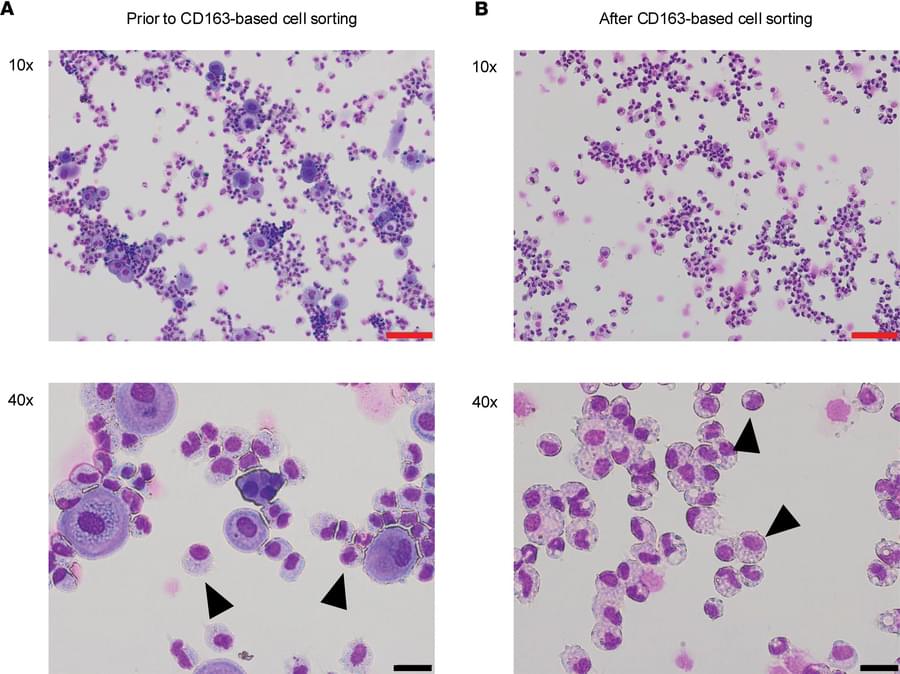
Laszlo Nagy & team define unique regulatory programs of placental Hofbauer cells, advancing understanding of their role in pregnancy health and potential disease:

The image shows enrichment of Hofbauer cells by CD163-based cell sorting Placenta Fetal Development.


1Department of Biochemistry and Molecular Biology, Faculty of Medicine, and.

2Doctoral School of Molecular Cell and Immune Biology, University of Debrecen, Debrecen, Hungary.

3Institute for Fundamental Biomedical Research, Johns Hopkins All Children’s Hospital, St. Petersburg, Florida, USA.

/* */