Toggle light / dark theme

Reverse Age

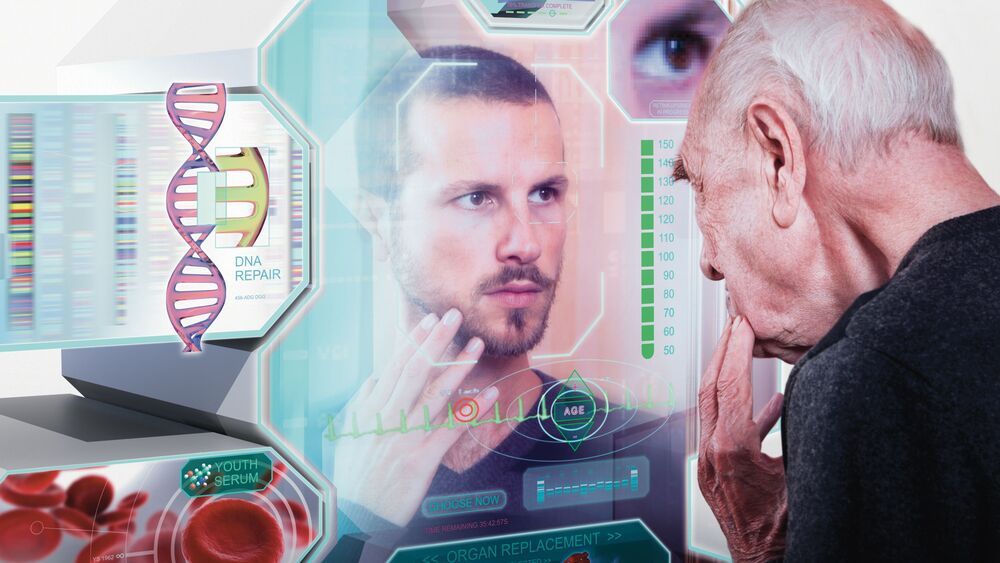
This is the FIRST part of the interview with Rodolfo Goya.


In this video Professor Goya talks about his role in the original experiment and the progress in his current study to reproduce the results with young blood plasma.

Professor Rodolfo Goya is Senior Scientist at The National Scientific and Technical Research Council in Argentina where he is a biochemist and researcher.

Dr. Goya has led a number of studies on cellular reprogramming and restoration of function in important organs, such as the thymus and the brain. He is also studying different aspects of cryopreservation.

He was one of the authors of the paper “Reversing age: dual species measurement of epigenetic age with a single clock” and is now working in his lab to reproduce and extend the results.

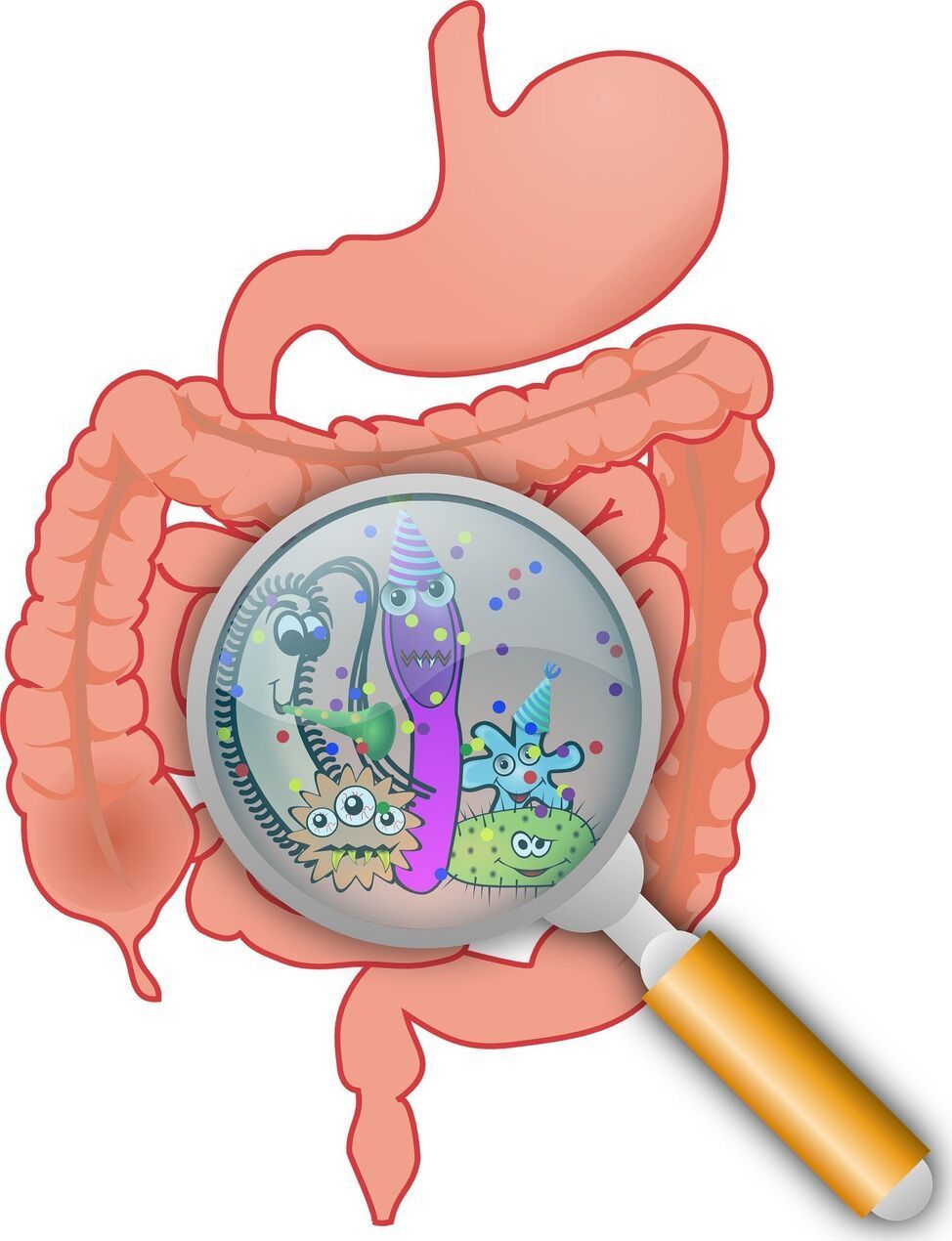
Gut microbiome implicated in healthy aging and longevity

The gut microbiome is an integral component of the body, but its importance in the human aging process is unclear. ISB researchers and their collaborators have identified distinct signatures in the gut microbiome that are associated with either healthy or unhealthy aging trajectories, which in turn predict survival in a population of older individuals. The work is set to be published in the journal Nature Metabolism.

SoftBank presses Vision Fund companies to seize IPO chance

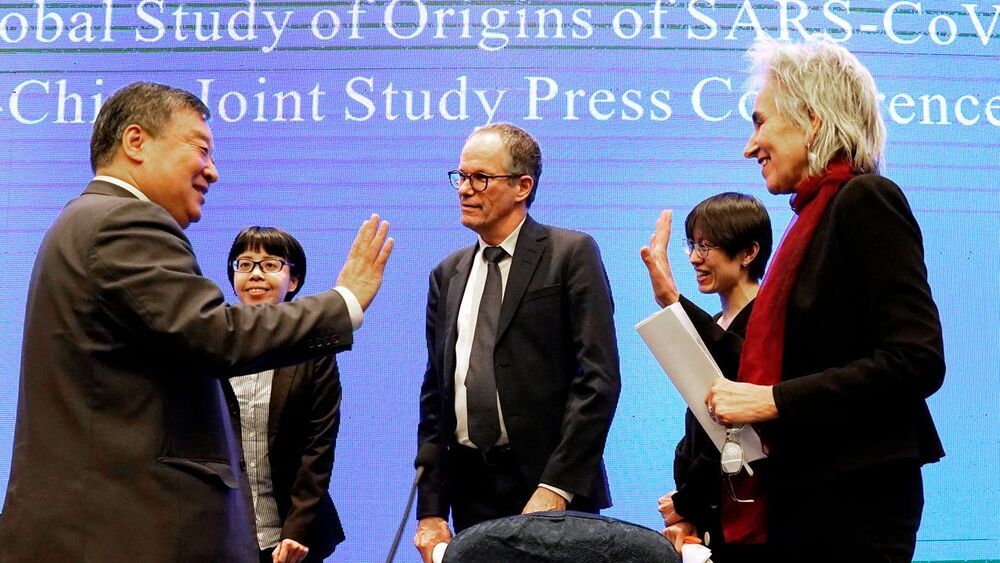
TOKYO — SoftBank Group has urged some of its high-profile portfolio companies to accelerate plans for stock market listings, telling them they should capitalize on strong investor appetite for the booming tech sector.

The Japanese tech investment group led by Chairman and CEO Masayoshi Son hopes many of the businesses in its nearly $100 billion Vision Fund will tap the bullish sentiment for tech companies after the coronavirus pandemic, sources familiar with SoftBank’s strategy say.

Scientists create Neanderthal ‘mini-brains’ using CRISPR gene-editing

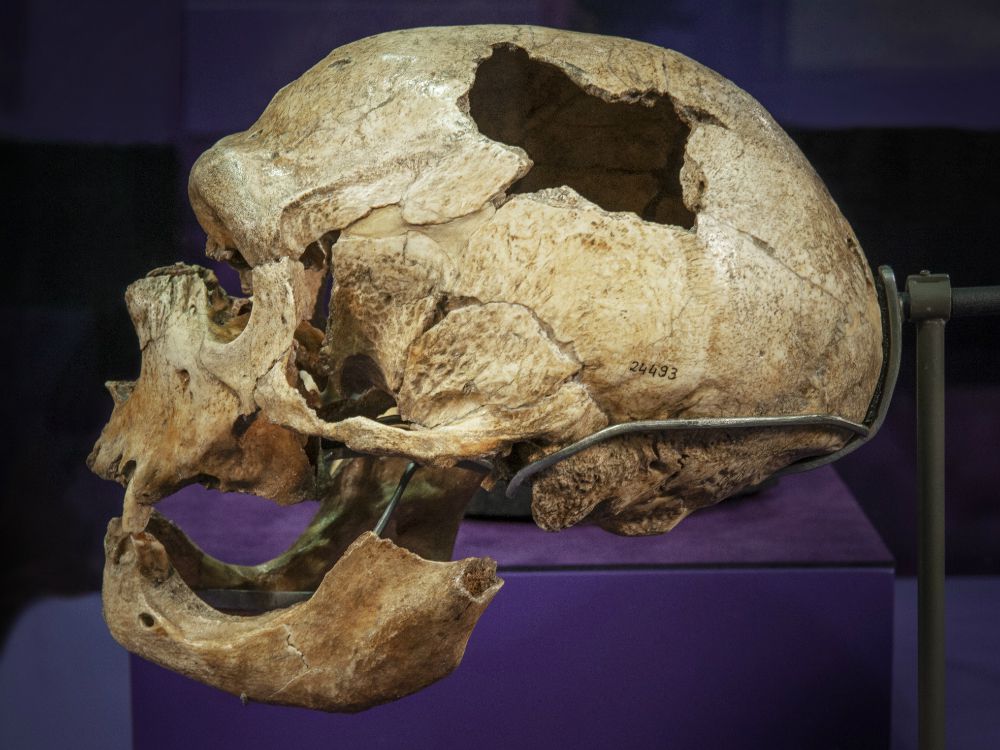
While the brain tissue of modern humans are typically smooth and spherical, the study, which was published in Science on Feb 11, found that the tissue created with the ancient genes were smaller and had rough, complex surfaces.

“The question here is what makes us human,” Muotri told CNN. “Why are our brains so different from other species including our own extinct relatives?”

Ordering the vegetarian meal? There’s more animal blood on your hands

“Figures published in 2011 suggest that, in Australia, producing wheat and other grains results in: at least 25 times more sentient animals being killed per kilogram of useable protein more environmental damage, and a great deal more animal cruelty than does farming red meat. How is this possible? Agriculture to produce wheat, rice and pulses requires clear-felling native vegetation. That act alone results in the deaths of thousands of Australian animals and plants per hectare. Since Europeans arrived on this continent we have lost more than half of Australia’s unique native vegetation, mostly to increase production of monocultures of introduced species for human consumption. Most of Australia’s arable land is already in use. If more Australians want their nutritional needs to be met by plants, our arable land will need to be even more intensely farmed. This will require a net increase in the use of fertilisers, herbicides, pesticides and other threats to biodiversity and environmental health. Or, if existing laws are changed, more native vegetation could be cleared for agriculture (an area the size of Victoria plus Tasmania would be needed to produce the additional amount of plant-based food required). Most cattle slaughtered in Australia feed solely on pasture. This is usually rangelands, which constitute about 70 per cent of the continent.”


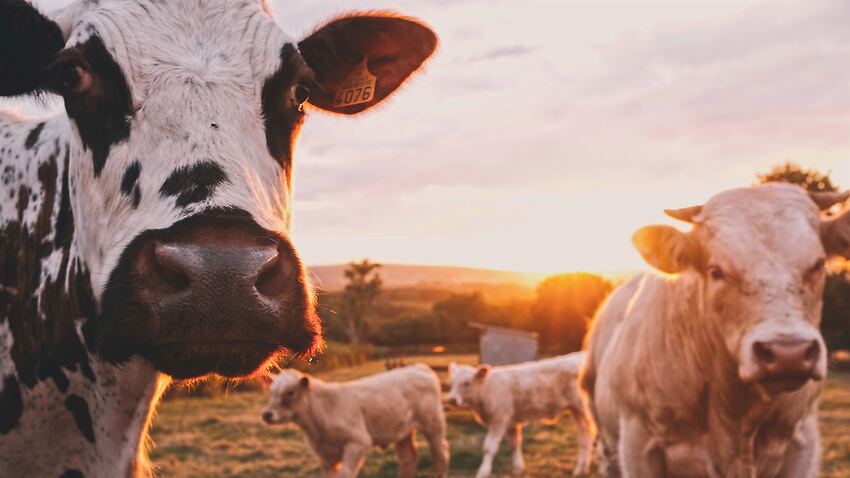
Going vegetarian, or even vegan, to minimise animal suffering and promote sustainable agriculture, actually kills more sentient animals living in vegetable crops that livestock farmed in paddocks.
/* */