Toggle light / dark theme

Stanford Scientists Slow Light Down and Steer It With Resonant Nanoantennas

Researchers have fashioned ultrathin silicon nanoantennas that trap and redirect light, for applications in quantum computing, LIDAR and even the detection of viruses.

Light is notoriously fast. Its speed is crucial for rapid information exchange, but as light zips through materials, its chances of interacting and exciting atoms and molecules can become very small. If scientists can put the brakes on light particles, or photons, it would open the door to a host of new technology applications.

Now, in a paper published on August 17, 2020, in Nature Nanotechnology, Stanford scientists demonstrate a new approach to slow light significantly, much like an echo chamber holds onto sound, and to direct it at will. Researchers in the lab of Jennifer Dionne, associate professor of materials science and engineering at Stanford, structured ultrathin silicon chips into nanoscale bars to resonantly trap light and then release or redirect it later. These “high-quality-factor” or “high-Q” resonators could lead to novel ways of manipulating and using light, including new applications for quantum computing, virtual reality and augmented reality; light-based WiFi; and even the detection of viruses like SARS-CoV-2.

NASA: An Asteroid Will Come Close To Earth Right Before Election Day

Amid a pandemic, civil unrest and a divisive US election season, we now have an asteroid zooming toward us.

On the day before the presidential vote, no less.

Yep. The celestial object known as 2018VP1 is projected to come close to Earth on November 2, according to the Center for Near Earth Objects Studies at NASA’s Jet Propulsion Laboratory.


As if 2020 hadn’t already thrown enough at us, NASA says an asteroid will come close to Earth on November 2.

Diabetes Controlled in Mice Using First Immune-Evading Human Islet Cell Organoids

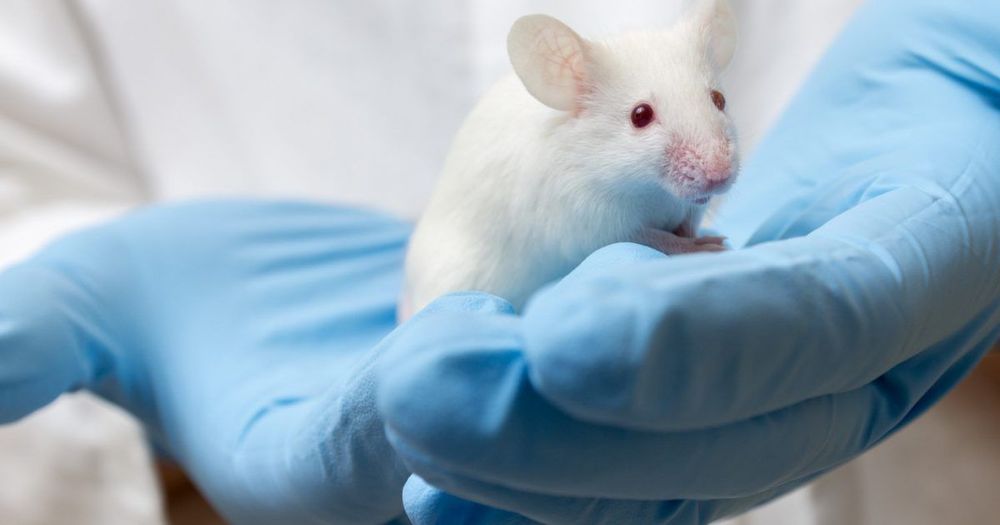
Salk Institute scientists have harnessed stem cell technology to generate the first human insulin-producing pancreatic cell clusters that can evade the immune system. Generated from induced pluripotent stem cells (iPSCs), these “immune shielded” human islet-like organoids (HILOs) controlled blood glucose following transplantation into a mouse model of diabetes, without the use of immunosuppressive drugs. The researchers suggest the achievement represents a major advance in the quest for a safe and effective treatment for type 1 diabetes (T1D), which impacts an estimated 1.6 million people in the United States, at a cost of $14.4 billion annually.

“Most type 1 diabetics are children and teenagers,” said Salk professor Ronald Evans, PhD, holder of the March of Dimes chair in molecular and developmental biology. Evans is senior author of the team’s paper, which is published in Nature. “This is a disease that is historically hard to manage with drugs. We hope that regenerative medicine in combination with immune shielding can make a real difference in the field by replacing damaged cells with lab-generated human islet-like cell clusters that produce normal amounts of insulin on demand.”

Evans and colleagues reported on their development in a paper titled, “Immune-evasive human islet-like organoids ameliorate diabetes.”

The World After the First Coronavirus Vaccine

The coronavirus has wreaked havoc on our world’s economy, and many scientists and nations are scrambling to get a vaccine out. In today’s video, I will talk about what will happen when that vaccine actually appears:

Discord Link: https://discord.gg/brYJDEr
Patreon link: https://www.patreon.com/TheFuturistTom
Please follow our instagram at: https://www.instagram.com/the_futurist_tom
For business inquires, please contact [email protected]

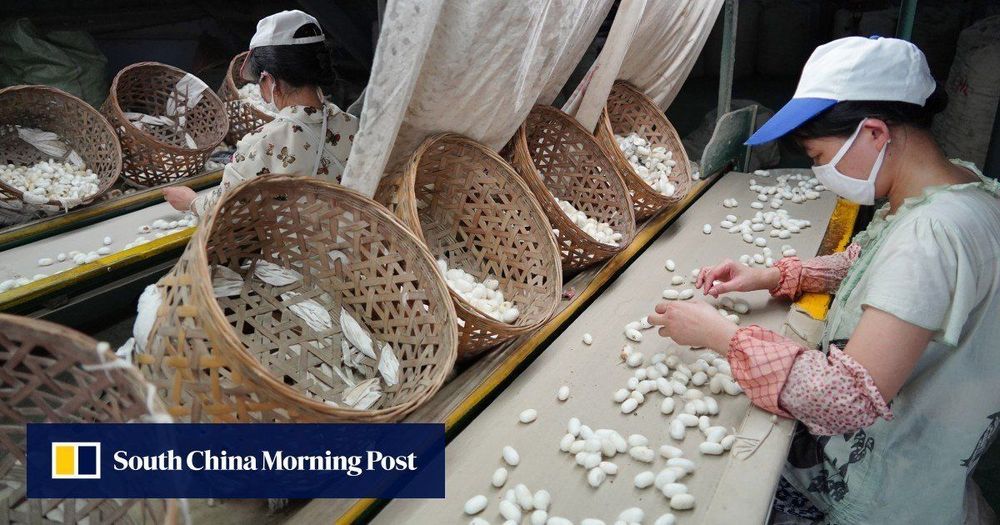
Scientists develop rewritable ‘silk drive’ that can be implanted in humans

The silk drive is still in the proof-of-concept stage and “unlikely in the foreseeable future to match the speed and storage capacity of state-of-the-art solid-state devices at a competitive cost,” according to Chinese and US researchers, who promised “substantial improvements in the speed and storage capacity of silk drives.”


Scientists at CAS and two separate US universities have jointly developed a storage medium made from silk proteins that can be implanted in the human body.

Cashew Molecule Promotes Remyelination, Halts Disease Progression in MS Mice

Anacardic acid, a compound found in cashew nuts, promoted myelin regeneration and eased neuronal damage and disability in two mouse models of multiple sclerosis (MS).

These protective effects were associated with maturation of myelin-producing cells and production of IL-33, an immune-related molecule with a neuroreparative role in the central nervous system (CNS, the brain and spinal cord).

/* */