Circa 2015
A “dialysis for cancer,” which cleanses blood of cancer, has been developed by a team of scientists from Australia.
Circa 2015
A “dialysis for cancer,” which cleanses blood of cancer, has been developed by a team of scientists from Australia.

Governments around the world are using high-tech surveillance measures to combat the coronavirus outbreak. But are they worth it?
Edward Snowden doesn’t think so.
The former CIA contractor, whose leaks exposed the scale of spying programs in the US, warns that once this tech is taken out of the box, it will be hard to put it back.
Among the drugs being investigated is remdesivir, an experimental antiviral made by the US drug company Gilead Sciences. It has been characterized as one of the most promising by health authorities, including WHO officials —though that optimism is inspired only by anecdotal information. US data on remdesivir’s performance in controlled clinical trials is expected next month, and data from late-stage trials conducted in China will be released by the end of April.
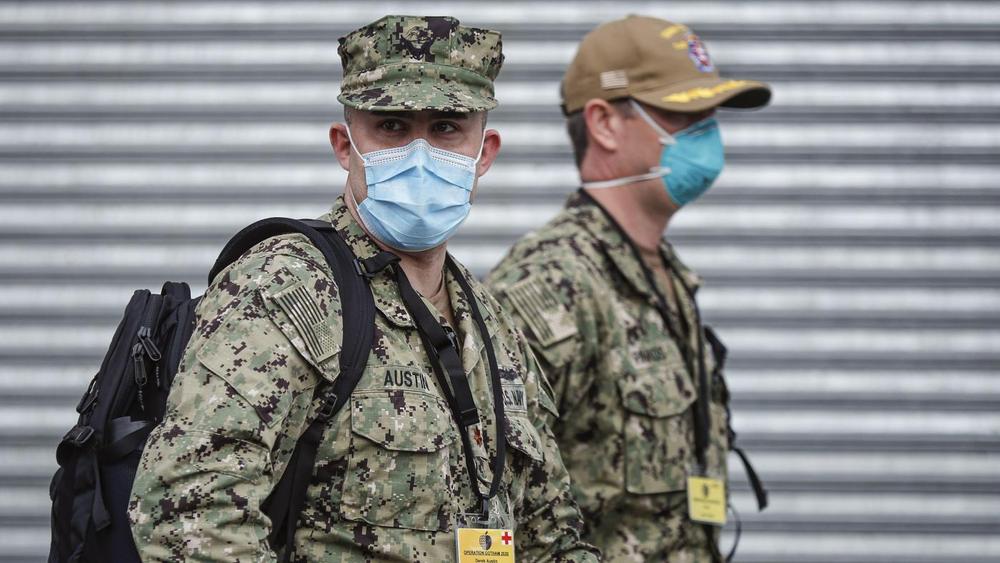
The US military, however, has already secured access to remdesivir for its service members.
On March 10, the Pentagon announced a deal with Gilead Sciences in which the pharmaceutical company would supply the military with the intravenous drug at no cost. “Together with our government and industry partners, we are progressing at almost revolutionary rates to deliver effective treatment and prevention products that will protect the citizens of the world and preserve the readiness and lethality of our service members,” Army Brig. Gen. Michael Talley, commanding general of the US Army Medical Research and Development Command (USAMRDC) and Fort Detrick, Maryland, said in a media statement at the time.
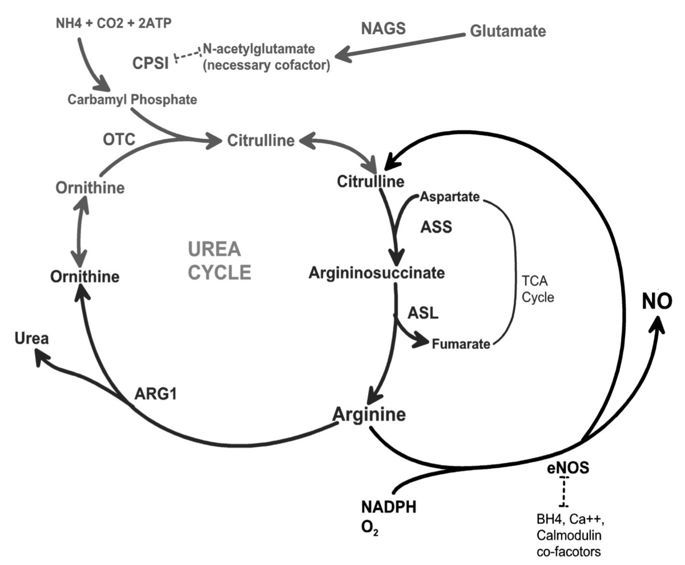
The role of nitric oxide synthase (NOS) in the pathophysiology of acute respiratory distress syndrome (ARDS) is not well understood. Inducible NOS is upregulated during physiologic stress; however, if NOS substrate is insufficient then NOS can uncouple and switch from NO generation to production of damaging peroxynitrites. We hypothesized that NOS substrate levels are low in patients with severe sepsis and that low levels of the NOS substrate citrulline would be associated with end organ damage including ARDS in severe sepsis.
Plasma citrulline, arginine and ornithine levels and nitrate/nitrite were measured at baseline in 135 patients with severe sepsis. ARDS was diagnosed by consensus definitions.
Plasma citrulline levels were below normal in all patients (median 9.2 uM, IQR 5.2 — 14.4) and were significantly lower in ARDS compared to the no ARDS group (6.0 (3.3 — 10.4) vs. 10.1 (6.2 — 16.6), P = 0.002). The rate of ARDS was 50% in the lowest citrulline quartile compared to 15% in the highest citrulline quartile (P = 0.002). In multivariable analyses, citrulline levels were associated with ARDS even after adjustment for covariates including severity of illness.
2004…
https://www.ijidonline.com/article/S1201-9712(04)00052-9/fulltext
“During the SARS epidemic, Chen and colleagues included inhalation of NO gas in the treatment of a number of SARS patients. Medicinal NO gas, a gaseous blend of nitric oxide (0.8%) and nitrogen (99.2%), was given for three days or longer, initially at 30 ppm and then at 20 and 10 ppm on the second and third day (unpublished data). Their findings suggest not only an immediate improvement of oxygenation but also a lasting effect on the disease itself after termination of inhalation of NO.
NO is a key molecule in the pathogenesis of infectious diseases. In a variety of microbial infections, NO biosynthesis occurs through the expression of an inducible nitric oxide synthase (iNOS). This molecule has been reported to have antiviral effects against a variety of DNA and RNA viruses, including mouse hepatitis virus (MHV), a murine coronavirus.4 In a recent study, replication of two SARS-CoV isolates (FFM-1 and FFM-2) was shown to be greatly inhibited by glycyrrhizin, an active compound of liquorice roots.5 Glycyrrhizin upregulates the expression of iNOS and production of NO in macrophages.”
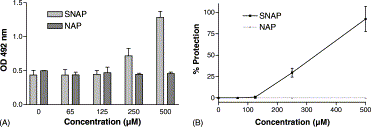
Introduction: The recent outbreak of severe acute respiratory syndrome (SARS) warrants the search for effective antiviral agents to treat the disease. This study describes the assessment of the antiviral potential of nitric oxide (NO) against SARS coronavirus (SARS-CoV) strain Frankfurt-1 replicating in African Green Monkey (Vero E6) cells.
Results: Two organic NO donor compounds, S-nitroso-N-acetylpenicillamine (SNAP) and sodium nitroprusside (SNP), were tested in a broad range of concentrations. The non-nitrosylated form of SNAP, N-acetylpenicillamine (NAP), was included as a control compound in the assay. Antiviral activity was estimated by the inhibition of the SARS-CoV cytopathic effect in Vero E6 cells, determined by a tetrazolium-based colorimetric method. Cytotoxicity of the compounds was tested in parallel.

Many virus infections elicit vigorous host immune responses, both innate and acquired. The immune responses are frequently successful in controlling and then clearing the virus, using both cellular effectors such as natural killer (NK) cells and cytolytic T lymphocytes and soluble factors such as interferons (IFNs). However, some immune responses lead to pathologic changes or are unable to prevent the pathogen’s growth. This review will not be devoted to the different strategies viruses have taken to promote their transmission or survival but rather to one aspect of the innate immune response to infection: the role of nitric oxide (NO) in the antiviral repertoire. Recently, data from many laboratories, using both RNA and DNA viruses in experimental systems, have implicated a role for NO in the immune response. The data do not indicate a magic bullet for all systems but suggest that NO may inhibit an early stage in viral replication and thus prevent viral spread, promoting viral clearance and recovery of the host.
The earliest host responses to viral infections are nonspecific and involve the induction of cytokines, among them, IFNs and tumor necrosis factor alpha (TNF-α). Gamma IFN (IFN-γ) and TNF-α have both been shown to be active in many cell types and induce cascades of downstream mediators (reviewed in references 25, 34, and 41). Others have found that NO synthase type 2 (NOS-2, iNOS) is an IFN-γ-inducible protein in macrophages, requiring IRF-1 as a transcription factor (12, 17). We have observed that the isoform expressed in neurons, NOS-1, is IFN-γ, TNF-α, and interleukin-12 (IL-12) inducible (20). Thus, NOS falls into the category of IFN-inducible proteins, activated during innate immune responses.
NO is produced by the enzymatic modification of l-arginine to l-citrulline and requires many cofactors, including tetrahydrobiopterine, calmodulin, NADPH, and O2. NO rapidly reacts with proteins or with H2O2 to form ONOO−, peroxynitrite, which is highly toxic (Fig. (Fig.1). 1 ). NO also readily binds heme proteins, including Hb and its own enzyme.

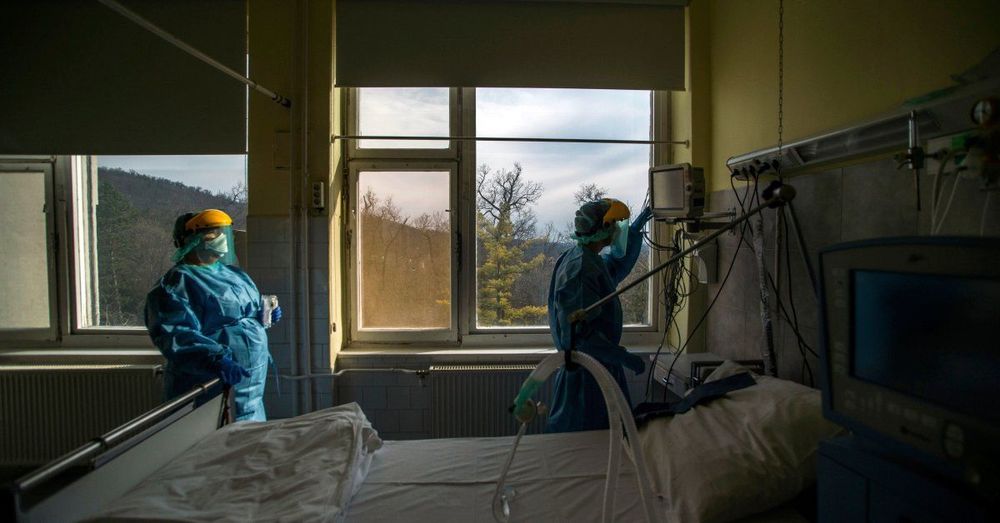
#Repost “Some doctors are experimenting with adding nitric oxide to the mix, to help improve blood flow and oxygen to the least damaged parts of the lungs.”
Ironically enough nitric oxide improves blood oxygen flow, and also clears blood clots. Some patients who survive COVID19 have clots in the blood vessels in their lungs. We just have to wait and see.
(NEW YORK) — As health officials around the world push to get more ventilators to treat coronavirus patients, some doctors are moving away from using the breathing machines when they can. The reason: Some hospitals have reported unusually high death rates for coronavirus patients on ventilators, and some doctors worry that the machines could be harming certain patients.
Read more: Front Line Workers Tell Their Own Stories in the New Issue of TIME
The evolving treatments highlight the fact that doctors are still learning the best way to manage a virus that emerged only months ago. They are relying on anecdotal, real-time data amid a crush of patients and shortages of basic supplies.

An early analysis of remdesivir, a drug developed by pharmaceutical firm Gilead, has shown that it may have improved severe symptoms of COVID-19 in 68% of patients after 18 days.
For the Gilead-funded study, doctors recruited 61 patients hospitalized with COVID-19 with oxygen saturation of 94% or less while breathing ambient air or receiving oxygen support. To receve remdesivir on a compassionate use basis (a program allowing the use of unapproved medicines when no other treatment options are available), on the first day of treatment, patients were administered 200mg of remesdevir, and then 100 mg daily on the remaining 9 days of treatment.
After 18 days of receiving the treatment, the doctors found just 53 patients who met the criteria following treatment for analysis. Among them, 36 (68%) had notable improvements in oxygen support class, including 17 patients receiving mechanical ventilation who were extubated. 25 patients were consequently discharged, while 7 died.