Toggle light / dark theme

The Impossibility of Mind Uploading

My most recent post, “Living in a Computer Simulation,” elicited some insightful comments from a reader skeptical of the possibility of mind uploading. Here is his argument with my own brief response to it below.

My comment concerns a reductive physicalist theory of the mind, which is the view that all mental states and properties of the mind will eventually be explained by scientific accounts of physiological processes and states … Basically, my argument is that for this view of the mind, mind uploading into a computer is completely impractical due to accumulation of errors.

In order to replicate the functioning of a “specific” human mind within a computer, one needs to replicate the functioning of all parts of that specific brain within the computer. [In fact, the whole human body needs to be represented because the mind is a product of all sensations of all parts of the body coalescing within the brain. But, for the sake of argument, let’s just consider replicating only the brain.] In order to represent a specific human brain in the computer, each neuron in the brain would need a digital or analog representation, instantiated in hardware, software or a combination of the two. Unless this representation is an exact biological copy (clone), it will have some inherent “error” associated with it. So, let’s do a sort of “error analysis” (admittedly non-rigorous).
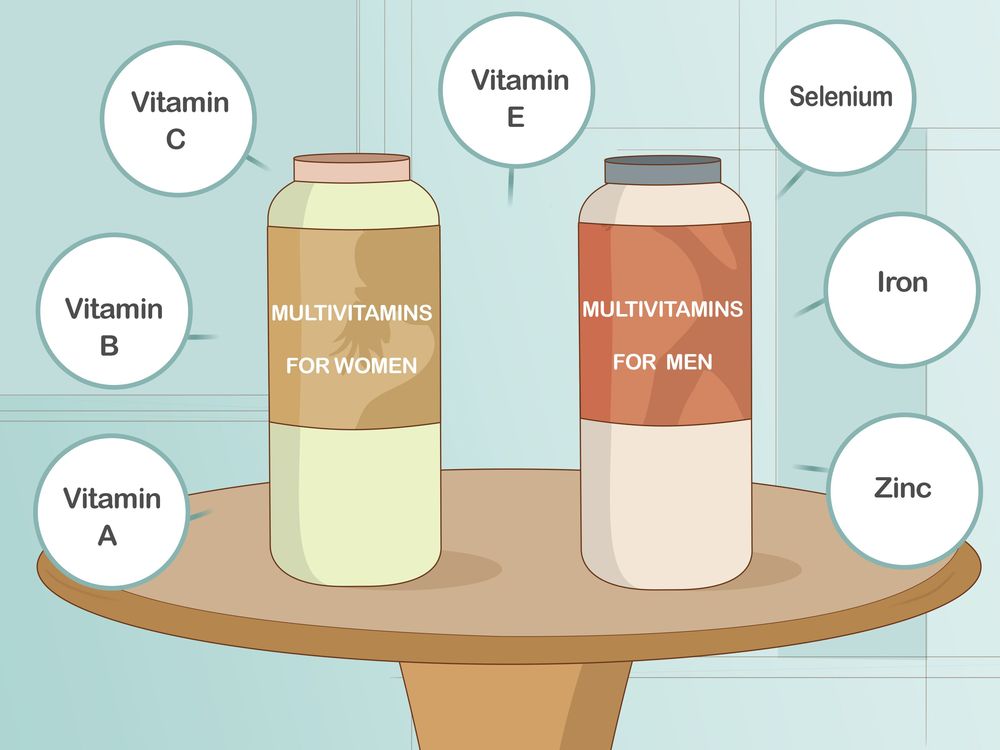
How to Build Up T‐Cells in Your Body

If you’d like to improve your immune system, work on increasing the number of t-cells in your body. T-cells are a type of lymphocyte that will attack cells that are infected with a virus. To improve your t-cell count and responsiveness, eat a healthy diet full of fresh produce and lean protein. If you’re concerned your diet isn’t balanced, take supplements that have been shown to improve the immune system.

Engineers zap and unstick underwater smart glue

With a small zap of electricity, biomedical engineers at Michigan Technological University take an underwater smart glue prototype from sticky to not in seven seconds.

Turning adhesion on and off is what makes a smart. It’s one thing to do this in the open air and quite another under water. Inspired by nature, catechols are synthetic compounds that mimic the wet-but-still-sticky proteins secreted by mussels and offer promise for smart adhesives that work in water. The technology could help with underwater glue, wound dressings, prosthetic attachments or even making car parts and in other manufacturing.

Bruce Lee, associate professor of biomedical engineering at Michigan Tech, is a part of the Office of Naval Research’s (ONR) Young Investigator Program (YIP) and showed how to use pH to make smart underwater adhesives. Along with doctoral researcher Saleh Akram Bhuiyan, Lee developed a new method using an to turn off the adhesion of a catechol-containing material.

Beyond broad strokes: sociocultural insights from the study of ancient genomes

In the field of human history, ancient DNA has provided answers to long-standing debates about major movements of people and has begun to inform on other important facets of the human experience. The field is now moving from mostly large-scale supraregional studies to a more local perspective, shedding light on socioeconomic processes, inheritance rules, marriage practices and technological diffusion. In this Review, we summarize recent studies showcasing these types of insights, focusing on methods used to infer sociocultural aspects of human behaviour. This approach often involves working across disciplines — such as anthropology, archaeology, linguistics and genetics — that have until recently evolved in separation. Multidisciplinary dialogue is important for an integrated reconstruction of human history, which can yield extraordinary insights about past societies, reproductive behaviours and even lifestyle habits that would not be possible to obtain otherwise.

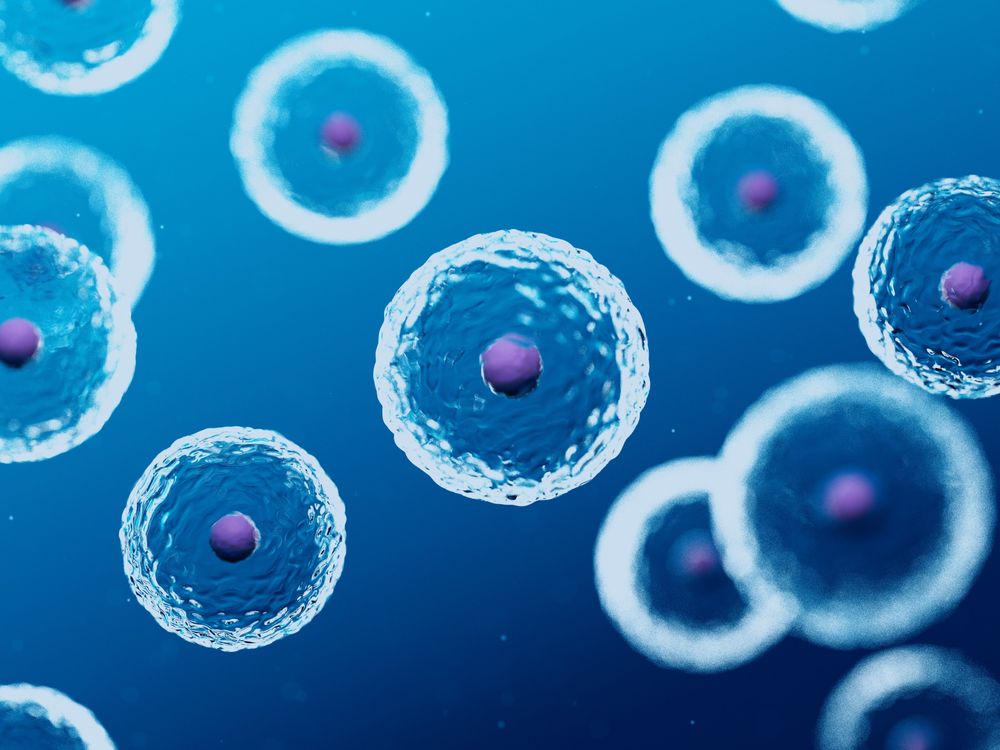
Diabetic Mice Cured With Human Stem Cells

Human stem cells have successfully been converted into cells that are capable of producing insulin by a team of researchers from the Washington University School of Medicine; the insulin producing cells were able to control blood sugar levels in experiments with diabetic mice.

“These mice had very severe diabetes with blood sugar readings of more than 500 milligrams per deciliter of blood — levels that could be fatal for a person — and when we gave the mice the insulin-secreting cells, within two weeks their blood glucose levels had returned to normal and stayed that way for many months,” lead researcher Jeffrey Millman, assistant professor at Washington University, said in a statement.

The research was described in the journal Nature Biotechnology and it builds upon previous work in which the researchers developed the insulin producing cells out of human stem cells but were not able to demonstrate effectiveness in animal models until now.

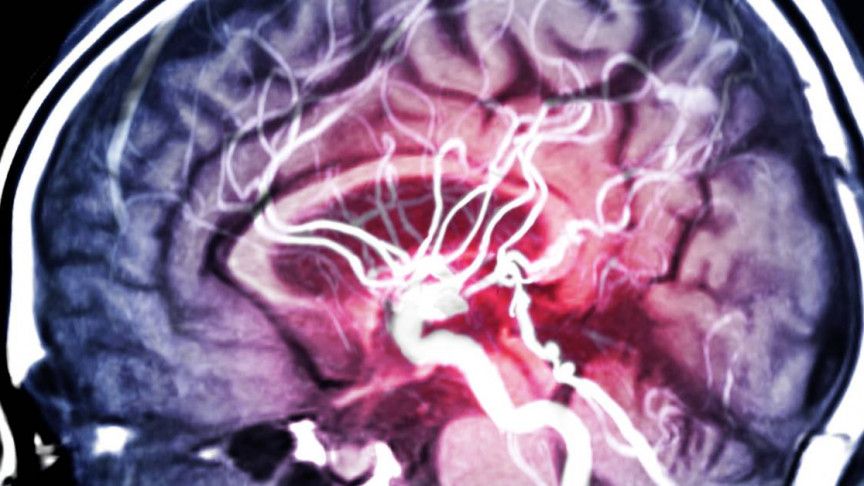
Mind-Reading Brain Scanners Could Give Voice to Intensive Care Patients

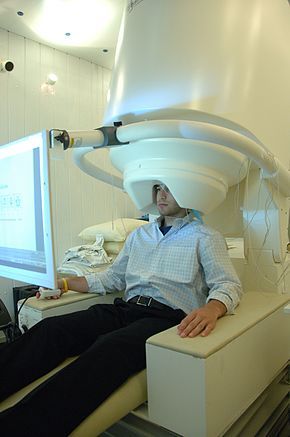
What happens to people who suffer severe injuries that make it impossible for them to communicate? They are often left at the mercy of doctors and families who are obligated to make vital decisions for them. According to New Scientist, however, now there are new mind-reading brain scanners that may remedy this situation.


The new scanners use functional near-infrared spectroscopy.

Eavesdropping on “conversations” between gut stem cells and gut bacteria

Baltimore, MD— They say a picture is worth 1,000 words. But what about a real-time window into the complexity of the gastrointestinal system?

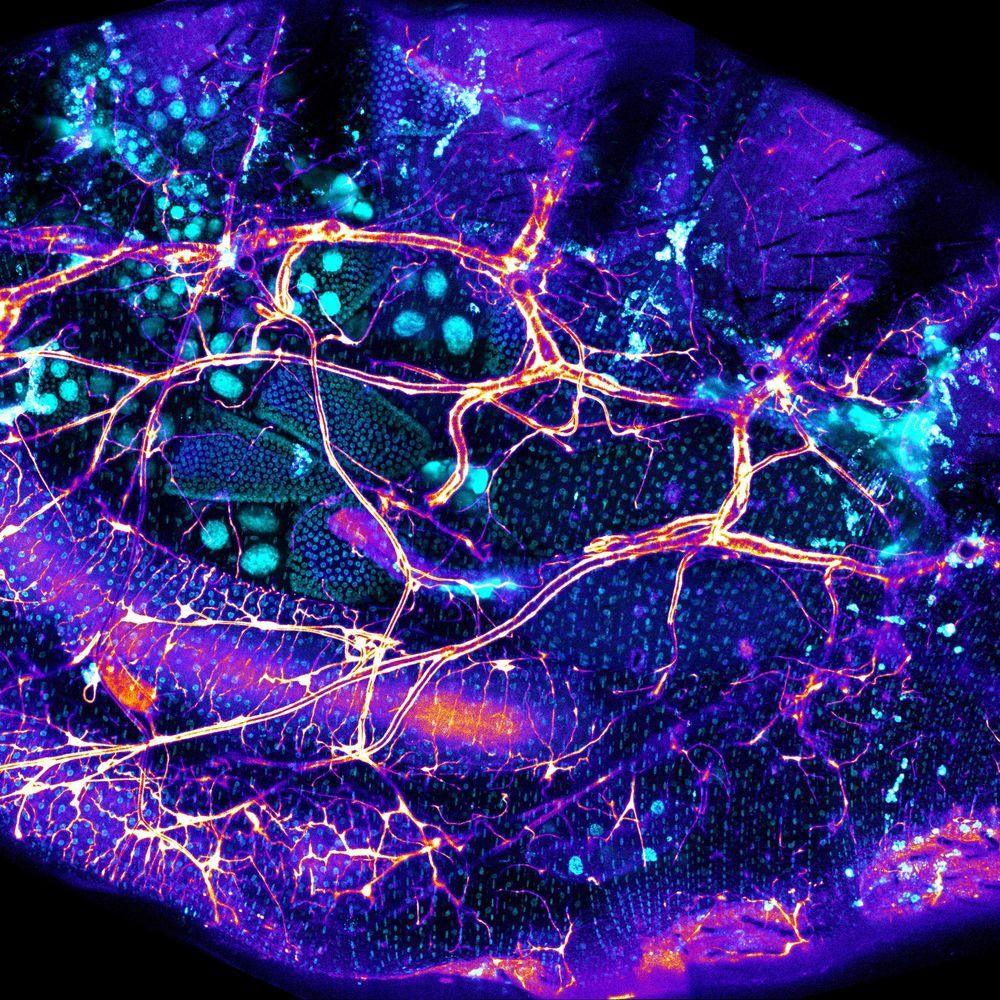
A new research tool allowed biologists to watch in real time the cell renewal process that keeps gut tissue healthy, as well as the interactions between bacterial species that make up the microbiome. Their work, led by Lucy O’Brien and KC Huang of Stanford University and Carnegie’s Will Ludington, was recently published by PLOS Biology.

The system, dubbed Bellymount, allowed researchers to peer into the live tissue of the fruit fly gut and better understand the many complex, overlapping processes occurring there.

/* */