Toggle light / dark theme

Can Stem Cells salvage failed Spinal Fusion Surgeries?

Marilyn had extensive fusion surgery all the way from her midback to the entire lower back. The surgery was done to fix her curvature in her spine.

Unfortunately, it did not help and she continued to have pain.

She has tried numerous injections and even strong pain killers which not only failed but also gave her side effects.

Her own bone marrow stem cells were extracted and after concentrating, they were injected back into her thoracic and lumbar discs.

Marilyn is now showing significant improvement in her pain. More importantly, there has been an increase in her function. In our experience, those patients who respond to stem cell therapy, their pain relief lasts for years.

Read below to find out more about how stem cells are relieving pain from failed fusion surgeries.

How To Hack A Human Brain | VICE on HBO

Advancements in neurotechnology are blurring the line between biology and technology. There is an emerging push to implant electronic devices inside the human body, hardwire them to our brains, and allow us to not only overcome disadvantages or injury but open up entirely new avenues of human experience.

VICE’s Thomas Morton got an inside look at what might be the next evolutionary step for humankind.

Check out VICE News for more: http://vicenews.com
Follow VICE News here:
Facebook: https://www.facebook.com/vicenews
Twitter: https://twitter.com/vicenews
Tumblr: http://vicenews.tumblr.com/
Instagram: http://instagram.com/vicenews
More videos from the VICE network: https://www.fb.com/vicevideo
#VICEonHBO

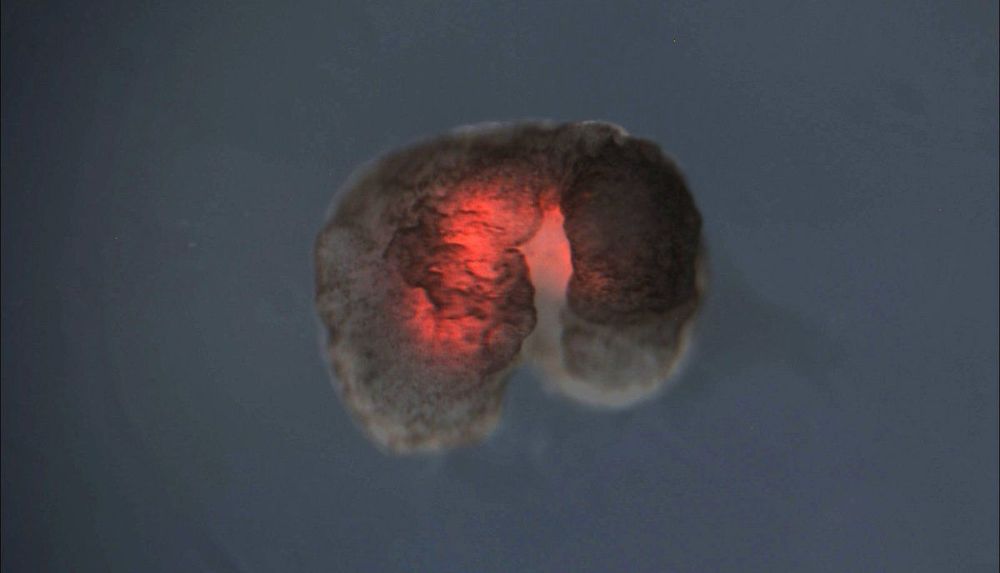
Meet the xenobot: world’s first living, self-healing robots created from frog stem cells

Scientists have created the world’s first living, self-healing robots using stem cells from frogs.

Named xenobots after the African clawed frog (Xenopus laevis) from which they take their stem cells, the machines are less than a millimeter (0.04 inches) wide — small enough to travel inside human bodies. They can walk and swim, survive for weeks without food and work together in groups.

These are “entirely new life-forms,” said the University of Vermont, which conducted the research with Tufts University.

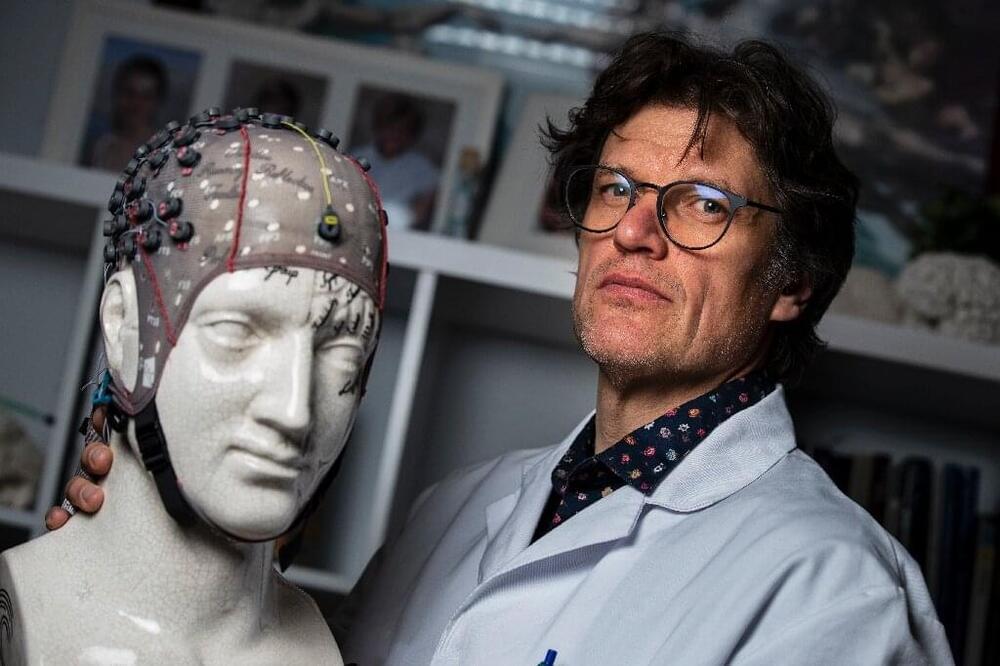
Belgian brain doctor awarded for easing coma survivors’ return

Not all patients who fall into a coma return, and when they do it can mark a moment of joy for their loved ones—but their troubles are rarely over.

Often, brain damage leaves them paralysed or unable to communicate.

Belgian neurologist Steven Laureys has dedicated himself to the question of how to improve the lives of the formerly comatose, and of their families.

/* */