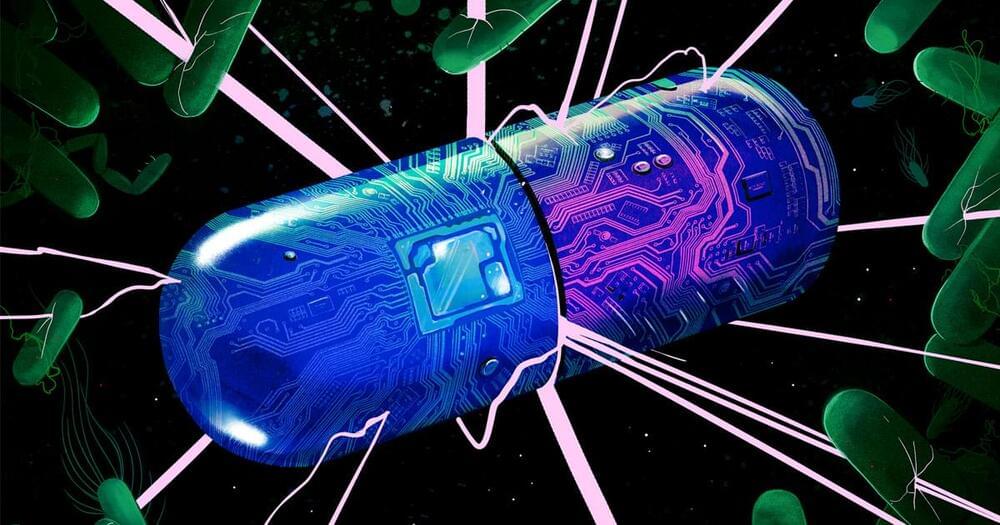
Proponents of the technology claim it can get people off of opioids, improve their sex lives, and make them smarter. Critics say it’s bunk.

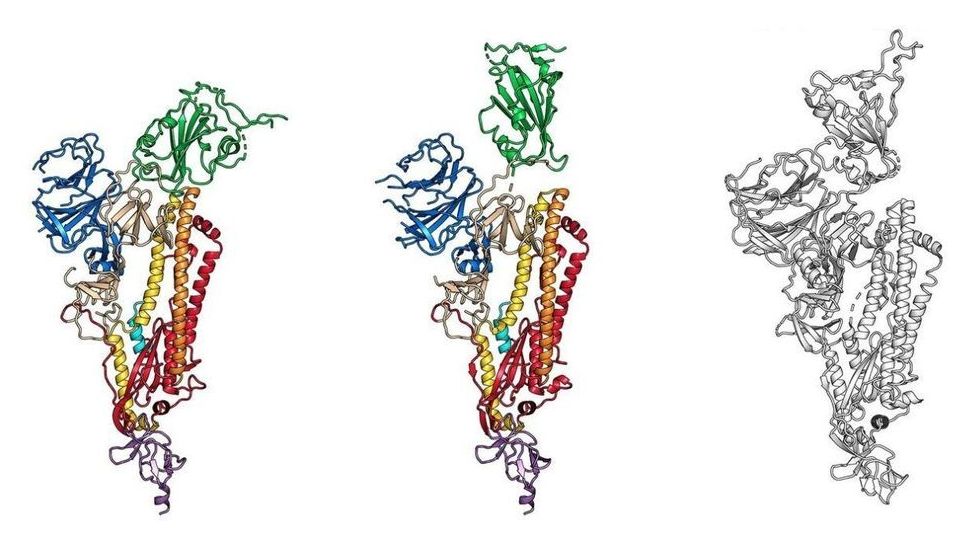
Foldit is crowdsourcing a cure and needs lots new players. All Transhumanist should participate.
The University of Washington is taking a novel approach to combat the spread of coronavirus around the world.
A new puzzle game from the university challenges scientists and the public alike to build a protein that could block the virus from infiltrating human cells. The game is on Foldit, a 12-year-old website created by the university’s Center for Game Science designed to crowdsource contributions to important protein research from more than 200,000 registered players.
The most promising ideas generated by the game will be tested and possibly manufactured by UW’s Institute for Protein Design in Seattle.
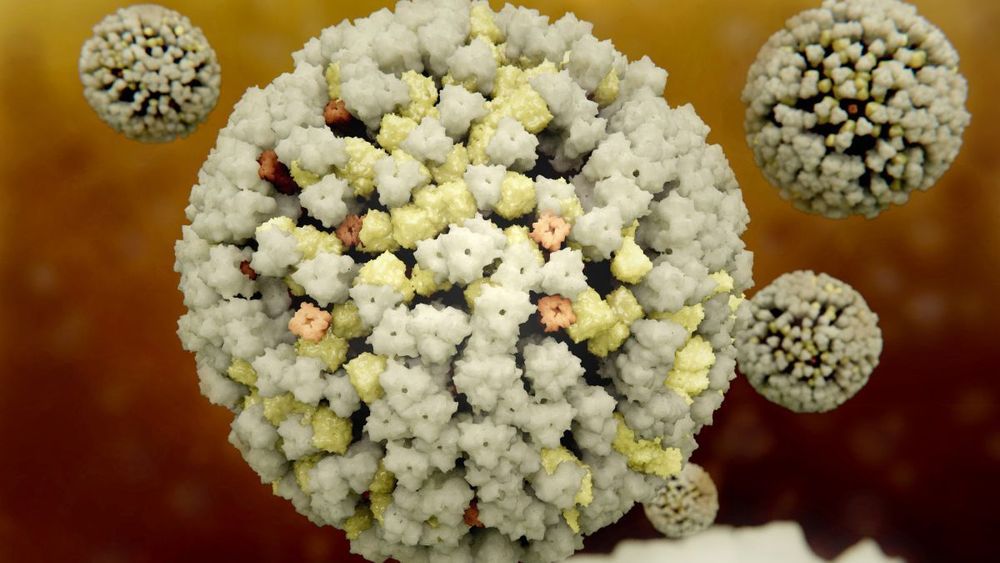
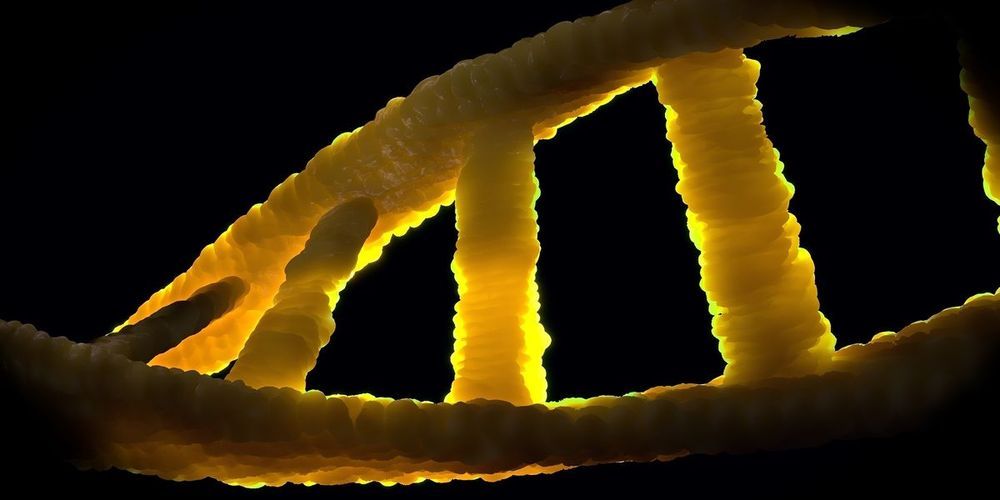
Since 2012, the gene-editing tool CRISPR/Cas9 has enabled scientists to target and modify DNA with remarkable precision. But one constraint of this technique has been that it’s only able to make changes within single genes. Now, scientists have developed new tools that allow them to cut and splice large chunks of chromosomes, and to assemble new synthetic genomes from distinct strains.
The findings, published in a paper on August 30 in Science, likely have major implications for fields such as synthetic biology, computational biology, and biological computing, and could lead to better treatments for a wide array of diseases.
“This new paper is incredibly exciting and a huge step forward for synthetic biology,” Anne Meyer, a synthetic biologist at the University of Rochester in New York who was not involved in the paper, told Science.
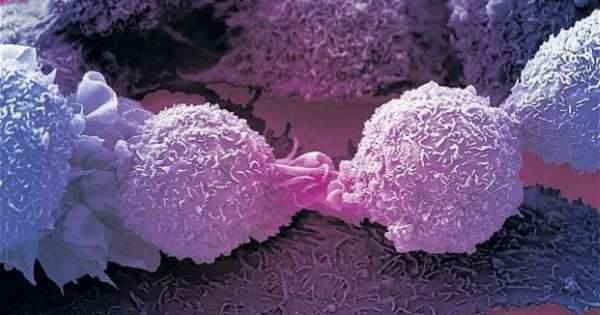
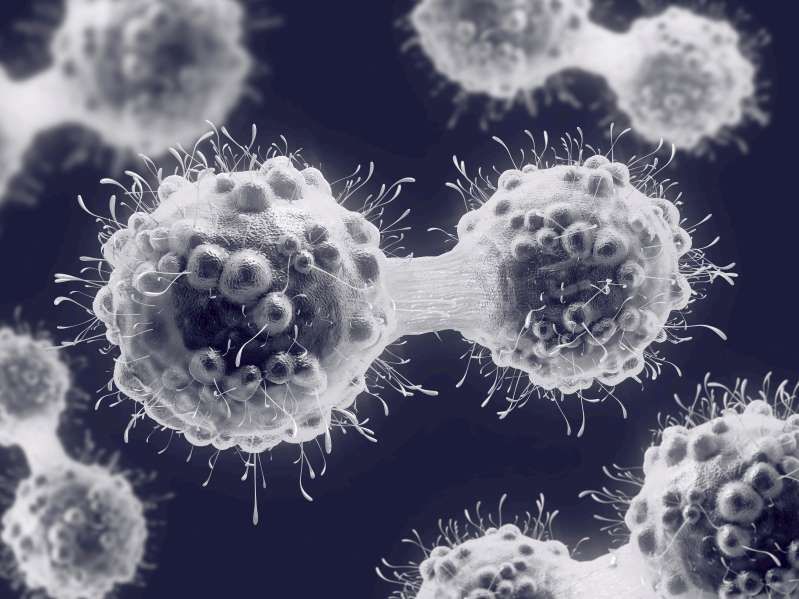 3D illustration of a cancer cell in the process of mitosis. A new type of immune cell which kills most cancers has been discovered by accident by British scientists, in a finding which could herald a major breakthrough in treatment.
Researchers at Cardiff University were analysing blood from a bank in Wales, looking for immune cells that could fight bacteria, when they found an entirely new type of T-cell.
That new immune cell carries a never-before-seen receptor which acts like a grappling hook, latching on to most human cancers, while ignoring healthy cells.


A decision by the Italian authorities to place 16 million people into coronavirus quarantine descended into chaos on Sunday night as dozens of flights from affected areas were permitted to land in Britain.
More than a quarter of the population of Italy was placed on lockdown in a bid to stem the spread of coronavirus after deaths in the country rose by a third in a single day.
On Monday, Boris Johnson, the Prime Minister, will convene a Cobra meeting of his top ministers and advisers in the Cabinet Office as Britain braces for the full force of the outbreak.
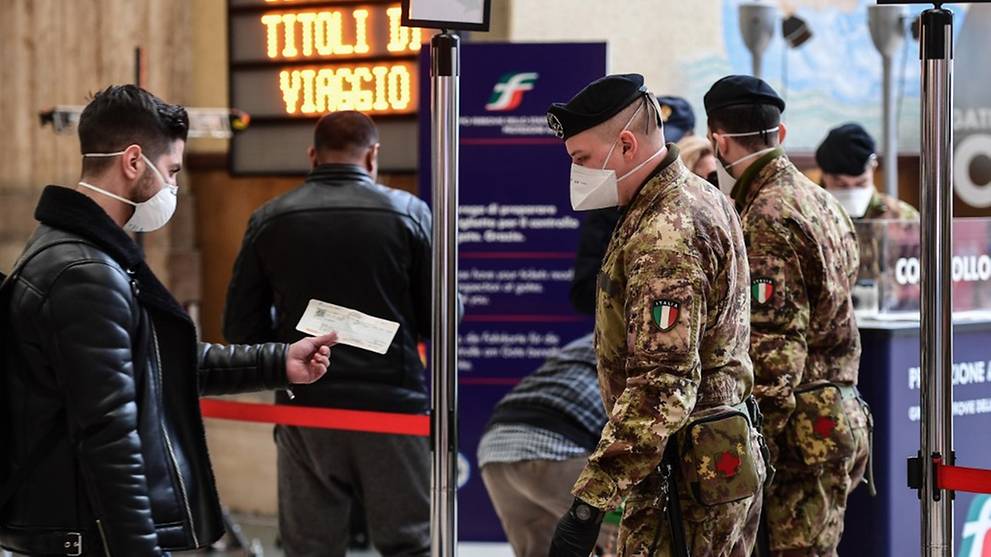
ROME: Prime Minister Giuseppe Conte on Monday (Mar 9) extended measures to tackle the new coronavirus across the whole country, telling people to “stay at home” and banning public gathering as well as Serie A football matches.
The unprecedented measures covering the entire Mediterranean nation of more than 60 million people came after Italy reported 97 more deaths that took its toll to 463.