One of New Jersey’s largest hospital systems said it was hit this month by a ransomware attack that disrupted care across its clinics and 17 hospitals.
Hackensack Meridian Health said Friday the attack began Dec. 2 and forced it to cancel some surgical and other procedures, though no patients were harmed and its emergency rooms kept seeing patients.
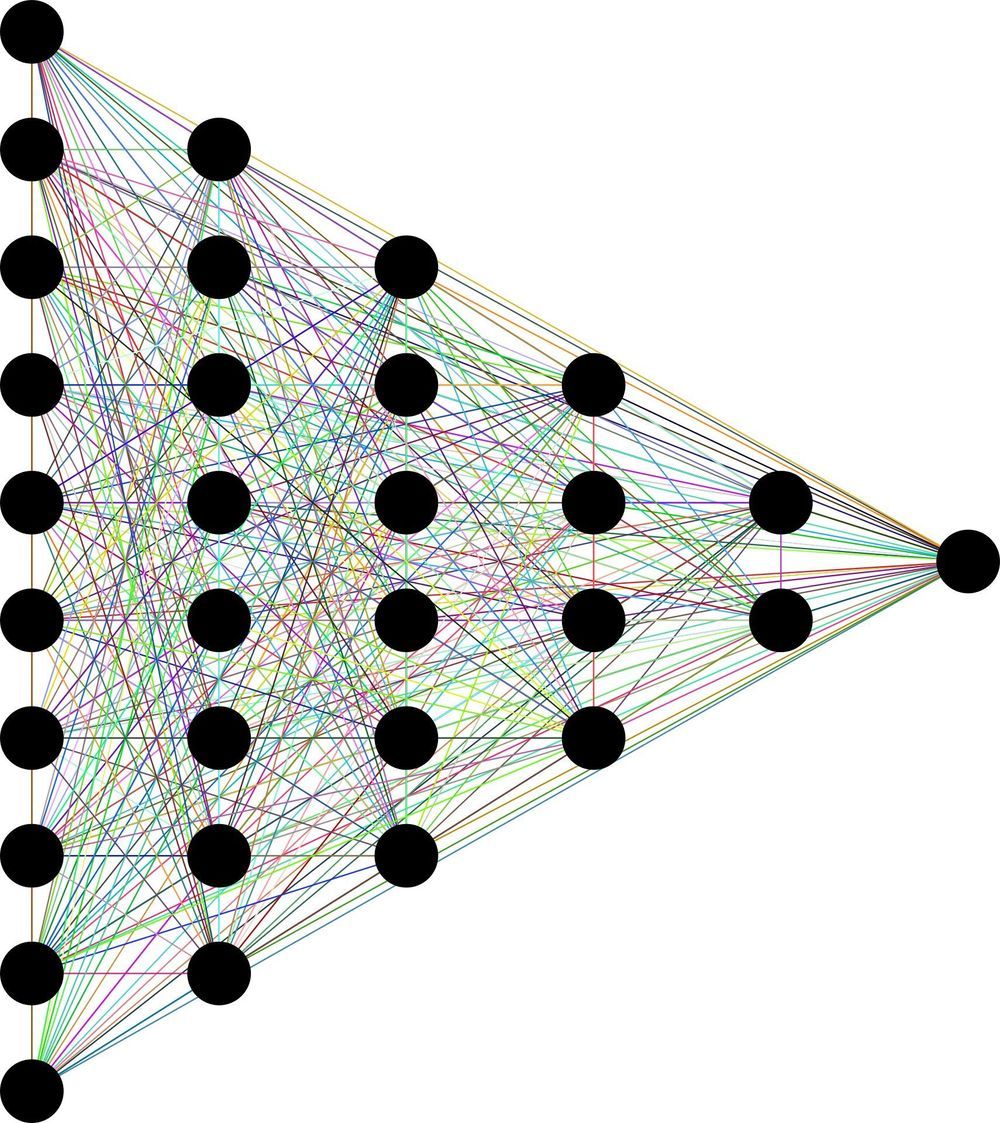
Carnegie Mellon University computer scientists have taken a deep learning method that has revolutionized face recognition and other image-based applications in recent years and redirected its power to explore the relationship between genes.
The trick, they say, is to transform massive amounts of gene expression data into something more image-like. Convolutional neural networks (CNNs), which are adept at analyzing visual imagery, can then infer which genes are interacting with each other. The CNNs outperform existing methods at this task.
The researchers’ report on how CNNs can help identify disease-related genes and developmental and genetic pathways that might be targets for drugs is being published today in the Proceedings of the National Academy of Science. But Ziv Bar-Joseph, professor of computational biology and machine learning, said the applications for the new method, called CNNC, could go far beyond gene interactions.
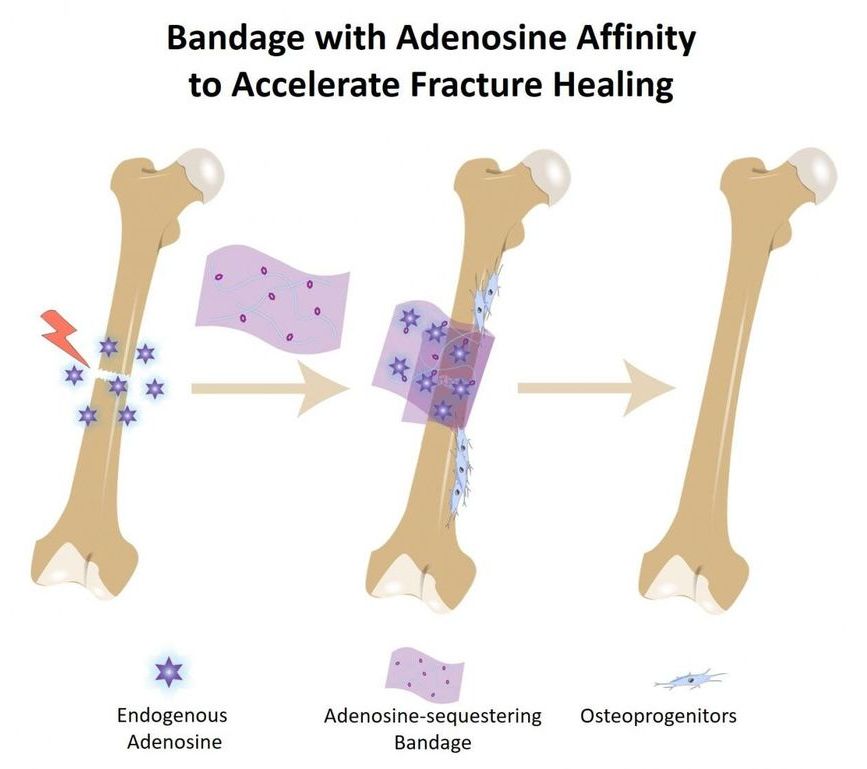
Researchers at Duke University have engineered a bandage that captures and holds a pro-healing molecule at the site of a bone break to accelerate and improve the natural healing process.
In a proof-of-principle study with mice, the bandage helped to accelerate callus formation and vascularization to achieve better bone repair by three weeks.
The research points toward a general method for improving bone repair after damage that could be applied to medical products such as biodegradable bandages, implant coatings or bone grafts for critical defects.
Materials formed on vanishingly small scales are being used in medicine, electronics, manufacturing and a host of other applications. But scientists have only scratched the surface of understanding how to control building blocks on the nanoscale, where simple machines the size of a virus operate.
Now, a team of researchers led by Dongsheng Li, a materials scientist at PNNL, and collaborators at the University of Michigan and the Chinese Academy of Sciences, have unlocked the secret to one of the most useful nanostructures: the five-fold twin. Their study describing why and how this shape forms is detailed in the journal Science and was presented at the Materials Research Society annual meeting on December 5, 2019.
A cross section of a five-fold twin structure looks for all the world like a pie sliced into five perfectly symmetrical pieces. Nanomaterials with this structure have already been shown to have useful properties and are deployed in medical research for precisely tagging cancerous tumors for imaging and tracking, and in electronics, where they are valued for their mechanical strength.
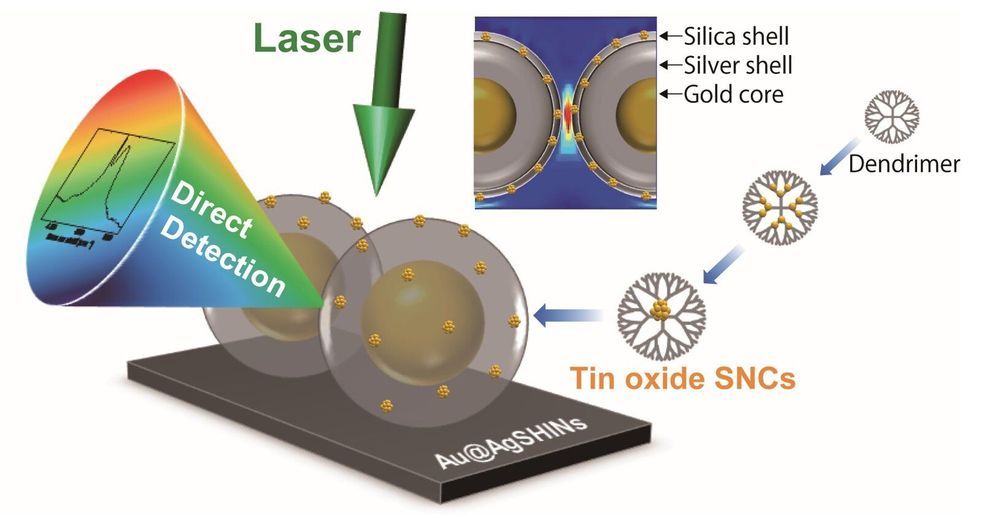
Scientists at Tokyo Institute of Technology (Tokyo Tech) have developed a new methodology that allows researchers to assess the chemical composition and structure of metallic particles with a diameter of only 0.5 to 2 nm. This breakthrough in analytical techniques will enable the development and application of minuscule materials in the fields of electronics, biomedicine, chemistry, and more.
The study and development of novel materials have enabled countless technological breakthroughs and are essential across most fields of science, from medicine and bioengineering to cutting-edge electronics. The rational design and analysis of innovative materials at nanoscopic scales allows us to push through the limits of previous devices and methodologies to reach unprecedented levels of efficiency and new capabilities. Such is the case for metal nanoparticles, which are currently in the spotlight of modern research because of their myriad potential applications. A recently developed synthesis method using dendrimer molecules as a template allows researchers to create metallic nanocrystals with diameters of 0.5 to 2 nm (billionths of a meter).
Humans have a maximum natural lifespan of only 38 years, according to researchers, who have discovered a way to estimate how long a species lives based on its DNA.
Scientists at Australia’s national science agency have developed a genetic ‘clock’ computer model that they claim can accurately estimate how long different vertebrates are likely to survive — including both living and extinct species.
Using the human genome, the researchers found that the maximum natural lifespan of humans is 38 years, which matches anthropological estimates of lifespan in early modern humans.
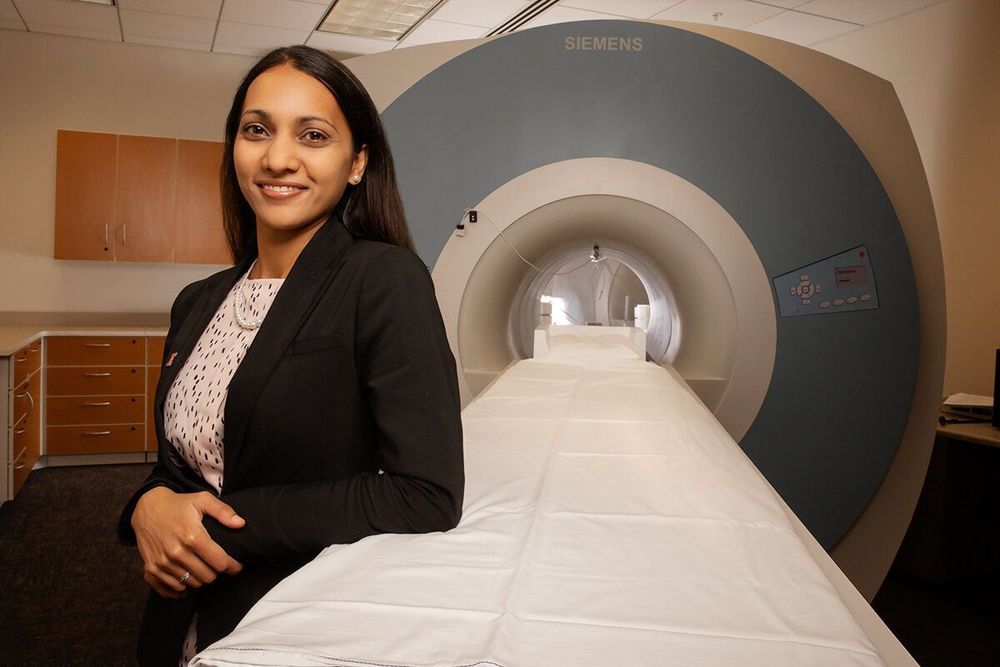
Scientists have known for decades that aerobic exercise strengthens the brain and contributes to the growth of new neurons, but few studies have examined how yoga affects the brain. A review of the science finds evidence that yoga enhances many of the same brain structures and functions that benefit from aerobic exercise.
The review, published in the journal Brain Plasticity, focused on 11 studies of the relationship between yoga practice and brain health. Five of the studies engaged individuals with no background in yoga practice in one or more yoga sessions per week over a period of 10–24 weeks, comparing brain health at the beginning and end of the intervention. The other studies measured brain differences between individuals who regularly practice yoga and those who don’t.
Each of the studies used brain-imaging techniques such as MRI, functional MRI or single-photon emission computerized tomography. All involved Hatha yoga, which includes body movements, meditation and breathing exercises.
Neal Francis Vanderee posted this {I declare the names of anyone whom I share their material if their name does not share with the posting} another amazing act and feat of physiological research… AEWR.
30 days after receiving the treatment, the mice with pancreatic cancer cells transplanted from humans experienced a 90% reduction in tumors.