Toggle light / dark theme

Celebrating Our Second Conference

Ending Age-Related Diseases 2019 is over, and the dust is starting to settle after what can only be described as a hugely successful event for our organization. This was our second year of running a conference, and once more, we focused on the research and investment areas of rejuvenation biotechnology.

Totally sold out

This year, our venue at the Frederick P. Rose Auditorium at the Cooper Union in New York City was so popular that we totally sold out of tickets this year and had to turn people away! Our advice for next year is definitely to book early to avoid disappointment and take advantage of the lower prices that early booking offers.

Researchers repair faulty brain circuits using nanotechnology

Working with mouse and human tissue, Johns Hopkins Medicine researchers report new evidence that a protein pumped out of some—but not all—populations of “helper” cells in the brain, called astrocytes, plays a specific role in directing the formation of connections among neurons needed for learning and forming new memories.

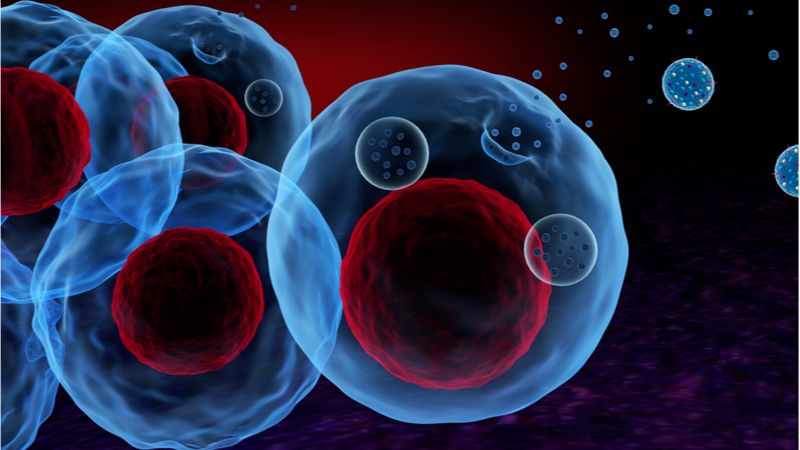
Using mice genetically engineered and bred with fewer such connections, the researchers conducted proof-of-concept experiments that show they could deliver corrective proteins via nanoparticles to replace the missing protein needed for “road repairs” on the defective neural highway.

Since such connective networks are lost or damaged by such as Alzheimer’s or certain types of intellectual disability, such as Norrie disease, the researchers say their findings advance efforts to regrow and repair the networks and potentially restore normal brain function.

Dr. Deborah Mash, Professor of Neurology and Molecular and Cellular Pharmacology, Director of the Brain Endowment Bank at the University of Miami, and CEO of DemeRx — Ira Pastor — ideaXme Show

Freezing cells made safer thanks to new polymer

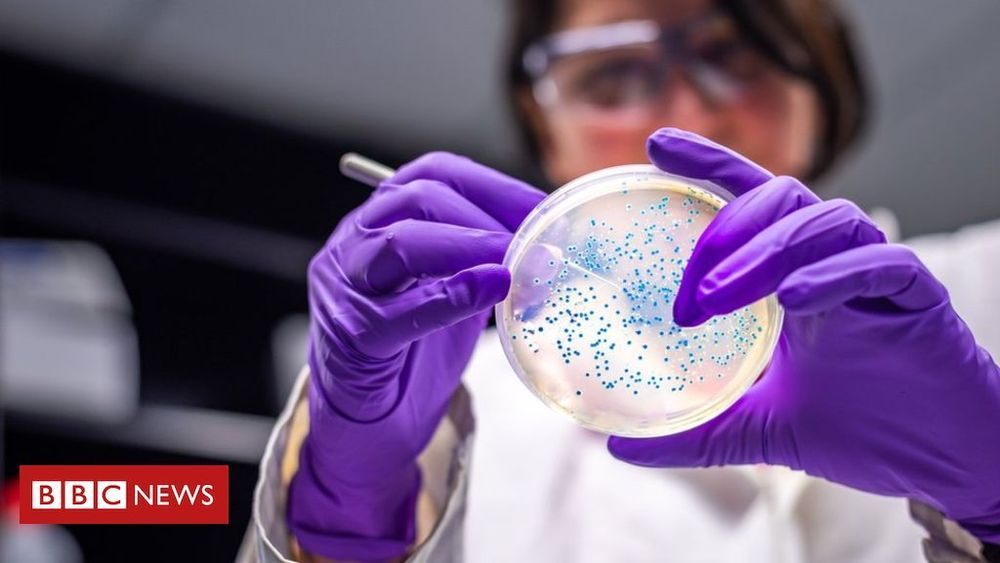
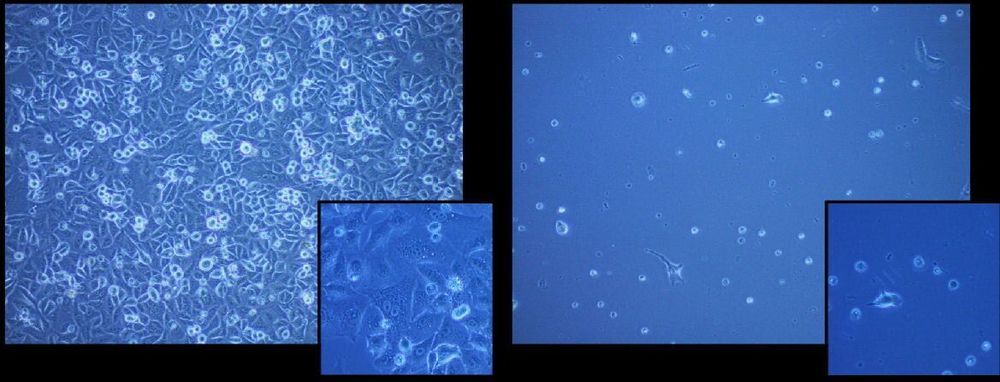
Cell freezing (cryopreservation)—which is essential in cell transfusions as well as basic biomedical research—can be dramatically improved using a new polymeric cryoprotectant, discovered at the University of Warwick, which reduces the amount of ‘anti-freeze’ needed to protect cells.

The ability to freeze and store cells for cell-based therapies and research has taken a step forward in the paper “A synthetically scalable poly(ampholyte) which dramatically Enhances Cellular Cryopreservation.” published by the University of Warwick’s Department of Chemistry and Medical School in the journal Biomacromolecules. The new polymer material protects the cells during freezing, leading to more cells being recovered and less solvent-based antifreeze being required.

Cryopreservation of cells is an essential process, enabling banking and distribution of cells, which would otherwise degrade. The current methods rely on adding traditional ‘antifreezes’ to the cells to protect them from the cold stress, but not all the cells are recovered and it is desirable to lower the amount of solvent added.

Dermal tattoo sensors for the detection of blood pH change and metabolite levels

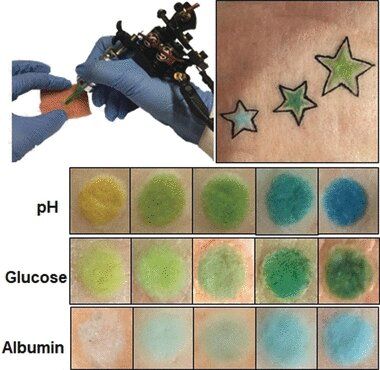
The art of tattooing may have found a diagnostic twist. A team of scientists in Germany have developed permanent dermal sensors that can be applied as artistic tattoos. As detailed in the journal Angewandte Chemie, a colorimetric analytic formulation was injected into the skin instead of tattoo ink. The pigmented skin areas varied their color when blood pH or other health indicators changed.

New Method of Halting α-Synuclein Aggregation

Researchers from the Beijing Institute of Brain Disorders have discovered a new method of using exosomes to deliver aptamers that prevent the accumulation of α-synuclein aggregates, which are the cause of Parkinson’s disease [1].

α-Synuclein Aggregates

Like Alzheimer’s, Parkinson’s disease is characterized by protein aggregation caused by a loss of proteostasis, one of the hallmarks of aging. In order for the brain to function properly, non-aggregated α-synuclein proteins are needed in order to facilitate the release of dopamine, a neurotransmitter, in nerve cell synapses. α-synuclein only becomes a problem when proteostasis fails and the proteins misfold, aggregate, and accumulate.

Japan approves first human-animal embryo experiments

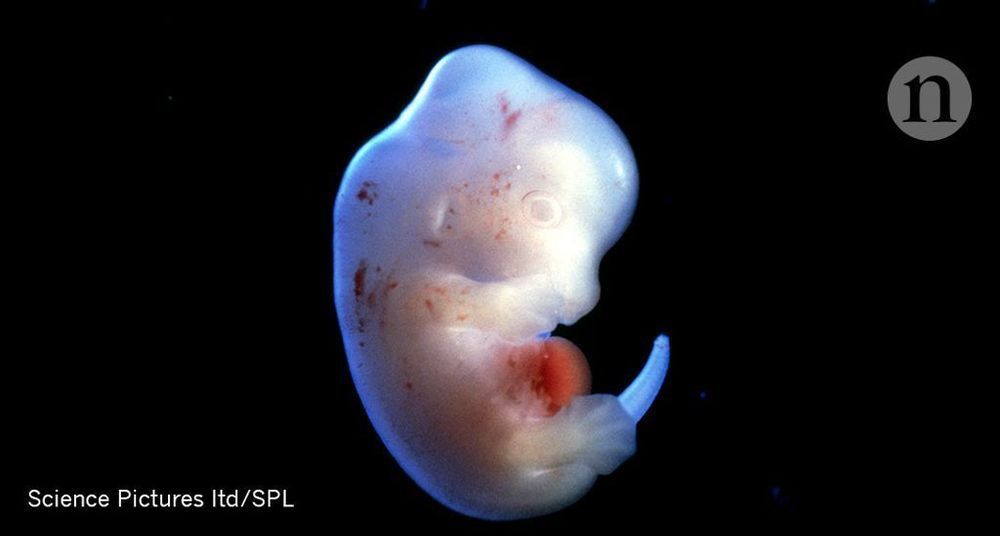
But getting human cells to grow in another species is not easy. Nakauchi and colleagues announced at the 2018 American Association for the Advancement of Science meeting in Austin, Texas that they had put human iPS cells into sheep embryos that had been engineered not to produce a pancreas. But the hybrid embryos, grown for 28 days, contained very few human cells, and nothing resembling organs. This is probably because of the genetic distance between humans and sheep, says Nakauchi.


The research could eventually lead to new sources of organs for transplant, but ethical and technical hurdles need to be overcome.

/* */