Toggle light / dark theme

Self-regulating living implant could end daily insulin injections

A pioneering study marks a major step toward eliminating the need for daily insulin injections for people with diabetes. The study was led by Assistant Professor Shady Farah of the Faculty of Chemical Engineering at the Technion—Israel Institute of Technology, in co-correspondence with MIT, and in collaboration with Harvard University, Johns Hopkins University, and the University of Massachusetts. The findings are published in the journal Science Translational Medicine.

The research introduces a living, cell-based implant that can function as an autonomous artificial pancreas, essentially a living drug that is long-term, thanks to a novel crystalline shield-protecting technology. Once implanted, the system operates entirely on its own: it continuously senses blood-glucose levels, produces insulin within the implant itself, and releases the exact amount needed—precisely when it is needed. In effect, the implant becomes a self-regulating, drug-manufacturing organ inside the body, requiring no external pumps, injections, or patient intervention.

One of the study’s most significant breakthroughs addresses the longstanding challenge of immune rejection, which has limited the success of cell-based therapies for decades. The researchers developed engineered therapeutic crystals—called “crystalline shield”—that shield the implant from the immune system, preventing it from being recognized as a foreign object. This protective strategy enables the implant to function reliably and continuously for several years.
A new way to communicate with neurons using focused ultrasound stimulation

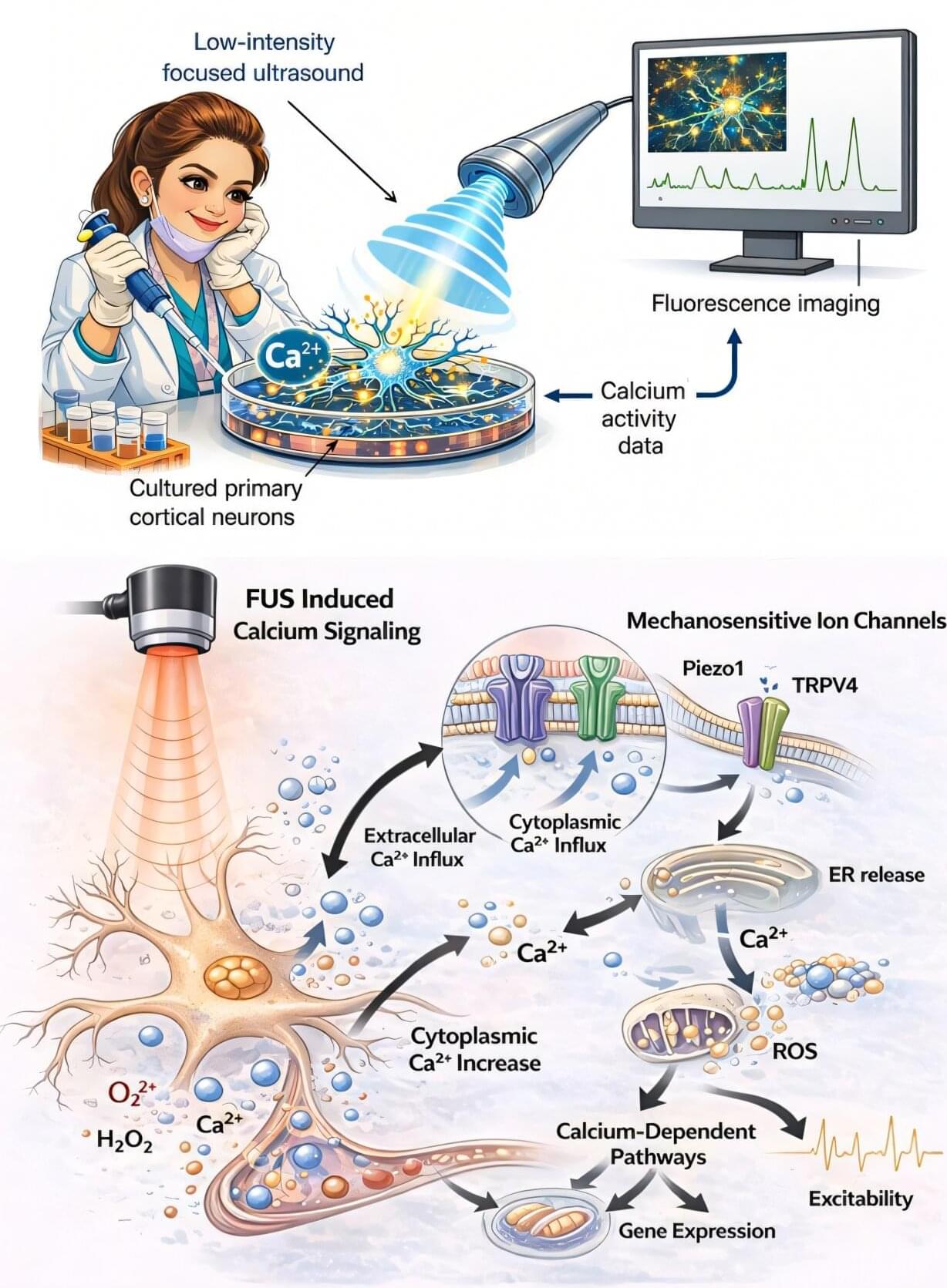
I still vividly remember the first time we observed neurons responding not to audible sound, but to concentrated, precisely calibrated ultrasonic pulses. On the screen in front of us, calcium signals from brain cells began to rise and fall in little waves. It was less about forcing the brain to adapt and more about listening to the brain and responding subtly.

Understanding how neurons interact and how neurological conditions like Parkinson’s disease affect this communication has been the focus of my study for many years. Calcium, a small ion that functions as a potent messenger inside cells, is at the center of this communication.

Neurons struggle to survive, connect, and operate correctly when calcium transmission is disrupted. Our team began to wonder if we might safely modify this fundamental signaling function without requiring invasive operations or drugs.

Engineered enzymes enable greener one-pot amide synthesis for drug manufacturing

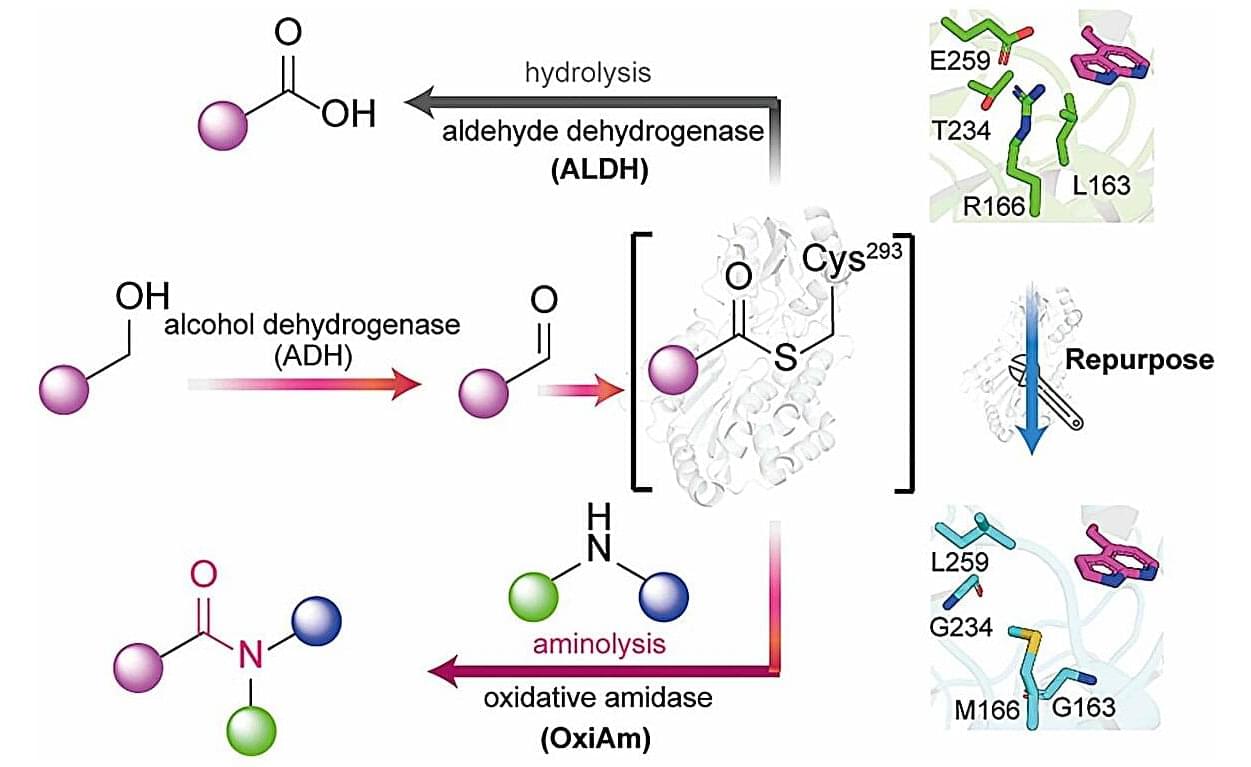
A single type of chemical structure that shows up again and again in modern medicine is the amide bond that links a carbonyl group (C=O) to a nitrogen atom. They’re so ubiquitous that 117 of the top 200 small-molecule drugs by retail sales in 2023 feature at least one amide bond. And now, researchers have discovered a clever new way to reengineer natural enzymes to build amides from simple chemicals like aldehydes and amines.

The team chose a naturally abundant enzyme family called aldehyde dehydrogenases (ALDHs), specifically p-hydroxybenzaldehyde dehydrogenase (PHBDD), which can efficiently convert aldehydes into acids. The team turned it into a new catalyst, known as an oxidative amidase (OxiAm), by modifying its internal pocket of the enzyme in two major ways: making it hydrophobic to prevent the formation of unwanted acids and making it bigger to allow larger, diverse chemical parts to fit inside so they could be bonded together.

According to the results published in Science, the team was able to obtain amides directly from commercially available alcohols via a two-step enzymatic cascade reaction carried out in a single container. This approach could enable new, greener methods for producing five major drug molecules, including a key component of imatinib, an essential drug used to treat chronic myeloid leukemia and gastrointestinal stromal tumors.

New CRISPR tool spreads through bacteria to disable antibiotic resistance genes

Antibiotic resistance (AR) has steadily accelerated in recent years to become a global health crisis. As deadly bacteria evolve new ways to elude drug treatments for a variety of illnesses, a growing number of “superbugs” have emerged, ramping up estimates of more than 10 million worldwide deaths per year by 2050.

Scientists are looking to recently developed technologies to address the pressing threat of antibiotic-resistant bacteria, which are known to flourish in hospital settings, sewage treatment areas, animal husbandry locations, and fish farms. University of California San Diego scientists have now applied cutting-edge genetics tools to counteract antibiotic resistance.

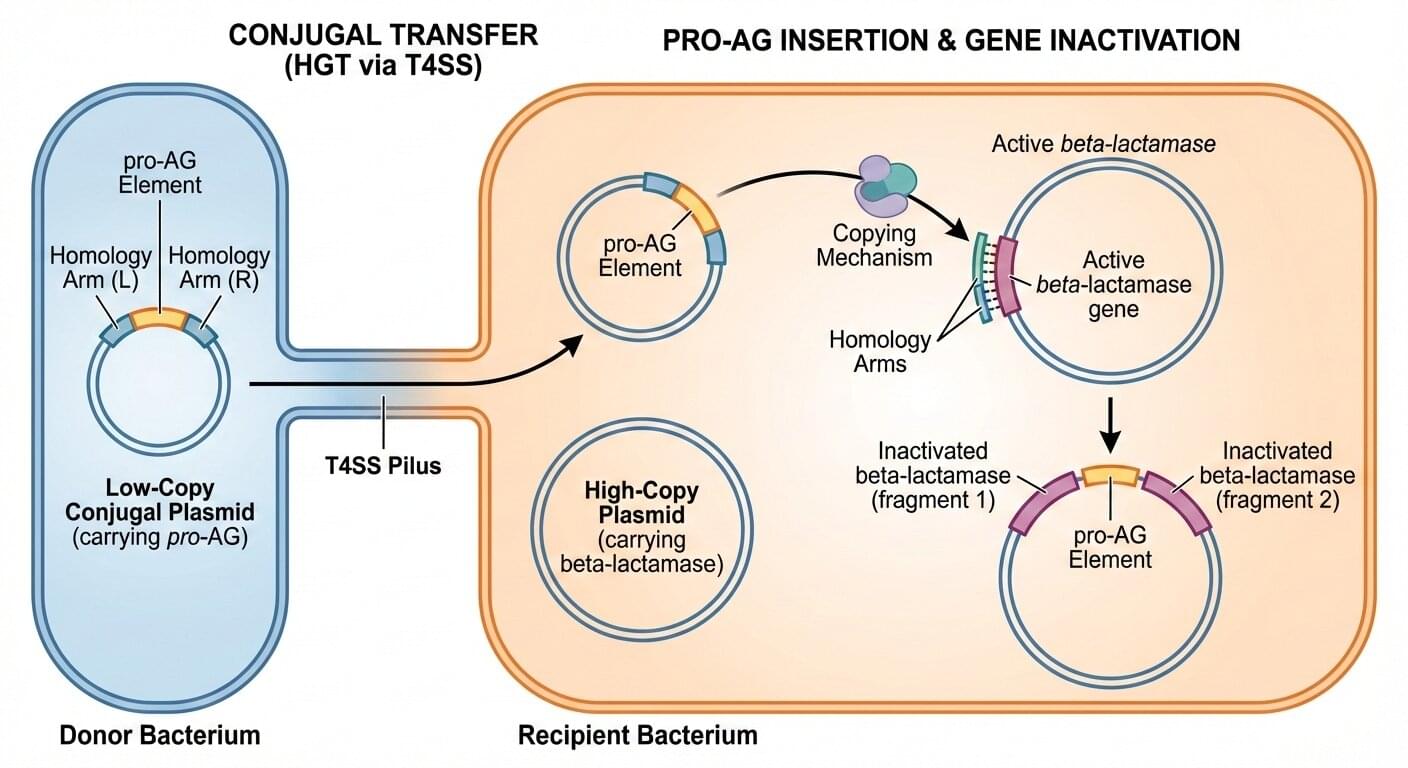
The laboratories of UC San Diego School of Biological Sciences Professors Ethan Bier and Justin Meyer have collaborated on a novel method of removing antibiotic-resistant elements from populations of bacteria. The researchers developed a new CRISPR-based technology similar to gene drives, which are being applied in insect populations to disrupt the spread of harmful properties, such as parasites that cause malaria. The new Pro-Active Genetics (Pro-AG) tool called pPro-MobV is a second-generation technology that uses a similar approach to disable drug resistance in populations of bacteria.

Researchers demonstrate organic crystal emitting red light from UV and green from near-infrared

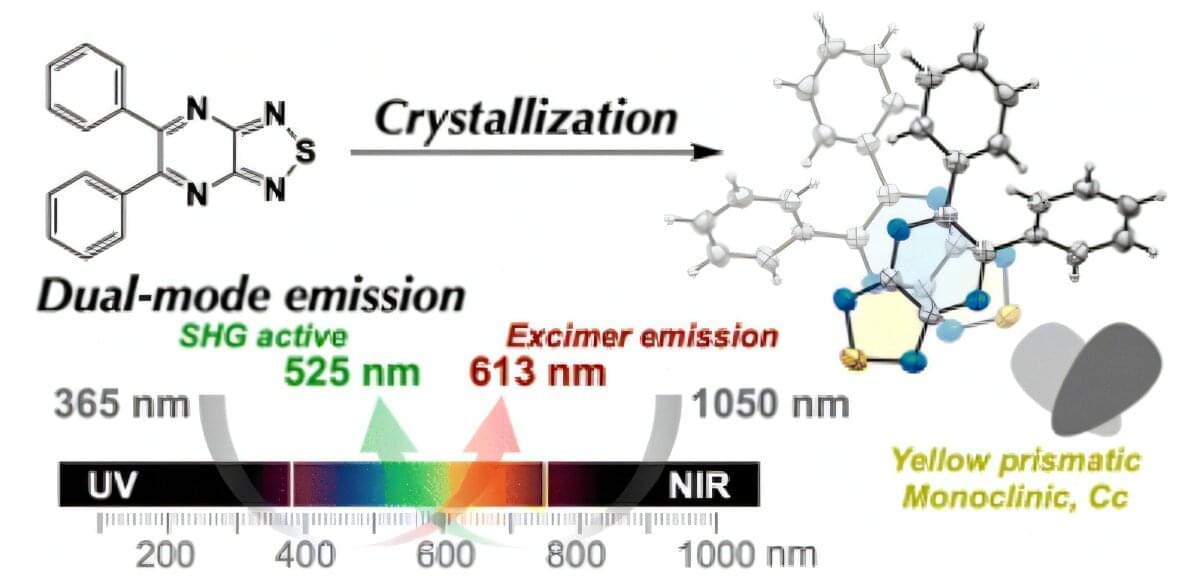
Invisible light beyond the range of human vision plays a vital role in communication technologies, medical diagnostics, and optical sensing. Ultraviolet and near-infrared wavelengths are routinely used in these fields, yet detecting them directly often requires complex instrumentation.

Developing materials that can convert invisible light into visible signals could serve as essential components for measurement technologies and sensors, and play a major role in understanding the fundamental photophysical processes. However, developing those materials remains a key challenge in photonics and materials science.

Measuring time at the quantum level depends on material symmetry

EPFL physicists have found a way to measure the time involved in quantum events and found it depends on the symmetry of the material. “The concept of time has troubled philosophers and physicists for thousands of years, and the advent of quantum mechanics has not simplified the problem,” says Professor Hugo Dil, a physicist at EPFL. “The central problem is the general role of time in quantum mechanics, and especially the timescale associated with a quantum transition.”

Quantum events, like tunneling, or an electron changing its state by absorbing a photon, happen at mind-bending speeds. Some take only a few tenths of attoseconds (10-18 seconds), which is so short that light would not even cross the width of a small virus. But measuring time intervals this small is notoriously difficult, also because any external timing tool can distort the very thing we want to observe.

“Although the 2023 Nobel prize in physics shows we can access such short times, the use of such an external time scale risks inducing artifacts,” says Dil. “This challenge can be resolved by using quantum interference methods, based on the link between accumulated phase and time.”

Cancer Vaccines Improve Personalized Medical Care

The concept of cancer vaccines has developed over the last century with initial promise from a young doctor, William Coley. In the late 19th to early 20th century Dr. Coley developed a treatment that elicited strong immune response. This elixir was referred to as Coley’s toxin, which comprised of bacteria that generated an inflammatory response in patients. As a result, the generated response recognized and targeted the patient’s tumor. However, his treatment did not yield consistent clinical benefit. He also had his critics among physicians. At the time, the scientific community debated how safe the toxin was and whether it really worked. Colleagues at Memorial Sloan Kettering and other top institutions questioned Coley’s motive for the toxin, since there was little empirical data or scientific basis for its use. Although Coley’s toxin proved to be an inconsistent treatment, it laid the foundation for future immunotherapies as preventative and therapeutic cancer vaccines were developed.

Cancer vaccines were limited in their ability to effectively treat patients with cancer. Preventative cancer vaccines are difficult to developed because of the uncertainty to predict the onset of mutations in patients. Currently, the only U.S. Food and Drug Administration (FDA) approved preventative cancer vaccine is for the Human Papillomavirus (HPV) vaccine. While it directly protects against HPV, the vaccine indirectly prevents a multitude of cancers, including cervical, anal, and genital. Additionally, researchers have previously struggled to generate a therapeutic vaccine that elicits a strong immune response with limited adverse effects. However, a reinvigorated interest has emerged in therapeutic vaccines due to improved delivery platforms and better biomarkers to target on cancer.

Recently, an article in Cell Reports Medicine, by Dr. Nina Bhardwaj and others, examined the evolution of cancer vaccines. Specifically, the paper focused on tumor biomarker-based vaccines, which are highly personalized and designed to target genetic mutations specific to a patient’s tumor. Bhardwaj is a physician scientist, the Ward-Coleman Chair in Cancer Research, and Director of Vaccine and Cell Therapy Laboratory at the Icahn School of Medicine at Mount Sinai. Her work focuses on improving vaccine strategies to provide strong single agent affect against tumors. Bhardwaj’s group studies different cellular pathways to understand how to therapeutically target cancer.

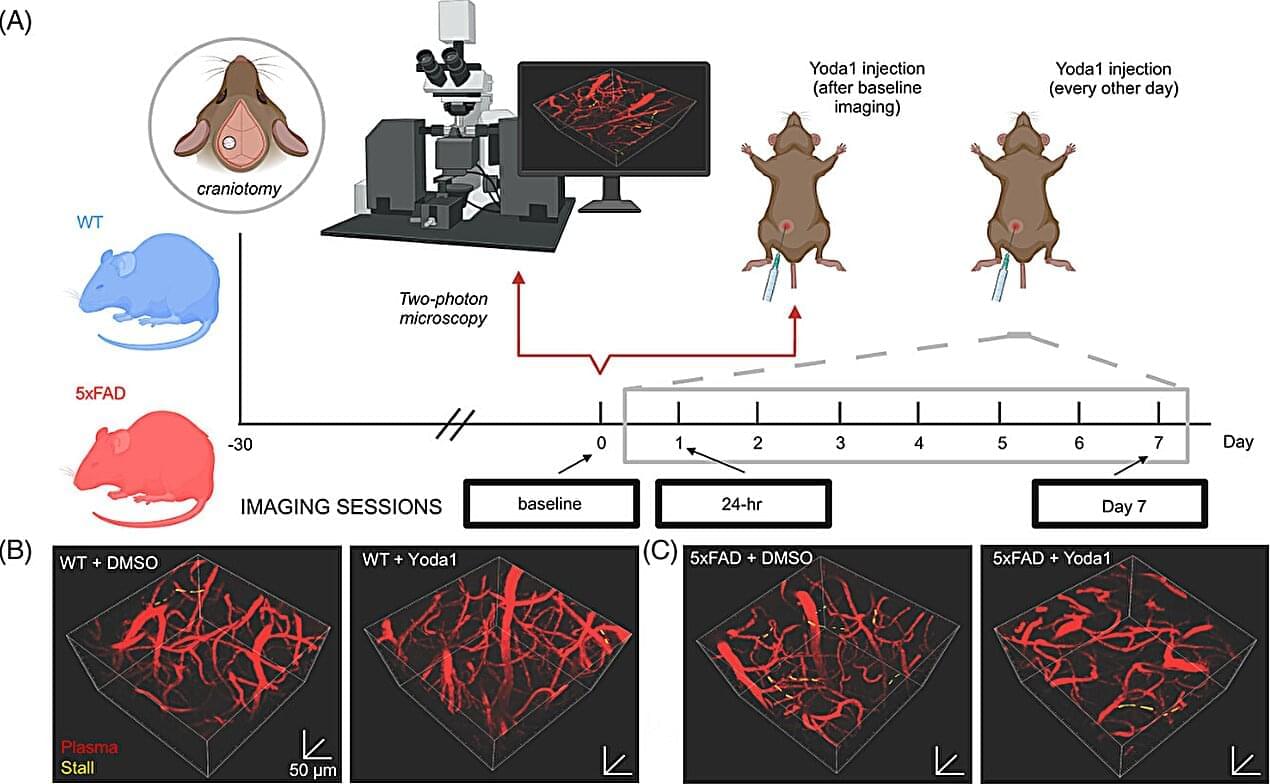
Preclinical study successfully reverses loss of blood flow to brain, an early sign of Alzheimer’s disease

Supriya Chakraborty might have been studying insects in a lab had it not been for an immunology college instructor in India who taught him about the superheroes inside him—immune cells that wage a battle against bacteria, parasites, and a host of other adversaries that invade our bodies. “That really fascinated me,” Chakraborty recalled. “My focus shifted from entomology to wanting to solve illnesses that affect humans, specifically neurodegenerative disorders.”

Zeynab Tabrizi would take quite a different path to studying conditions that damage and destroy parts of the human nervous system. She had long been a student of immunology and neuroscience in her native Iran, conducting research that explored the causes of disorders like schizophrenia and autism. “I had some experience working in industry,” she said, “but my heart was in academia.”

Now, their paths have intersected at the University of Miami. As Ph.D. students in the College of Arts and Sciences’ Department of Biology, Chakraborty and Tabrizi conduct research that could help blaze a trail to more effective treatments for Alzheimer’s disease, perhaps even leading to a cure for the memory-robbing disorder that affects more than 7 million older adults in the U.S.

Understanding the path from genetic changes to Parkinson’s disease opens possibilities for early diagnosis

A team led by researchers at Baylor College of Medicine and the Duncan Neurological Research Institute (Duncan NRI) at Texas Children’s Hospital has uncovered a chain of events that connects genetic alterations, disruptions in lipid metabolism and the manifestation of Parkinson’s disease in patients. The findings, published in the journal Brain, bring forward the possibility of identifying people at risk before symptoms appear and developing strategies to treat the disease rather than manage the symptoms.

“Parkinson’s disease is the second most common neurodegenerative disease after Alzheimer’s disease, affecting more than 10 million people worldwide. We know more than 100 genes that increase the risk of developing the disease but, in most cases, we do not understand how the genetic change leads to the condition,” said corresponding author Dr. Joshua Shulman, professor of neurology, neuroscience and molecular and human genetics at Baylor. He also is an investigator and co-director of the Duncan NRI.

Previous studies have shown that many Parkinson’s susceptibility genes participate in lipid metabolism and that disrupting some lipid functions may directly promote brain alterations that have been linked to the disease’s onset and progression.

/* */