Toggle light / dark theme

A clearer look at critical materials, thanks to refrigerator magnets

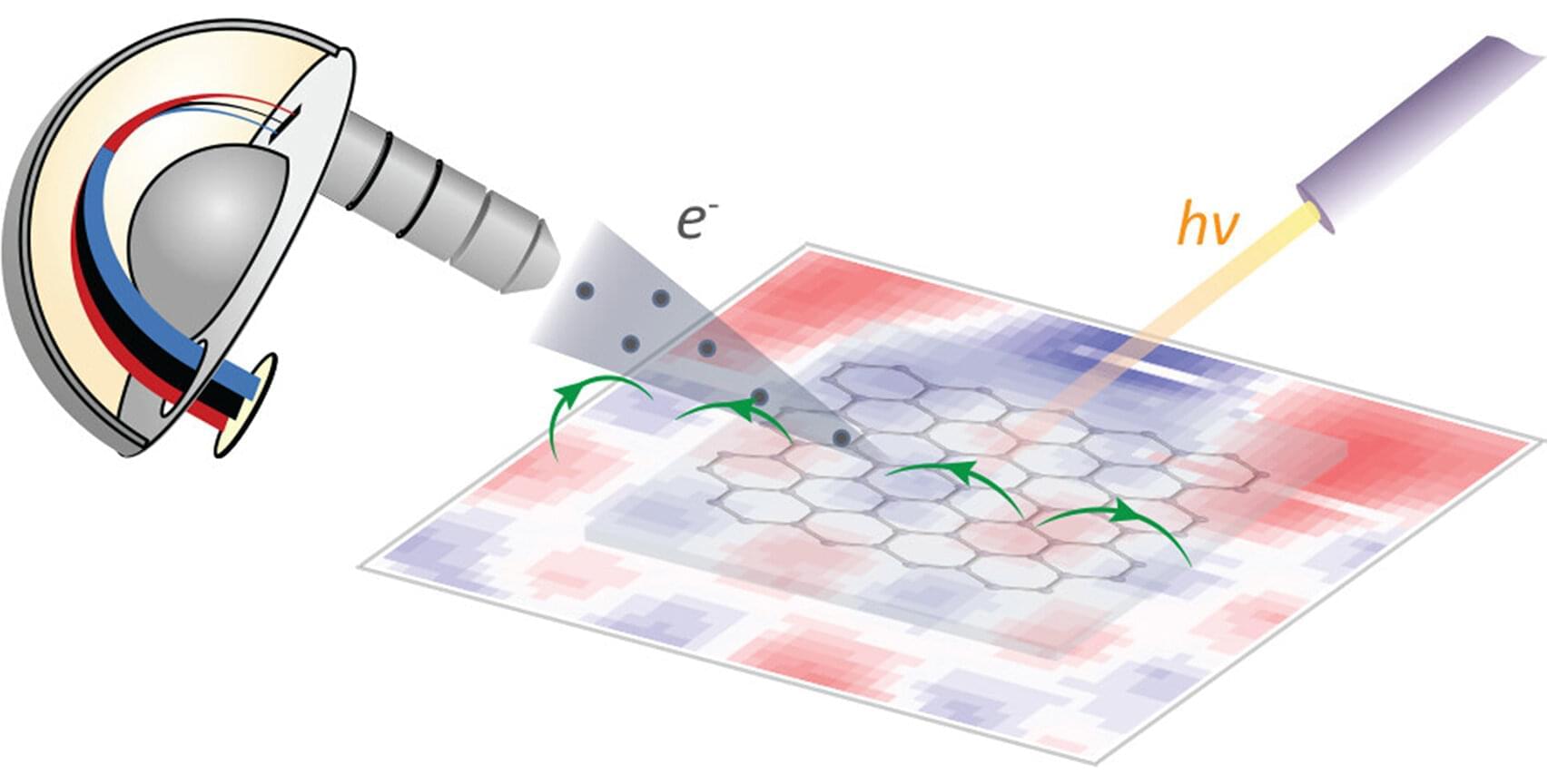
With an advanced technology known as angle-resolved photoemission spectroscopy (ARPES), scientists are able to map out a material’s electron energy-momentum relationship, which encodes the material’s electrical, optical, magnetic and thermal properties like an electronic DNA. But the technology has its limitations; it doesn’t work well under a magnetic field. This is a major drawback for scientists who want to study materials that are deployed under or even actuated by magnetic fields.

Inspired by refrigerator magnets, a team of Yale researchers may have found a solution. Their study was featured recently on the cover of The Journal of Physical Chemistry Letters.

Quantum materials —such as unconventional superconductors or topological materials—are considered critical to advancing quantum computing, high-efficiency electronics, nuclear fusion, and other fields. But many of them need to be used in the presence of a magnetic field, or even only become activated by magnetic fields. Being able to directly study the electronic structure of these materials in magnetic fields would be a huge help in better understanding how they work.
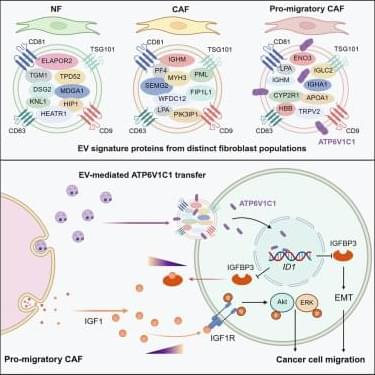
Cancer-associated fibroblast-derived extracellular vesicles deliver ATP6V1C1 to promote lung adenocarcinoma metastasis via the ID1-IGFBP3 axis

Chen et al. reveal the V-ATPase subunit ATP6V1C1 as a non-canonical transcriptional repressor delivered by CAF-derived EVs to drive LUAD metastasis. By suppressing IGFBP3, ATP6V1C1 simultaneously triggers EMT and amplifies stromal IGF1 signaling, creating a potent pro-metastatic feedforward loop.

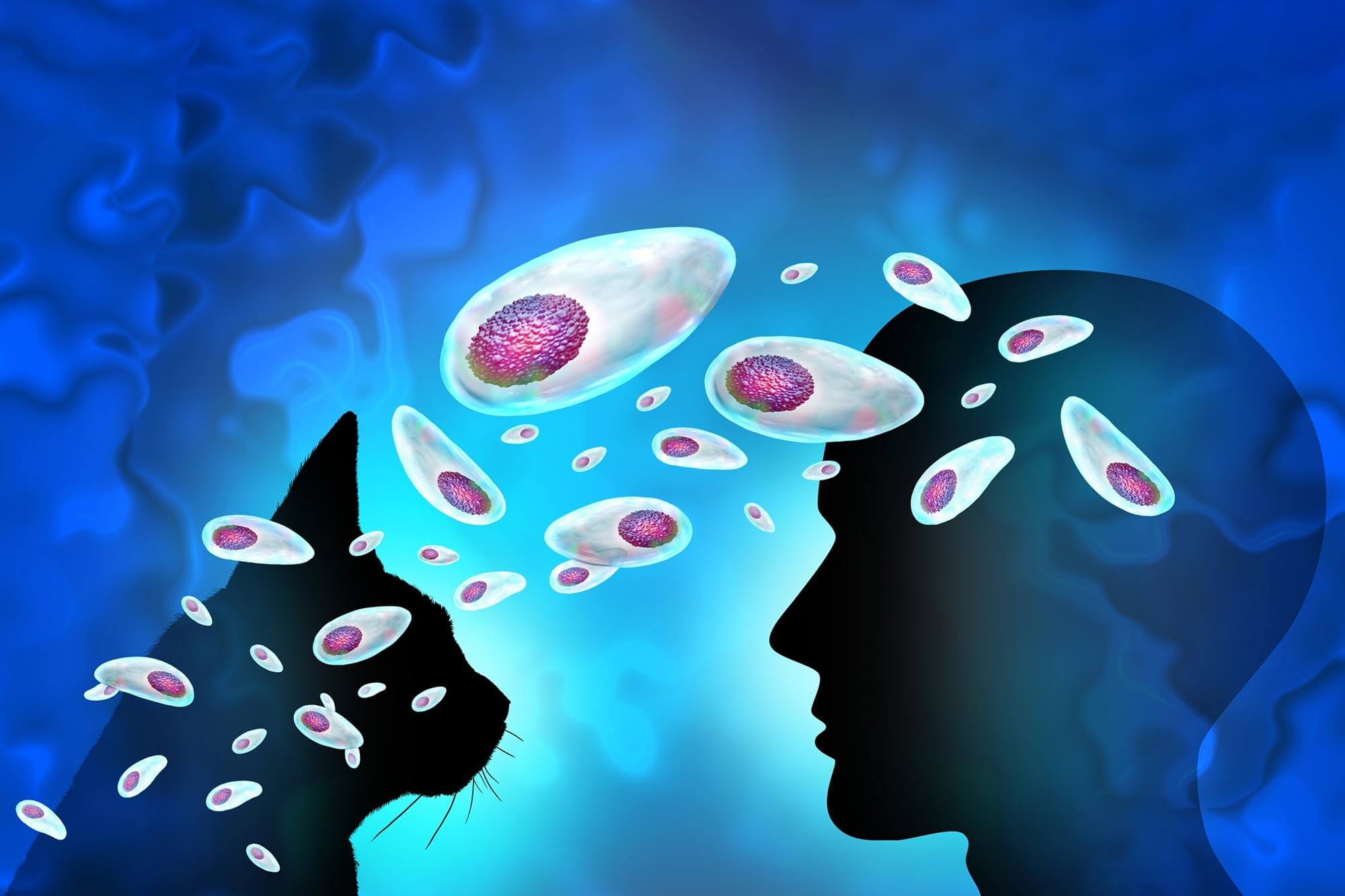
A Parasite Carried by Billions Has a Secret Life Inside the Brain

A common parasite hiding in the brain turns out to be far more active and organized than anyone realized.

A team of scientists at the University of California, Riverside, has discovered that Toxoplasma gondii, a parasite estimated to infect up to one-third of the world’s population, is far more biologically complex than previously understood. Their findings, published in Nature Communications, provide new insight into how the parasite causes disease and why it has proven so difficult to eliminate with current treatments.

How Toxoplasmosis Spreads in Humans.

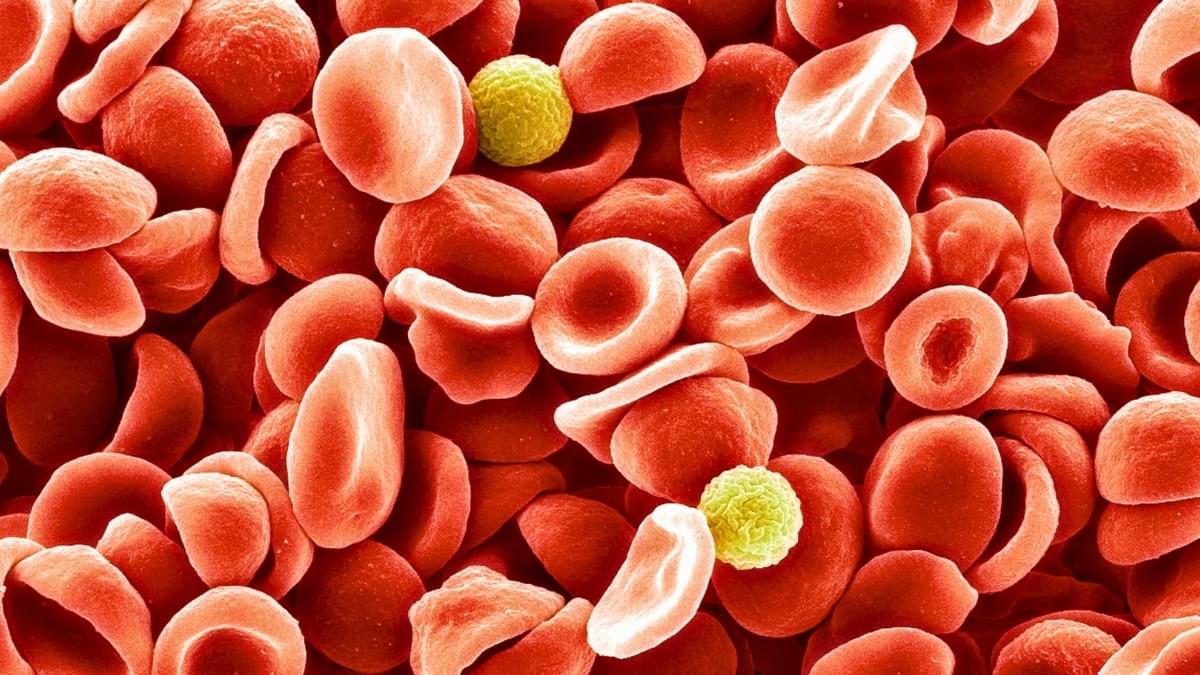
Scientists Identified a New Blood Group After a 50-Year Mystery

It represents a huge achievement, and the culmination of a long team effort.


A pregnant woman’s blood sample taken in 1972 was mysteriously missing a surface molecule found on all other known red blood cells at the time.

More than 50 years later, that strange absence finally led researchers from the UK and Israel to describe a new blood group system in humans. The team published a paper on the discovery in 2024.

“It represents a huge achievement, and the culmination of a long team effort, to finally establish this new blood group system and be able to offer the best care to rare, but important, patients,” hematologist Louise Tilley from the UK National Health Service said in September 2024, after nearly 2 decades of personally researching this bloody quirk.

Cells adapt to aging by actively remodeling endoplasmic reticulum, study reveals

Improvements in public health have allowed humankind to survive to older ages than ever before, but, for many people, these added golden years are not spent in good health. Aging is a natural part of life, but it is associated with a greatly increased incidence of most chronic diseases, including various cancers, diabetes, and Alzheimer’s disease.

The laboratory of Kris Burkewitz, assistant professor of cell and developmental biology, wants to figure out if there is a way to break the links between the aging process and disease so that we can stay healthy longer, allowing us to better enjoy our later years. To accomplish this goal, the Burkewitz lab focuses on how cells organize their internal compartments, or organelles, and how organelle structures can influence cellular function, metabolism, and disease risk.

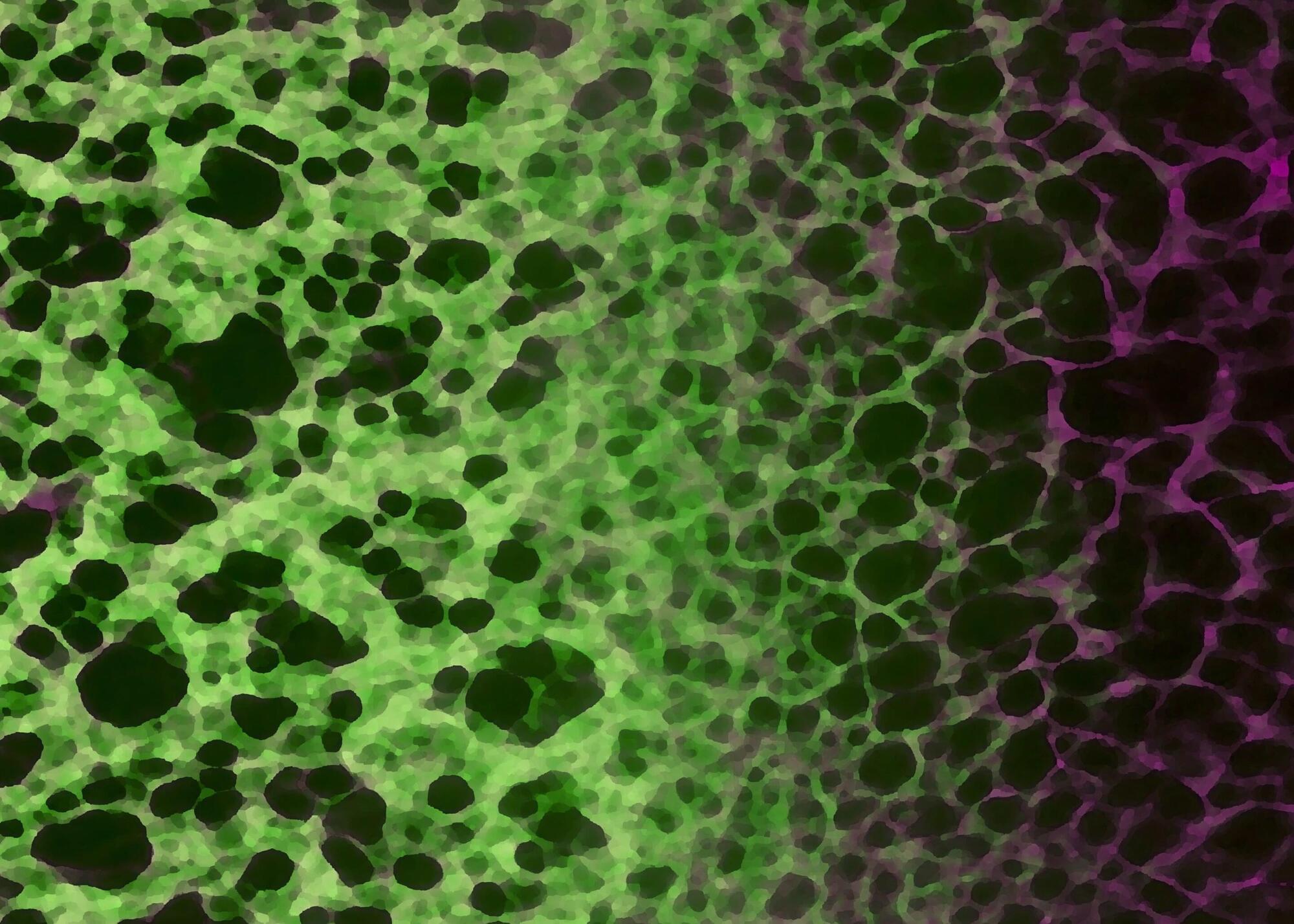
In his most recent paper, published in Nature Cell Biology, Burkewitz describes a new way by which cells adapt to the aging process: by actively remodeling the endoplasmic reticulum, one of the cell’s largest and most complex organelles. His team found that aging cells remodel their ER through a process called ER-phagy, which selectively targets specific ER subdomains for breakdown. The discovery that ER-phagy is involved in aging highlights this process as a possible drug target for age-related chronic conditions such as neurodegenerative diseases and various metabolic disease contexts.

New method predicts asthma attacks up to five years in advance

“One of the biggest challenges in treating asthma is that we currently have no effective way to tell which patient is going to have a severe attack in the near future,” says the senior author. “Our findings solve a critical unmet need. By measuring the balance between specific sphingolipids and steroids in the blood, we can identify high-risk patients with 90 per cent accuracy, allowing clinicians to intervene before an attack occurs.”

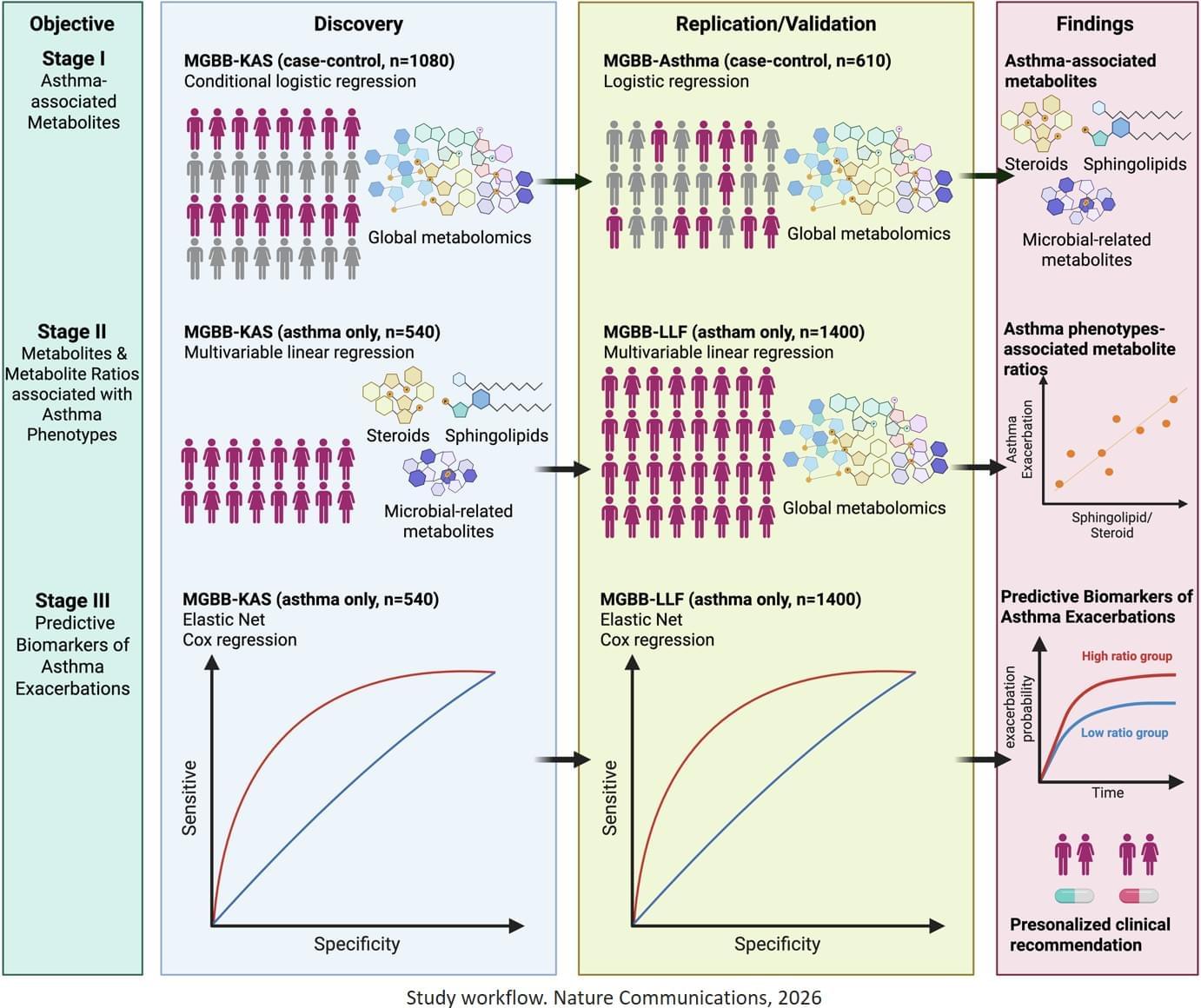
The team discovered that while individual metabolite levels provided some insight, the ratio between sphingolipids and steroids was the most powerful predictor of future health. ScienceMission sciencenewshighlights.


Researchers have identified a new method to predict asthma exacerbations with a high degree of accuracy. The study is published in Nature Communications.

Asthma is one of the world’s most common chronic diseases, affecting over 500 million people. Asthma exacerbations – commonly known as asthma attacks – are a major cause of disease morbidity and healthcare costs. Despite the prevalence of asthma, clinicians currently lack reliable biomarkers to identify which patients are at high risk for future attacks. Current methods often fail to distinguish between stable patients and those prone to severe exacerbations.

The study analysed data from three large asthma cohorts totalling over 2,500 participants, backed by decades of electronic medical records. Researchers used a high throughput approach called metabolomics to measures small molecules in the blood of individuals with asthma. They identified an important relationship between two classes of metabolites, sphingolipids and steroids, and asthma control. Specifically, they identified that sphingolipid to steroid ratios could predict exacerbation risk over a 5-year period. In some cases, the model could differentiate the time-to-first exacerbation between high-and low-risk groups by nearly a full year.

Using Placental Cells to Test Anti-Aging Compounds

Researchers publishing in Aging Cell have discovered that cells derived from the human placenta may be useful in estimating the effects of potential anti-aging treatments.

A seemingly odd choice

Of all the organs in the body, the placenta may be the least concerning with regards to aging; it only exists for at most 10 months, after which it is discharged as part of the birthing process. The researchers openly admit that this lifespan difference may make placenta-related aging processes distinct from those in other tissues, which harms translation and generalizability.

CRISPR-Based Screen Reveals Possible Anti-Tau Mechanism

This screening platform washed cells with a broad range of retroviruses to determine which ones affect tau. In follow-up testing, the gene CUL5 was singled out as being crucial for tau degradation. Mitochondrial function was also found to be a key part of preventing tau pathology.


Using an ingenious CRISPR-based screening technique, scientists have found a protein that tags tau for degradation and is more strongly expressed in tau-resilient neurons [1].

Some neurons are more equal than others

The accumulation of tau protein fibrils in neurons is a hallmark of Alzheimer’s and several other diseases [2]. Scientists have long noticed that even in the brains of people who died of Alzheimer’s, some neurons are markedly healthier than others, suggesting that neurons differ in how they handle tau and that these differences may explain selective vulnerability in tauopathies [3].

/* */