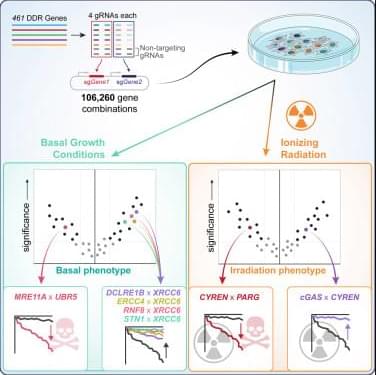
Nebenfuehr et al. perform a combinatorial CRISPR-Cas9 screen targeting 461 DNA damage response genes under basal and irradiated conditions. The study maps thousands of genetic interactions, generating a rich resource to uncover mechanisms of genome maintenance and inspire future studies.
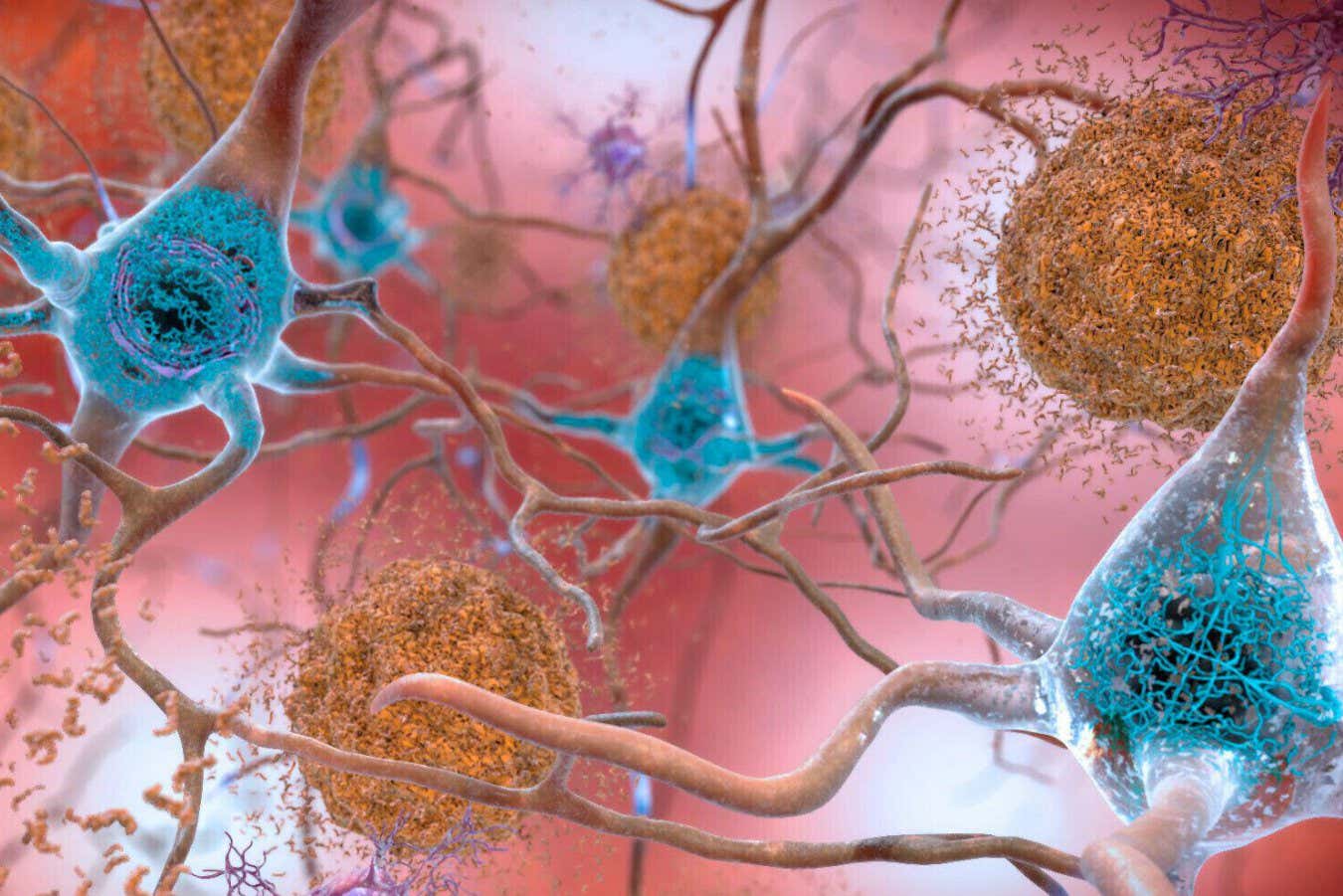
An investigation by researchers from Case Western Reserve University School of Medicine in the US has filled in a missing link between the toxic build-up of proteins in the neurodegenerative condition Parkinson’s disease and the death of critical brain cells.
The result of three years of research, the discovery connects alpha-synuclein proteins to a breakdown in mitochondrial function, both previously linked to Parkinson’s.
“We’ve uncovered a harmful interaction between proteins that damages the brain’s cellular powerhouses, called mitochondria,” says neuroscientist Xin Qi.
In the group treated with psilocybin, adapting neurons sat at a resting voltage that was closer to the threshold for firing. This state is known as depolarization. It means the cells are primed to activate more easily. The bursting neurons in psilocybin-treated rats also showed increased excitability. They required less input to trigger a signal and fired at faster rates than neurons in untreated rats.
The rats treated with 25CN-NBOH also exhibited functional changes, though the specific electrical alterations differed slightly from the psilocybin group. For instance, the bursting neurons in this group were not as easily triggered as those in the psilocybin group. However, the overall pattern confirmed that the drug had induced a lasting shift in neuronal function.
These electrophysiological findings provide a potential explanation for the behavioral results. While the physical branches of the neurons may have pruned back to normal levels, the cells “remembered” the treatment through altered electrical tuning. This functional shift allows the neural circuits to operate differently long after the drug has left the body.
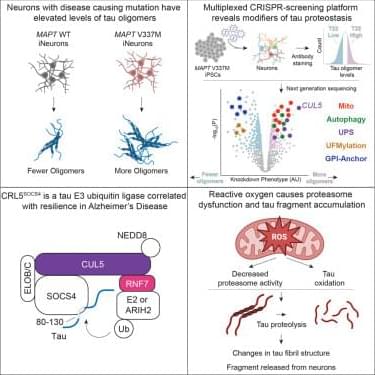
Now online! CRISPR screens in iPSC-derived neurons reveal that the E3 ubiquitin ligase CRL5SOCS4 ubiquitinates tau, that CUL5 expression is correlated with resilience in human Alzheimer’s disease, and that electron transport chain dysfunction alters tau degradation by the proteasome.
Fecal microbiota transplants (FMT) can dramatically improve cancer treatment, suggest two groundbreaking studies published in the Nature Medicine journal. The first study shows that the toxic side effects of drugs to treat kidney cancer could be eliminated with FMT. The second study suggests FMT is effective in improving the response to immunotherapy in patients with lung cancer and melanoma.
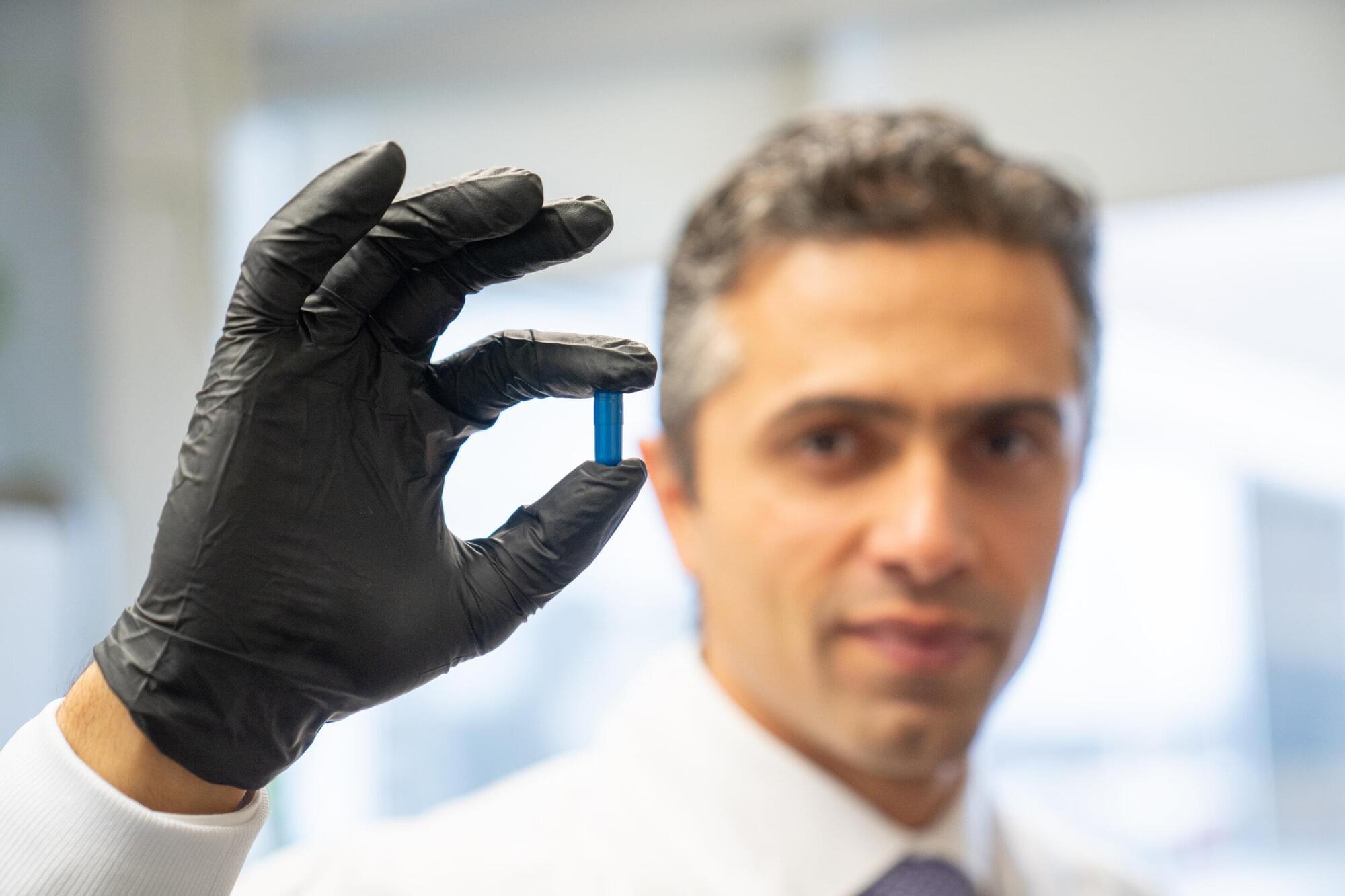
The findings represent a giant step forward in using FMT capsules—developed at Lawson Research Institute (Lawson) of St. Joseph’s Health Care London and used in clinical trials at London Health Sciences Centre Research Institute (LHSCRI) and Centre de recherche du Centre hospitalier de l’Université de Montréal (CRCHUM)—for safe and effective cancer treatment.
A Phase I clinical trial was conducted by scientists at LHSCRI and Lawson to determine if FMT is safe when combined with an immunotherapy drug to treat kidney cancer. The team found that customized FMT may help reduce toxic side effects from immunotherapy. The clinical trial involved 20 patients at the Verspeeten Family Cancer Centre at London Health Sciences Centre (LHSC).
Spaceflight takes a physical toll on astronauts, causing muscles to atrophy, bones to thin and bodily fluids to shift. According to a new study published in the journal PNAS, we can now add another major change to that list. Being in microgravity causes the brain to change shape.
Here on Earth, gravity helps to keep the brain anchored in place while the cerebrospinal fluid that surrounds it acts as a cushion. Scientists already knew that, without gravity’s steady pull, the brain moves upward, but this new research showed that it is also stretched and compressed in several areas.
Brains on the move Researchers led by Rachel Seidler at the University of Florida reached this conclusion after studying MRI scans of 26 astronauts taken before and after their missions to the International Space Station. These were compared with scans from 24 volunteers who participated in a head-down tilt bed rest experiment. They spent 60 days lying at a six-degree downward angle to mimic how weightlessness causes bodily fluids and organs to move toward the head.
Precision Nutrition, Epigenetics & Practitioner-Led Longevity Care — Dr. Chris Oswald — Head of Medical Affairs, Pure Encapsulations, Nestlé Health Science.
Dr. Chris Oswald, DC, CNS, is Head of Medical Affairs for Pure Encapsulations (https://www.pureencapsulations.com/), part of Nestlé Health Science family. He is a chiropractor, certified nutrition specialist and certified functional medicine practitioner and has been treating patients since 2007.
At Pure Encapsulations, Dr. Oswald leads medical education, scientific strategy, and innovation across well-known professional brands including Pure Encapsulations, Douglas Labs, Klean Athlete, Genestra, and others. In this role, he sits at the intersection of clinical science, practitioner education, and product innovation — translating complex evidence into practical tools that help healthcare professionals practice more confident, personalized nutritional medicine.
Dr. Oswald’s clinical work, in combination with his work in professional dietary supplement companies, gives him unique insight into the creation of clinically useful tools and education to support the unique needs of clinicians and patients in functional, integrative and natural health.
Before joining Pure Encapsulations, Dr. Oswald held senior leadership roles across the nutraceutical and health tech landscape, including Chief Science Officer, Head of Product Innovation and R&D, Head of Operations, Interim Head of Sales, and VP of Nutraceuticals at companies like January AI and Further Food. Across those roles, he’s led everything from supply chain and regulatory strategy to product development, claims substantiation, and national practitioner education.
Children with Down syndrome have a significantly increased risk of leukemia, while adults have a lower risk of several common solid tumors, according to a new register study from Karolinska Institutet published in the British Journal of Cancer. The results may contribute to more tailored cancer screening guidelines.
In a large, Swedish population-based register study, the risk of different cancer types in individuals with Down syndrome was mapped across the lifespan. The results show a markedly increased risk of leukemia during childhood, with a nearly 500-fold increased risk of acute myeloid leukemia (AML) before age 5, and a 20-fold increased risk of acute lymphoblastic leukemia (ALL). Despite this, only 2.5% of all individuals with Down syndrome developed leukemia during childhood.
In adulthood, however, a clearly reduced risk was observed for most solid tumors, including breast, prostate, lung, colorectal, and gynecological cancers, as well as melanoma. Although the study showed an overall lower cancer risk in adults, there was an increased risk of testicular cancer, as well as new associations between Down syndrome and certain rare forms of bone cancer.
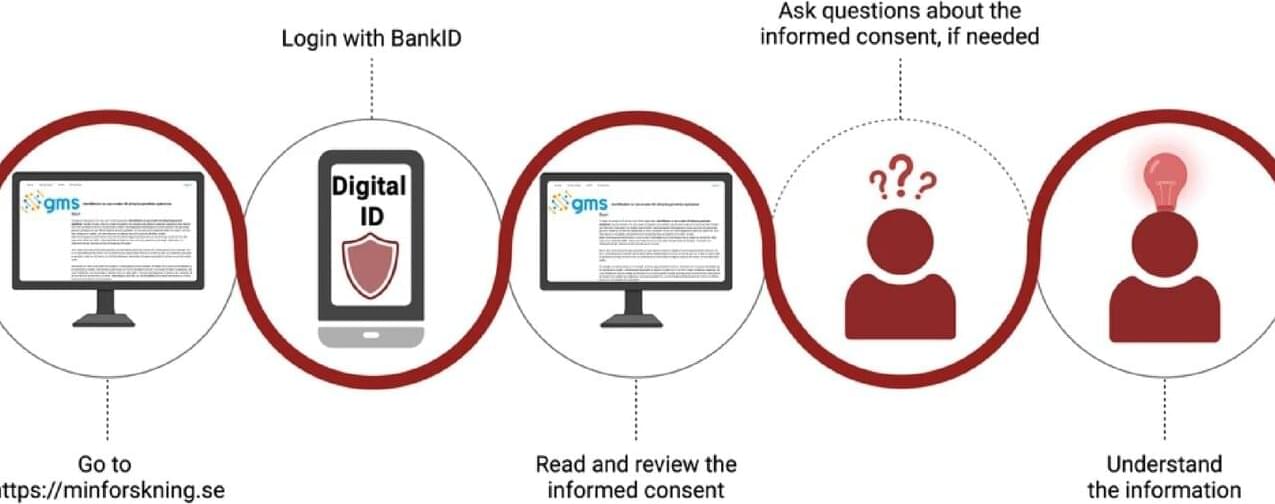
Research on rare diagnoses and the development of precision medicine depend on patients being able to share their health data in a secure and ethical manner. The research study, published in Scientific Reports, in which a digital platform was developed to collect electronic informed consent, shows that many participants want to contribute to research and appreciate the digital solution, but also that the technology needs further development.
A digital consent platform was tested at three centers in Sweden, Stockholm, Gothenburg, and Lund. More than 2,200 individuals who had previously undergone whole-genome sequencing were invited to give consent electronically for research and data sharing.
For those who lacked an electronic identity verification system, or who preferred traditional methods, paper-based consent was also available. As a comparison, a national patient cohort within Undiagnosed Diseases Network Sweden (UDN Sweden) was studied, where recruitment took place in close collaboration with patient organizations.