Toggle light / dark theme

The Physics of Belief: Placebo Effects as Quantum Psychosomatics and the Material Reality of Meaning

Read “” by Myk Eff on Medium.


When a patient in a clinical trial experiences genuine pain relief from an inert sugar pill, something remarkable occurs that contemporary medicine awkwardly labels the placebo effect — a term that simultaneously acknowledges the phenomenon while dismissing it as mere illusion. Yet what if this dismissal represents not scientific rigor but ontological timidity? What if the placebo effect, rather than being a confounding variable to be controlled away, is actually nature’s clearest demonstration of a quantum interface between consciousness and physiology, hiding in plain sight within the very architecture of our clinical trials? The question is not whether belief heals, but what belief actually is when we take seriously the contemporary understanding that information itself possesses physical reality.

The empirical robustness of placebo effects has become impossible to ignore. In their comprehensive meta-analysis published in The Lancet, Hróbjartsson and Gøtzsche (2001) examined 114 clinical trials and found that while placebo effects vary considerably across conditions, they demonstrate genuine clinical significance in pain reduction, with effect sizes rivaling those of established pharmaceutical interventions. More provocatively, Benedetti’s research on placebo analgesia has revealed that the effect operates through identifiable neurochemical pathways — placebo-induced pain relief can be blocked by naloxone, an opioid antagonist, demonstrating that the patient’s belief literally triggers the release of endogenous opioids (Benedetti, Mayberg, Wager, Stohler, & Zubieta, 2005). This is not imagination overriding reality; this is imagination as a physical force, translating expectation into molecular cascade.

Yet the standard neurobiological explanation, while accurate, remains curiously incomplete. Yes, belief activates specific neural circuits; yes, these circuits trigger biochemical responses; yes, measurable physiological changes occur. But this mechanistic account merely pushes the mystery one level deeper. How does the abstract informational content of a belief — the semantic meaning this pill will relieve my pain — couple to the physical substrate of neurons and neurotransmitters? The conventional answer invokes learning, conditioning, and expectation, but these terms describe the phenomenon without explaining the fundamental ontological transition from meaning to matter, from information to effect.
Toxin Stops Colon Cancer Growth, Without Harming Healthy Tissue

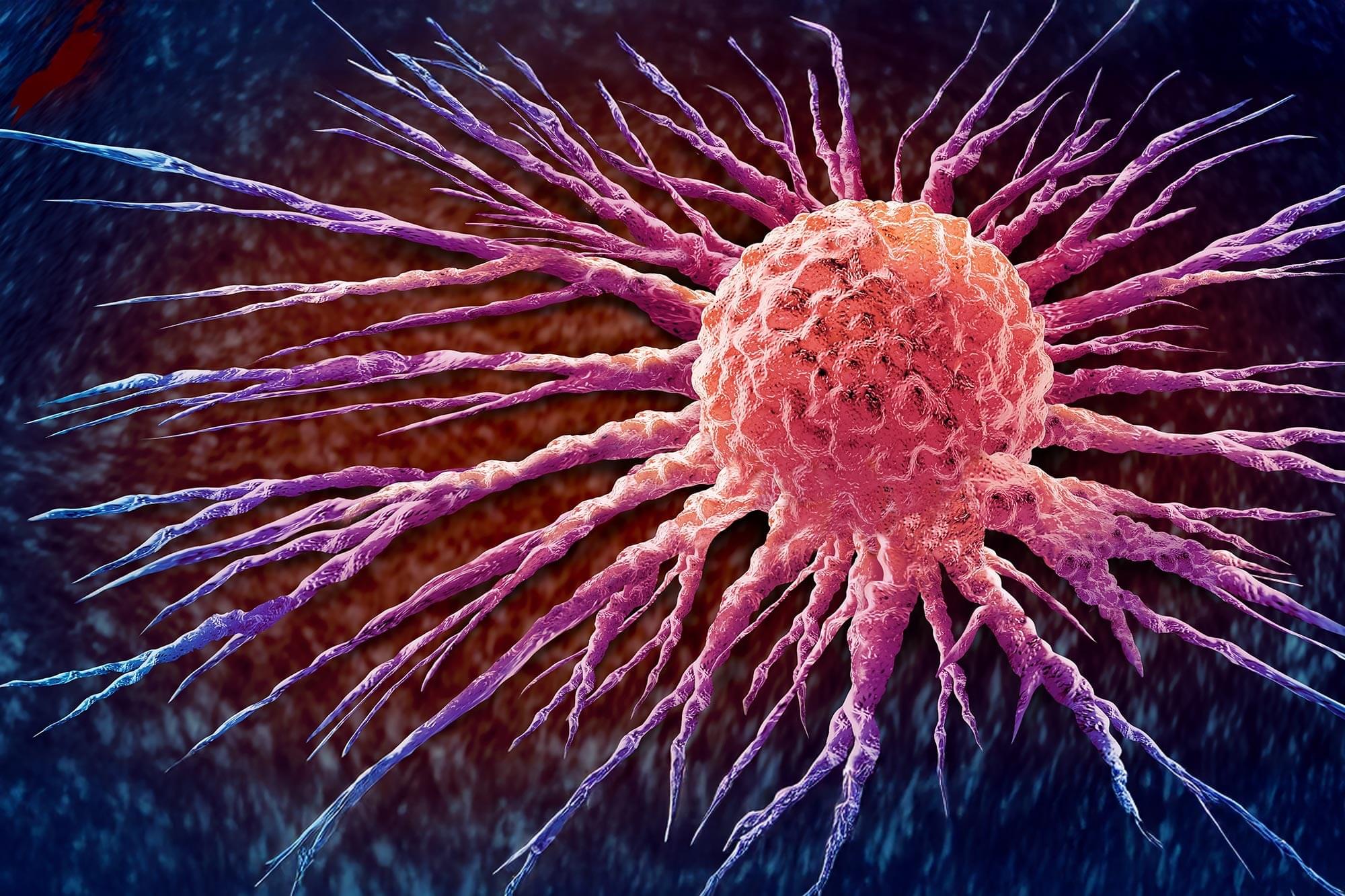
Researchers in Sweden have identified an unexpected biological mechanism that could influence future cancer treatments. Scientists in Sweden have uncovered an unexpected anti-cancer effect from a molecule produced by the bacteria responsible for cholera. In a new study from Umeå University, resea

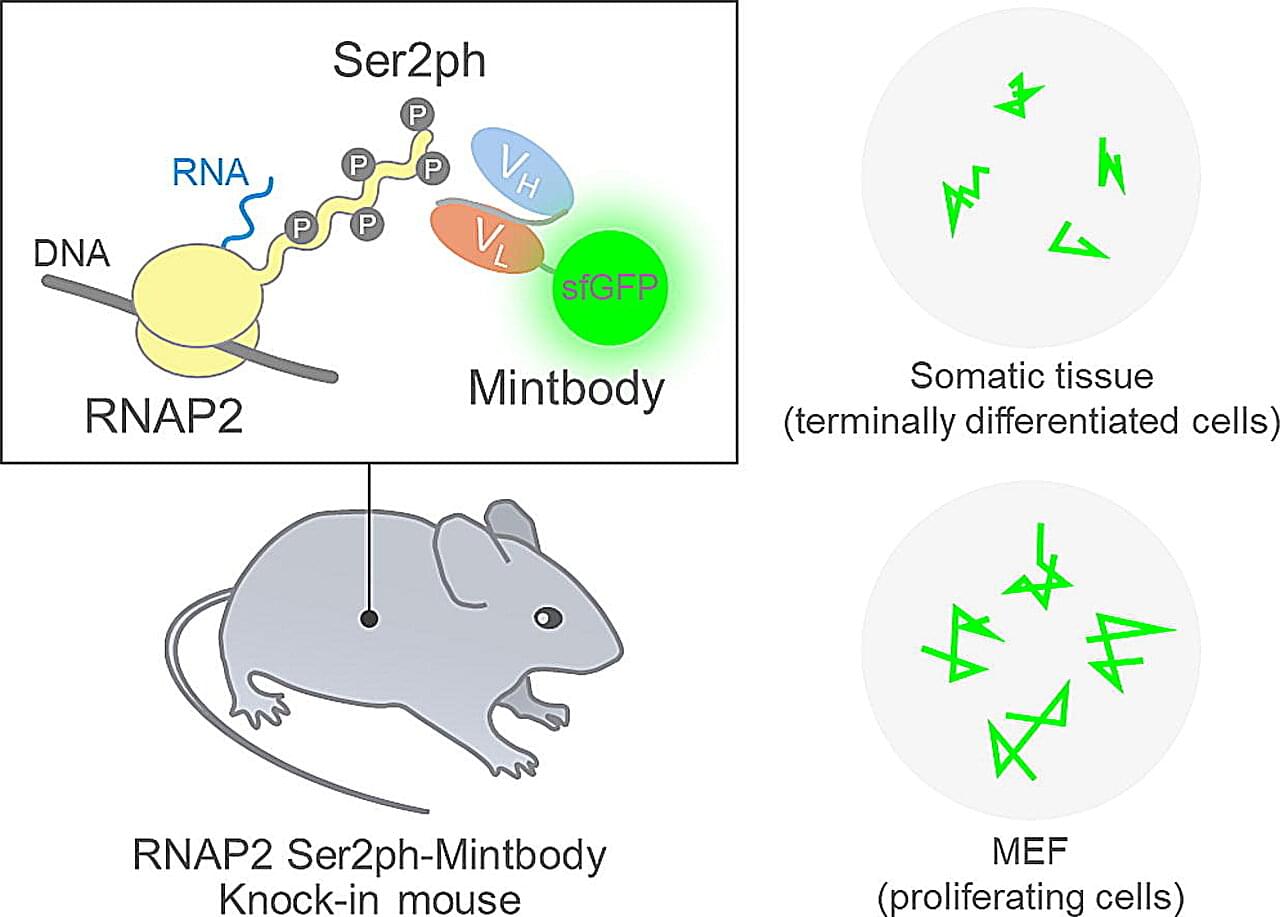
A world-first mouse that makes gene activity visible

DNA can be thought of as a vast library that stores all genetic information. Cells do not use this information all at once. Instead, they copy only the necessary parts into RNA, which is then used to produce proteins—the essential building blocks of life. This copying process is called transcription, and it is carried out by a molecule known as RNA polymerase II.

When RNA polymerase II begins actively transcribing DNA, a specific site called Ser2 on its tail region is marked with a small chemical group known as a phosphate. This phosphate acts as a sign that transcription is in progress. Until now, observing this sign required stopping cellular activity and chemically treating the cells to visualize the phosphate. As a result, it was impossible to see how transcription changes dynamically in living cells.

To overcome this limitation, a research team led by Professor Hiroshi Kimura at Institute of Science Tokyo (Science Tokyo) chose a different approach. Instead of freezing cells at a single moment, they aimed to track transcription continuously without stopping cellular activity.

A Common Sleeping Pill May Reduce Buildup of Alzheimer’s Proteins, Study Reveals

There’s still so much we don’t know about Alzheimer’s disease, but the link between poor sleep and worsening disease is one that researchers are exploring with gusto.

A study published in 2023 found that using sleeping pills to get some shut-eye could reduce the buildup of toxic clumps of proteins in fluid that washes the brain clean every night.

People who took suvorexant, a common treatment for insomnia, for two nights at a sleep clinic experienced a slight drop in amyloid-beta and tau, two proteins that pile up in Alzheimer’s disease.

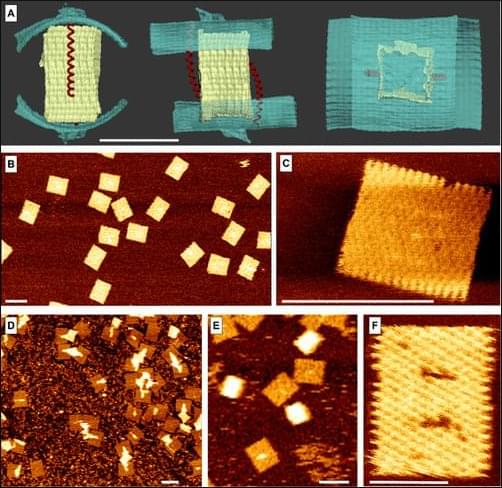
Engineering a Mechanoresponsive DNA Origami Capsule for Drug Delivery to Narrowed ArteriesClick to copy article linkArticle link copied!

Omer et al. design a DNA origami box with a lid held closed by an elastic single-stranded DNA spring. The box may selectively open in blood vessels with pathological levels of shear flow, facilitating drug delivery to sites of thrombosis while minimizing off-target toxicity. It should be noted that this paper focused entirely on the box’s design and mechanical validation (via optical tweezers) and did not perform any experiments to show drug delivery. Nonetheless, this is a good start and I’m glad to see people thinking about DNA origami for therapeutic applications. [ https://pubs.acs.org/doi/10.1021/acs.nanolett.5c04066](https://pubs.acs.org/doi/10.1021/acs.nanolett.5c04066)


Click to copy section linkSection link copied!

Once Thought To Support Neurons, Astrocytes Turn Out To Be in Charge

Misha Ahrens’ team at Janelia Research Campus placed zebra fish in virtual reality where swimming produced no progress. Normally, fish give up after ~20 seconds. The researchers found astrocytes were “counting” swim attempts via accumulating calcium. When calcium reached a threshold, astrocytes released adenosine to suppress swimming circuits. When researchers disabled astrocytes with a laser, the fish never stopped swimming; when they artificially activated astrocytes, the fish stopped immediately. This showed astrocytes actively mediate the transition from hope to hopelessness.

Marc Freeman’s lab showed norepinephrine doesn’t just activate astrocytes—it changes their “hearing.” At low norepinephrine (low arousal), astrocytes ignore synaptic activity. At high norepinephrine (high arousal), astrocytes suddenly “listen” to every synapse and modulate neuronal response accordingly. This creates a dynamic gain control system layered atop neuronal networks.


“We did expect that, in large part, the effect of norepinephrine on synapses would be mediated by astrocytes,” Papouin said. “But we did not expect all of it to be!”

The finding of parallel molecular pathways in such distinct species as fruit flies, zebra fish, and mice points to “an evolutionarily conserved way in which astrocytes can profoundly affect neural circuits,” Freeman said.

The results suggest a gaping hole in previous theories of neuromodulation. “In the past, neuroscientists studied neuromodulators and knew they were important in regulating neural circuit function, but none of their thinking, none of their diagrams, none of their models had anything in them other than neurons,” Fields said. “Now we see that they missed a big part of the story.”

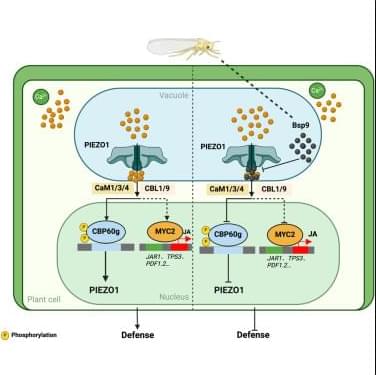
Insect salivary effectors disrupt PIEZO1-centric mechanoimmunity against piercing-sucking vectors

Huang et al. identify the mechanosensitive channel PIEZO1 as a plant immune hub that decodes insect-feeding-derived mechanical forces and Ca2+-activated defense responses. They characterize a self-amplifying immune circuit and identify that Bsp9, an evolutionarily conserved insect salivary effector, subverts this pathway. This work provides a framework for engineering plant disease resistance.

Signature in blood to better predict type 2 diabetes risk

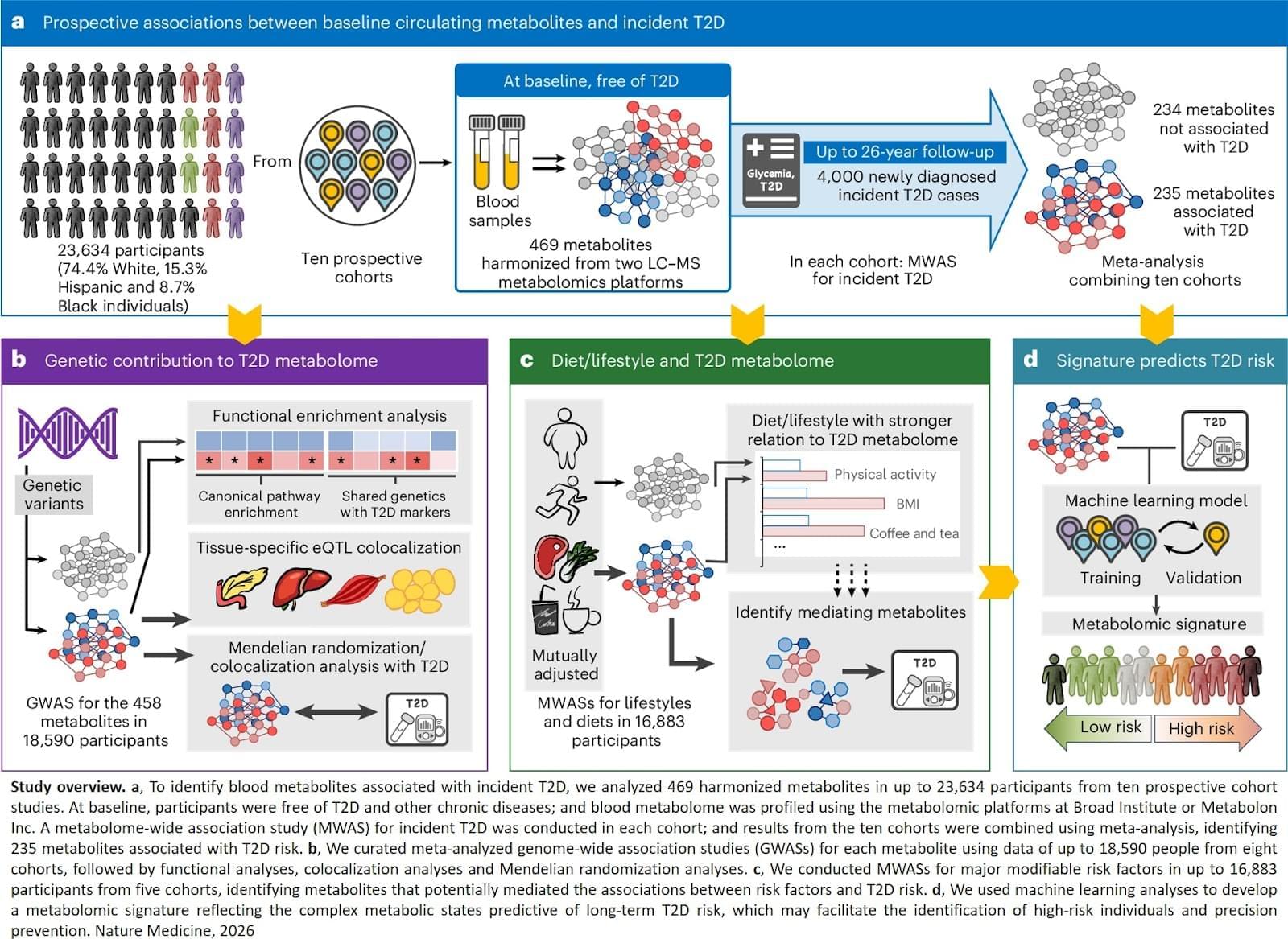
The metabolites associated with type 2 diabetes were also found to be genetically linked to clinical traits and tissue types that are relevant to the disease. Furthermore, the team developed a unique signature of 44 metabolites that improved prediction of future risk of type 2 diabetes. ScienceMission sciencenewshighlights.


Diabetes, a metabolic disease, is on the rise worldwide, and over 90 percent of cases are type 2 diabetes, where the body does not effectively respond to insulin. Researchers identified metabolites (small molecules found in blood generated through metabolism associated with risk of developing type 2 diabetes in the future and revealed genetic and lifestyle factors that may influence these metabolites. They also developed a metabolomic signature that predicts future risk of type 2 diabetes beyond traditional risk factors. Their results are published in Nature Medicine.

In this study, researchers tracked 23,634 individuals with diverse ethnic backgrounds across 10 prospective cohorts with up to 26 years of follow-up. These individuals were initially free of type 2 diabetes. The team analyzed 469 metabolites in blood samples, as well as genetic, diet, and lifestyle data, to see how they relate to risk of developing type 2 diabetes. Of the metabolites examined, 235 were found to be associated with a higher or lower risk of developing type 2 diabetes, 67 of which were new discoveries.

“Interestingly, we found that diet and lifestyle factors may have a stronger influence on metabolites linked to type 2 diabetes than on metabolites not associated with the disease,” said first and co-corresponding author. “This is especially true for obesity, physical activity, and intake of certain foods and beverages such as red meat, vegetables, sugary drinks, and coffee or tea. Increasing evidence suggests that these dietary and lifestyle factors are associated with greater or lower risk of type 2 diabetes. Our study revealed that specific metabolites may act as potential mediators, linking these factors with type 2 diabetes risk.”

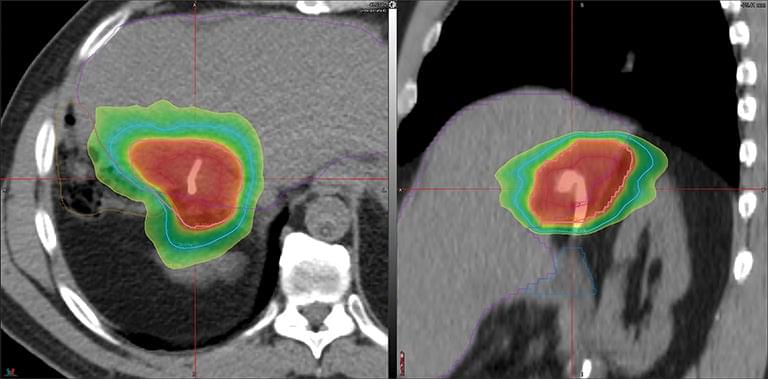
Substituting stereotactic body radiation therapy boost for brachytherapy in Mayo protocol for peri-hilar cholangiocarcinoma

Blood vessels are less like straight pipes and more like a crowded city road map, with turns, forks, and sudden choke points that can change how traffic moves. For a long time, many lab built vessel models skipped that complexity and relied on simple, straight channels, even though real vessels rarely behave that neatly.

Researchers in the Department of Biomedical Engineering at Texas A&M University are trying to close that gap with a customizable vessel-chip method. The goal is to recreate the kinds of shapes that matter in disease, so experiments on blood flow and potential treatments reflect what happens in the body more closely and can better support drug discovery.

Vessel-chips are engineered microfluidic devices that mimic human vasculature on a microscopic scale. Instead of studying blood flow in animals or oversimplified lab setups, scientists can use these chips to examine how fluid forces move through vessel-like structures in a controlled environment. Because the design can be tailored, the platform can also support patient-focused studies, which is especially useful when small differences in anatomy may affect how disease develops or how a therapy performs.

/* */