Toggle light / dark theme

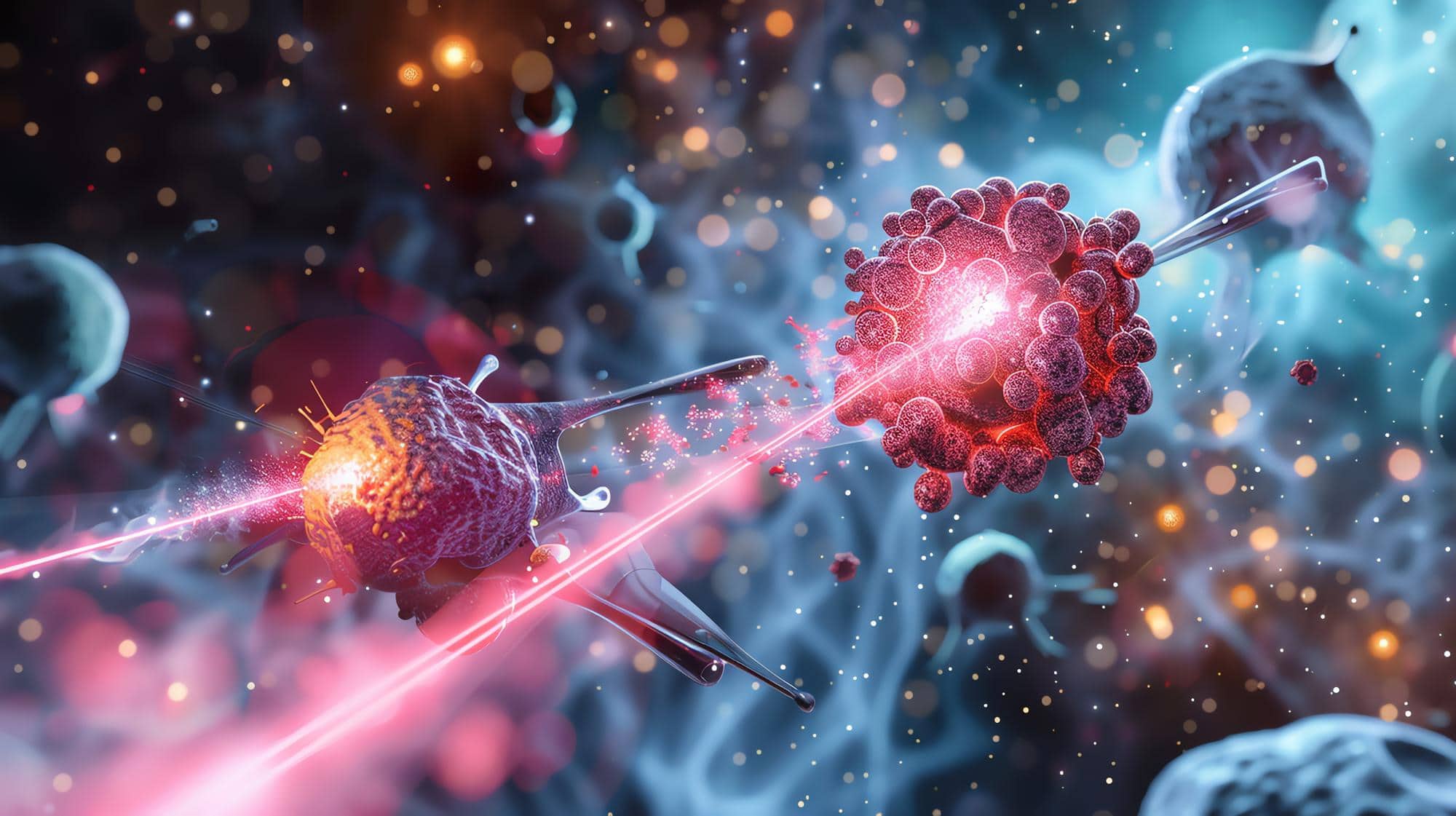
A groundbreaking new strategy makes cancer cells visible, allowing the immune system to detect and attack them more effectively

The nurse dimmed the lights and checked the drip, a quiet beep keeping time in the corner of the oncology ward. On the bed, a young man in a faded band T‑shirt scrolled his phone, pretending not to notice his mother’s eyes darting between the monitor and the doctor at the door. Cancer, once again, was a ghost in the room – everywhere and nowhere, invisible yet controlling every breath.

The doctor took a breath of his own before speaking. This time, he said, they had something different. Not a bigger hammer. A smarter trick.

A way to make the ghost show its face.
Lab grown mini human brains have been given blood vessels for the first time 🧠

These mini brain organoids resemble the developing cortex — the area of our brains that think, feel and store memories.

This advancement will help us learn more about conditions like dementia, but what if we go too far and they become conscious?

Hear the full story on The world, the universe and us, a news podcast for the insatiably curious, hosted by Rowan Hooper and Penny Sarchet.

Tap link in bio to learn more⁠
https://www.newscientist.com/podcasts/

Sentinel Lymph Node Biopsy to Predict Nodal Metastasis in Head and Neck Carcinoma

Between 34% and 44% of MCC cases arise in the head and neck region.1,3-6 This location presents unique challenges for SLNB due to complex lymphatic drainage patterns and proximity to critical anatomical structures.7,8 Accurate nodal staging is especially important because head and neck MCCs (HN MCC) may have worse prognoses than non−HN MCC.9,10

Prior studies of SLNB and HN MCC have been limited by small sample sizes (often 10 patients) and have reported relatively high false-negative rates.8, 11-13 A multisite retrospective study14 characterizing predictors of FN SLNB in stage I/II MCC included 214 patients with HN MCC and found a 39% FN rate in the HN cohort but did not otherwise analyze this cohort separately or describe the unique considerations associated with this region. High SLNB failure rates have also been observed in HN melanoma and squamous cell carcinoma and been largely attributed to anatomic complexity.15-17

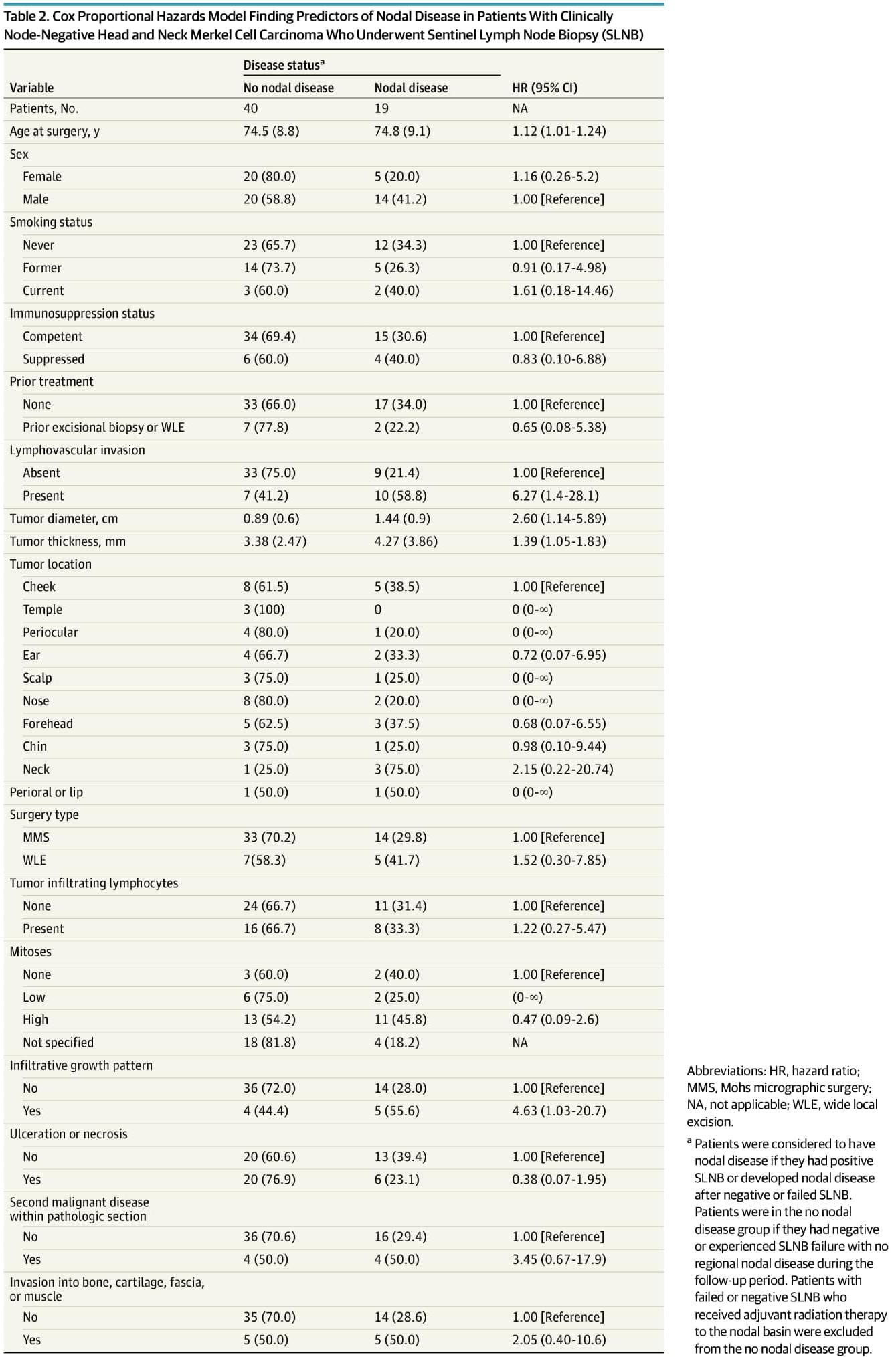
In this large cohort study of patients with clinically node-negative HN MCC who underwent SLNB, we sought to evaluate SLNB accuracy within this anatomically complex region and to identify factors associated with SLNB failure and nodal disease. Our goal was to inform staging practices and refine risk stratification strategies to improve treatment planning and outcomes for this high-risk population.

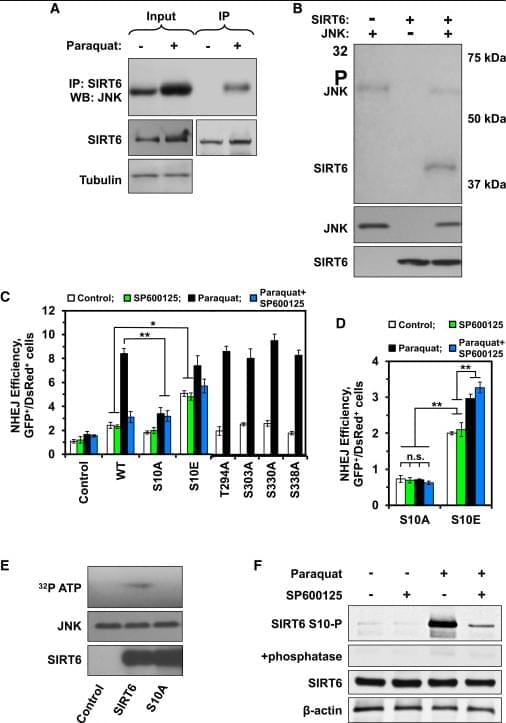
JNK Phosphorylates SIRT6 to Stimulate DNA Double-Strand Break Repair in Response to Oxidative Stress by Recruiting PARP1 to DNA Breaks

(Cell Reports 16, 2641–2650; September 6, 2016)

The original version of this article, published on August 25, 2016, included an incorrect immunoblot image. The anti-H3 loading control shown in Figure 2C was inadvertently duplicated from a separate project during manuscript preparation. This was an unintentional oversight.

Normally, the authors would replace the incorrect image with the correct one. However, because the experiments were performed more than 10 years ago, the original image/film could not be located. This is consistent with the authors’ institutional data-retention policy, which requires data to be kept for only three years after a project’s completion. After discussion, the authors and editors agreed that removing the immunoblot images from Figure 2C would prevent confusion for future readers without changing the article’s central conclusions.

Using rare sugars to address alcoholism

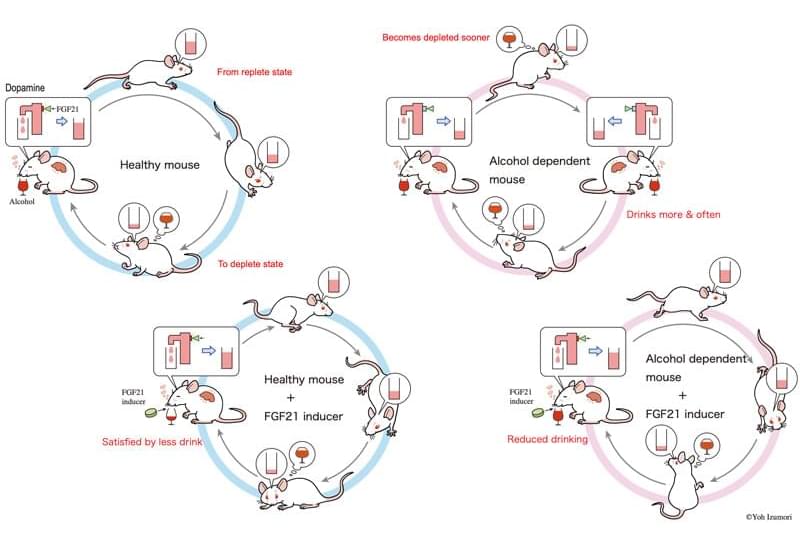
While investigating the FGF21-oxytocin-dopamine system, a mechanism that regulates sugar appetite, a team of researchers at Kyoto University noticed reports suggesting that the protein FGF21 may regulate alcohol ingestion.

The team’s original aim had been to address sugar appetite in lifestyle-related diseases, but since alcohol is a fermented product of sugar, they speculated that perhaps the body contains a system that recognizes both alcohol and sugar as the same entity.

Alcohol consumption and intervention challenges Excessive alcohol consumption is a major global health issue, and effective countermeasures for prevention and treatment are limited. Patients with alcohol dependence generally have a low adherence to pharmaceuticals, and many avoid drug treatment because it deprives them of the pleasure of drinking.

Blood vessels under pressure

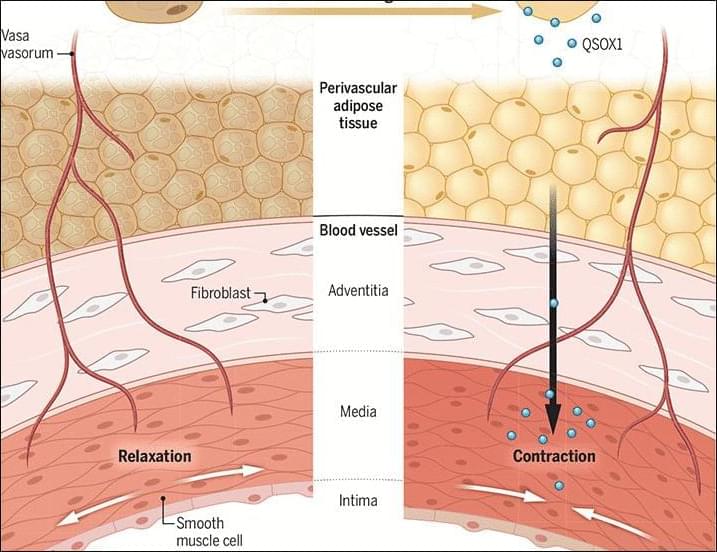
Beige fat surrounding blood vessels actively works to keep high blood pressure in check, according to a new Science study in mice, promoting healthy vascular function even during obesity.

The findings support the notion that therapeutic activation of thermogenic fat tissue could help reduce the risk of cardiovascular disease.

Learn more in this Science vPerspective.


A protein in perivascular fat cells protects mice against hypertension.

Mandy O. J. Grootaert and Aernout Luttun Authors Info & Affiliations

Science

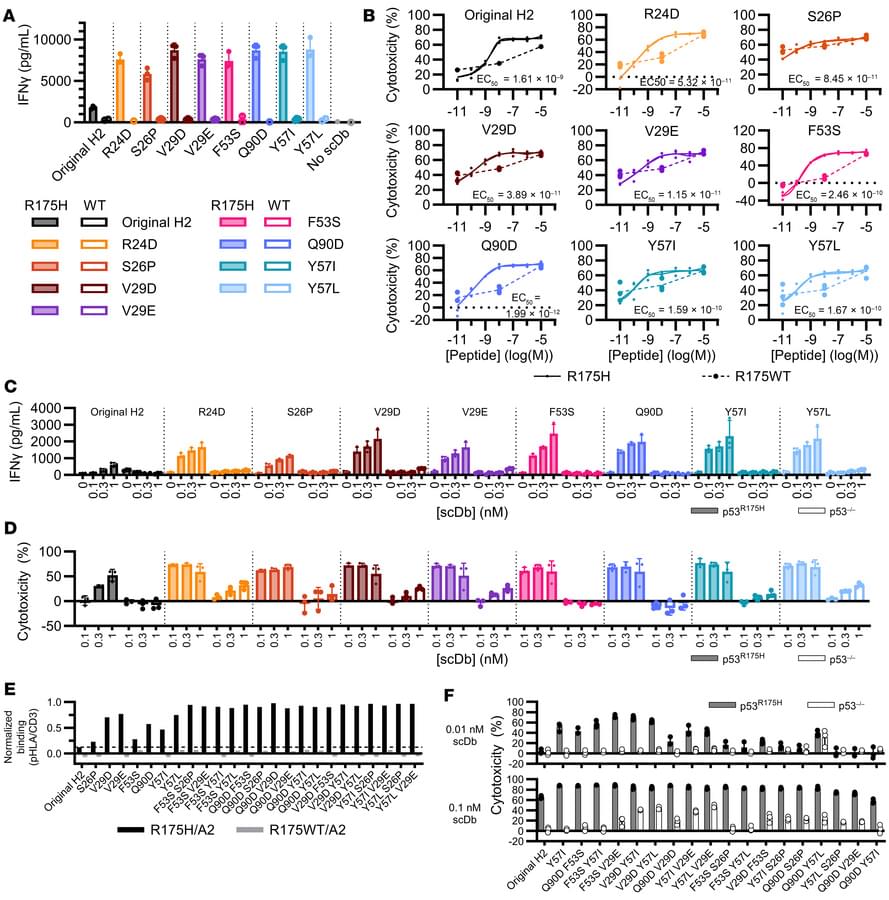
Abstract: The optimal affinity of the chimeric antigen receptor for its target antigen on cancer cells remains a matter of debate

Here, Bert Vogelstein & team report that increasing binding affinity to a p53 R175H neoantigen improves anti-cancer activity for T cell-engaging bispecific antibodies and conversely decreases function for CAR T cells.


1Ludwig Center, Sidney Kimmel Comprehensive Cancer Center, Johns Hopkins University School of Medicine, Baltimore, Maryland, USA.

2Howard Hughes Medical Institute, Chevy Chase, Maryland, USA.

3Lustgarten Pancreatic Cancer Research Laboratory and.

4Bloomberg~Kimmel Institute for Cancer Immunotherapy, Sidney Kimmel Comprehensive Cancer Center, Johns Hopkins University School of Medicine, Baltimore, Maryland, USA.

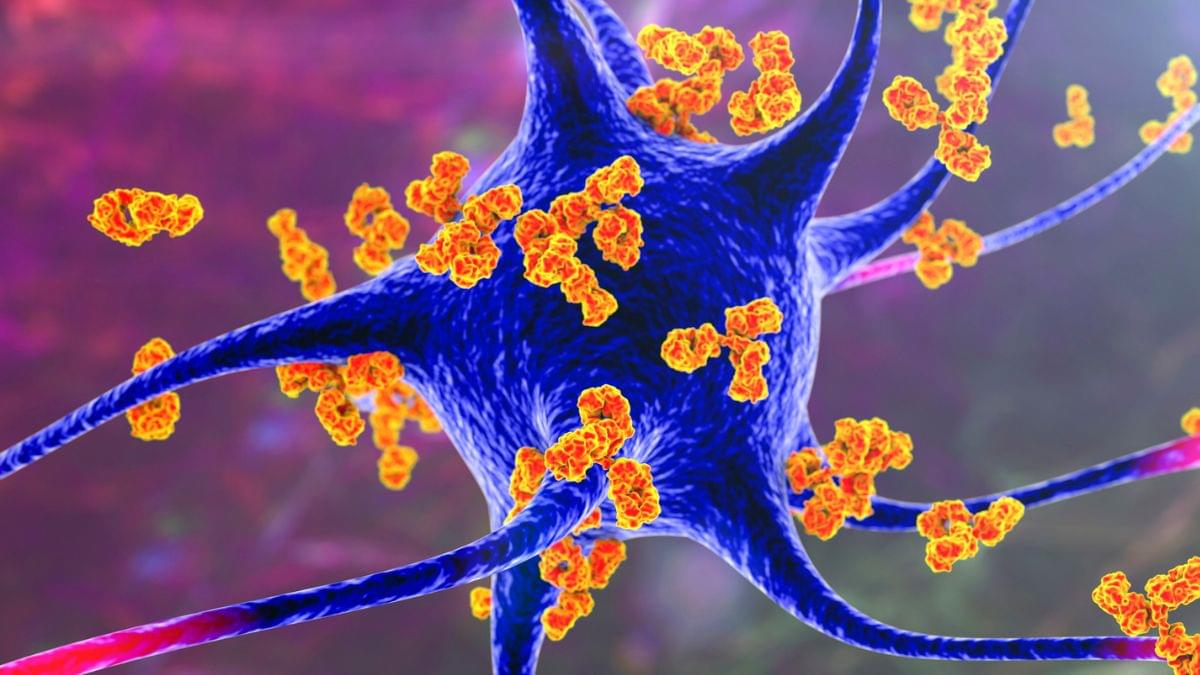
Forever Chemicals Linked to Multiple Sclerosis in Concerning New Study

People who are exposed to certain forever chemicals may be at greater risk of developing multiple sclerosis (MS), according to new research.

No one knows why that is, but it could help explain why, over the past 30 years, the prevalence of MS has increased by an average of 26 percent globally. In some nations, cases have more than doubled since 1990.

MS is an autoimmune disease of the central nervous system with no known singular cause and no known cure.

Researchers create cells that help the brain keep its cool

Researchers at Lund University have developed a new method to reprogram the brain’s support cells into parvalbumin neurons, the cells that help keep brain activity in balance. These cells are key in conditions like epilepsy, and creating them in the lab has long been a challenge.

By bypassing the stem-cell stage, the team can now generate these neurons faster and more efficiently. The breakthrough opens new possibilities for studying disease mechanisms, and, in the future, for replacing damaged brain cells.

Read about the research here: https://www.lunduniversity.lu.se/article/researchers-create-…p-its-cool.

Photo: Hal Gatewood, Unsplash.


Lund University. Parvalbumin cells play a central role in keeping brain activity in equilibrium. They control nervcell signalling, reduce overactivity and make sure that the brain is working to a rhythm. Researchers sometimes describe them as the cells that “make the brain sound right”.When these cells malfunction or decrease in number, the balance of the brain is disrupted. Previous studies suggest that damaged parvalbumin cells may contribute to disorders such as schizophrenia and epilepsy.

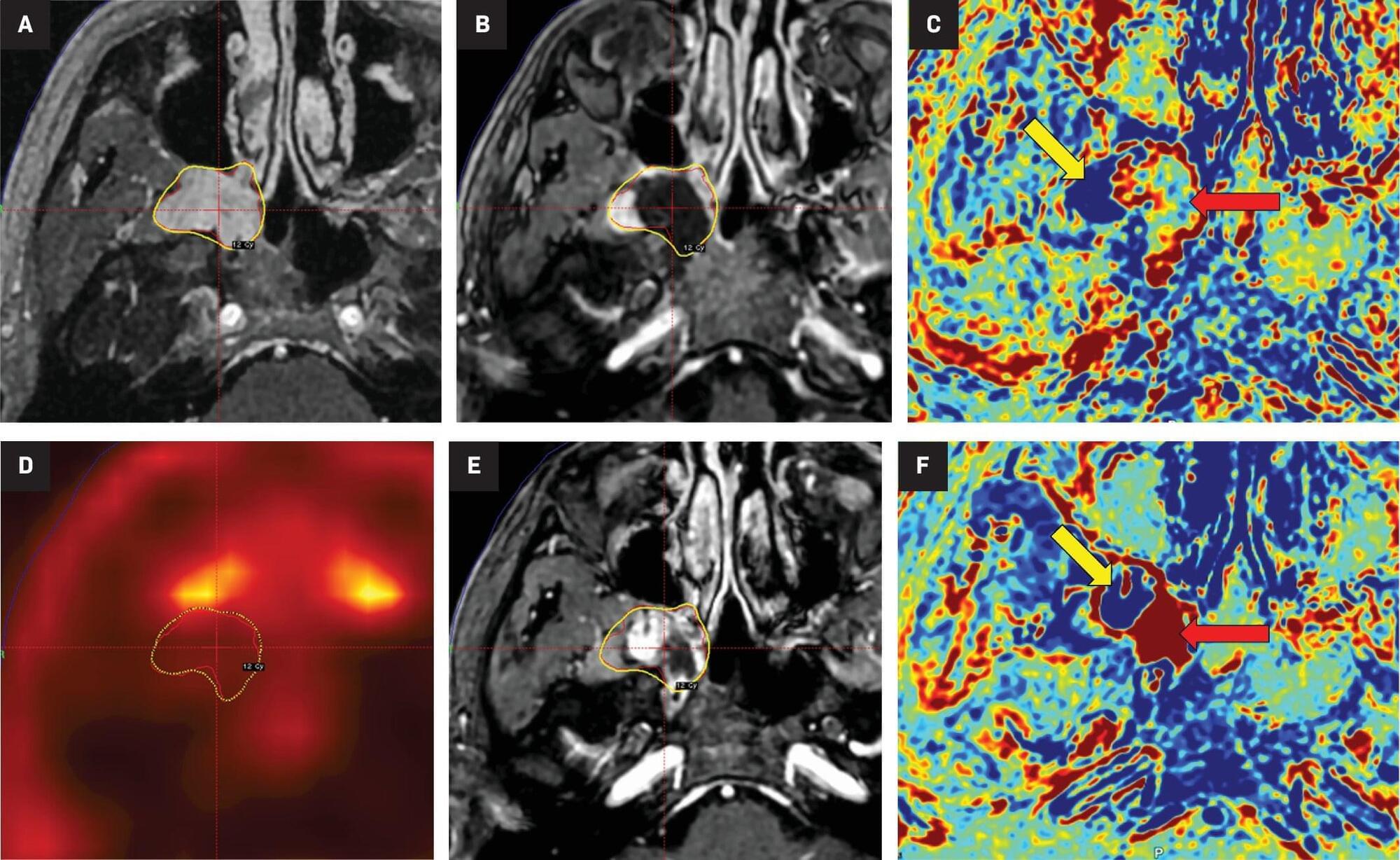
Hyper-Acute Necrosis of a Trigeminal Schwannoma After GKRS: A Case Report

Learn more 🔗


Trigeminal schwannomas (TS) represent 0.8 to 5% of intracranial schwannomas. Due to their localization, surgery has a high morbidity, with stereotactic radiosurgery being a frequent method of treatment with a high control rate. The main side effects due to radiation are pseudoprogression and worsening of the symptoms related to the affected nerve. Despite tumor necrosis, they tend to be progressive, small, and to spread throughout the tumor. We present a rare case of a 48-year-old woman with trigeminal schwannoma who underwent gamma knife radiosurgery and presented with facial pain immediately after the procedure with significant worsening a few hours later. MRI showed necrosis of the medial part of the extracranial extension of the tumor. This is the first report of hyperacute tumor necrosis after radiation for schwannomas.

/* */