Toggle light / dark theme

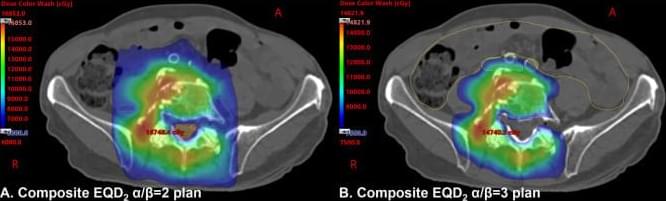
Reirradiation With Stereotactic Body Radiation Therapy for Spinal Metastases: Planning Procedure From a High-Volume Multidisciplinary Spine Oncology Program (SOaR2)

New in practicalRO.


We sought to develop a systematic spine reirradiation planning protocol prioritizing patient safety and maximizing tumor dose delivery. Patients were presented at a Multidisciplinary Spine Oncology Tumor Board to confirm suspicion for recurrent or progressive malignancy and were evaluated in the clinic by the Department of Radiation Oncology and Neurosurgery. Suitable patients proceeded to computed tomography (CT)/magnetic resonance imaging scan simulation. A dedicated physics pathway was activated with the fusion of the magnetic resonance imaging scan and planned CT scan, verified independently by 2 physicists.

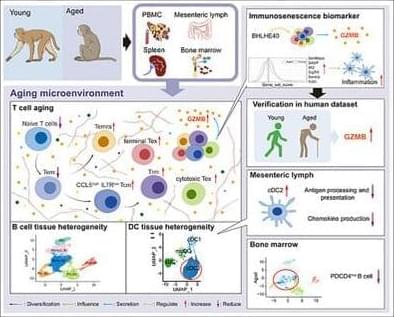
Single‐Cell Profiling Across Immune Tissues and Organs Reveals Immunosenescence Signatures in Male Rhesus Monkeys

Single-cell profiling across bone marrow, spleen, mesenteric lymph, and blood in rhesus monkeys reveals organ Immunosenescence. GZMB rises with age, particularly in cytotoxic and terminally exhausted…

Caffeinated Coffee Consumption or Abstinence to Reduce Atrial Fibrillation: The DECAF Randomized Clinical Trial

RCT: Patients with atrial fibrillation (AF) who continued their usual caffeinated coffee intake after cardioversion experienced less recurrence of AF or atrial flutter compared to those who abstained from coffee and caffeine.


Main Outcomes and Measures The primary end point was clinically detected recurrence of AF or atrial flutter over 6 months.

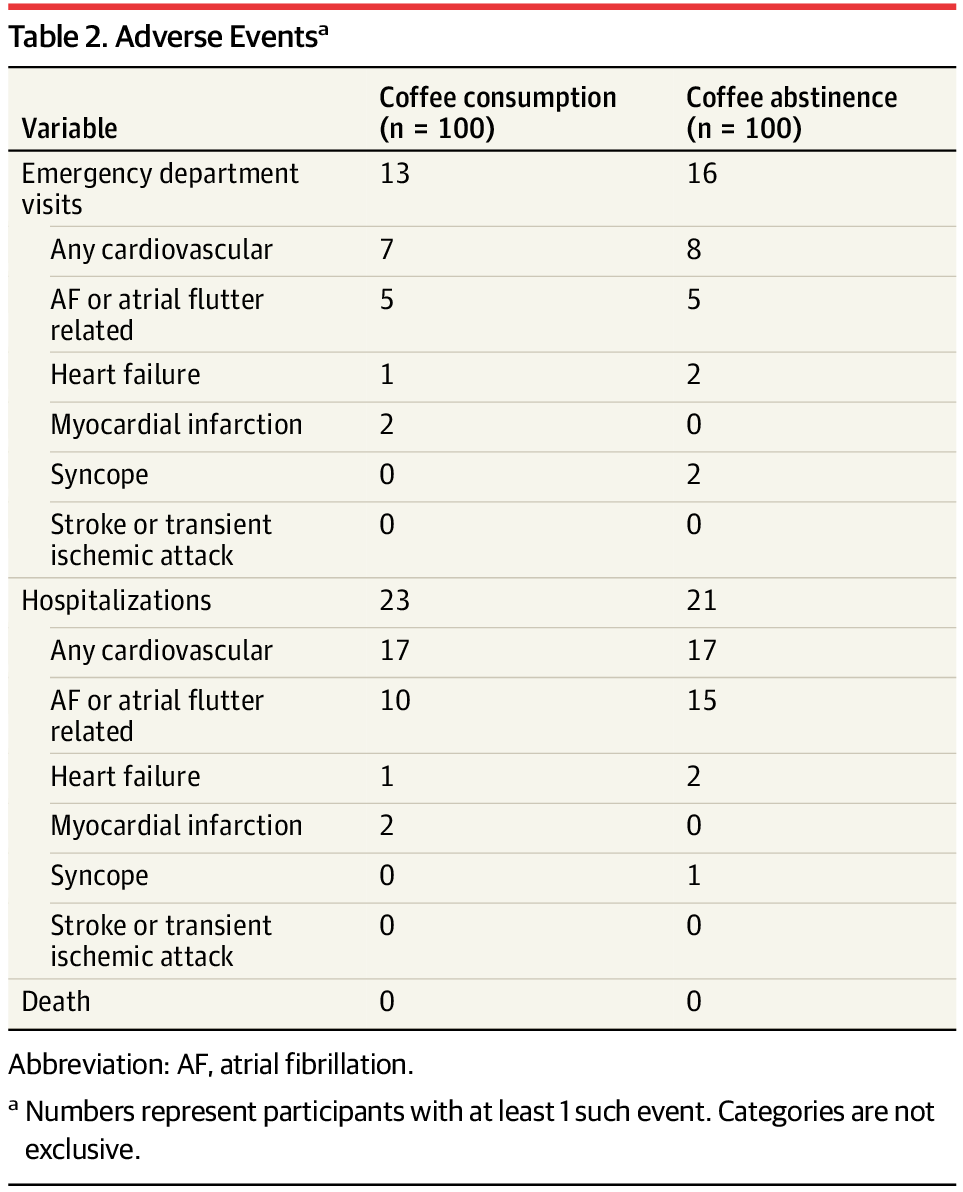
Results Two hundred patients (mean [SD] age, 69 [11] years; 71% male) were randomized to caffeinated coffee consumption (n = 100) or coffee abstinence (n = 100). Baseline coffee intake was 7 cups (IQR, 7–18) per week in both groups. During follow-up, coffee intake in the consumption and abstinence groups was 7 (IQR, 6–11) and 0 (IQR, 0–2) cups per week, respectively, resulting in a between-group difference of 7 cups (95% CI, 7–7) per week. In the primary analysis, AF or atrial flutter recurrence was less in the coffee consumption (47%) than the coffee abstinence (64%) group, resulting in a 39% lower hazard of recurrence (hazard ratio, 0.61 [95% CI, 0.42–0.89]; P = .01). A comparable benefit of coffee consumption was observed with AF recurrence only. There was no significant difference in adverse events.

Conclusions and Relevance In this clinical trial of coffee drinkers after successful cardioversion, allocation to consumption of caffeinated coffee averaging 1 cup a day was associated with less recurrence of AF or atrial flutter compared with abstinence from coffee and caffeinated products.
Sex Differences in Left Ventricular Remodeling for Aortic Regurgitation

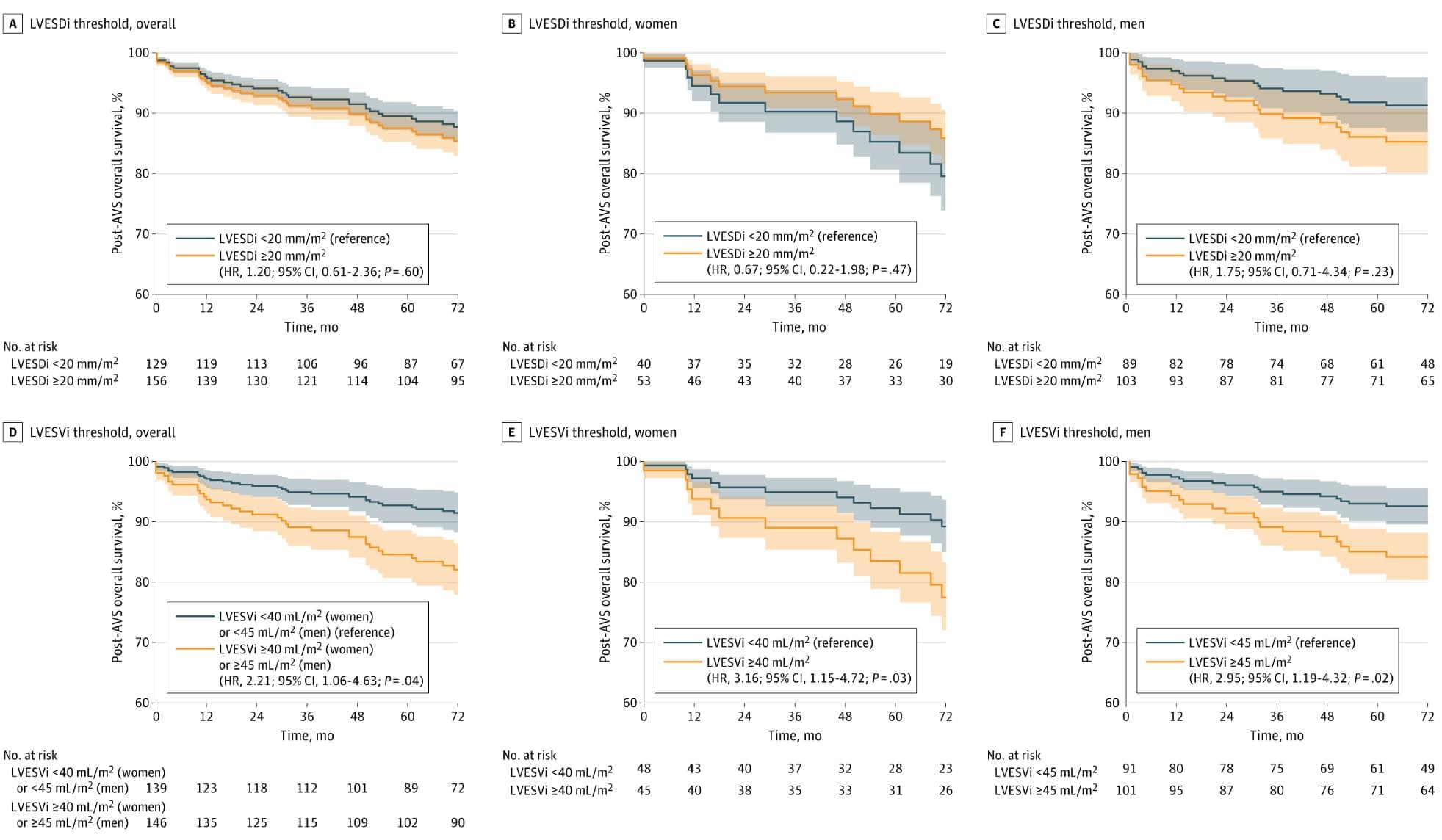
In a multicenter cohort study of adults with moderate-severe AorticRegurgitation and preserved ejection fraction, women experienced higher mortality under medical management compared to men.

The optimal left ventricular end-systolic diameter index threshold associated with mortality was similar for both sexes (≥20 mm/m²), while volumetric thresholds differed: 40 mL/m² for women and 45 mL/m² for men.

These findings support the use of sex-specific thresholds to improve risk stratification and timing of intervention.


This cohort study evaluates sex differences in left ventricular remodeling among individuals with aortic regurgitation.

How your life story leaves epigenetic fingerprints on your immune cells

The COVID-19 pandemic gave us tremendous perspective on how wildly symptoms and outcomes can vary between patients experiencing the same infection. How can two people infected by the same pathogen have such different responses? It largely comes down to variability in genetics (the genes you inherit) and life experience (your environmental, infection, and vaccination history).

These two influences are imprinted on our cells through small molecular alterations called epigenetic changes, which shape cell identity and function by controlling whether genes are turned “on” or “off.”

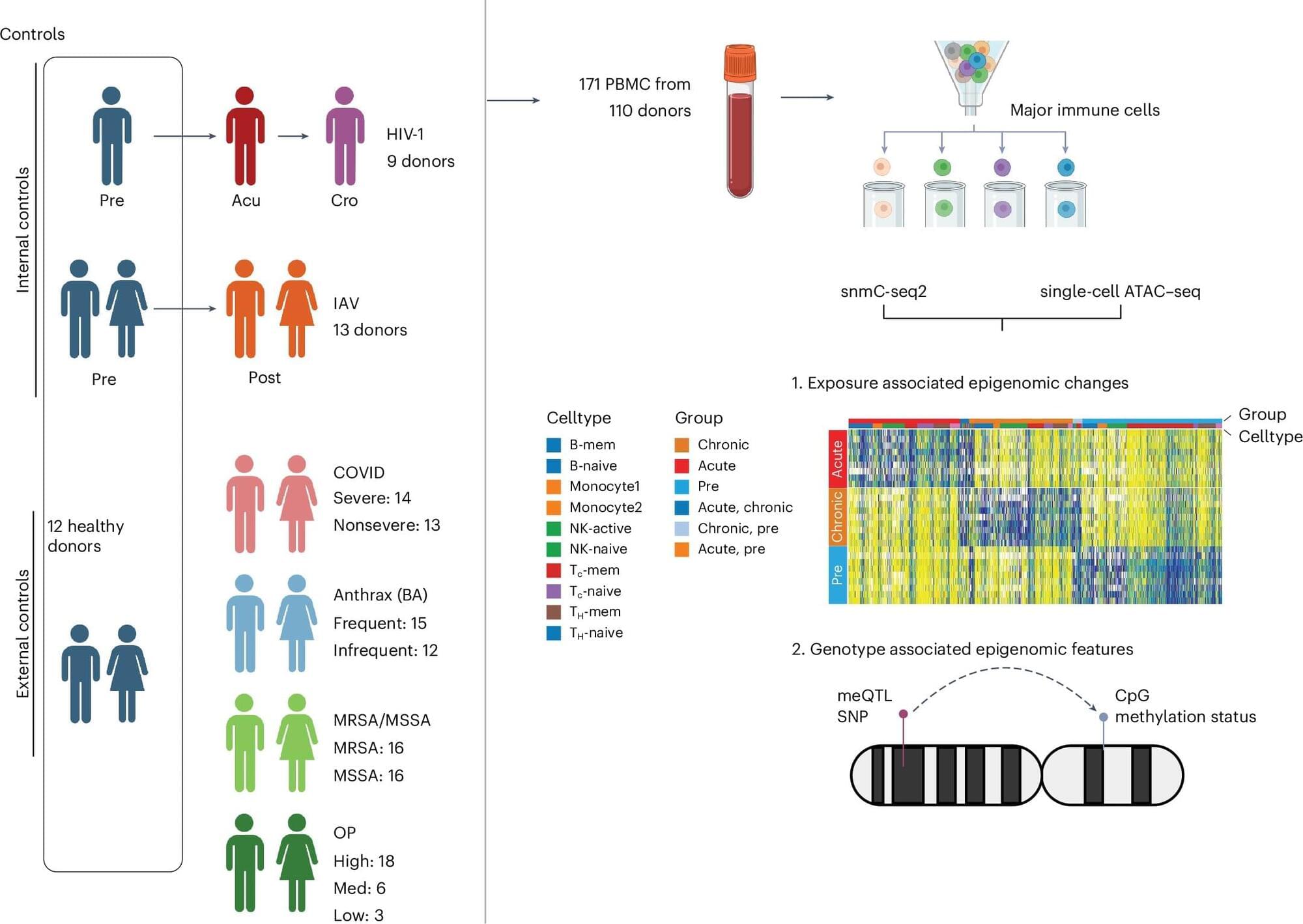
Salk Institute researchers are debuting a new epigenetic catalog that reveals the distinct effects of genetic inheritance and life experience on various types of immune cells. The new cell type-specific database, published in Nature Genetics, helps explain individual differences in immune responses and may serve as the foundation for more effective and personalized therapeutics.

3D material mimics graphene’s electron flow for green computing

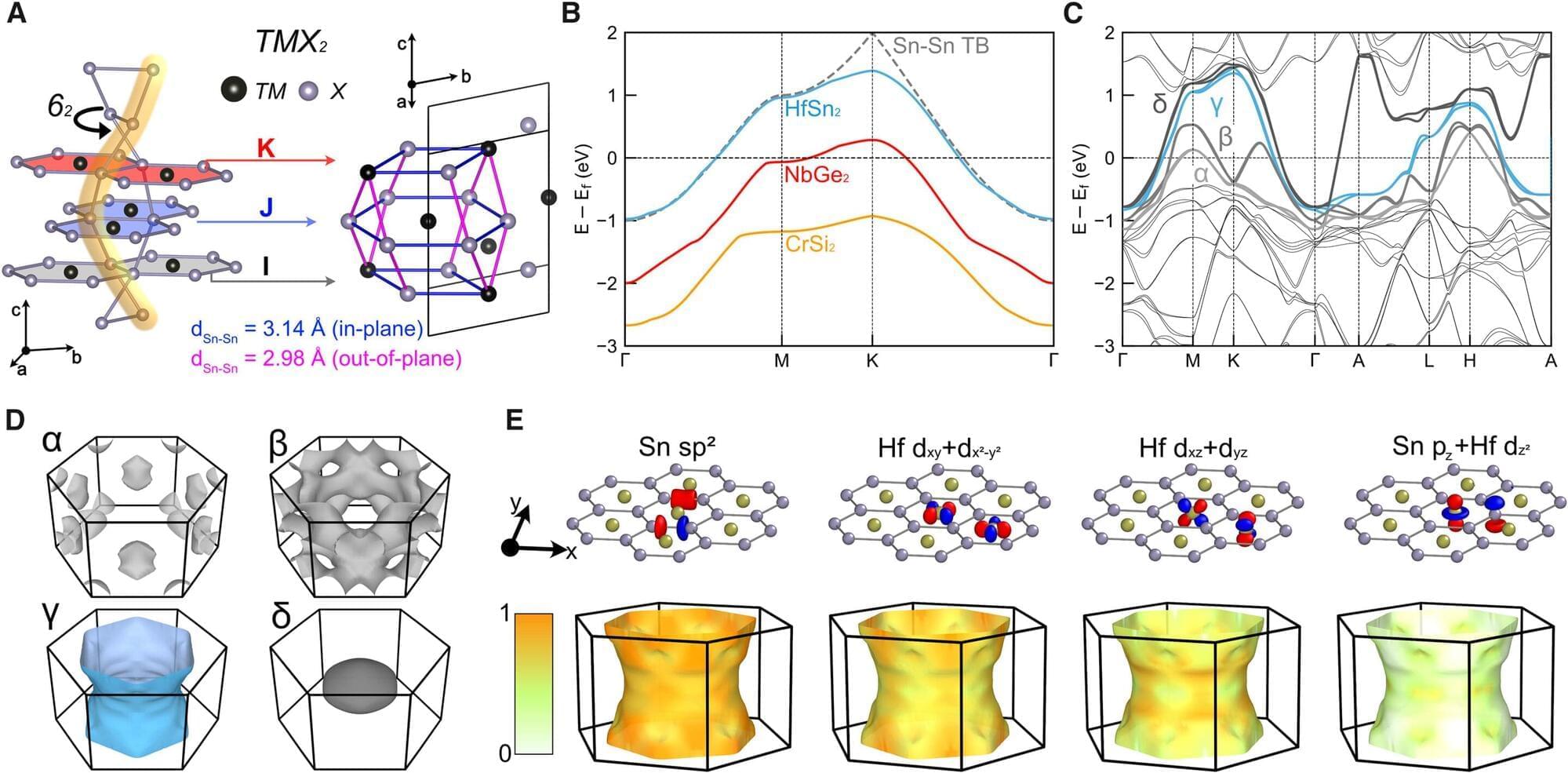
University of Liverpool researchers have discovered a way to host some of the most significant properties of graphene in a three-dimensional (3D) material, potentially removing the hurdles for these properties to be used at scale in green computing. The work is published in the journal Matter.

Graphene is famous for being incredibly strong, lightweight, and an excellent conductor of electricity and its applications range from electronics to aerospace and medical technologies. However, its two-dimensional (2D) structure makes it mechanically fragile and limits its use in demanding environments and large-scale applications.

Synthetic ‘muscle’ with microfluidic blood vessels shows promise for soft robotics

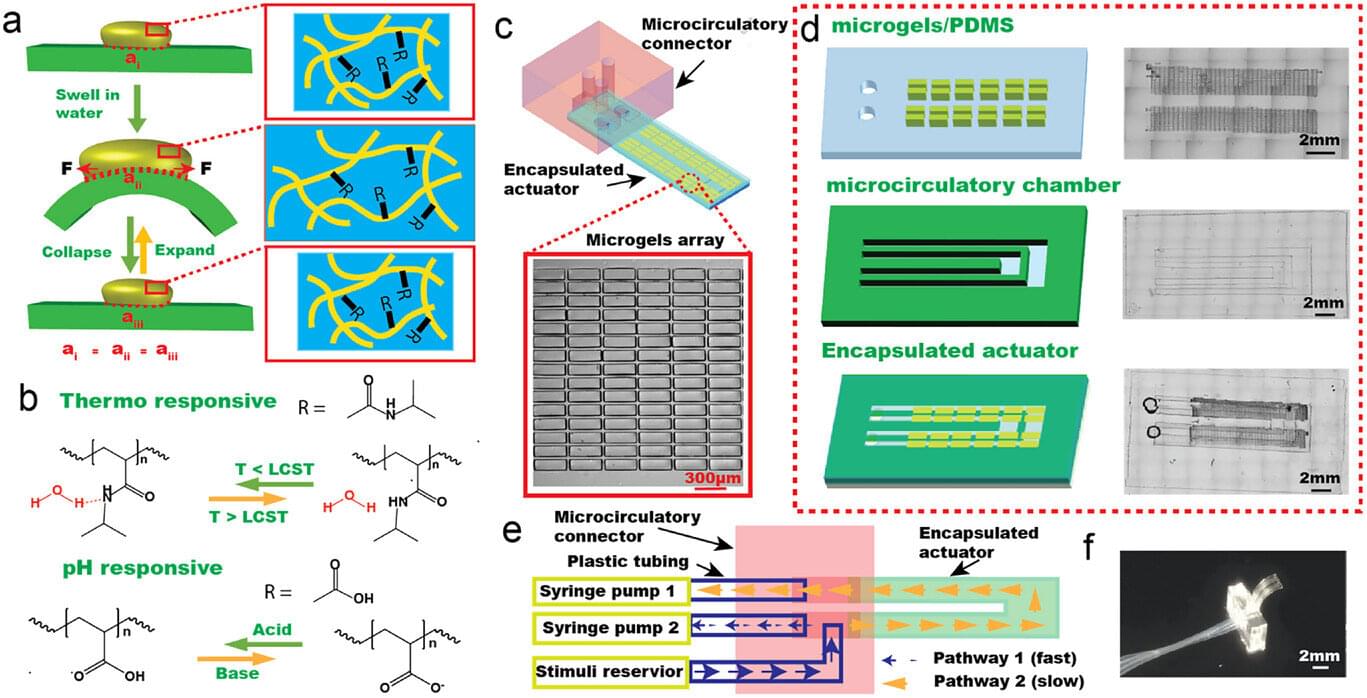
Researchers are continuing to make progress on developing a new synthetic material that behaves like biological muscle, an advancement that could provide a path to soft robotics, prosthetic devices and advanced human-machine interfaces. Their research, recently published in Advanced Functional Materials, demonstrates a hydrogel-based actuator system that combines movement, control and fuel delivery in a single integrated platform.

Biological muscle is one of nature’s marvels, said Stephen Morin, associate professor of chemistry at the University of Nebraska–Lincoln. It can generate impressive force, move quickly and adapt to many different tasks. It is also remarkable in its flexibility in terms of energy use and can draw on sugars, fats and other chemical stores, converting them into usable energy exactly when and where they are needed to make muscles move.

A synthetic version of muscle is one of the Holy Grails of material science.

Data-driven 3D chromosome model reveals structural and dynamic features of DNA

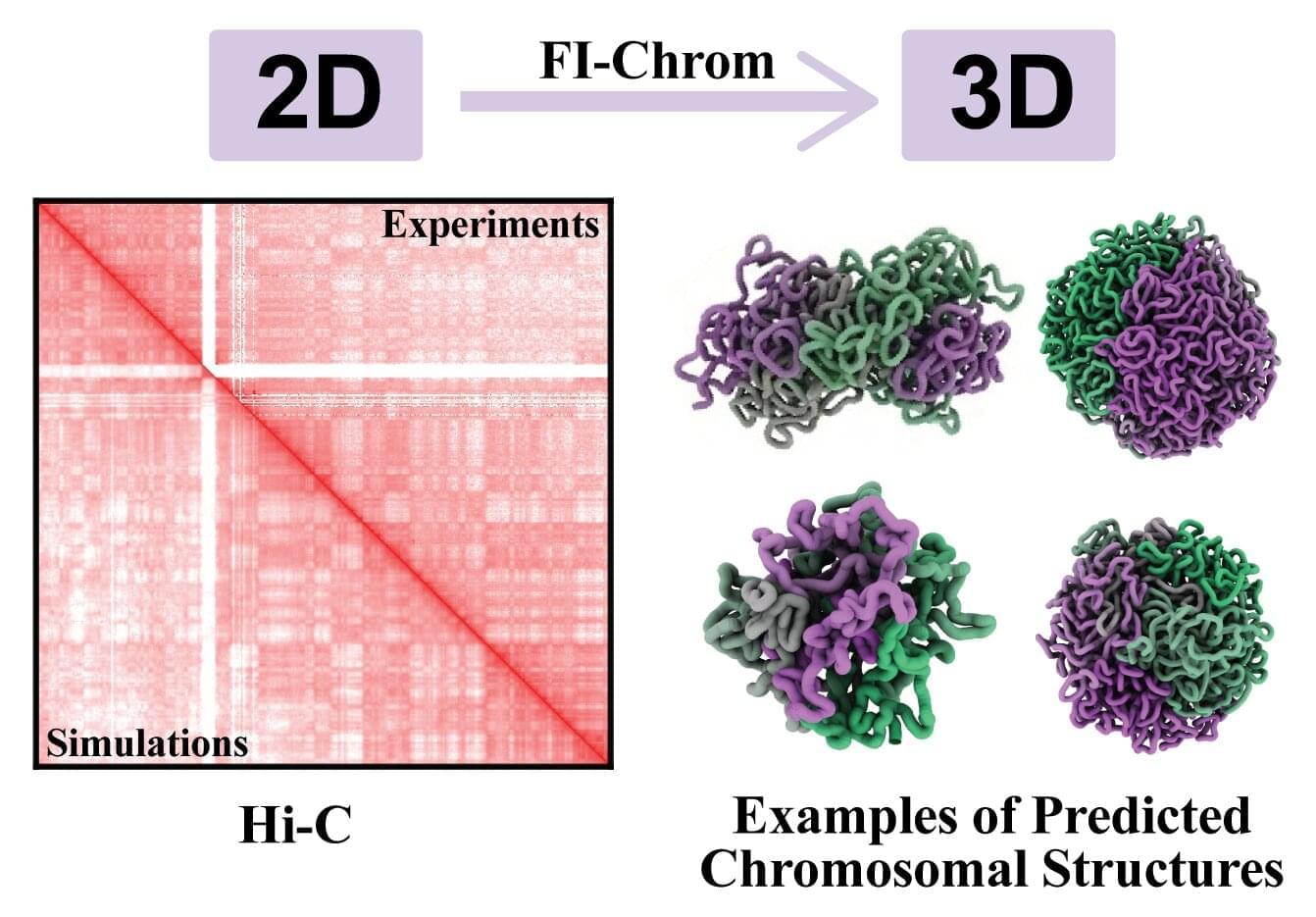
Chromosomes are masters of organization. These long strings of DNA fold down into an ensemble of compact structures that keep needed parts of the genome accessible while tucking away those that aren’t used as often. Understanding the complexity of these structures has been challenging; chromosomes are large systems, and deciphering the structure and dynamics requires a combination of experimental data and theoretical approaches.

The FI-Chrom method, described in a recent publication by Rice’s José Onuchic and Vinícius Contessoto, is a new and effective approach for creating 3D maps of chromosomes from real-world data.

The study is published in the journal Proceedings of the National Academy of Sciences.

New study finds heart attacks involve brain and immune system, not just heart

Arteries become clogged. Blood flow is restricted and oxygen is cut off. The result is a heart attack, the world’s leading cause of death.

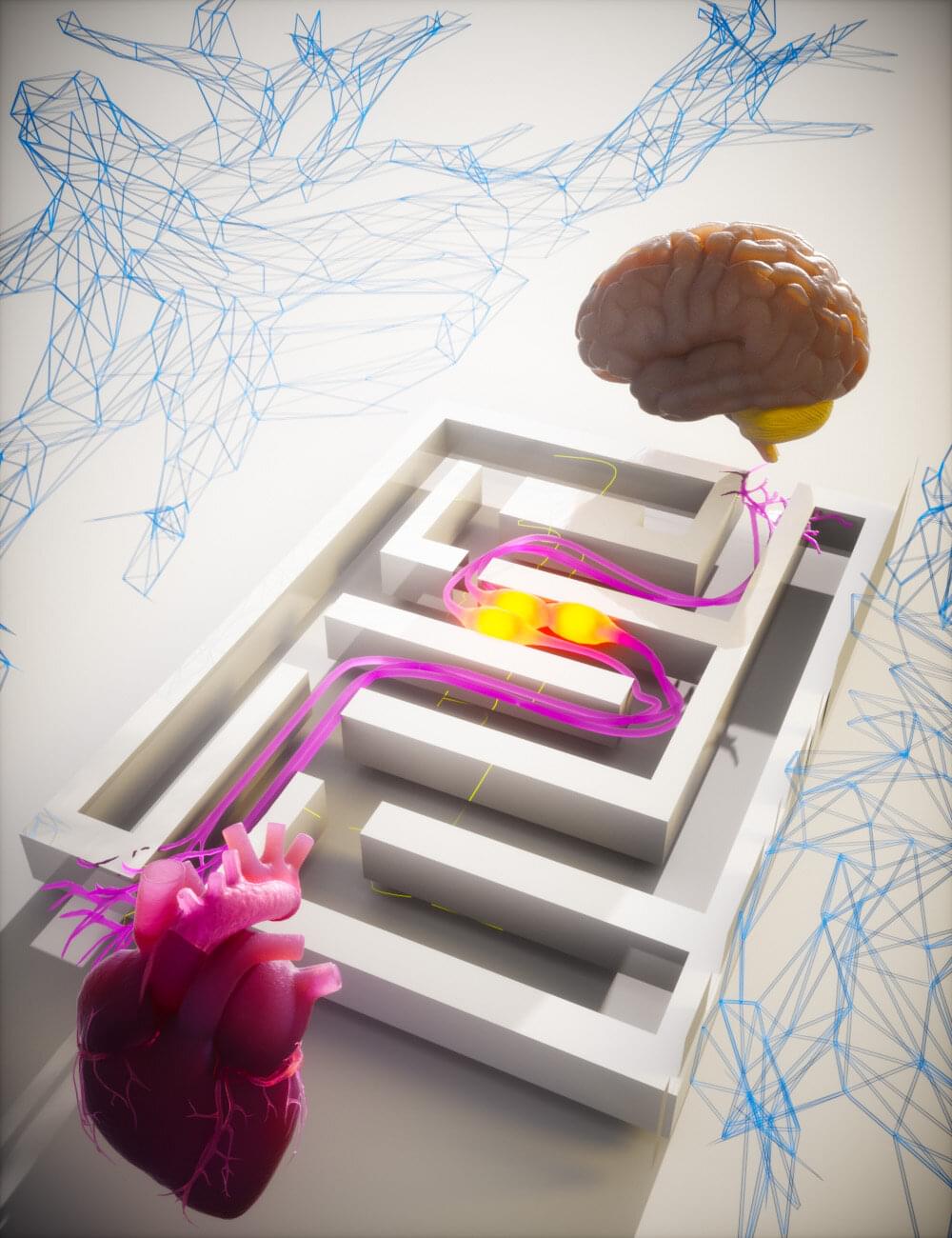
The conventional approach to studying and treating these episodes is to focus on the heart as an isolated organ. University of California San Diego research, led by the School of Biological Sciences, is upending the way heart attacks are viewed under a transformative new understanding of how cardiac events are interconnected with other systems.

In a study published in the journal Cell, Postdoctoral Scholar Saurabh Yadav, Assistant Professor Vineet Augustine and their colleagues describe a comprehensive new picture of heart attacks and their resulting damage by connecting the heart, the brain and the nervous and immune systems.

/* */