Can cannabidiol (CBD) serve as a mouthwash to combat gingivitis? This is what a recent study published in the Journal of Clinical Medicine hopes to address | Cannabis Sciences

We got a bird flu simulator before GTA 6… 🐔
But seriously – why does bird flu spread so quickly and why is it so difficult to contain its spread? Let’s look at it together.
#kurzgesagt.
#inanutshell #kurzgesagt_inanutshell #learnwithshorts #science #birdflu #birdflutreatment #biology.
Sources & further reading:
https://sites.google.com/view/kgs-tiktok-sources.
Follow us for more sciencey content! 🦆
OUR CHANNELS
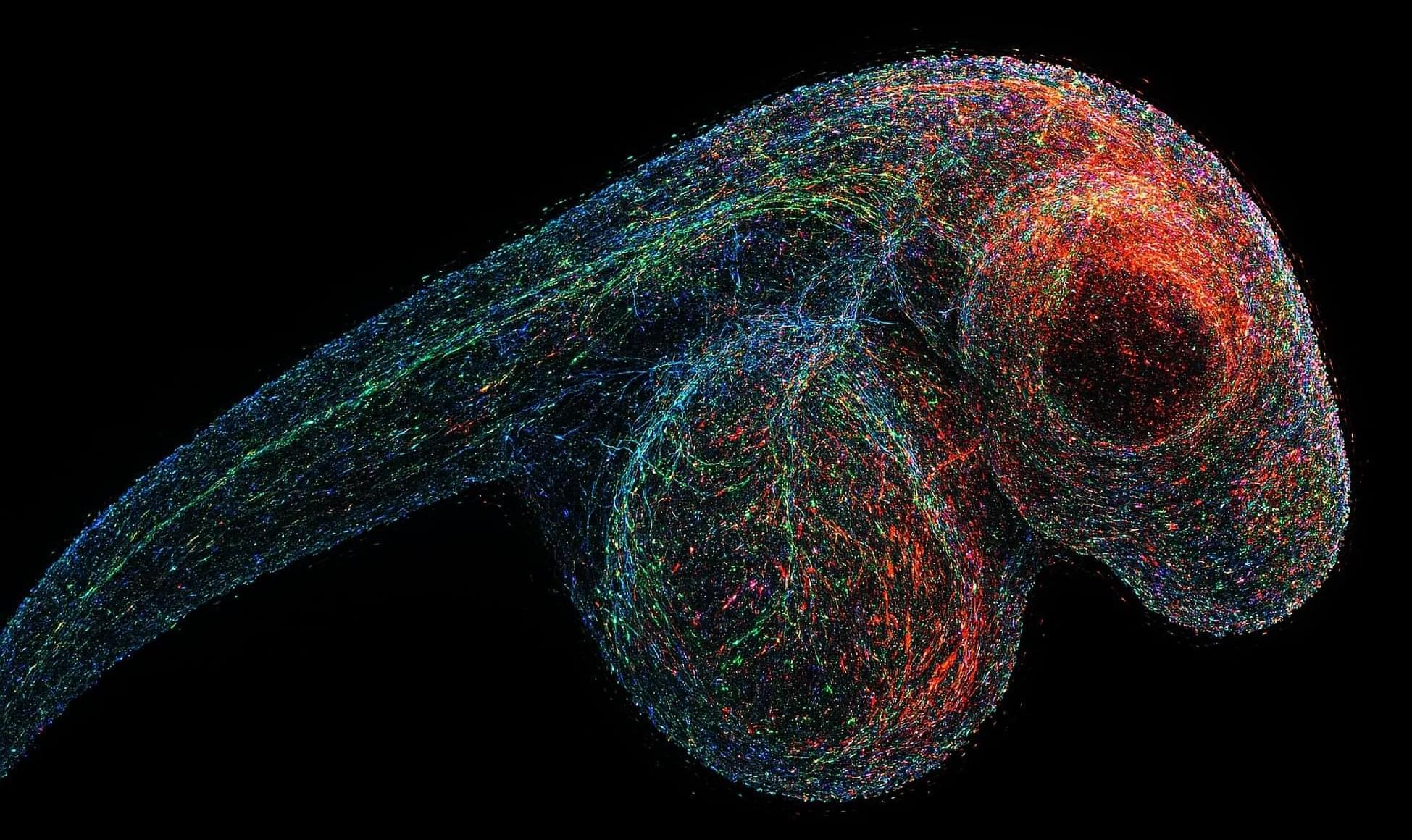
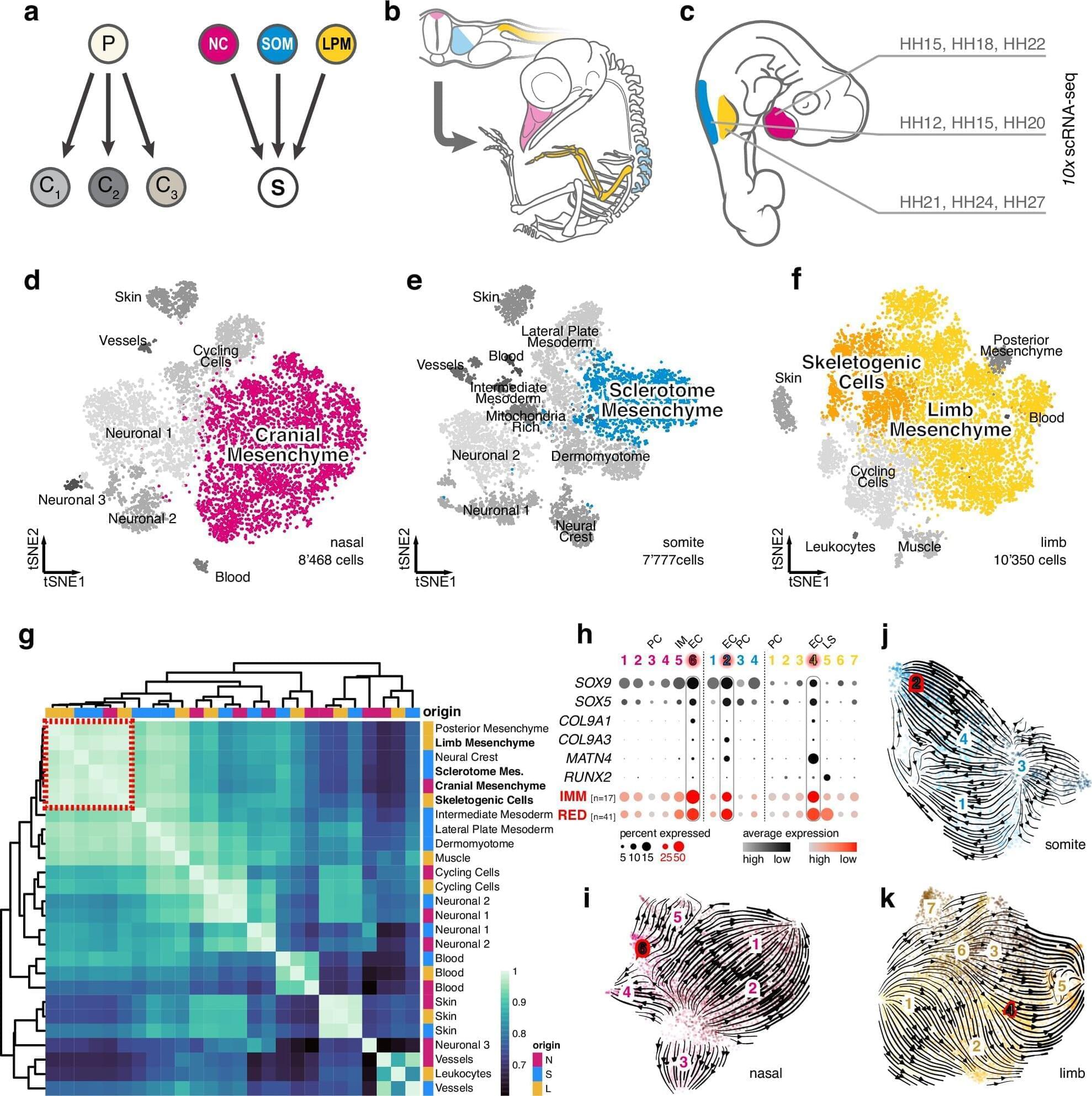
In vertebrates, the skeleton of different regions of the body arises from different precursor cells. Researchers at the University of Basel have now discovered that these skeletal cells do not just differ in their developmental origin, but also in their gene regulation—which may be a key to the vertebrates’ evolutionary success story.
From the skull to the smallest bone in your pinky toe, the skeleton acts as internal scaffolding to give stability to the body, and forms protective cocoons around important organs. Despite their similar structure, however, not all bones are created equal: in vertebrates (including humans), the various parts of the skeleton arise from different groups of precursor cells during embryonic development.
During this process, each group produces its own set of regulator proteins and goes through its own developmental program to produce cartilage and bone. Researchers from the University of Basel have reported these findings in the journal Nature Communications.
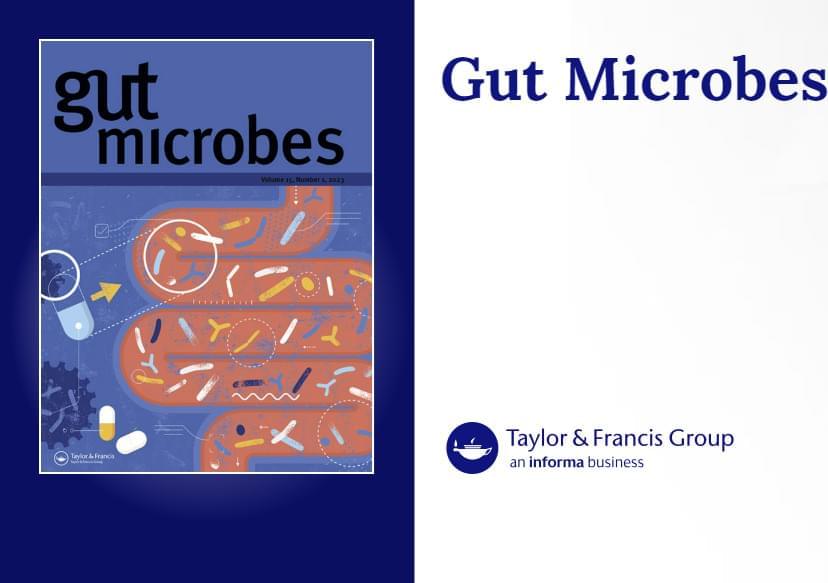
The first couple of months of life is a critical window for microbiome development. Several factors, such as mode of delivery, diet, environment, and the use of antibiotics, shape a child’s gut microbiota, which can have a profound impact on childhood development and lifelong health. For example, recent studies suggest that infants whose microbiome development is disrupted via cesarean section delivery, early antibiotic use, limited breastfeeding, or other factors are at greater risk for asthma and allergies, respiratory infections, inflammatory bowel disease (IBD), type 1 diabetes, and obesity. Citation 14, Citation 15 The assembly of the infant microbiome is first determined by maternal – infant exchanges of microbiota. Citation 16 Therefore, optimizing the maternal microbiome during pregnancy is likely part of a comprehensive approach to protect and promote the fetus’s health and provide the newborn with a specific microbial inoculum at birth. Citation 14, Citation 17 After birth, maternal breast milk promotes the colonization and maturation of the infant’s gut microbiome. Human milk contains a high concentration of indigestible glycans, known as HMOs which can act as growth substrates for beneficial Bifidobacteria to support the early founder strains of the infant microbiome. Citation 18, Citation 19 In addition, HMOs extert several microbiome-independent mechanism such as serving as decoy receptors to effectively block the attachment of pathogenic bacteria and directly interacting with various receptors. Citation 20 The infant microbiome evolves and diversifies further throughout life in response to whether an infant is breastfed, or formula-fed and which type of formula is used. The weaning period (i.e. the introduction of solid food at around 4–12 months) represents another important window of opportunity to positively impact the development of the microbiome as the bacterial community needs to adapt to digest dietary fibers. Studies linking low gut microbial diversity and the lack of specific bacteria to atopic dermatitis emphasize the first 18 month as a critical window period. Citation 21 Complete gut colonization then occurs within approximately 3 years of life and plays an essential role in further digestion, immunity and neuroendocrine pathway development. Citation 22, Citation 23 In cases where antibiotic treatment is necessary, biotic supplements (i.e. pre, pro, syn or postbiotics) have been shown to lessen the deleterious impact of antibiotics on the infant gut microbiome. Citation 24, Citation 25
In healthy adults, the gut microbiome is fully developed and designed to maintain overall balance while promoting its own survival against environmental stressors, with microorganisms engaging in complex interactions. Recent high-resolution studies examining microbiome composition before, during, and after antibiotic use at the individual gene x strain level demonstrate the remarkable adaptability or ‘fitness’ of gut microbial ecosystems. Citation 26, Citation 27 A healthy and fully functional ecosystem primarily aims to preserve its balance, with ecological diversification playing a crucial role in shaping the genetic structure of resident populations to defend against competition and external disruptors and stressors. Citation 27, Citation 28 Thus, intestinal bacterial ecosystems seem to carry an inherent ecological resilience helping to protect both, themselves and as a consequence their host’s health. This resilience seems to be driven by two main factors: a more diverse microbiome appears generally better at preserving its own balance; Citation 29, Citation 30 and 2) a highly collaborative and interdependent nature of microbial communities seems to play a key role in ecological resilience. In a healthy state, different species work together in a balanced and mutually beneficial way through mechanisms like crossfeeding of various microbial nutrients beyond SCFAs and other forms of metabolic cooperation to stabilize bacterial communities under varying environmental conditions. Citation 31 Understanding these mechanisms across all life stages, from infancy to adulthood to old age, while accounting for the variability in adult microbiome profiles shaped by factors such as genetics, diet, lifestyle, and environmental exposures Citation 32–35 will likely enable the design of better-tolerated and more precise interventions. These interventions could holistically target the functionality of microbiome networks rather than focusing solely on individual species or strains and, thus, allow to tap into the endogenous biochemical pathways that act to maintain bacterial homeostasis.
The large diversity of the adult microbiome, however, presents a notable challenge. A previous comprehensive investigation involving over 1,000 healthy individuals from diverse ancestral backgrounds living in shared environments provided interesting insights. It showed that genetic ancestry has minimal influence on gut microbiome composition. Instead, notable similarities were found in the microbiomes of unrelated individuals sharing the same household with over 20% of the differences in microbiome composition between individuals attributed to factors such as habitual diet, medication use, and anthropometric measurements. Citation 36 This is supported by findings from controlled-feeding studies in humans Citation 35 Citation 37 For example, microbiome composition changed detectably within 24 h of initiating a high-fat/low-fiber vs. a low-fat/high-fiber diet Citation 37 despite entrotype stability.
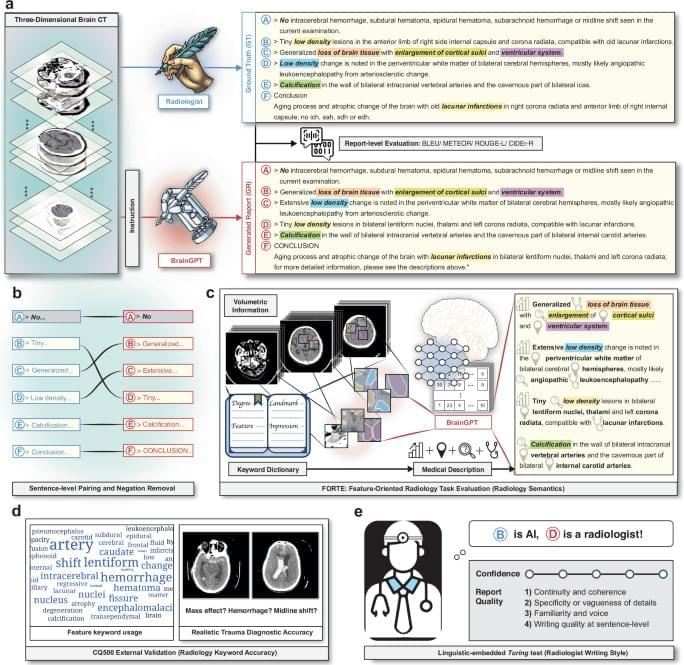
Multimodal large language models (MLLMs) hold promise for a range of medical applications. Here, the authors use MLLMs for 3D brain CT radiology report generation, demonstrating that combining anatomy-aware model fine-tuning with robust evaluation metrics establishes a comprehensive and effective framework.
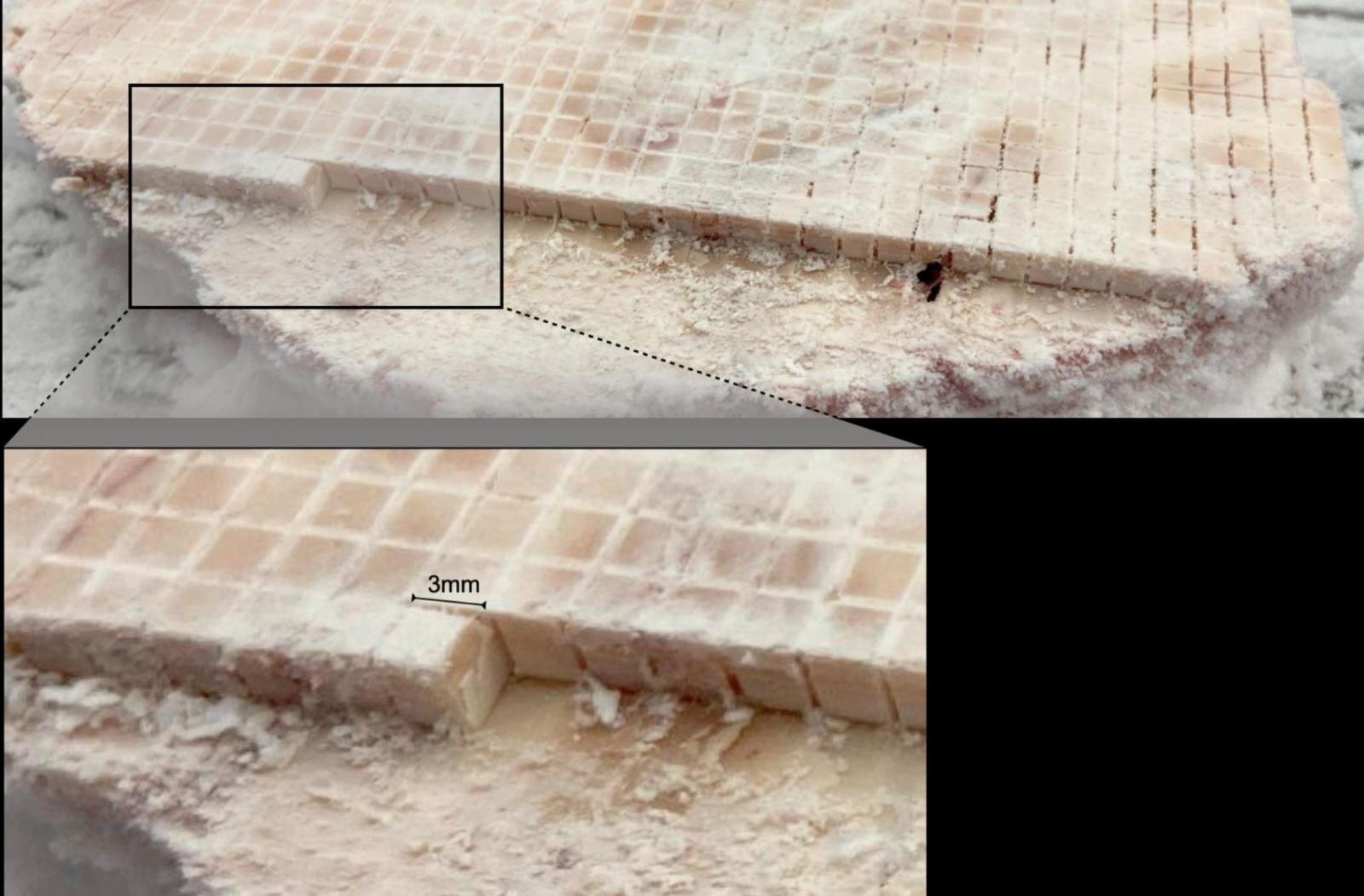
Everything the brain does—from storing memories to interpreting sights to regulating emotions—requires energy, all produced by cellular organelles called mitochondria.
However, surprisingly little is known about the distribution and diversity of the brain’s tiny energy processors and how they influence brain health. For instance, how many mitochondria does the brain have? Are they uniformly distributed across the whole brain? Are all brain mitochondria the same? Do changes in the brain’s mitochondria affect mood, cognition, and the development of neurological and psychiatric conditions?
To begin answering these and other questions, Columbia University researchers have created MitoBrainMap, the first-ever atlas of the brain’s mitochondria.
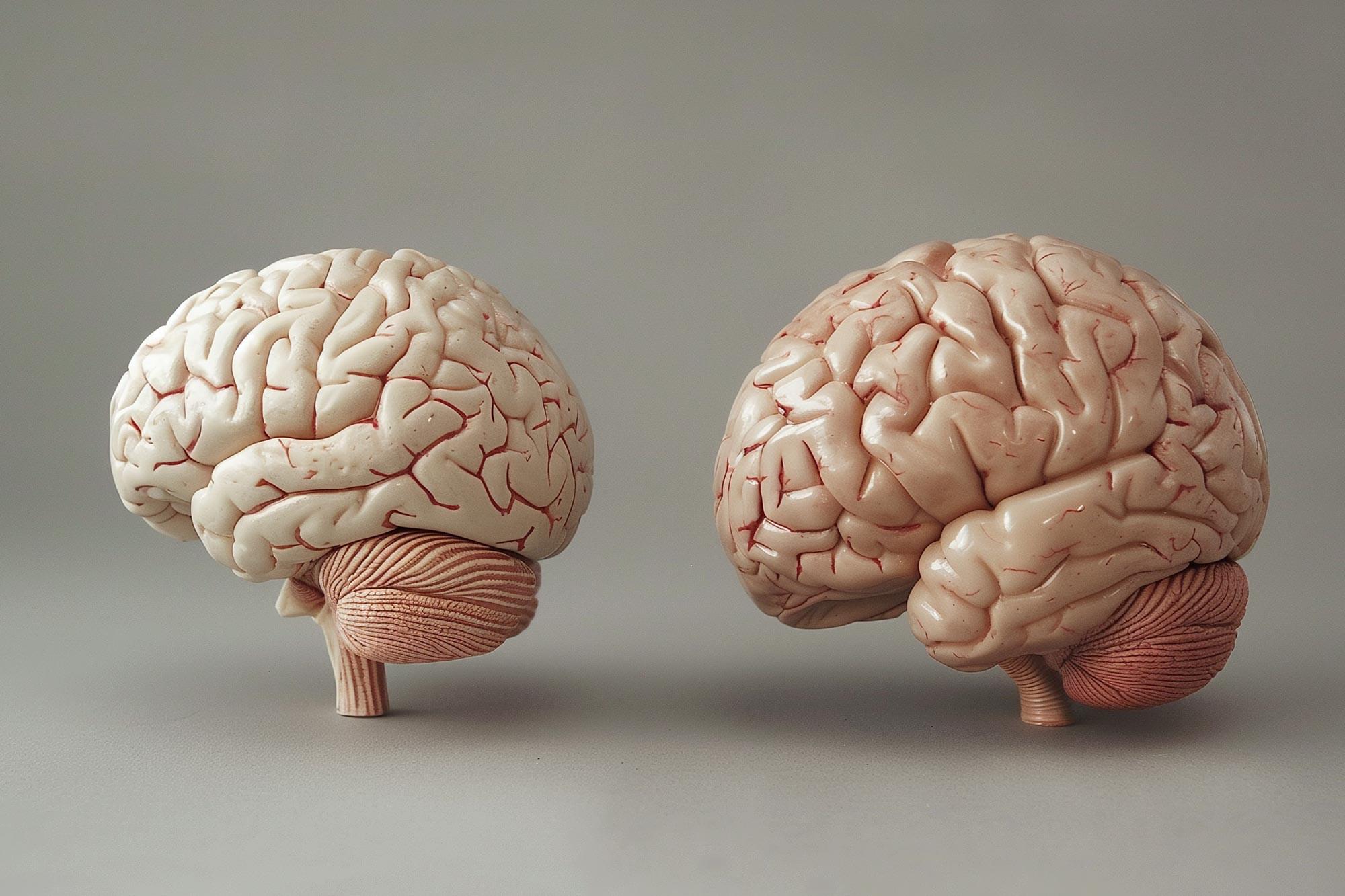
Changes in the heart might mean more than just cardiovascular risk – they could also signal early shifts in brain health.
A large meta-analysis found that even subtle heart problems, like issues with how the heart pumps or relaxes, are linked to smaller brain volumes, particularly in areas related to memory.
Heart Issues May Signal Early Dementia Risk.