Toggle light / dark theme

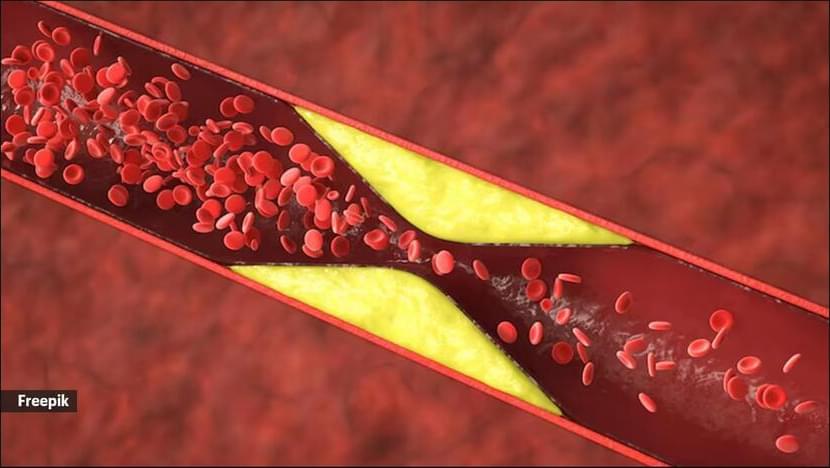
Six effective morning habits to lower cholesterol, according to cardiologist

Link :


Cholesterol management is key to maintaining a healthy heart, and adopting the right habits in the morning can make a significant difference. Whether it’s what you eat, how you move, or even how you start your day mentally, these small but effective changes can help improve your cholesterol levels over time.

If high cholesterol levels are a concern, incorporating specific morning routines into your daily life can provide lasting benefits. Here’s what Dr Prateek Chaudhary, senior consultant, Interventional Cardiology at Asian Hospital, suggests you should do.

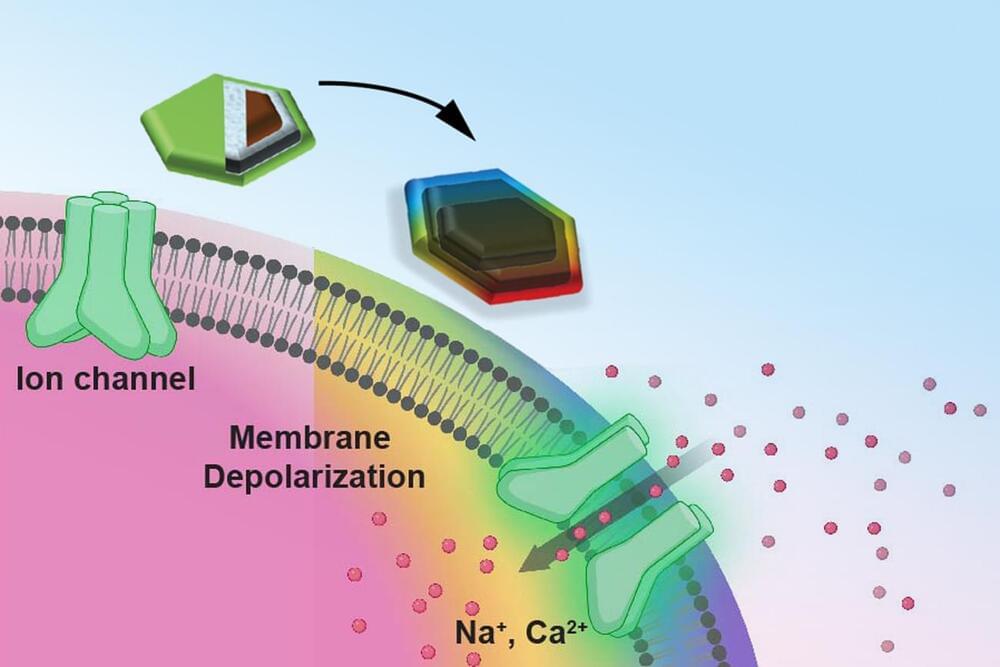
Tiny magnetic discs offer remote brain stimulation without transgenes

Novel magnetic nanodiscs could provide a much less invasive way of stimulating parts of the brain, paving the way for stimulation therapies without implants or genetic modification, MIT researchers report.

The scientists envision that the tiny discs, which are about 250 nanometers across (about 1/500 the width of a human hair), would be injected directly into the desired location in the brain. From there, they could be activated at any time simply by applying a magnetic field outside the body. The new particles could quickly find applications in biomedical research, and eventually, after sufficient testing, might be applied to clinical uses.

The development of these nanoparticles is described in the journal Nature Nanotechnology, in a paper by Polina Anikeeva, a professor in MIT’s departments of Materials Science and Engineering and Brain and Cognitive Sciences, graduate student Ye Ji Kim, and 17 others at MIT and in Germany.

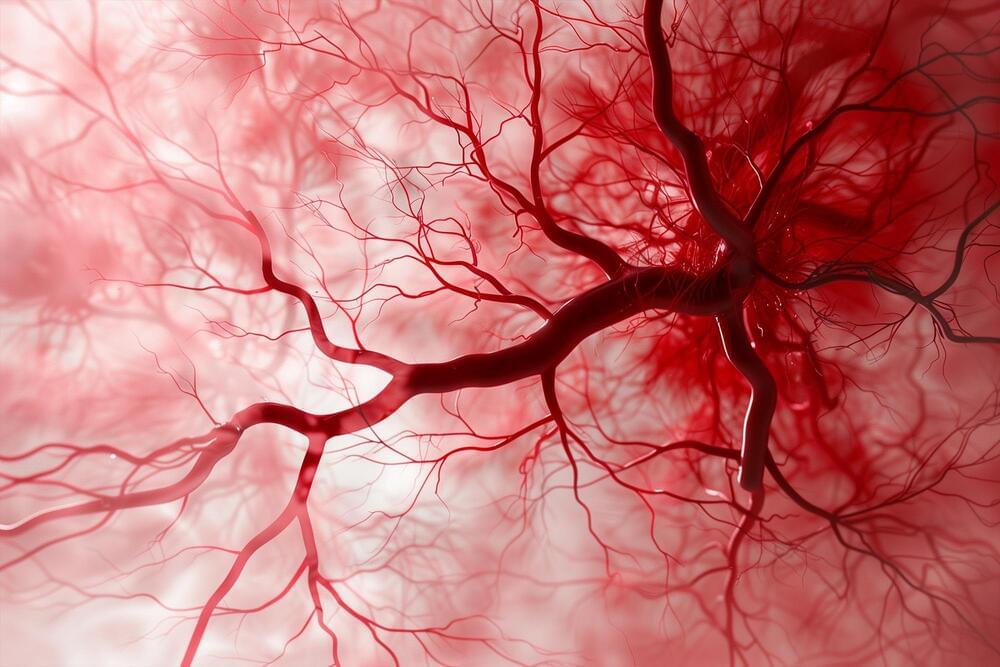
USC Study Exposes Hidden Culprit of Dementia in Brain’s Blood Vessels

A new USC-led study has found that mild cognitive impairment is associated with blood vessel dysfunction in the brain’s temporal lobes, the region responsible for memory.

This vascular issue was observed in individuals both with and without amyloid buildup in the brain, indicating that microvascular dysfunction could serve as an early biomarker for dementia and a potential target for treatment.

The study, conducted by researchers from several universities, was published in the journal Neurology.

Artificial motors mimic muscle proteins, opening new paths in nanotech

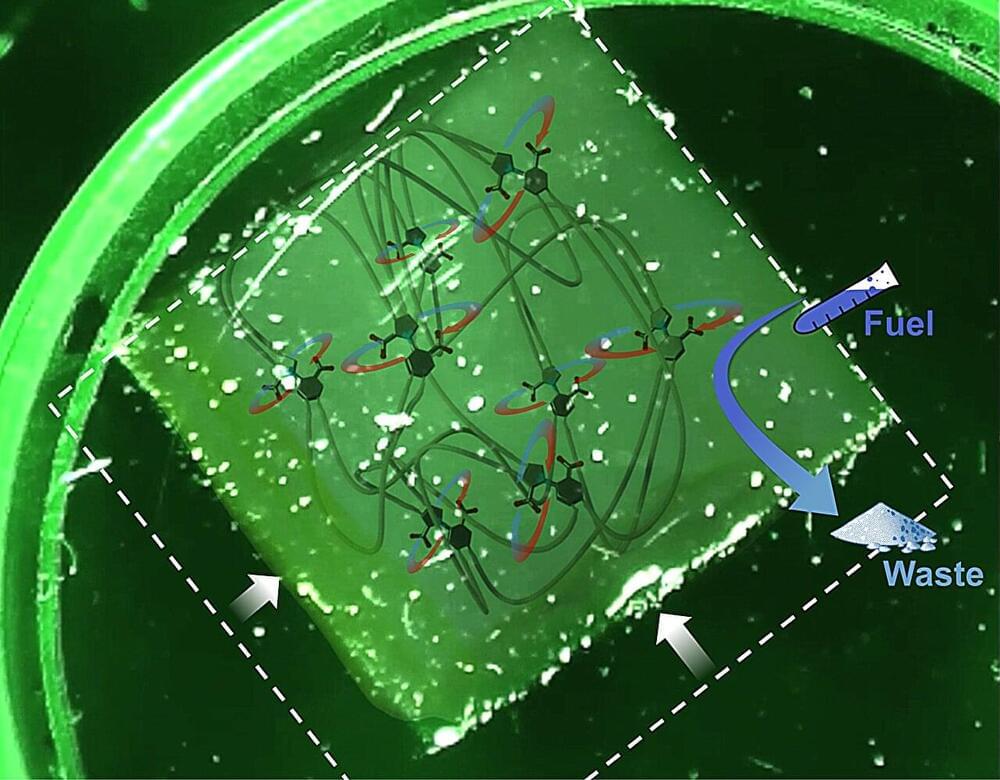
Scientists have built an artificial motor capable of mimicking the natural mechanisms that power life. Just like the proteins in our muscles, which convert chemical energy into power to allow us to perform daily tasks, these tiny rotary motors use chemical energy to generate force, store energy, and perform tasks in a similar way.

The finding, from The University of Manchester and the University of Strasbourg and published in the journal Nature, provides new insights into the fundamental processes that drive life at the and could open doors for applications in medicine, , and nanotechnology.

“Biology uses chemically powered molecular machines for every , such as transporting chemicals around the cell, information processing or reproduction. By replicating nature at the nanoscale level, we can design entirely new materials with highly specific functions that don’t exist in the natural world. Building this outside of nature also gives us greater simplicity and control over its functions and uses,” said Professor David Leigh, lead researcher from The University of Manchester.

Gut Health Impacts The Thymus And Immune System During Aging: Niharika Duggal, PhD

Join us on Patreon! https://www.patreon.com/MichaelLustgartenPhD

Discount Links/Affiliates:
Blood testing (where I get the majority of my labs): https://www.ultalabtests.com/partners/michaellustgarten.

At-Home Metabolomics: https://www.iollo.com?ref=michael-lustgarten.
Use Code: CONQUERAGING At Checkout.

Clearly Filtered Water Filter: https://get.aspr.app/SHoPY

Epigenetic, Telomere Testing: https://trudiagnostic.com/?irclickid=U-s3Ii2r7xyIU-LSYLyQdQ6…M0&irgwc=1
Use Code: CONQUERAGING

NAD+ Quantification: https://www.jinfiniti.com/intracellular-nad-test/

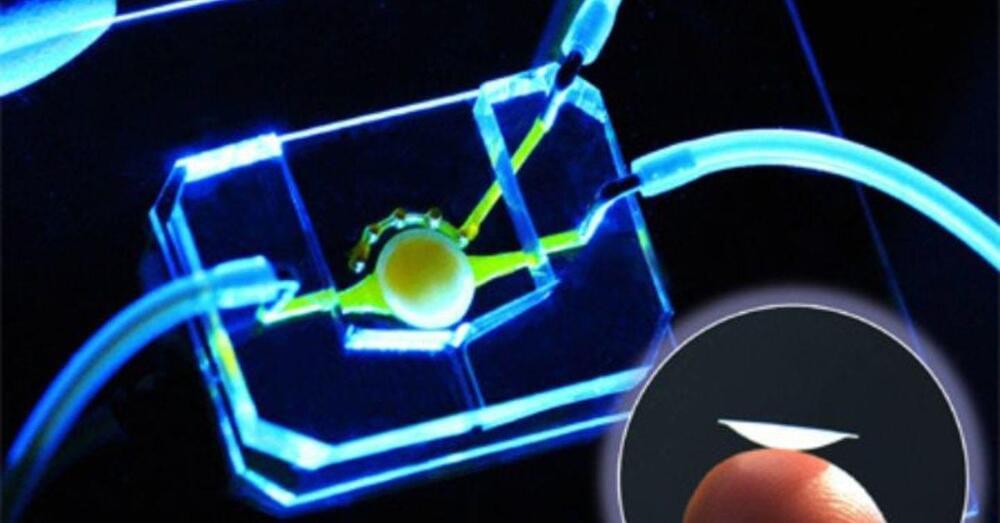
Ultra-small neuromorphic chip learns and corrects errors autonomously

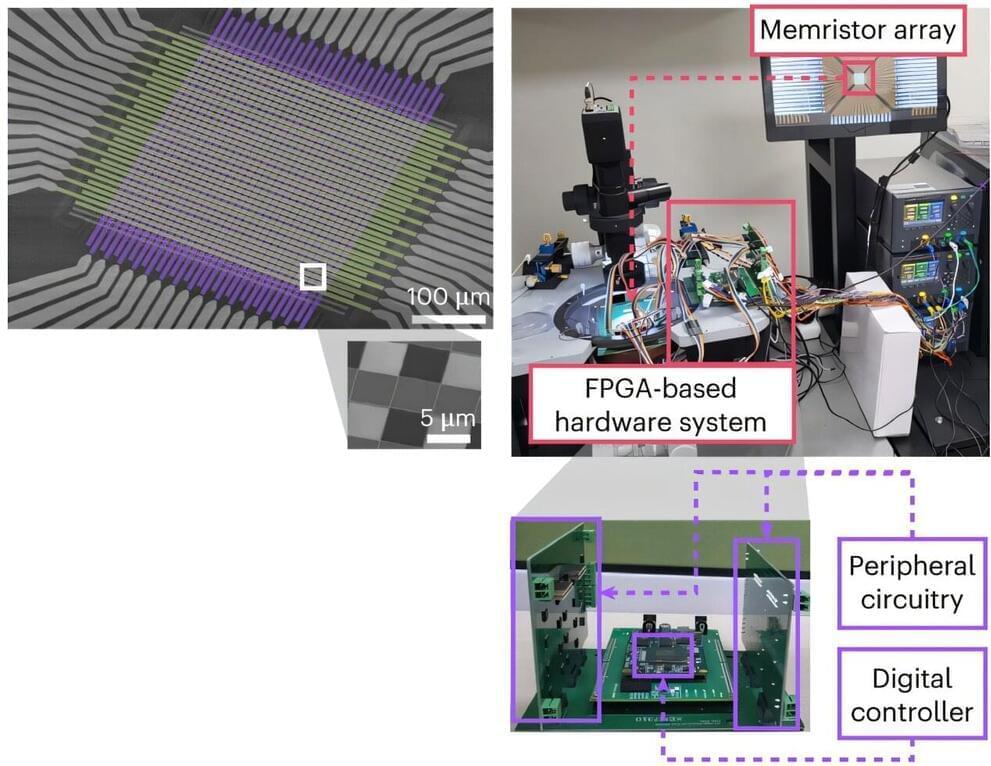
Existing computer systems have separate data processing and storage devices, making them inefficient for processing complex data like AI. A KAIST research team has developed a memristor-based integrated system similar to the way our brain processes information. It is now ready for application in various devices, including smart security cameras, allowing them to recognize suspicious activity immediately without having to rely on remote cloud servers, and medical devices with which it can help analyze health data in real time.

The joint research team of Professor Shinhyun Choi and Professor Young-Gyu Yoon of the School of Electrical Engineering has developed the next-generation neuromorphic semiconductor-based ultra-small computing chip that can learn and correct errors on its own. The research is published in the journal Nature Electronics.

What is special about this computing chip is that it can learn and correct errors that occur due to non-ideal characteristics that were difficult to solve in existing neuromorphic devices. For example, when processing a , the chip learns to automatically separate a moving object from the background, and it becomes better at this task over time.

New Technology Uncovers DNA Secrets Behind Disease and Evolution

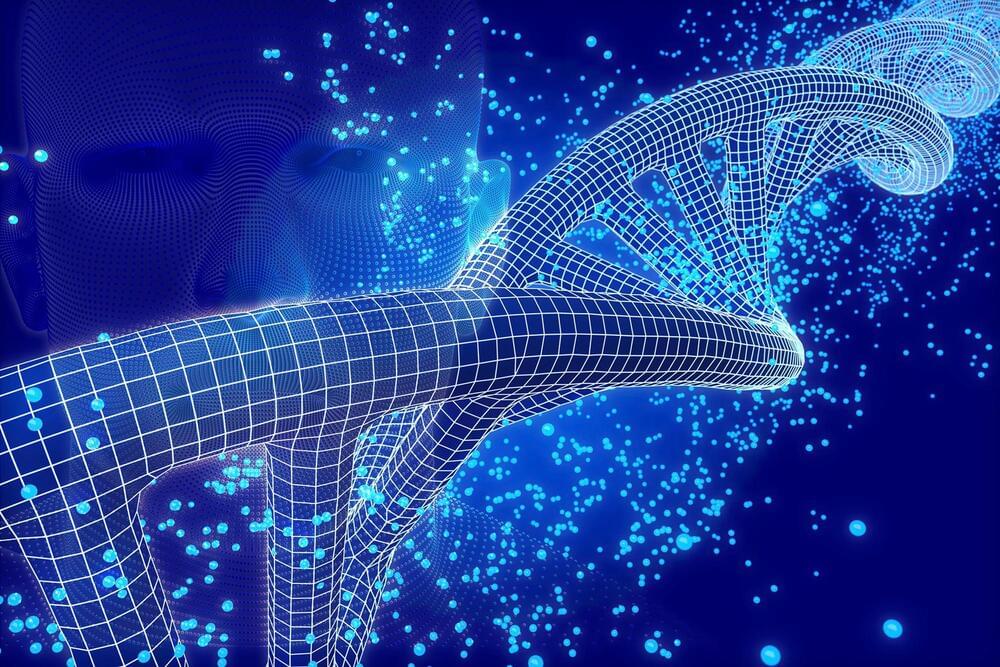
An international team of researchers has made significant progress in understanding how gene expression is regulated across the human genome. In a recent study, they conducted a comprehensive analysis of cis-regulatory elements (CREs)—DNA sequences that control gene transcription. This research provides valuable insights into how CREs drive cell-specific gene expression and how mutations in these regions can impact health and contribute to disease.

CREs, such as enhancers and promoters, play a critical role in determining when and where genes are activated or silenced. Although their importance is well known, analyzing their activity on a large scale has been a longstanding challenge.

“The human genome contains a myriad of CREs, and mutations in these regions are thought to play a major role in human diseases and evolution,” explained Dr. Fumitaka Inoue, one of the co-first authors of the study. “However, it has been very difficult to comprehensively quantify their activity across the genome.”

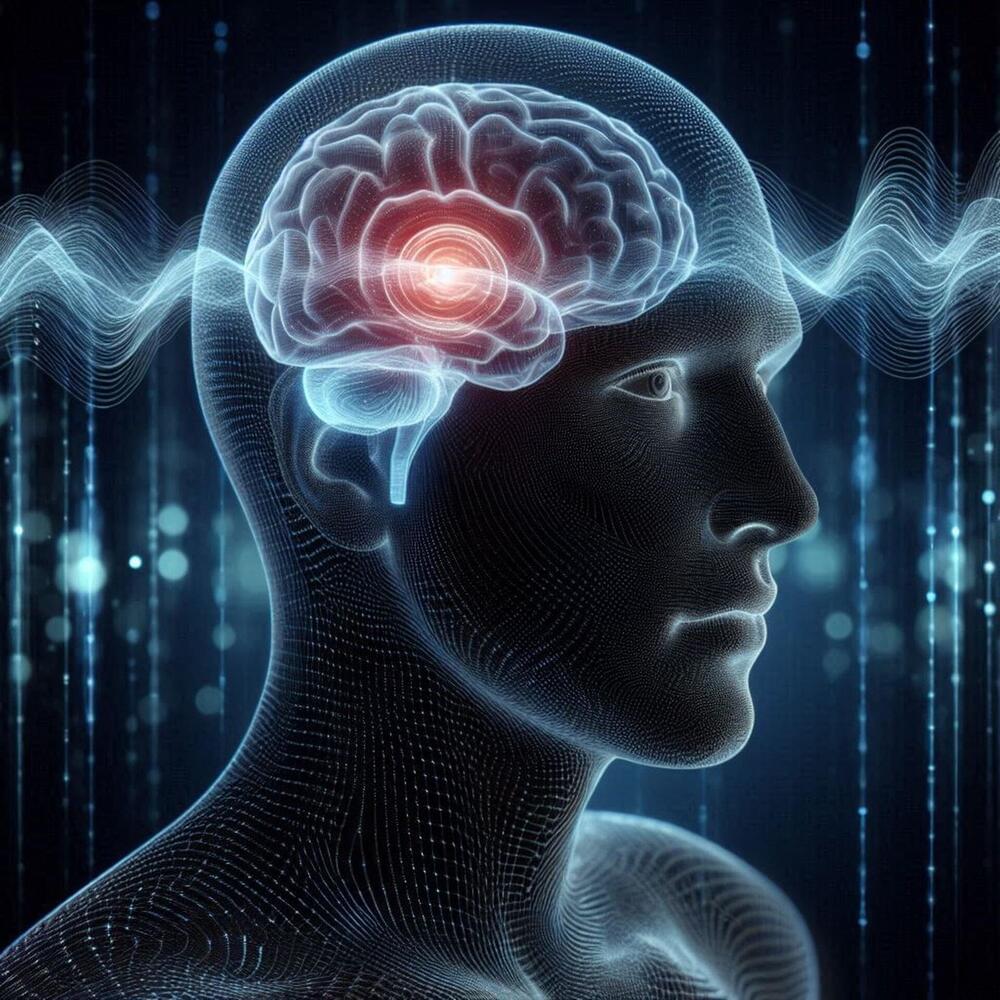
Mapping the mind: New framework links brainwaves to individual cognitive states

The complexity of the human brain—86 billion neurons strong with more than 100 trillion connections—enables abstract thinking, language acquisition, advanced reasoning and problem-solving, and the capacity for creativity and social interaction. Understanding how differences in brain signaling and dynamics produce unique cognition and behavior in individuals has long been a goal of neuroscience research, yet many phenomena remain unexplained.

A study from neuroscientists and engineers at Washington University in St. Louis addresses this knowledge gap with a new method to create personalized brain models, which offer insights into individual neural dynamics. Led by ShiNung Ching, associate professor in the Preston M. Green Department of Electrical & Systems Engineering in the McKelvey School of Engineering, and Todd Braver, professor in the Department of Psychological & Brain Sciences in Arts & Sciences, the work, published Jan. 17 in PNAS, introduces a novel framework that will allow the researchers to create individualized brain models based on detailed data from noninvasive, high-temporal resolution brain scans. Such personalized models have applications in research and clinical settings, where they could support advances in neuroscience and treatment of neurological conditions.

“This research is motivated by our need to understand person-to-person variation in brain dynamics,” said first author Matthew Singh, who conducted the research while a postdoctoral fellow with Braver and Ching at WashU and is now an assistant professor at the University of Illinois Urbana-Champaign. “We’re not explaining the full range of biophysical mechanisms at work in the , but we are able to shed light on why healthy individuals have different brain dynamics with our new modeling framework, which gives us insights into brain mechanics and testable predictions of brain phenomena.”

Humans Glow In The Dark, It’s Just Too Weak For Our Eyes To See

Link :-🔗: https://bit.ly/4jligRa.

Believe it or not, humans emit a faint glow all the time—it’s just invisible to the naked eye. This isn’t science fiction; it’s biology at work.

What’s behind this subtle light show, and why don’t we notice it? Let’s shed some light on this fascinating phenomenon.


Picture a world where every living being radiates a soft, ethereal glow. Fireflies flicker in the twilight, deep-sea creatures pulse with neon brilliance, and even humans shimmer faintly in the darkness. While the glow of animals like jellyfish is a spectacle we can see, the glow of the human body is far more subtle—hidden, but no less real.

Yes, humans glow. This natural phenomenon, known as bioluminescence, is woven into the fabric of our biology. It’s a byproduct of the complex chemical reactions that fuel life, a quiet luminescence emitted by every cell. Yet, unlike the vibrant displays of other creatures, our glow is invisible to the naked eye, too faint to be perceived without specialized tools. It’s a scientific marvel that blurs the line between the tangible and the mystical, reminding us that even the unseen is a vital part of who we are.

20 Advancements That Could Push the Boundaries of the Human Lifespan

+ Decoding the secrets of DNA, CRISPR gene editing allows scientists to target specific genes linked to aging. By modifying these genes, researchers aim to prevent conditions that come with aging. Envision a future where genetic risks for age-related diseases are minimized through precise DNA editing.

It is possible to regenerate cells using stem cells, which can turn into a variety of types. In recent trials, stem cells showed promise in regenerating aged tissues like cartilage. Scientists hope to develop therapies that might slow down physical decline and maintain vitality longer by using this potential.

Nanobots could someday be the future of healthcare by targeting damaged cells directly as they move through your bloodstream. Researchers are currently exploring how nanobots might repair cellular damage and improve overall health, potentially reversing some age-related effects at the cellular level.

As the protective ends of chromosomes, telomeres shorten over time. When they become too short, cells stop functioning. In laboratory studies, researchers have extended the lifespan of animals by using telomere extension techniques. Though still experimental, this research could pave the way for human applications in slowing aging.


Do you agree with this list?

Advances in human longevity are no longer science fiction. Groundbreaking discoveries in fields like genetics, nanotechnology, and regenerative medicine are unlocking the secrets of aging. These 20 developments highlight how science is changing our understanding of what it means to grow older.
/* */