Toggle light / dark theme

New Mega-Analysis Reveals Why Memory Declines With Age

A landmark international study that pooled brain scans and memory tests from thousands of adults has shed new light on how structural brain changes are tied to memory decline as people age.

The findings — based on more than 10,000 MRI scans and over 13,000 memory assessments from 3,700 cognitively healthy adults across 13 studies — show that the connection between shrinking brain tissue and declining memory is nonlinear, stronger in older adults, and not solely driven by known Alzheimer’s-associated genes like APOE ε4. This suggests that brain aging is more complex than previously thought, and that memory vulnerability reflects broad structural changes across multiple regions, not just isolated pathology.

Published in Nature Communications, the study, “Vulnerability to memory decline in aging revealed by a mega-analysis of structural brain change,” found that structural brain change associated with memory decline is widespread, rather than confined to a single region. While the hippocampus showed the strongest association between volume loss and declining memory performance, many other cortical and subcortical regions also demonstrated significant relationships. This suggests that cognitive decline in aging reflects a distributed macrostructural brain vulnerability, rather than deterioration in a few specific brain regions. The pattern across regions formed a gradient, with the hippocampus at the high end and progressively smaller but still meaningful effects across large portions of the brain.

https://www.nature.com/articles/s41467-025-66354-y


Genetic risk for Alzheimer’s and widespread brain shrinkage linked to greater memory loss — even in otherwise healthy adults.


Mitochondrial DNA‐Mediated Immune Activation After Resuscitation From Cardiac Arrest

EV‐encapsulated mtDNA activates immune cells after cardiac arrest, revealing new targets to modulate post-resuscitation inflammation. @UBuffalo @Jacobs_Med_UB


BackgroundPostcardiac arrest syndrome is characterized by systemic inflammation that contributes to poor outcomes after resuscitation from sudden cardiac arrest. Mitochondrial DNA (mtDNA) has been implicated as a proinflammatory stimulus in other contexts, but its role in postcardiac arrest syndrome is unclear. We determined if postcardiac arrest syndrome is characterized by a rise in circulating mtDNA, how mtDNA activates immune cells, and if targeting mtDNA‐sensing pathways attenuates leukocyte activation.

A Missed Diagnosis? A Virtual Simulation on Managing Fatigue and Cardiometabolic Risk in Primary Care

A Missed Diagnosis? Join our interactive virtual simulation to refine your approach to fatigue and cardiometabolic risk in primary care. Discover practical strategies to detect subtle patient risks and optimize care.

▶️


How would you manage these patients who continue to experience daytime fatigue, despite instituting sleep hygiene measures?

Scientists transform enigmatic cell structures into devices for recording RNA activity

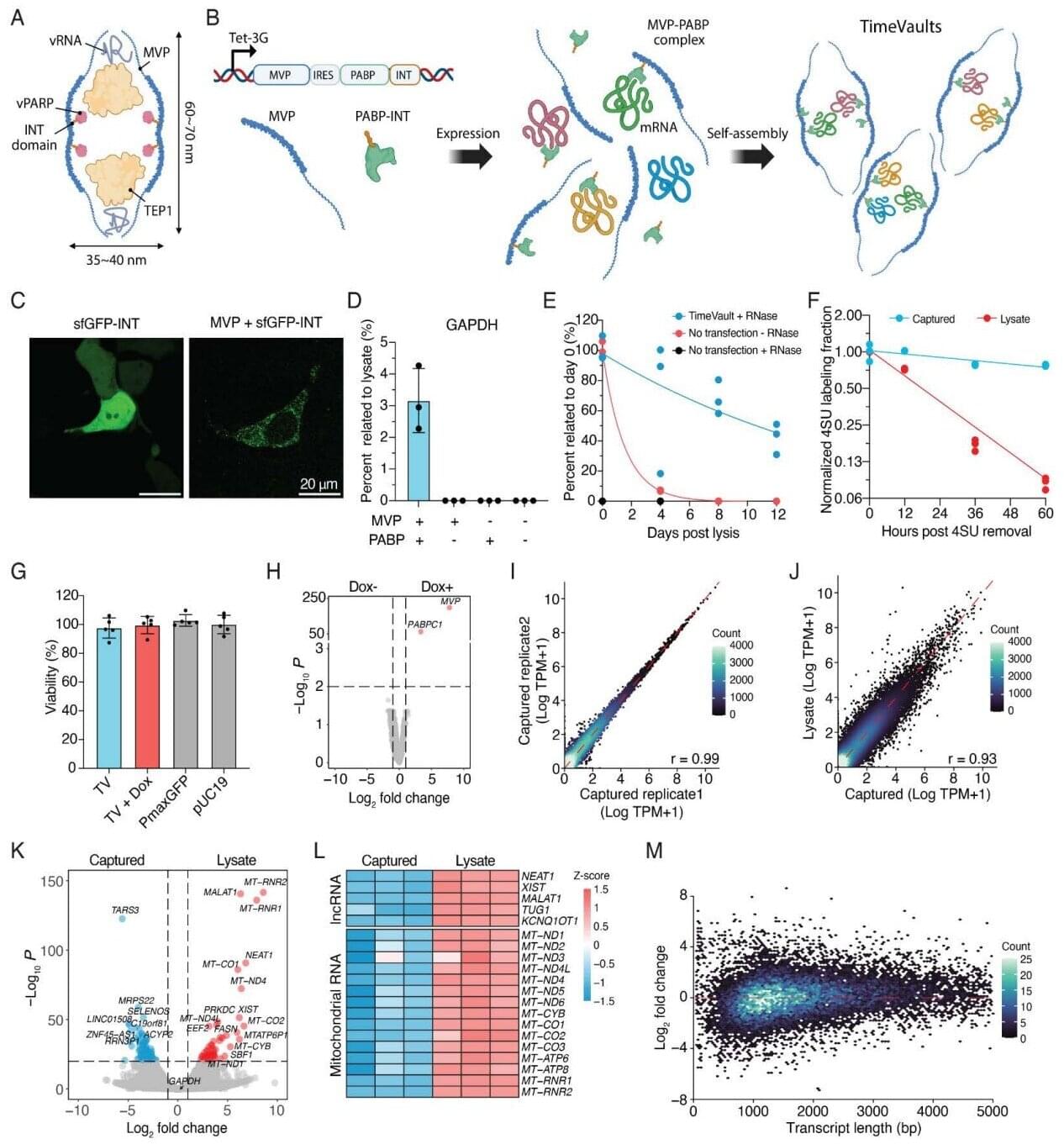
Scientists can peer into cells to get a limited view of their activity using microscopes and other tools. However, cells and the molecular events within them are dynamic, and developmental processes, disease progression and certain molecular cues are still difficult to discern. Ideally, scientists could leverage a system to obtain an unbiased record of a genome’s functional output, showing how cells respond to different conditions over time to gain useful insights. Now, it seems a group of researchers may have found a way to do just that.

A new study, published in Science, describes a technique to utilize mysterious cellular structures, called “vault particles,” to gather up mRNA by encapsulating and protecting it from degradation. This results in an ability to capture information, like transient stress responses and gene expression changes, and read it out at a later time.

Biomass-derived furans offer sustainable alternative to petroleum in chemical production

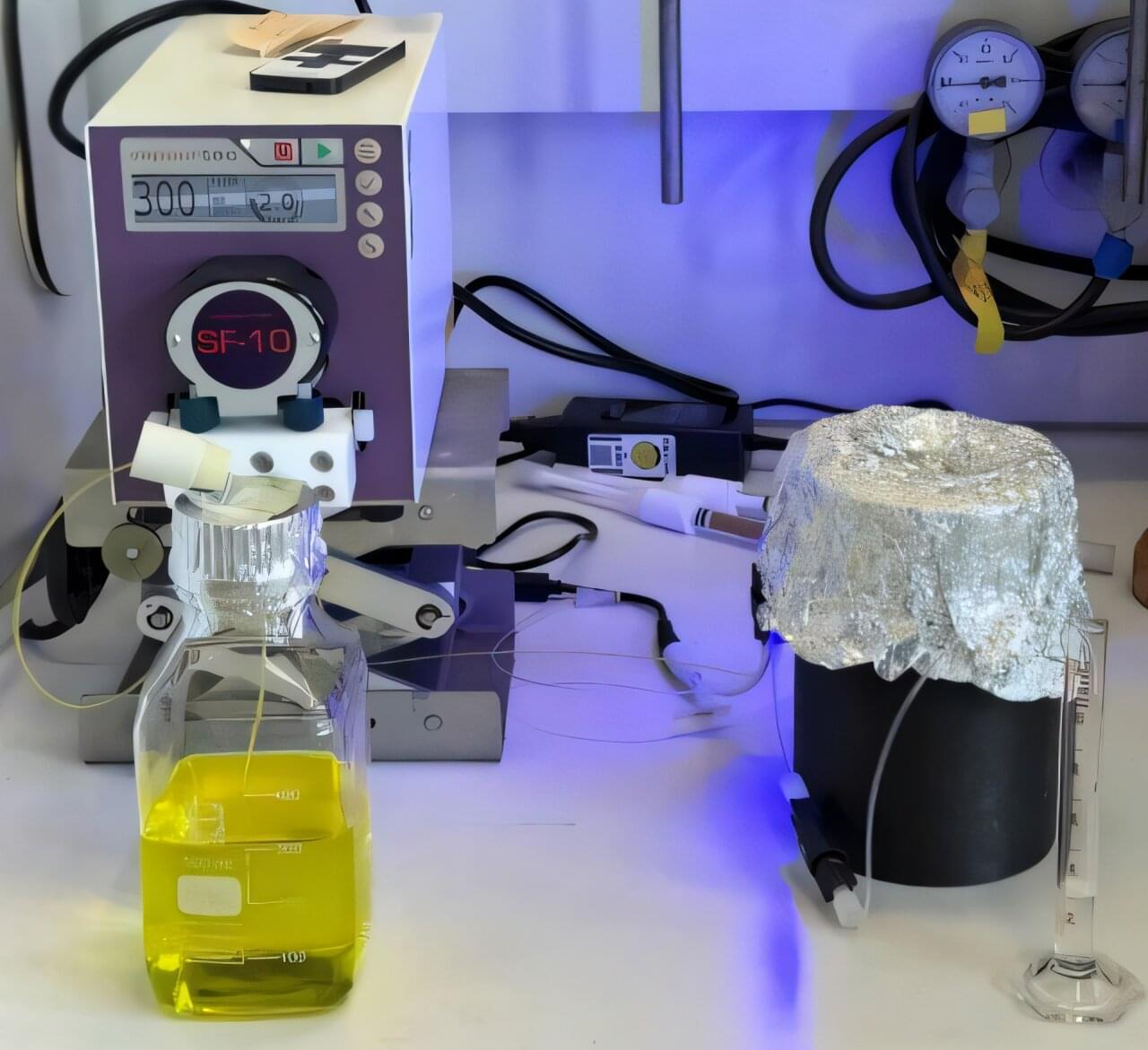
A research project conducted by the Max-Planck-Institut für Kohlenforschung shows how biomass can be used as a raw material for chemical products instead of petroleum. The scientists have published their findings in the journal Science.

The chemical industry is facing major challenges: for reasons of CO2 neutrality, circular economy, and geopolitical instability, there is a desire to move away from petroleum and other fossil materials as raw materials for the production of high-quality chemicals. But how will molecular building blocks for essential medicines, for example, be obtained in the future?

Kawasaki Corleo Robot Debuts at Osaka Expo 2026

In a bold showcase of futuristic design and green innovation, Kawasaki Heavy Industries has unveiled the Kawasaki Corleo robot—a hydrogen-powered, four-legged robotic ride—at the Osaka-Kansai Expo 2025. This revolutionary concept reimagines mobility by blending clean energy, robotics, and artificial intelligence into a rider-ready machine that can walk, adapt, and navigate across rugged terrains.

The Kawasaki Corleo robot walks on four independently powered legs, offering impressive stability and terrain agility that wheels often can’t match. Built with carbon fiber and metal, Corleo echoes the iconic DNA of Kawasaki’s motorcycle lineage—featuring sleek contours, aerodynamic symmetry, and a headlight faceplate that resembles a mechanical creature ready to roam.

At the heart of Corleo lies a 150cc hydrogen engine that generates electricity to drive its limbs—making it a clean energy alternative to gas-powered off-roaders. Ditching the conventional handlebars, the robot interprets a rider’s body movement to move forward, turn, or stop. A built-in heads-up display (HUD) provides live feedback on hydrogen levels, motion stability, and terrain tracking. This unique interface between biomechanics and artificial intelligence makes the Kawasaki Corleo robot one of the most immersive robotic riding experiences developed to date.

Small RNAs in inherited blindness identified!

Proteostasis in the lifespan of hematopoietic stem cells.

The hematopoietic system represents an excellent model to study how proteostasis (protein homeostasis) influences different cell types within the same tissue. This review focuses on mechanisms of proteostasis that preserve the lifespan of rare hematopoietic stem cells (HSCs).

Although most proteostasis network components are expressed in all cells, their activation and utilization are cell type-specific. HSCs maintain low translation rates and a preference for autophagy over proteasomal degradation to minimize protein stress.

To protect the integrity of the stem cell pool, HSCs are thought to respond to damage by clearing defective organelles and proteins or by eliminating compromised cells through differentiation or apoptosis.

A stressed proteome accelerates HSC aging, and the immune system derived from aged HSCs is suspected to contribute to the decline of other tissues. This highlights the importance of maintaining healthy HSCs to preserve organismal wellbeing.

Several experimental treatments in mouse models have been shown to boost HSC activity in older organisms by enhancing proteostasis.

This promising research opens up new possibilities for interventions that could improve aging through regenerative medicine. sciencenewshighlights ScienceMission https://sciencemission.com/longevity-from-blood-stem-cells

Cells use dual strategies to fine-tune inflammatory gene activation

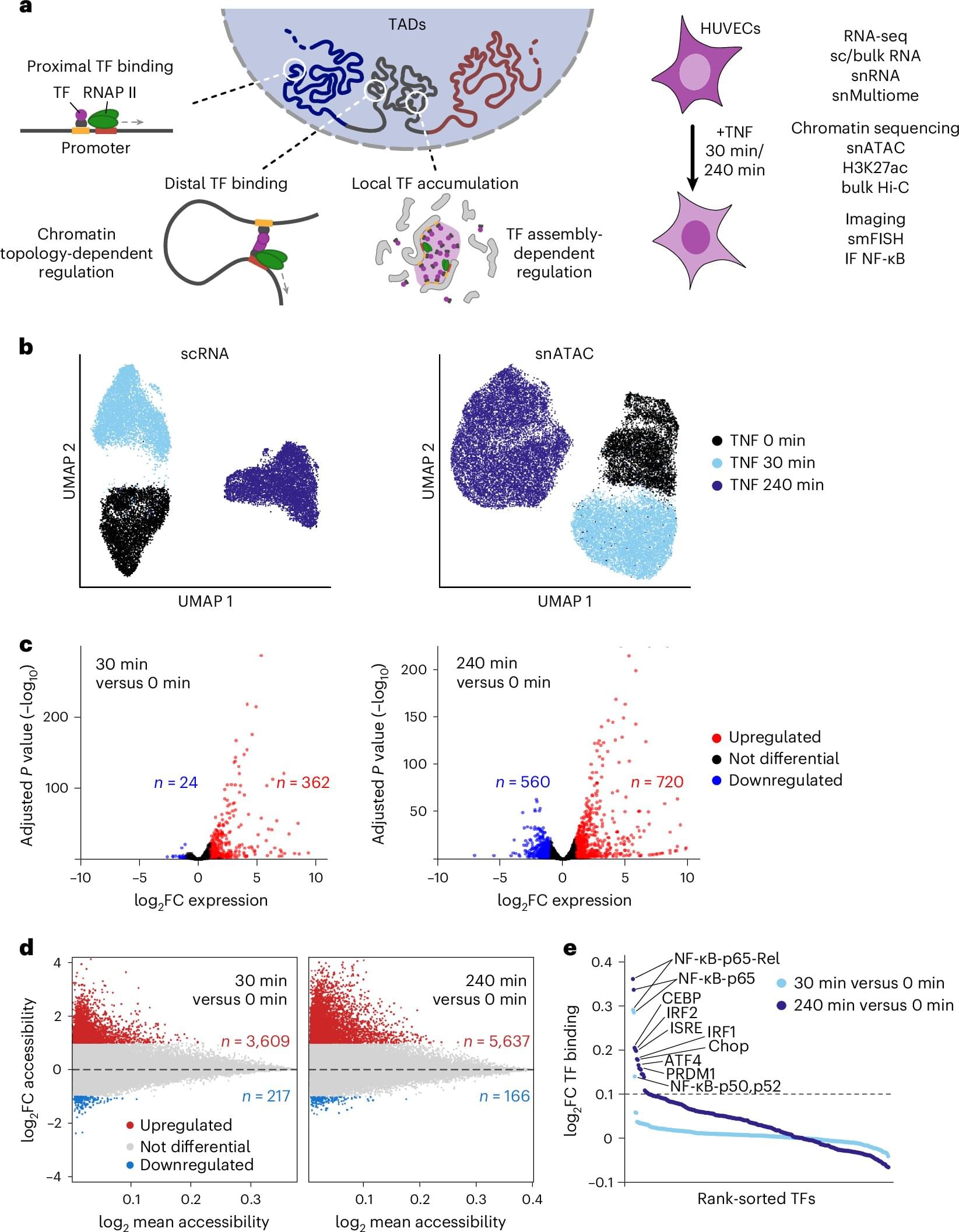
Inflammation has to fight pathogens fast—but it can’t get out of control. Researchers at the German Cancer Research Center (DKFZ) have now deciphered in more detail how the organism masters this balancing act. Their work shows that cells use two different strategies to precisely control inflammatory genes and thus precisely regulate the inflammatory response.

The work is published in the journal Nature Cell Biology.

Reversing immune suppression in pancreatic cancer could lead to novel therapies

In a unique finding, researchers at Georgetown’s Lombardi Comprehensive Cancer Center discovered that when pancreatic cancer cells send out tiny particles that are packed with certain microRNA molecules, nearby immune cells called macrophages are reprogrammed to help the tumor grow instead of engaging in their regular role of fighting the tumor. This insight from cell and mouse experiments helped the scientists outline a potential way to reverse the process and possibly improve outcomes in pancreatic cancer.

“Our approach focuses on blocking adverse outcomes of microRNA-based communication between pancreatic cancer cells and immune cells,” says Amrita Cheema, Ph.D., professor, Departments of Oncology, Biochemistry, Molecular and Cellular Biology and Radiation Medicine at Georgetown and senior author of the study. “By disrupting these channels of communication, we could reprogram the immune cells and restore their ability to fight cancer, resulting in meaningful reductions in pancreatic tumor growth.”

The study appears January 16, 2026, in the journal Signal Transduction and Targeted Therapy.

/* */