Toggle light / dark theme

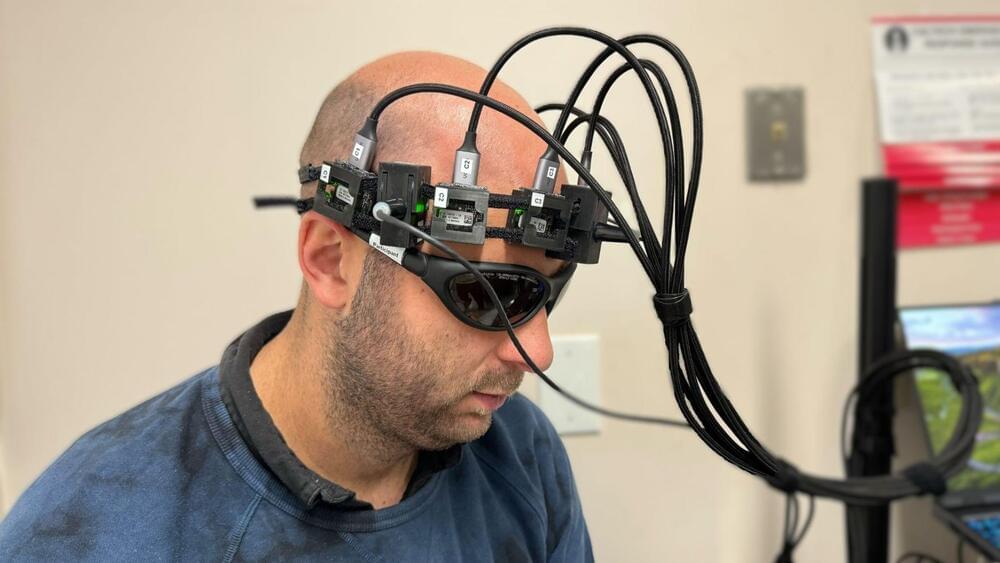
Headband-like device uses speckle contrast optical spectroscopy to predict stroke risk

A team of researchers from the Keck School of Medicine of USC and California Institute of Technology (Caltech) have developed a potential new way to measure a person’s stroke risk that is cost-effective and noninvasive, akin to a cardiac stress test. If validated through further tests, the device could transform stroke care, making early detection of increased risk a standard part of medical exams around the world.

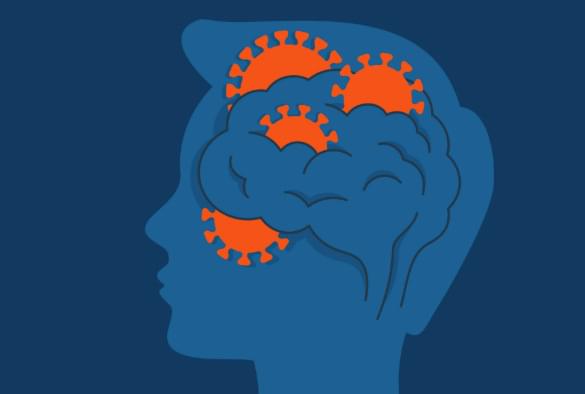
Latest insights into after effects of severe COVID-19 on the brain

New steps have been taken towards a better understanding of the immediate and long-term impact of COVID-19 on the brain in the UK’s largest study to date.

Published in Nature Medicine, the study from researchers led by the University of Liverpool alongside King’s College London and the University of Cambridge as part of the COVID-CNS Consortium shows that 12–18 months after hospitalisation due to COVID-19, patients have worse cognitive function than matched control participants. Importantly, these findings correlate with reduced brain volume in key areas on MRI scans as well as evidence of abnormally high levels of brain injury proteins in the blood.

Strikingly, the post-COVID cognitive deficits seen in this study were equivalent to twenty years of normal ageing. It is important to emphasise that these were patients who had experienced COVID, requiring hospitalisation, and these results shouldn’t be too widely generalised to all people with lived experience of COVID. However, the scale of deficit in all the cognitive skills tested, and the links to brain injury in the brain scans and blood tests, provide the clearest evidence to date that COVID can have significant impacts on brain and mind health long after recovery from respiratory problems.
New Tool Quantifies Cancer’s Ability to Shape-Shift

A powerful new analytical tool offers a closer look at how tumor cells “shape-shift” to become more aggressive and untreatable, as shown in a study from researchers at Weill Cornell Medicine and the New York Genome Center.

A tumor cell shape-shifts by changing its cell type or state, thus altering its basic pattern of activity and perhaps even its appearance. This changeability or “plasticity” is a characteristic of cancer that leads to diverse tumor-cell populations and ultimately the emergence of cell types enabling treatment resistance and metastatic spread.

The new tool, described Sept. 24 in a paper in Nature Genetics, can be used to quantify this plasticity in samples of tumor cells. The researchers demonstrated it with analyses of tumor samples from animal models and human patients, identifying, for example, a key transitional cell state in glioblastoma, the most common form of brain cancer.

New therapy for glioma receives FDA approval

The FDA has approved a new targeted drug specifically for brain tumors called low-grade gliomas. The drug, vorasidenib, was shown in clinical trials to delay progression of low-grade gliomas that had mutations in the IDH1 or IDH2 genes.

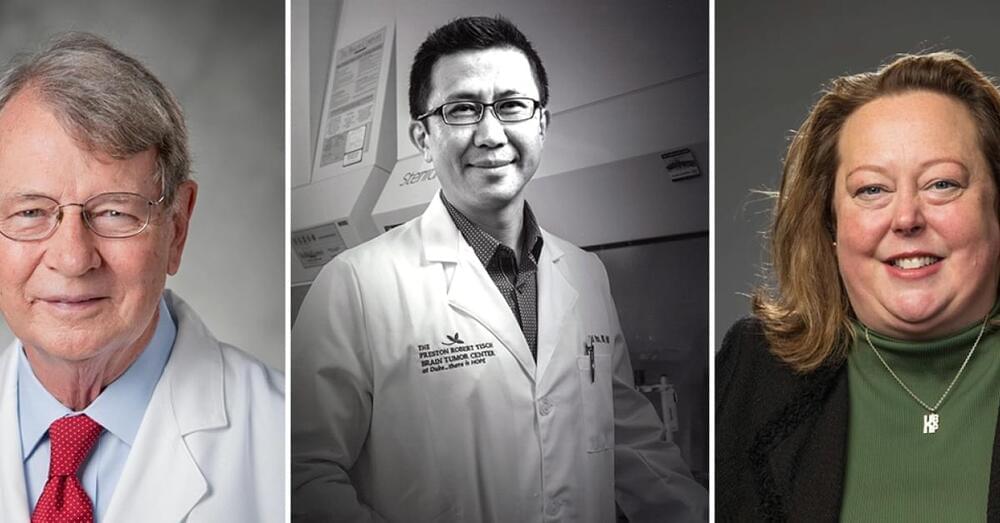
“Although there have been other targeted therapies for the treatment of brain tumors with the IDH mutation, [this one] has been one of the most successful in survival prolongation of brain tumor patients,” said Darell Bigner, MD, PhD, the E. L. and Lucille F. Jones Cancer Distinguished Research Professor and founding director of the Preston Robert Tisch Brain Tumor Center at Duke.

In clinical trials, progression-free survival was estimated to be 27.7 months for people in the vorasidenib group versus 11.1 months for those in the placebo group.

Can A New Pill Lengthen Telomeres & REVERSE Aging?

Join our in-depth exploration of telomeres and their incredible potential in reversing aging! Discover the science behind telomere enhancement and how it can slow down the aging process. Featuring expert insights from Dr. Michael Roizen, this video unveils cutting-edge research that could change the way we view longevity. #AgingReversal #Telomeres #LongevityScience #DrMichaelRoizen #HealthInnovation #StemCellResearch #AntiAging #YouthfulLiving #Biotechnology #TelomerePharmaceuticals

Caltech’s laser headset becomes 1st-ever device to predict stroke noninvasively

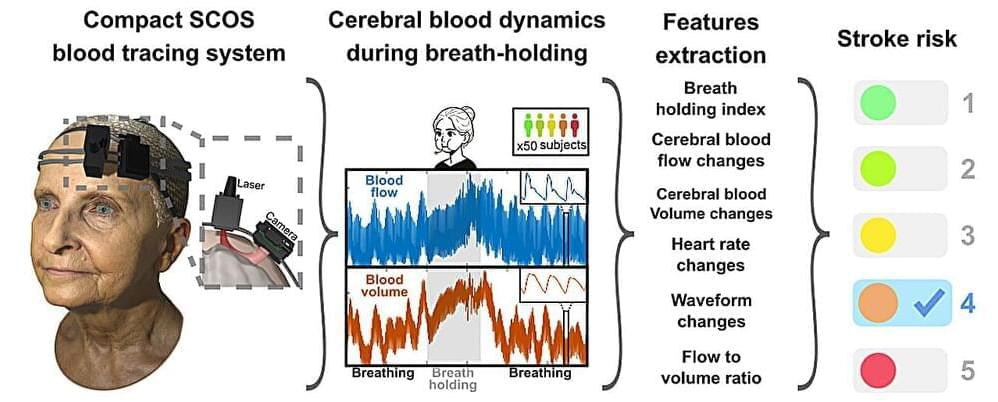
A team of engineers and scientists from Caltech and the Keck School of Medicine at USC has created a noninvasive, headset-based device that can assess a patient’s stroke risk by monitoring blood flow and volume changes during a breath-holding test.

The device uses a laser-based system and has demonstrated promising results in distinguishing between individuals with low and high stroke risk.

“With this device, for the first time, we are going to have a way of knowing if the risk of someone having a stroke in the future is significant or not based on a physiological measurement,” says Simon Mahler, a co-lead author of the study.

MIT scientists use a new type of nanoparticle to make vaccines more powerful

Many vaccines, including vaccines for hepatitis B and whooping cough, consist of fragments of viral or bacterial proteins.


“Not only are we delivering the protein in a more controlled way through a nanoparticle, but the compositional structure of this particle is also acting as an adjuvant,” Jaklenec says. “We were able to achieve very specific responses to the Covid protein, and with a dose-sparing effect compared to using the protein by itself to vaccinate.”

Vaccine access

While this study and others have demonstrated ZIF-8’s immunogenic ability, more work needs to be done to evaluate the particles’ safety and potential to be scaled up for large-scale manufacturing. If ZIF-8 is not developed as a vaccine carrier, the findings from the study should help to guide researchers in developing similar nanoparticles that could be used to deliver subunit vaccines, Jaklenec says.

Beyond The Code: Human Factors In Robotic Surgery Risk Management

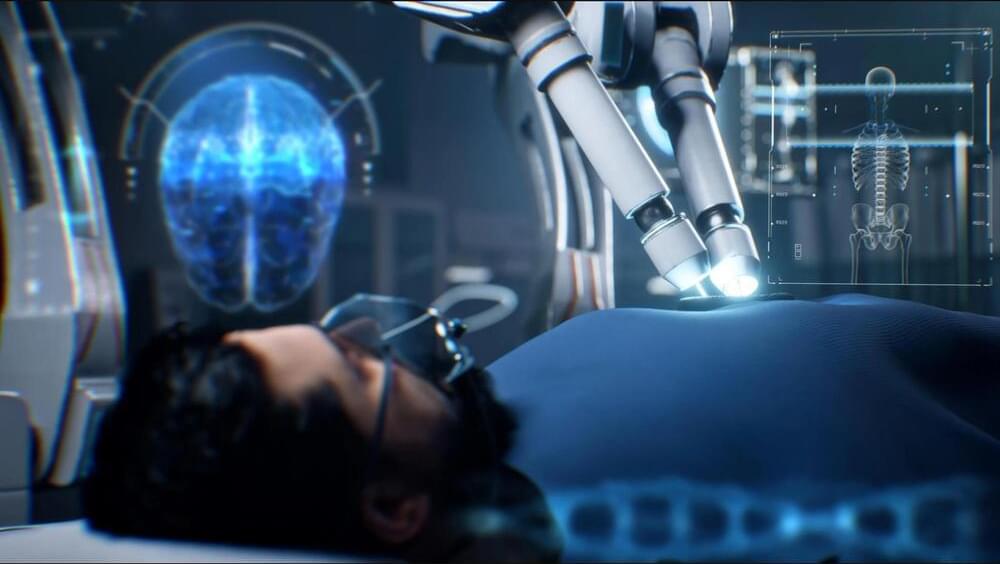
A key aspect of human factors in robotic surgery is the training and proficiency of the surgeon. Robotic systems, although designed to enhance precision, rely heavily on the expertise of the individuals operating them. Companies should invest in comprehensive training programs that extend beyond basic certification and promote a culture of continuous learning and skill development.

Simulation-based training, for example, provides a risk-free environment for practicing complex procedures, helping surgeons build confidence and proficiency. Implementing standardized certification processes ensures consistent competency levels among surgeons.

/* */