It could lead to vaccines that could be simply rubbed onto the skin like creams.
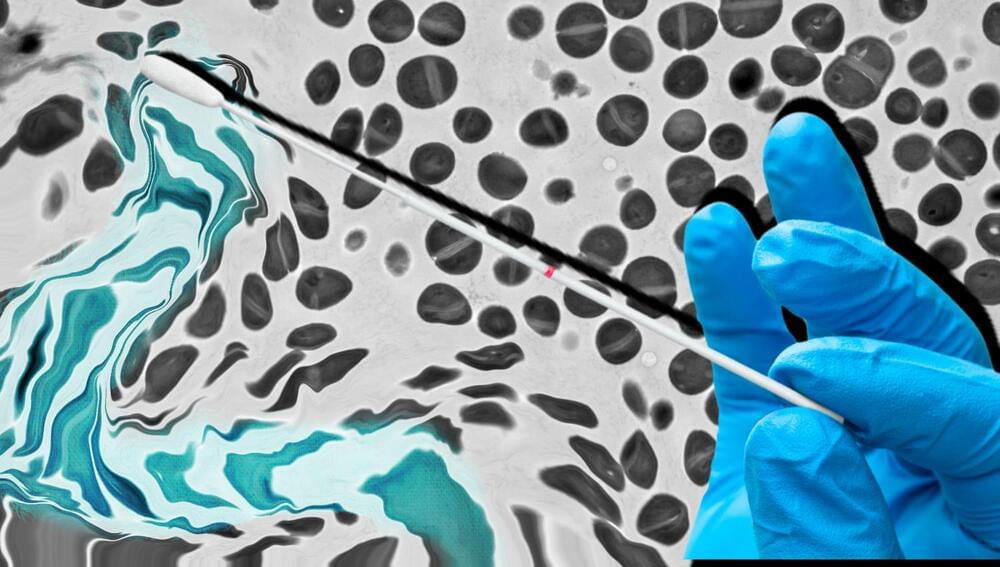
Some bacteria, like harmless Staphylococcus epidermidis, have adapted to thrive on human skin.
Immunologists have often overlooked the role of skin bacteria in our health. However, recent research suggests that this seemingly ordinary bacterium triggers a powerful immune response in our bodies.
The researchers wanted to know if a mouse, which doesn’t naturally have S. epidermidis on its skin, would produce antibodies against this bacteria if it were introduced.
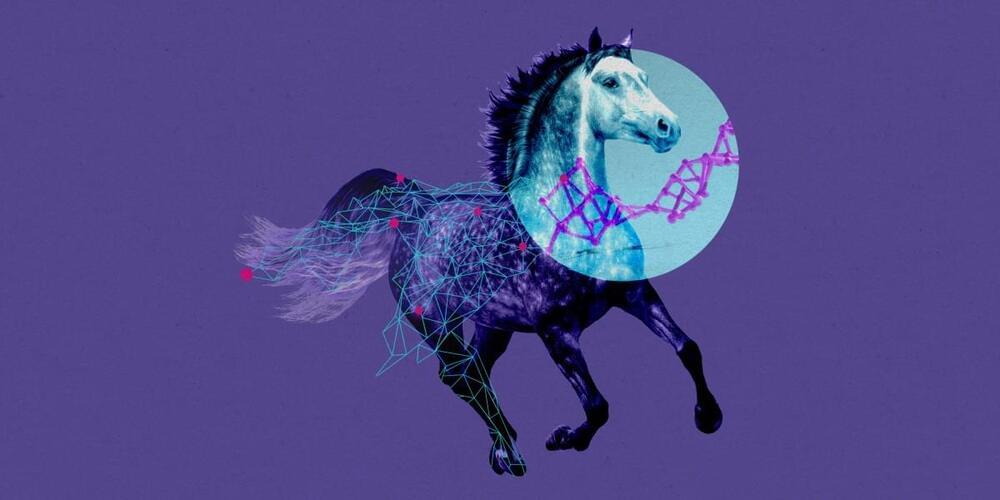
Noting that recent advances in artificial intelligence and the existence of large-scale experimental data about human biology have reached a critical mass, a team of researchers from Stanford University, Genentech, and the Chan-Zuckerberg Initiative says that science has an “unprecedented opportunity” to use artificial intelligence (AI) to create the world’s first virtual human cell. Such a cell would be able to represent and simulate the precise behavior of human biomolecules, cells, and, eventually, tissues and organs.
“Modeling human cells can be considered the holy grail of biology,” said Emma Lundberg, associate professor of bioengineering and of pathology in the schools of Engineering and Medicine at Stanford and a senior author of a new article in the journal Cell proposing a concerted, global effort to create the world’s first AI virtual cell. “AI offers the ability to learn directly from data and to move beyond assumptions and hunches to discover the emergent properties of complex biological systems.”
Lundberg’s fellow senior authors include two Stanford colleagues, Stephen Quake, a professor of bioengineering and science director at the Chan-Zuckerberg Initiative, and Jure Leskovec, a professor of computer science in the School of Engineering, as well as Theofanis Karaletsos, head of artificial intelligence for science at the Chan Zuckerberg Initiative, and Aviv Regev executive vice president of research at Genentech.
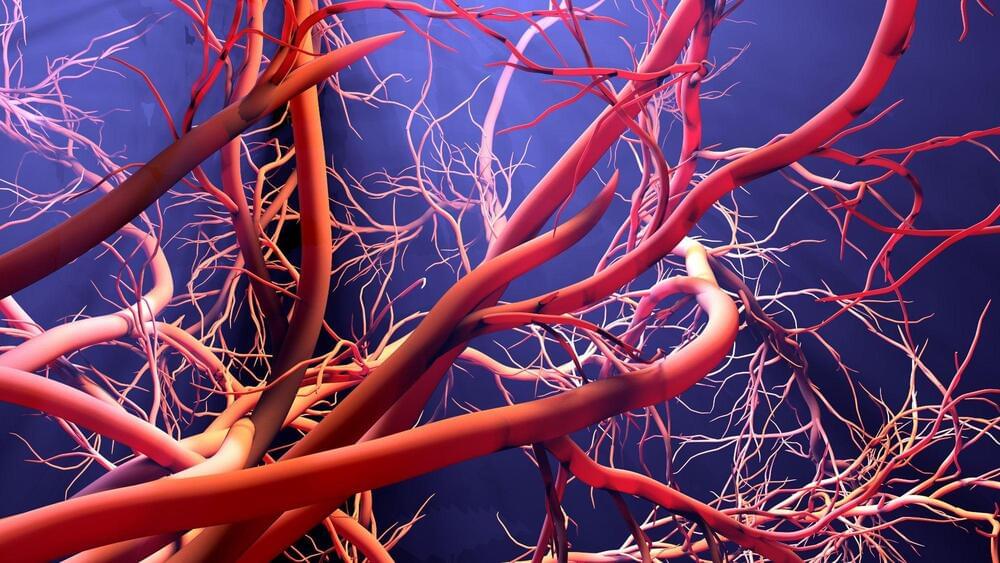
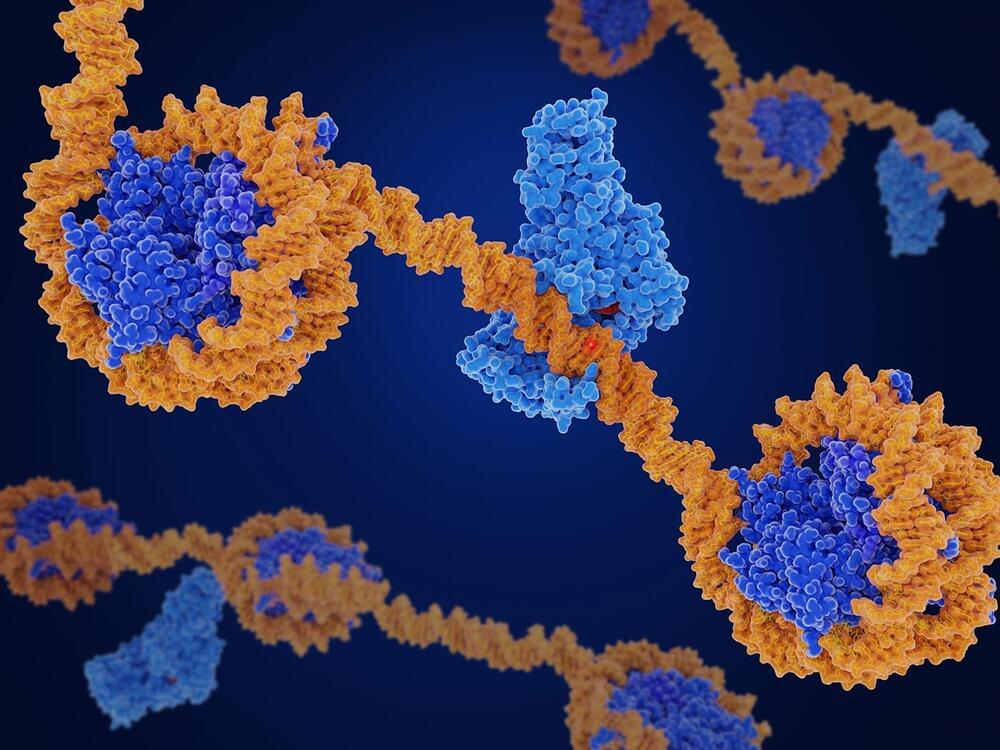
A recent study published in the journal Aging by Julia Michalkiewicz, Tung D. Nguyen, and Monica Y. Lee from the University of Illinois at Chicago College of Medicine underscores the essential role of the protein Nucleoporin93 (Nup93) in preserving blood vessel health during aging. The authors discuss emerging research that identifies Nup93 as a potential therapeutic target for preventing or mitigating aging-related conditions such as heart disease and stroke.
Cardiovascular diseases remain the leading causes of death worldwide, with aging identified as a major risk factor. Vascular health declines as endothelial cells (EC)—the protective lining of blood vessels—lose their functionality with age. This deterioration leads to inflammation, arterial stiffening, and reduced blood flow, significantly increasing the risk of life-threatening diseases. The authors underscore the urgent need to uncover the molecular mechanisms driving these changes.
Researchers reveal that complete blood count setpoints are stable, patient-specific biomarkers that persist for decades, offering new avenues for personalized medicine and precision diagnostics.
The instrument uses light to move atoms to measure incredibly small forces.
A new study finds that chimpanzees’ self-medicationhas helped scientists identify some promising plants for future pharmaceuticals. In the study, Oxford researchers have identified no less than 13 plants with potent wound-healing and infection-fighting properties.
The researchers made this astounding discovery thanks to the help of wild chimpanzees. By observing them in the wild, the team found that chimps tend to eat bark, dead wood, and leaves that are not part of their diet when sick or injured.
Imagine a world in which a vaccine is a cream you rub onto your skin instead of a needle a health care worker pushes into your one of your muscles. Even better, it’s entirely pain-free and not followed by fever, swelling, redness or a sore arm. No standing in a long line to get it. Plus, it’s cheap.
Thanks to Stanford University researchers’ domestication of a bacterial species that hangs out on the skin of close to everyone on Earth, that vision could become a reality.
“We all hate needles — everybody does,” said Michael Fischbach, PhD, the Liu (Liao) Family Professor and a professor of bioengineering. “I haven’t found a single person who doesn’t like the idea that it’s possible to replace a shot with a cream.”
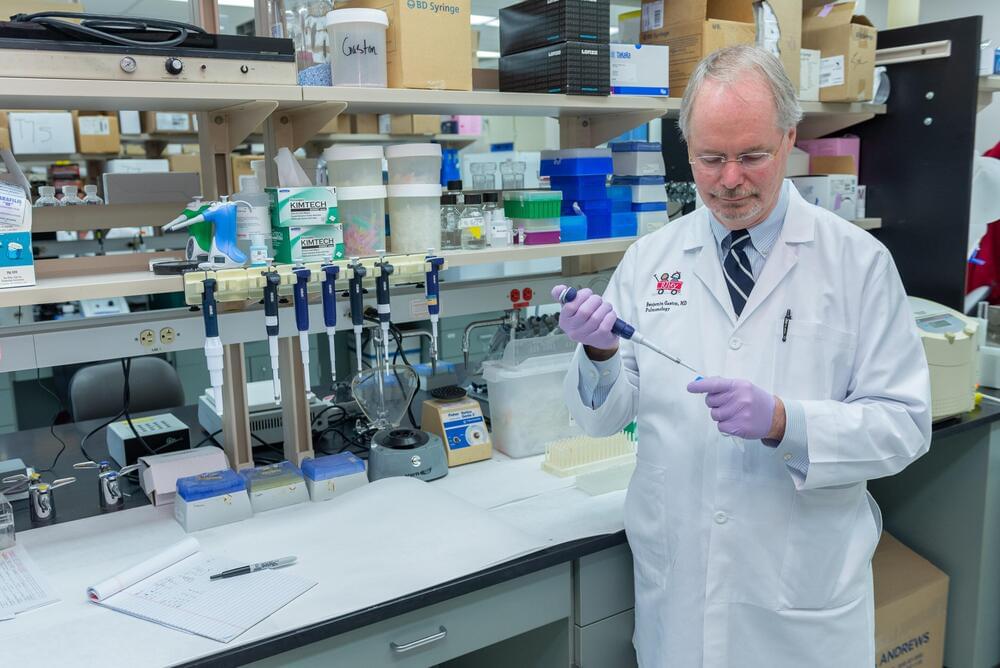
Indiana University School of Medicine researchers have uncovered compelling evidence that children with primary ciliary dyskinesia (PCD), a rare genetic disorder affecting airway function, are significantly more likely than children without PCD to have asthma. The findings, recently published in a JAMA Network Open research letter, highlight the importance of routine asthma screening for children with PCD and suggest some children with asthma may have undiagnosed PCD.
An estimated 1 in 10,000 to 30,000 people in the United States have PCD. It affects the microscopic, hair-like structures called cilia that line the airways and help clear mucus, leading to an increased risk of serious breathing problems and infections in people with the inherited condition.
“The connection between PCD and asthma has not previously received much attention,” said Benjamin Gaston, MD, the Billie Lou Wood Professor of Pediatrics at the IU School of Medicine, who co-led the study. “Our data analysis revealed an undeniable link, showing children with PCD were 22 times more likely to have asthma compared to children without PCD characteristics.”
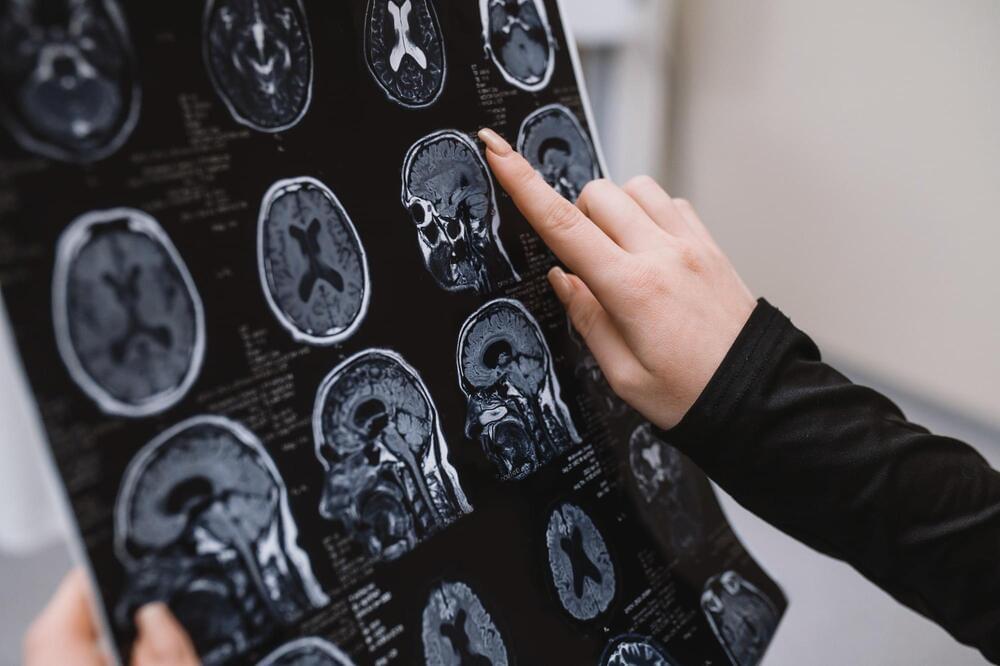
Researchers optimized portable low-field MRI with machine learning to improve brain morphometry and white matter hyperintensity detection, making Alzheimer’s diagnosis more accessible and cost-effective.