Toggle light / dark theme

Johns Hopkins Scientists Identify Key Brain Protein That May Slow Alzheimer’s

Researchers at Johns Hopkins Medicine report that findings from a new study funded by the National Institutes of Health are helping to identify a promising new biological target for Alzheimer’s disease. The focus is a protein that produces a crucial gas within the brain.

Studies in genetically engineered mice show that the protein Cystathionine γ-lyase, also known as CSE, plays an essential role in forming memories, says Bindu Paul, M.S., Ph.D., an associate professor of pharmacology, psychiatry and neuroscience at the Johns Hopkins University School of Medicine who led the research. CSE is best known for generating hydrogen sulfide, the gas responsible for the smell of rotten eggs, but the new findings highlight its importance in brain function.
Mapping gene disruptions in sporadic early onset Alzheimer’s disease across key brain regions

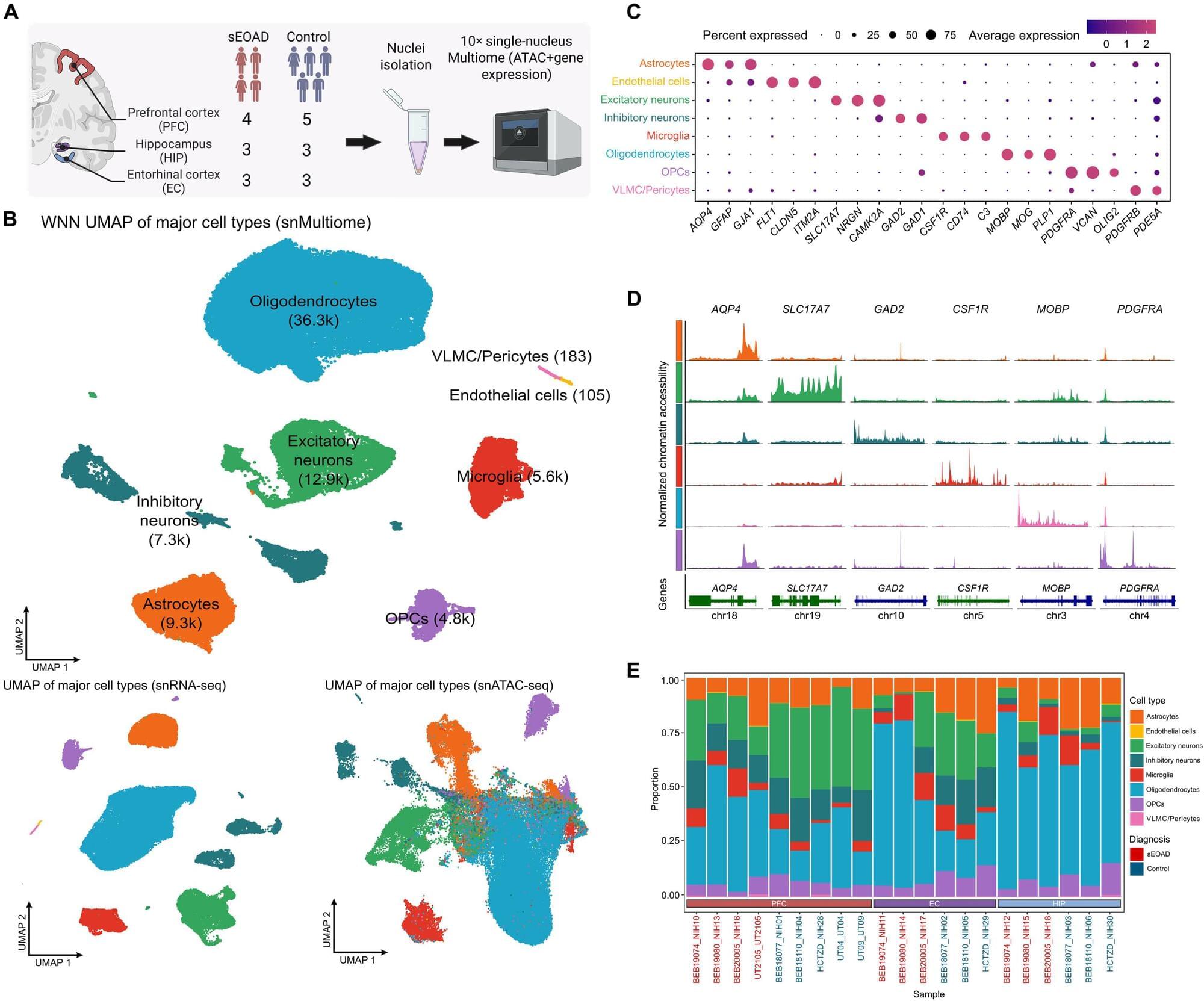
A new study led by researchers at UTHealth Houston investigated both gene expression and regulation at single cell levels to reveal disruptions in gene function in three brain regions of patients with sporadic early onset Alzheimer’s disease.

The findings are published in Science Advances.

Only about 5% to 10% of patients with Alzheimer’s disease are younger than 65. Of those patients, 10% have mutations in the APP, PSEN1, and PSEN2 genes, which are associated with Alzheimer’s disease. The other 90% of these cases are classified as sporadic early onset Alzheimer’s, a rare and aggressive form of the disease that begins before age 65. The genetic tie in early onset Alzheimer’s is largely unidentified, representing a significant but understudied population.

Blood metabolite signature offers improved prediction of type 2 diabetes risk

Diabetes, a metabolic disease, is on the rise worldwide, and over 90% of cases are type 2 diabetes, where the body does not effectively respond to insulin.

Researchers from Mass General Brigham and Albert Einstein College of Medicine have identified metabolites (small molecules found in blood generated through metabolism) associated with the risk of developing type 2 diabetes in the future, and have revealed genetic and lifestyle factors that may influence these metabolites. They also developed a metabolomic signature that predicts future risk of type 2 diabetes beyond traditional risk factors.

Their results are published in Nature Medicine.

Combating Antimicrobial Resistance by Resensitising Bacteria to Antibiotics Using CRISPR: A Narrative Review

Background: Antimicrobial resistance (AMR) remains a formidable global health threat. Conventional strategy of developing new antibiotics is costly and unsustainable. Thus, innovative approaches for resensitising bacteria using clustered regularly inter-spaced short palindromic repeats (CRISPR) technology are sought.

Advancing Early Detection of Alzheimer Disease in the Primary Care Setting in the United States

Background and ObjectivesAs evidence supporting the robustness of blood-based biomarker (BBM) testing for Alzheimer disease (AD) continues to emerge, understanding the perceptions, drivers, and barriers to the adoption of these tests among primary care…

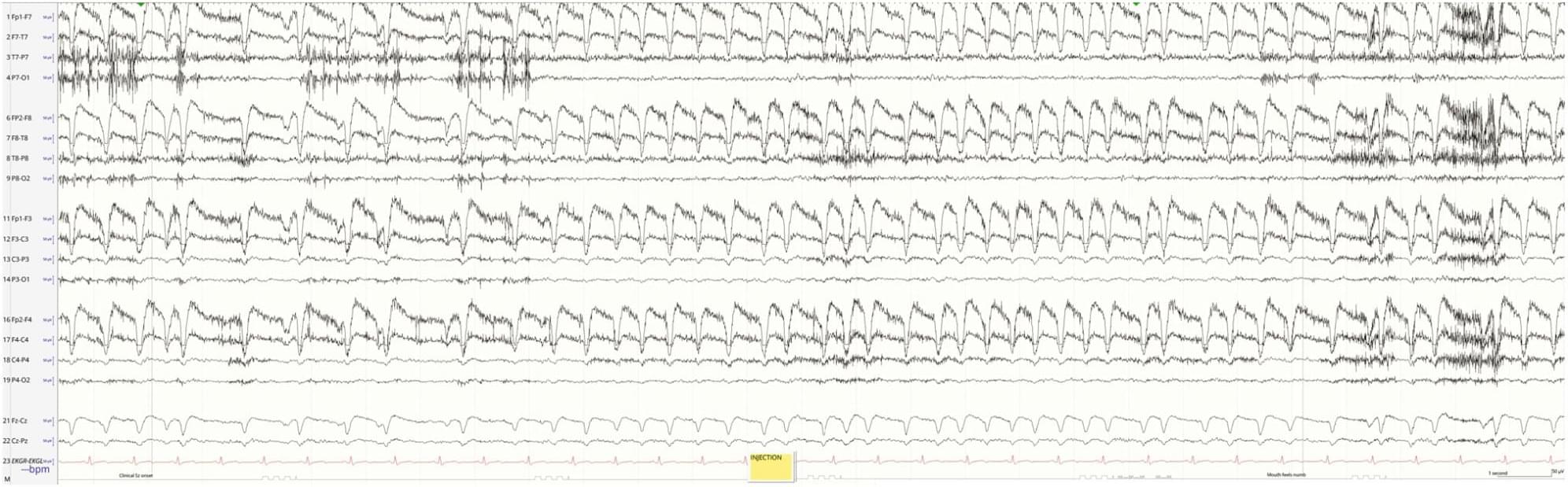
Use of Ictal-Interictal SPECT in Localization of Surface-EEG–Negative Insular Epilepsy

This case demonstrates the use of ictal SPECT as an objective way to localize surface-EEG–negative insular seizures.


A 43-year-old woman presented with events characterized by a “funny” feeling in the head, nausea, and right-hand numbness/cramping. Events lasted minutes, without impaired awareness. Onset occurred 1.5 years after an embolic left middle cerebral artery stroke. MRI showed left temporoparietal and insular T2 changes.

Synchrotron‐generated microbeams as a radiosurgical alternative for drug‐resistant epilepsies: Proof of concept in a mouse model of mesiotemporal lobe epilepsy

“This proof-of-concept study highlights MRT as a promising non-invasive therapy for drug-resistant focal epilepsies with optimal peak doses of 125–250 Gy, and it suggests that distributing the dose through multiple angles optimizes the therapeutic effect. MRT could provide a safer alternative to surgery, warranting further investigations.”

Read this open-access research article from Epilepsia Journal at doi.org/10.1002/epi.70063.


Objective One-third of patients with epilepsy, particularly those with mesial temporal lobe epilepsy (MTLE), remain resistant to medication. Resective surgery, the gold standard, is highly invasive and carries significant risks. Here, using a mouse model, we explored the potential of microbeam radiation therapy (MRT), a new technique based on the spatial microfractionation of high-flux X-rays, as a non-invasive alternative for treating MTLE.

Cyanobacteria can utilize toxic guanidine as a nitrogen source

Guanidine is an organic compound primarily used as a denaturing reagent to disrupt the structures of proteins and nucleic acids. Together with partner institutions, scientists at the Helmholtz Centre for Environmental Research (UFZ) have demonstrated that cyanobacteria, which play a central role in global biogeochemical cycles, use guanidine as a nitrogen source.

The results were recently published in the Proceedings of the National Academy of Sciences. The researchers shed light on the underlying mechanisms and the potential for a new tool for sustainable biotechnological applications.

Scientists Discover Method To Erase Toxic Tau From Human Neurons

Researchers at the University of New Mexico have uncovered an unexpected role for OTULIN, an enzyme best known for its involvement in immune system regulation. The team found that OTULIN also plays a key role in the production of tau, a protein linked to many neurodegenerative disorders, along with brain inflammation and the biological processes associated with aging.

The findings were reported in the journal Genomic Psychiatry. In the study, scientists showed that disabling OTULIN stopped tau from being produced and cleared existing tau from neurons. This was achieved in two ways: by using a specially designed small molecule or by removing the gene responsible for producing the enzyme. The experiments were carried out in two types of cells, including cells derived from a person who had died from late-onset sporadic Alzheimer’s disease and human neuroblastoma cells that are commonly used in laboratory research.

Surprise Hair Loss Breakthrough: A DNA Sugar Gel Sparks Robust Regrowth

In 2024, scientists stumbled upon a potential new treatment for hereditary-patterned baldness, the most common cause of hair loss in both men and women worldwide.

It began with research on a naturally occurring sugar that helps form DNA: the ‘deoxyribose’ part of deoxyribonucleic acid.

While studying how these sugars aid wound healing in mice when applied topically, scientists at the University of Sheffield and COMSATS University in Pakistan noticed that the fur around treated lesions grew back faster than in untreated mice.

/* */