Toggle light / dark theme

New sound-based 3D-printing method enables finer, faster microdevices

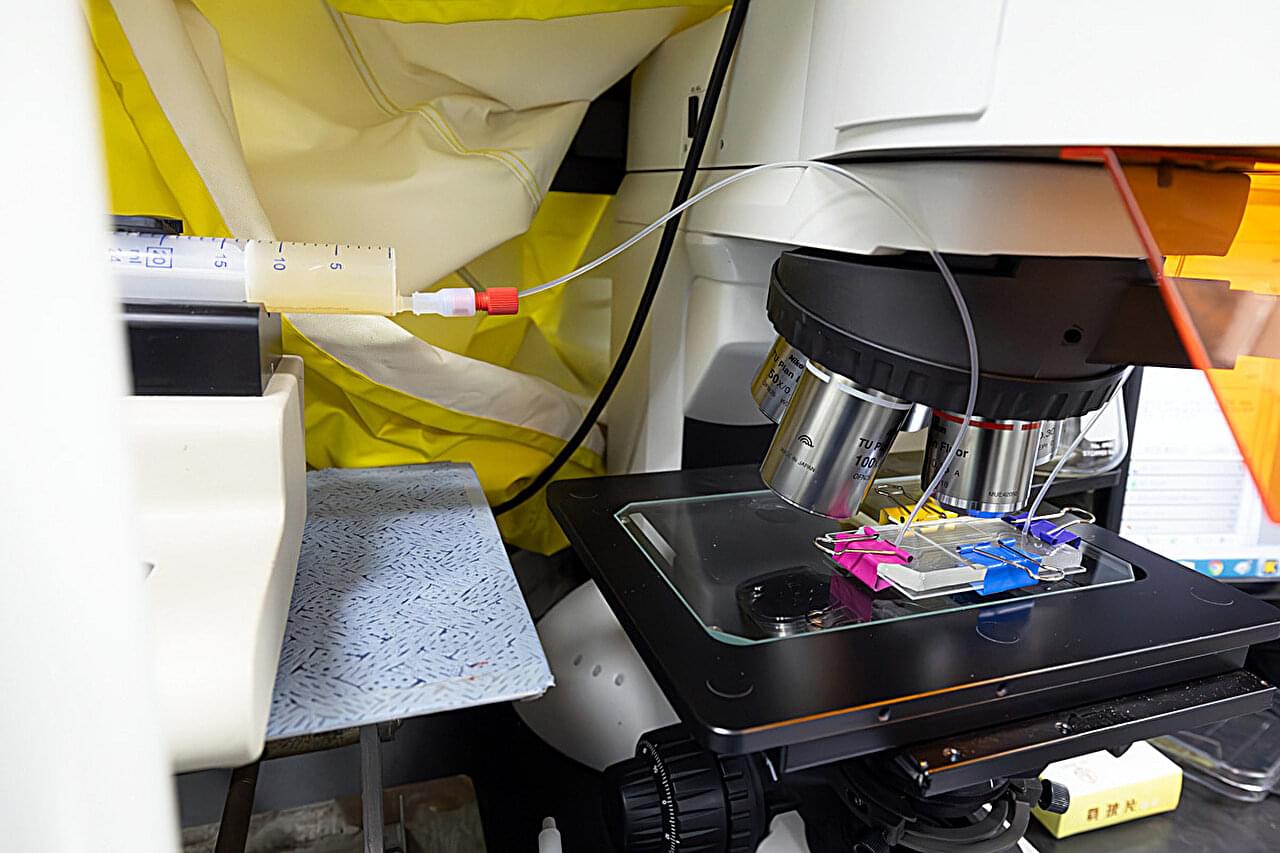
Concordia researchers have developed a new 3D-printing technique that uses sound waves to directly print tiny structures onto soft polymers like silicone with far greater precision than before. The approach, called proximal sound printing, opens new possibilities for manufacturing microscale devices used in health care, environmental monitoring and advanced sensors. It is described in the journal Microsystems & Nanoengineering.

The technique relies on focused ultrasound to trigger chemical reactions that solidify liquid polymers exactly where printing is needed. Unlike conventional methods that rely on heat or light, sound-based 3D-printing works with key materials used in microfluidic devices, lab-on-a-chip systems and soft electronics that are hard to print at small scales.

This work builds on the research team’s earlier breakthrough in direct sound printing, which first showed that ultrasound could be used to cure polymers on demand. While that earlier method demonstrated the concept, it struggled with limited resolution and consistency. The new proximal approach places the sound source much closer to the printing surface, allowing far tighter control.

20-Year Mystery Solved: Scientists Discover an Entirely New Way Cells Transport Bile Acids

A long-standing mystery in bile acid biology has been solved. Bile acids are often introduced as digestion helpers, but they are also powerful chemical messengers that help coordinate metabolism throughout the body. To do their jobs, these cholesterol-derived molecules must be shuttled efficiently

New study explains chemotherapy resistance in lung and ovarian cancers

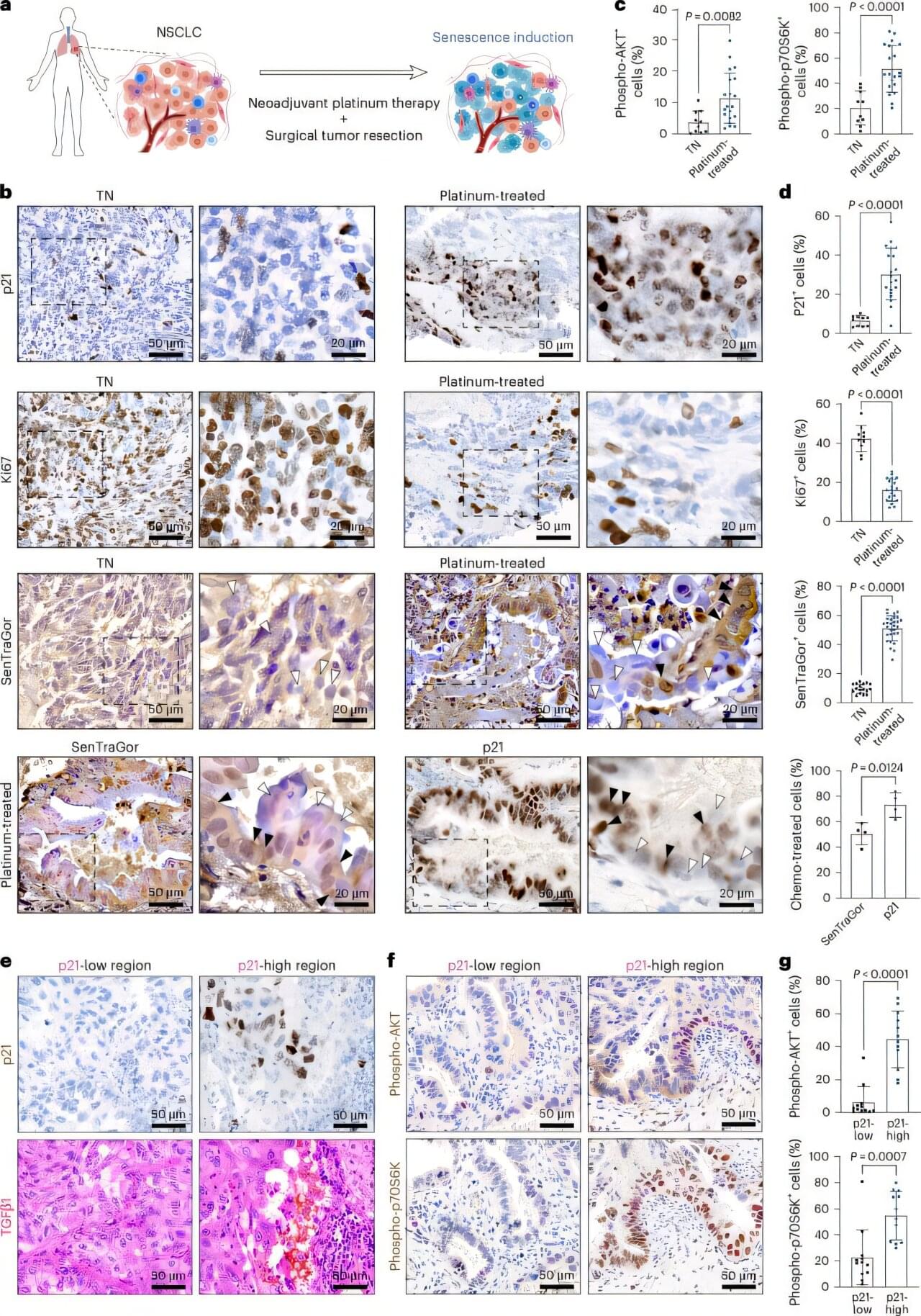
Researchers have identified a biological mechanism that helps explain why some lung and ovarian cancers become resistant to chemotherapy, offering insight into why cancers recur. The study, published in Nature Aging this month, investigated how platinum-based chemotherapies such as cisplatin negatively affect tumor behavior in non-small cell lung cancer (NSCLC) and high-grade serous ovarian cancer (HGSOC). Although these treatments are widely used, their long-term effectiveness is often limited when tumors return or stop responding.

Professor Ljiljana Fruk and Muhamad Hartono from the Department of Chemical Engineering and Biotechnology (CEB) contributed to the international collaboration, led by researchers from the Early Cancer Institute and the Cancer Research UK Cambridge Institute. Their involvement follows her Bionano Engineering group’s recent development of a urine test for early lung cancer detection.

New biosensor technology could improve glucose monitoring

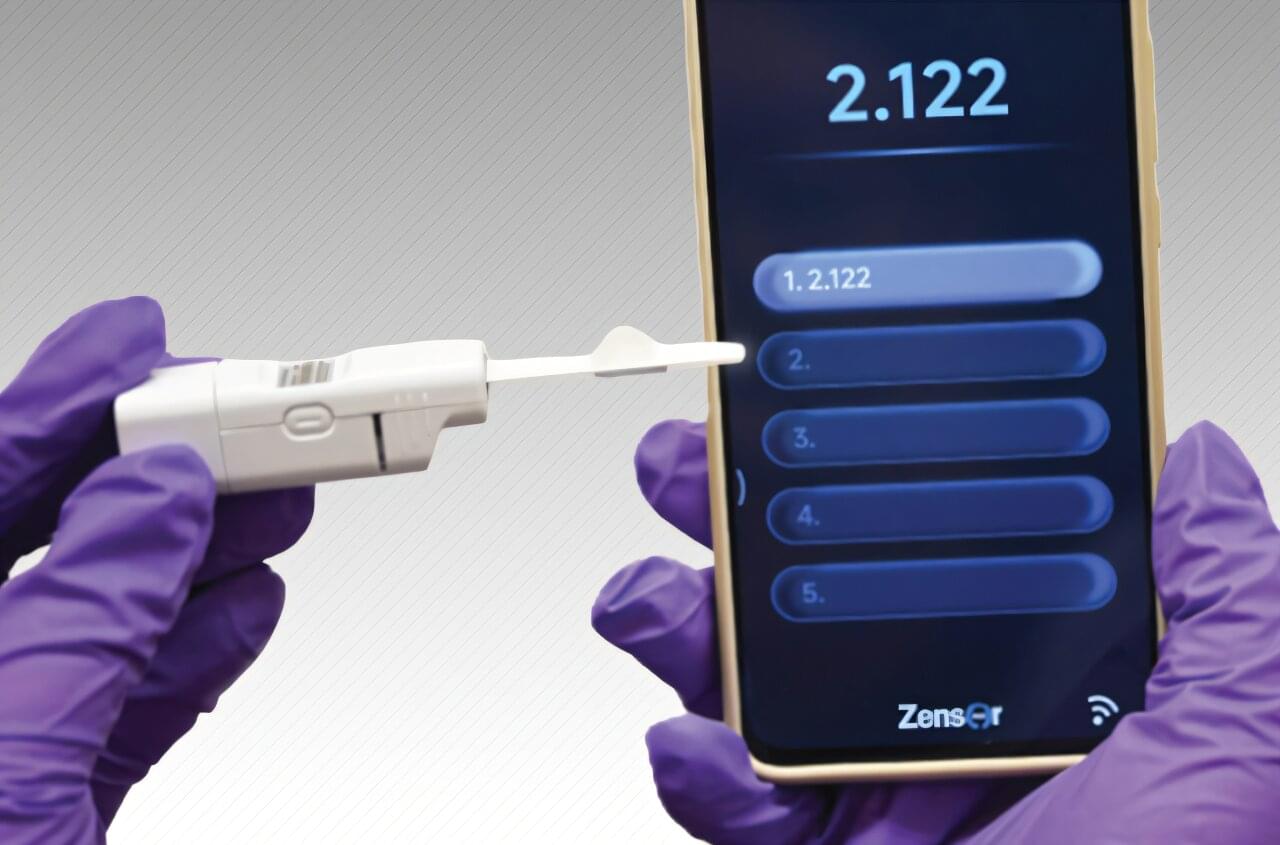
A wearable biosensor developed by Washington State University researchers could improve wireless glucose monitoring for people with diabetes, making it more cost-effective, accurate, and less invasive than current models. The WSU researchers have developed a wearable and user-friendly sensor that uses microneedles and sensors to measure sugar in the fluid around cells, providing an alternative to continuous glucose monitoring systems. Reporting in the journal The Analyst, the researchers were able to accurately detect sugar levels and wirelessly transmit the information to a smartphone in real time.

“We were able to amplify the signal through our new single-atom catalyst and make sensors that are smaller, smarter, and more sensitive,” said Annie Du, research professor in WSU’s College of Pharmacy and Pharmaceutical Sciences and co-corresponding author on the work. “This is the future and provides a foundation for being able to detect other disease biomarkers in the body.”

Measuring glucose levels is important for diabetes, helping to keep patients healthy and preventing complications. Continuous glucose monitors on the market require the use of small needles to insert the monitor, and people can get skin irritation or rashes from the chemical processes that are done under the skin. Furthermore, they’re not always sensitive enough.

Chemical Reaction Pattern Shines Like the Sun

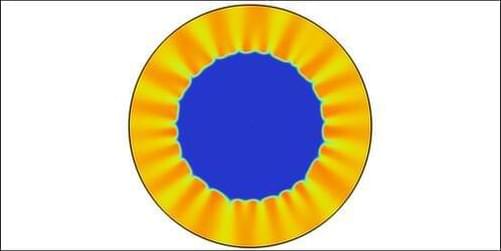
For a phenomenon like a wildfire burning through a forest or a disease moving through a population, the resulting patterns can sometimes be modeled using a so-called reaction–diffusion system—an experiment where a chemical reaction front moves through a region full of reactants. Now Anne De Wit of the Université Libre de Bruxelles and her colleagues have demonstrated that new patterns can be revealed when the reactants flow against the direction of the front’s propagation, causing it to freeze in place [1]. Their “sun-ray” pattern is the first one discovered this way, but the technique could generate other patterns that might replicate behavior in forest fires or epidemics.

Two years ago, De Wit and her colleagues brought a propagating reaction front to a standstill by slowly and continually injecting a reactant into the center of a disk-shaped chamber filled with the other reactant, against the front’s inward propagation [2]. The stopping occurred when the outward flow matched the rate at which the inner reactant was consumed. De Wit says that a stationary front allows more control and thus more careful study of patterns than a propagating front.

As a demonstration of this control, the researchers have now used reactants with different diffusion rates in the same outward-flow setup. In this case, the stationary front developed ripples—an effect previously seen in propagating fronts. The researchers also observed radial “rays”—narrow regions of higher concentration of one of the reactants. They showed in simulations and experiments that properties of the front can be precisely controlled by varying the flow rate.

How a key receptor tells apart two nearly identical drug molecules

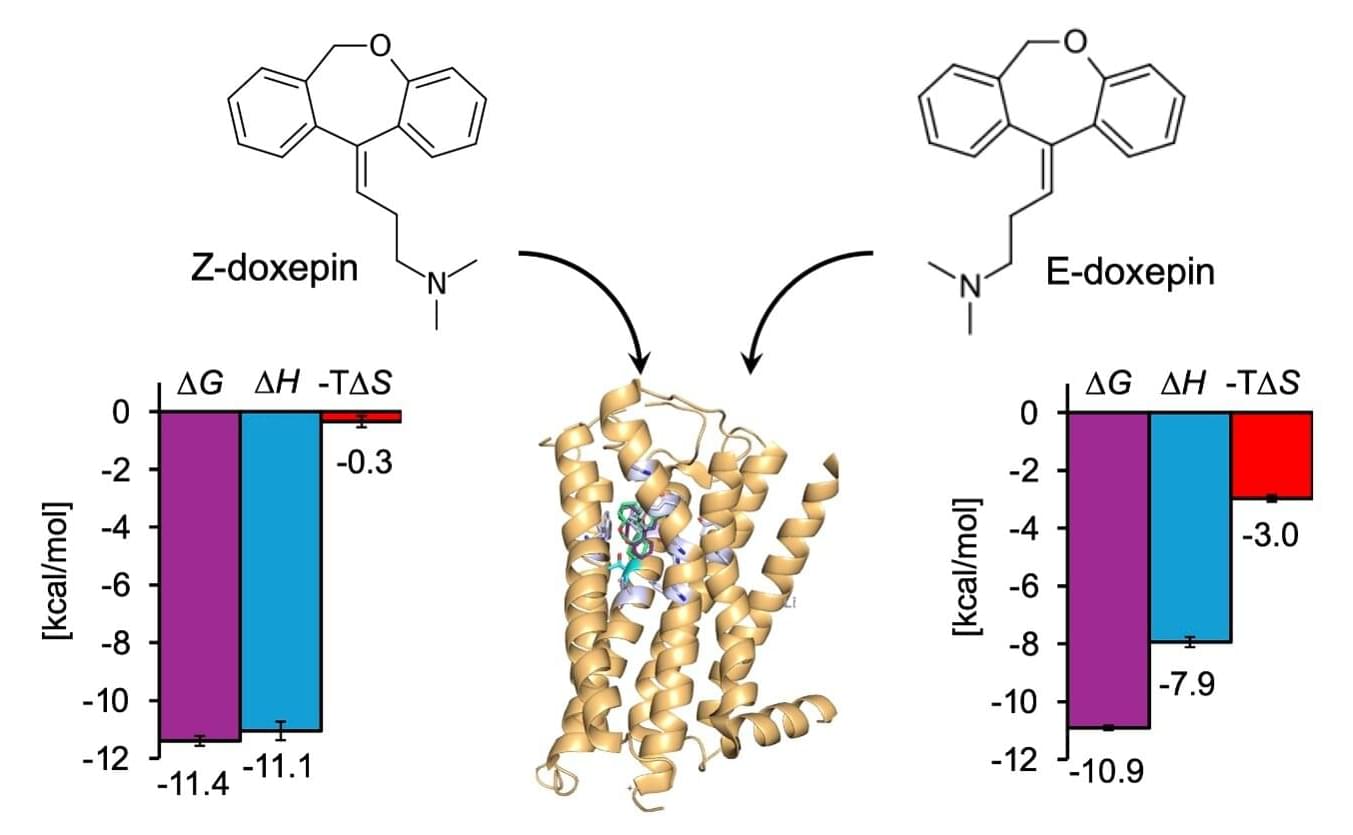
G-protein-coupled receptors (GPCRs) are one of the largest families of cell surface proteins in the human body that recognize hormones, neurotransmitters, and drugs. These receptors regulate a wide range of physiological processes and are the targets of more than 30% of currently marketed drugs. The histamine H1 receptor (H1R) is one such GPCR subtype that plays a key role in mediating allergic reactions, inflammation, vascular permeability, airway constriction, wakefulness, and cognitive functions in the human body. While antihistamines primarily target H1R, current drugs can exhibit limited therapeutic efficacy, prompting researchers to look at H1R ligands from new perspectives.

Recently, the importance of drug design based not only on the affinity or binding energy between a compound and its target protein, but also on its components, enthalpy, and entropy, has been recognized as crucial for rational drug design. In particular, enthalpy–entropy compensation has emerged as a key concept for understanding ligand selectivity and isomer specificity. However, direct experimental measurement of these thermodynamic parameters has been limited to cell surface proteins, such as GPCRs.

Addressing this gap, a research team led by Professor Mitsunori Shiroishi from the Department of Life System Engineering, Tokyo University of Science (TUS), Japan, systematically investigated the binding thermodynamics of the H1R. The team included Mr. Hiroto Kaneko (first-year doctoral student) and Associate Professor Tadashi Ando from TUS, among others. Their study was published online in ACS Medicinal Chemistry Letters on January 26, 2026.

Redesigned electrolyte helps lithium-metal batteries safely reach full charge in 15 minutes

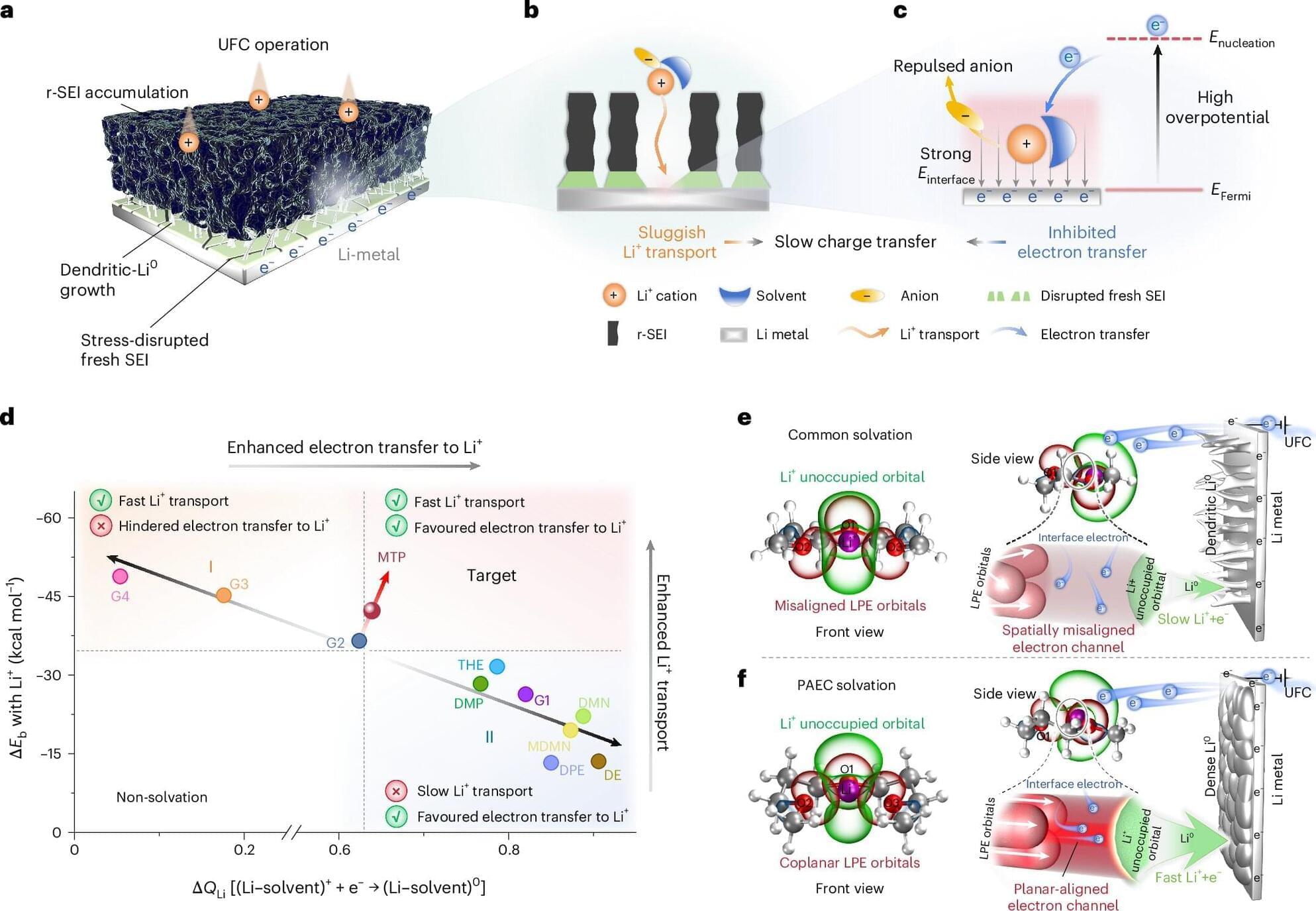
Lithium-metal batteries (LMBs) are rechargeable batteries that contain an anode (i.e., the electrode through which current flows and a loss of electrons occurs) made of lithium metal. Compared to conventional lithium-ion batteries (LIBs), which power most electronic devices on the market today, LMBs could store more energy, charge faster and operate in extreme environments.

Despite their advantages, these batteries have not yet achieved their full potential and recharging them safely in short periods of time has proved challenging. In particular, enabling the fast and efficient movement of electrons and ions across the boundary between electrodes and the electrolyte, a process known as charge transfer, has proved difficult.

If charge transfer is slow, chemical reactions become sluggish, which can also lead to undesirable side reactions and prompt the formation of Li dendrites. These are essentially needle-like extensions that can adversely impact a battery’s performance, lead to its sudden failure and, in most extreme cases, result in fires or explosions.

A microfluidic chip for one-step detection of PFAS and other pollutants

Environmental pollutant analysis typically requires complex sample pretreatment steps such as filtration, separation, and preconcentration. When solid materials such as sand, soil, or food residues are present in water samples, analytical accuracy often decreases, and filtration can unintentionally remove trace-level target pollutants along with the solids.

To address this challenge, a joint research team led by Dr. Ju Hyeon Kim at the Korea Research Institute of Chemical Technology (KRICT), in collaboration with Professor Jae Bem You’s group at Chungnam National University, has developed a microfluidic-based analytical device that enables direct extraction and analysis of pollutants from solid-containing samples without any pretreatment. The study was published in ACS Sensors

Water, food, and environmental samples encountered in daily life may contain trace amounts of hazardous contaminants that are invisible to the naked eye.

Shaping carbon fiber with electricity: Wireless voltage pulses drive reversible bending

Controlled manipulation of fibers that are as thin as or even thinner than human hair is a real challenge. Despite technological development, the precise and reversible change of the microfibers’ orientation is not easy. The interdisciplinary team of researchers from the Institute of Physical Chemistry, Polish Academy of Sciences, has recently developed a way to control the shape of microfibers with electricity. This brings us closer to a novel technical solution in micromechanics and soft robotics.

Their recent work, published in the Nature Communications journal, demonstrates the first proof-of-concept results on the motion of pristine carbon fibers caused by asymmetric electrochemical processes occurring in the material.

Technical advance ✨

Laszlo Nagy & team define unique regulatory programs of placental Hofbauer cells, advancing understanding of their role in pregnancy health and potential disease:

The image shows enrichment of Hofbauer cells by CD163-based cell sorting Placenta Fetal Development.


1Department of Biochemistry and Molecular Biology, Faculty of Medicine, and.

2Doctoral School of Molecular Cell and Immune Biology, University of Debrecen, Debrecen, Hungary.

3Institute for Fundamental Biomedical Research, Johns Hopkins All Children’s Hospital, St. Petersburg, Florida, USA.

/* */