Some mushrooms are sturdier than others, but it isn’t necessarily because of their chemistry – it’s how the filaments that make them up are arranged.

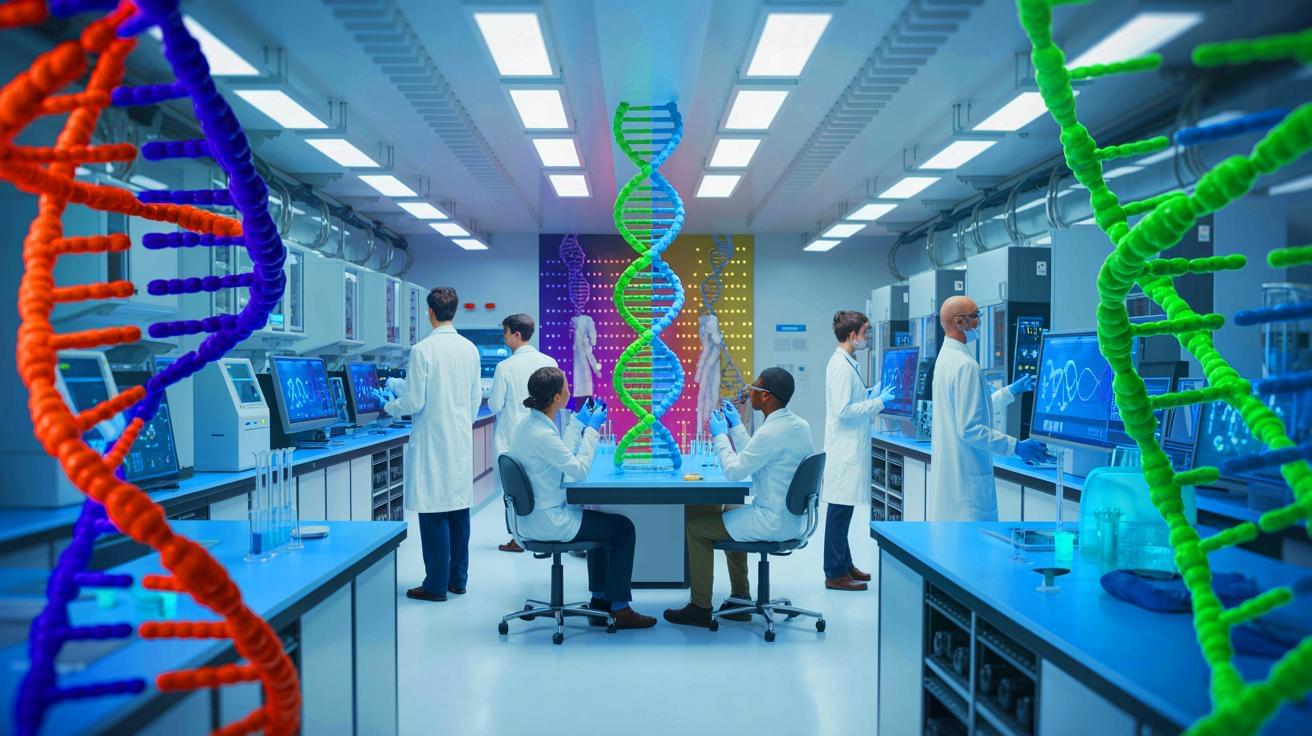
IN A NUTSHELL 🌐 The SynHG project aims to synthesize a complete human genome, opening new horizons in biotechnology. ⚖️ Ethical considerations are central to the project, with a focus on responsible innovation and diverse cultural perspectives. 🧬 Initial steps involve creating a fully synthetic human chromosome, leveraging advances in synthetic biology and DNA chemistry.



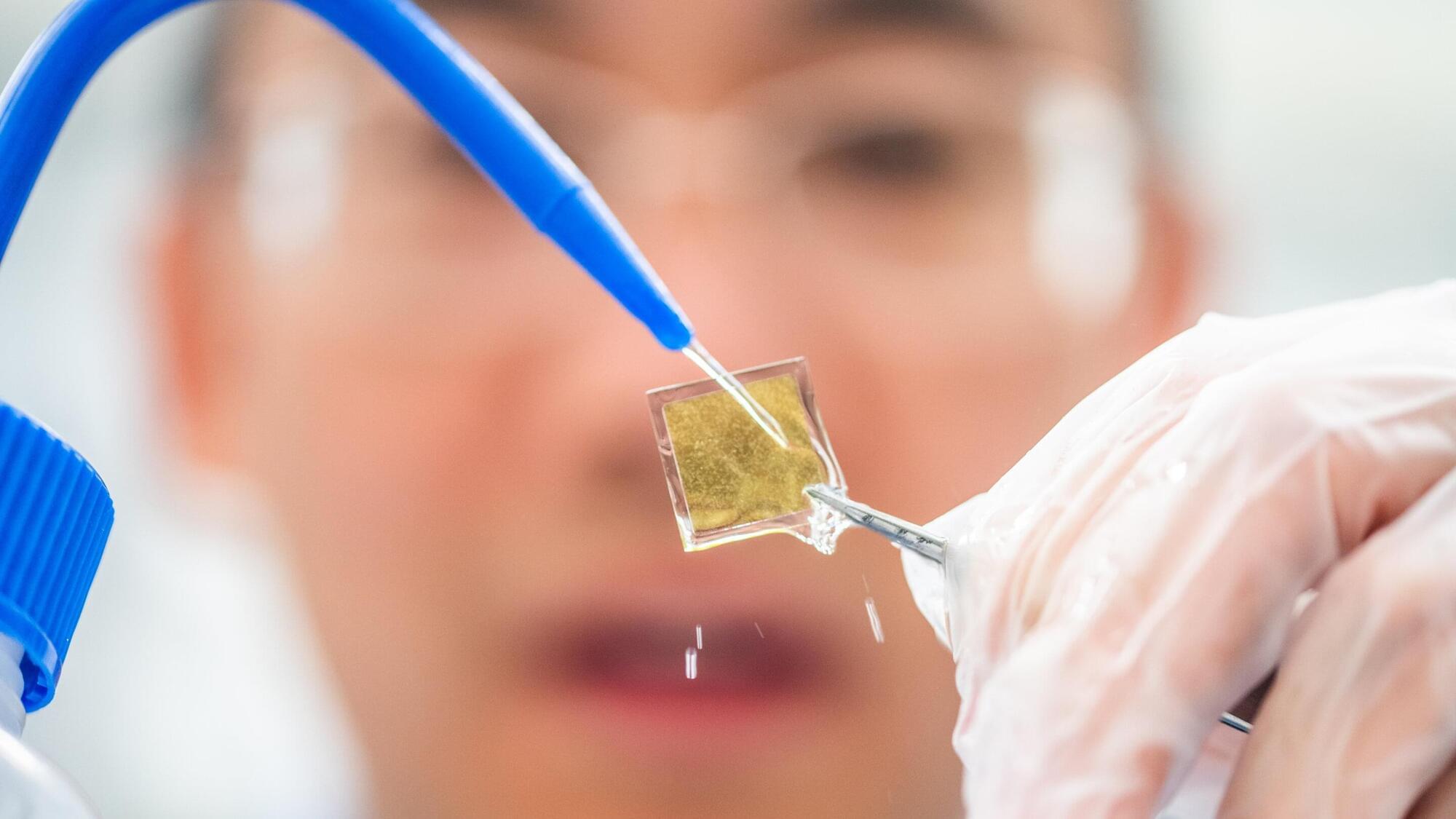
The chemical reaction to produce hydrogen from water is several times more effective when using a combination of new materials in three layers, according to researchers at Linköping University in Sweden. Hydrogen produced from water is a promising renewable energy source—especially if the hydrogen is produced using sunlight.
face_with_colon_three year 2024.
GE today announced that Federated Co-Operatives Limited’s Co-op Refinery Complex in Regina, Saskatchewan, Canada, is installing GE’s advanced water recycling technology for a wastewater improvement project that will enable the refinery to clean100 percent of its wastewater on-site. Once fully operationally, the Co-op Refinery Complex will be the only refinery in North America to recycle all of its wastewater for steam production, which is used for heating, hydrogen production, to power equipment and for cooling towers.
“Water is a precious resource and our wastewater improvement project allows us to be efficient and sustainable by recovering every drop of water. With GE’s technology, the Co-op Refinery Complex will clean and recycle all of its wastewater in a socially responsible and environmentally sound way to conserve water for Regina and the entire province of Saskatchewan,” said Gil Le Dressay, vice president, refinery operations, Federated Co-Operatives Limited.
Several years ago the refinery expanded its operations to produce 30,000 more barrels of oil per day (BPD) taking it from 100,000 BPD to a 130,000-BPD facility, which increased its water usage. The refinery’s current water source is a blend of well water and city water, and restrictions on water use mandated that the Co-op Refinery Complex had to find a new source of water. GE offered a solution combining ZeeWeed* membrane bioreactor (MBR) technology and a high-efficiency reverse osmosis (HERO• system to recycle and reuse 2 million gallons of wastewater a day. In addition to the water reuse solution, GE provides the refinery with wastewater specialty chemicals and monitoring solutions to provide system optimization.
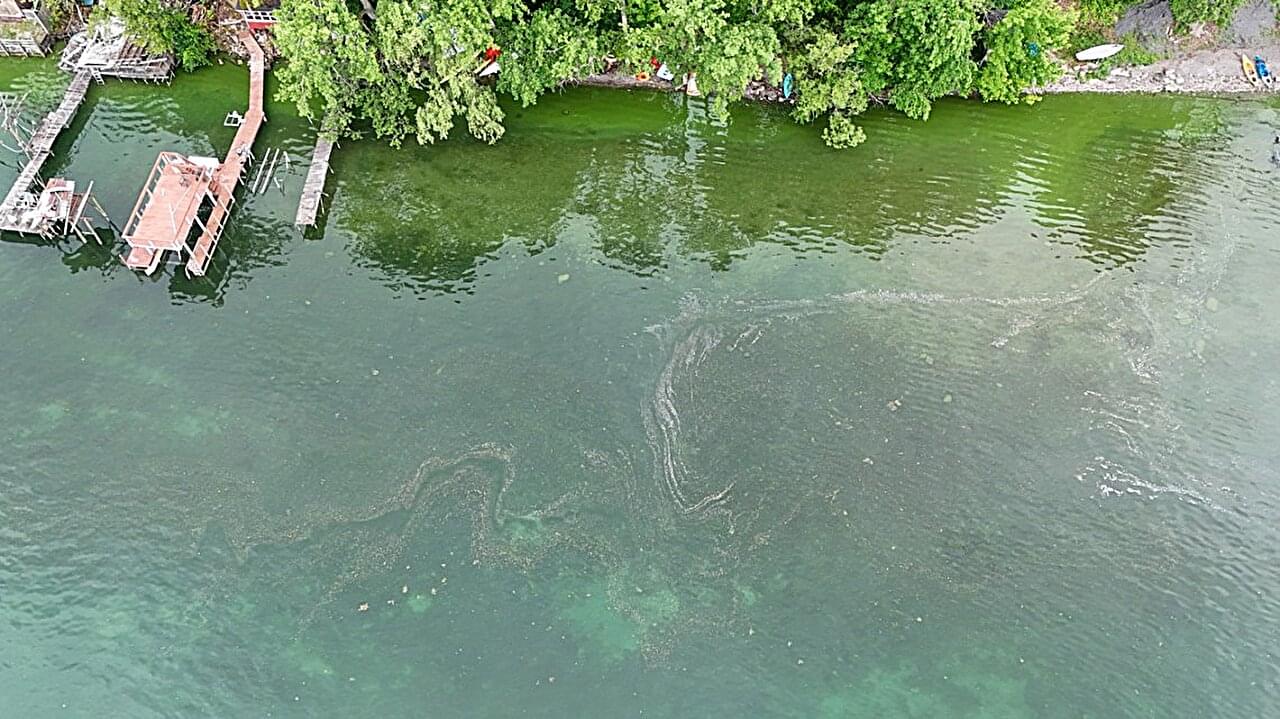
An alga that threatens freshwater ecosystems and is toxic to vertebrates has a sneaky way of ensuring its success: It suppresses the growth of algal competitors by releasing chemicals that deprive them of a vital vitamin.
The finding was reported in a new study from Cornell University, describing how the cyanobacteria Microcystis aeruginosa manipulates its environment to give itself advantages to take over the water column, leading to harmful algal blooms and mats in lakes during hot summers.
“Microcystis seems to be able to dominate more and more in the changing climate,” said Beth Ahner, professor in the Department of Biological and Environmental Engineering and corresponding author of the paper.
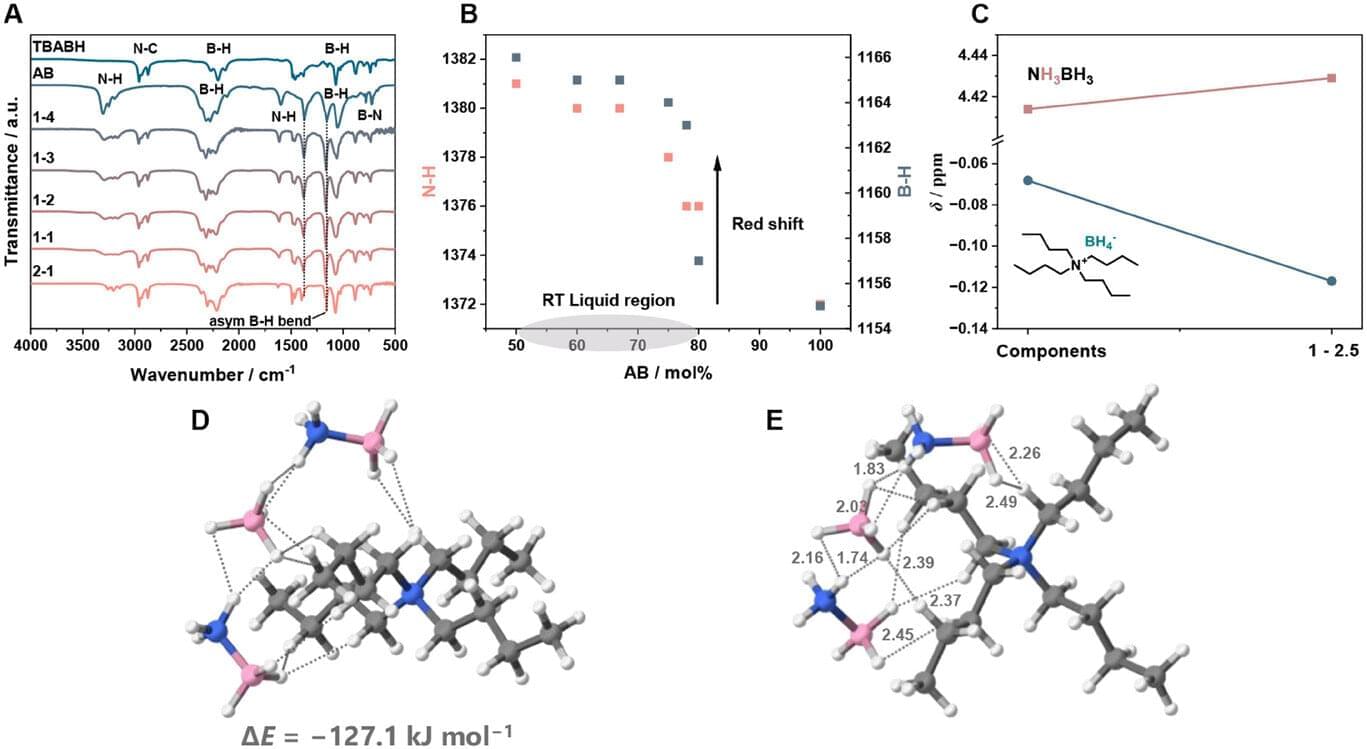
Researchers at EPFL and Kyoto University have created a stable hydrogen-rich liquid formed by mixing two simple chemicals. This breakthrough could make hydrogen storage easier, safer, and more efficient at room temperature.
Hydrogen can be the clean fuel of the future, but getting it from the lab to everyday life isn’t simple. Most hydrogen-rich materials are solids at room temperature, or they only become liquids under extreme conditions like high pressure or freezing temperatures.
Even materials such as ammonia borane, a solid, hydrogen-rich compound that can store a lot of hydrogen, are difficult because they release hydrogen only when heated, often producing unwanted byproducts.
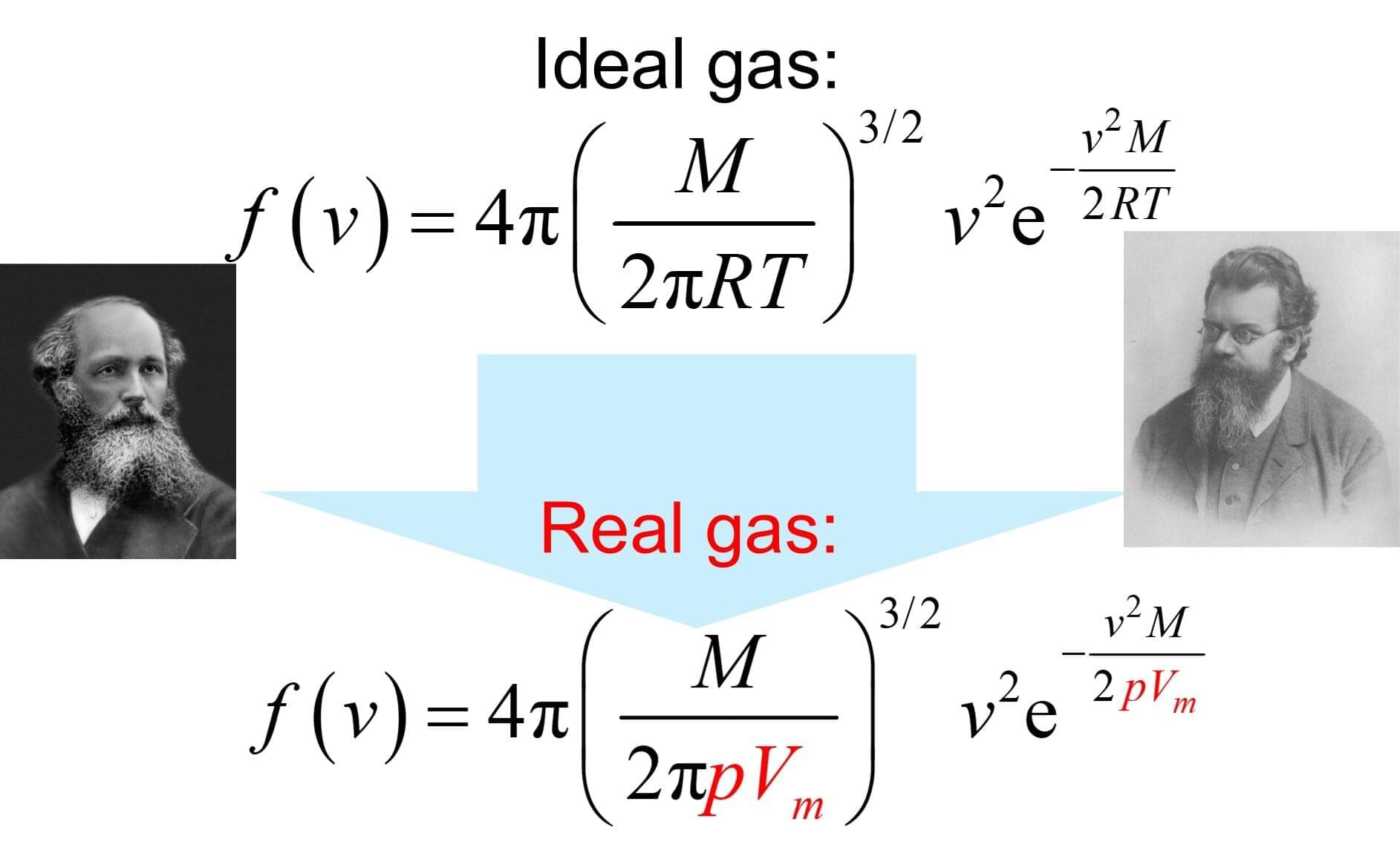
The Maxwell–Boltzmann distribution describes the probability distribution of molecular speeds in a sample of an ideal gas. Introduced over 150 years ago, it is based on the work of Scottish physicist and mathematician James Clerk Maxwell (1831–1879) and Austrian mathematician and theoretical physicist Ludwig Boltzmann (1844–1906).
Today, the distribution and its implications are commonly taught to undergraduate students in chemistry and physics, particularly in introductory courses on physical chemistry or statistical mechanics.
In a recent theoretical paper, I introduced a novel formula that extends this well-known distribution to real gases.