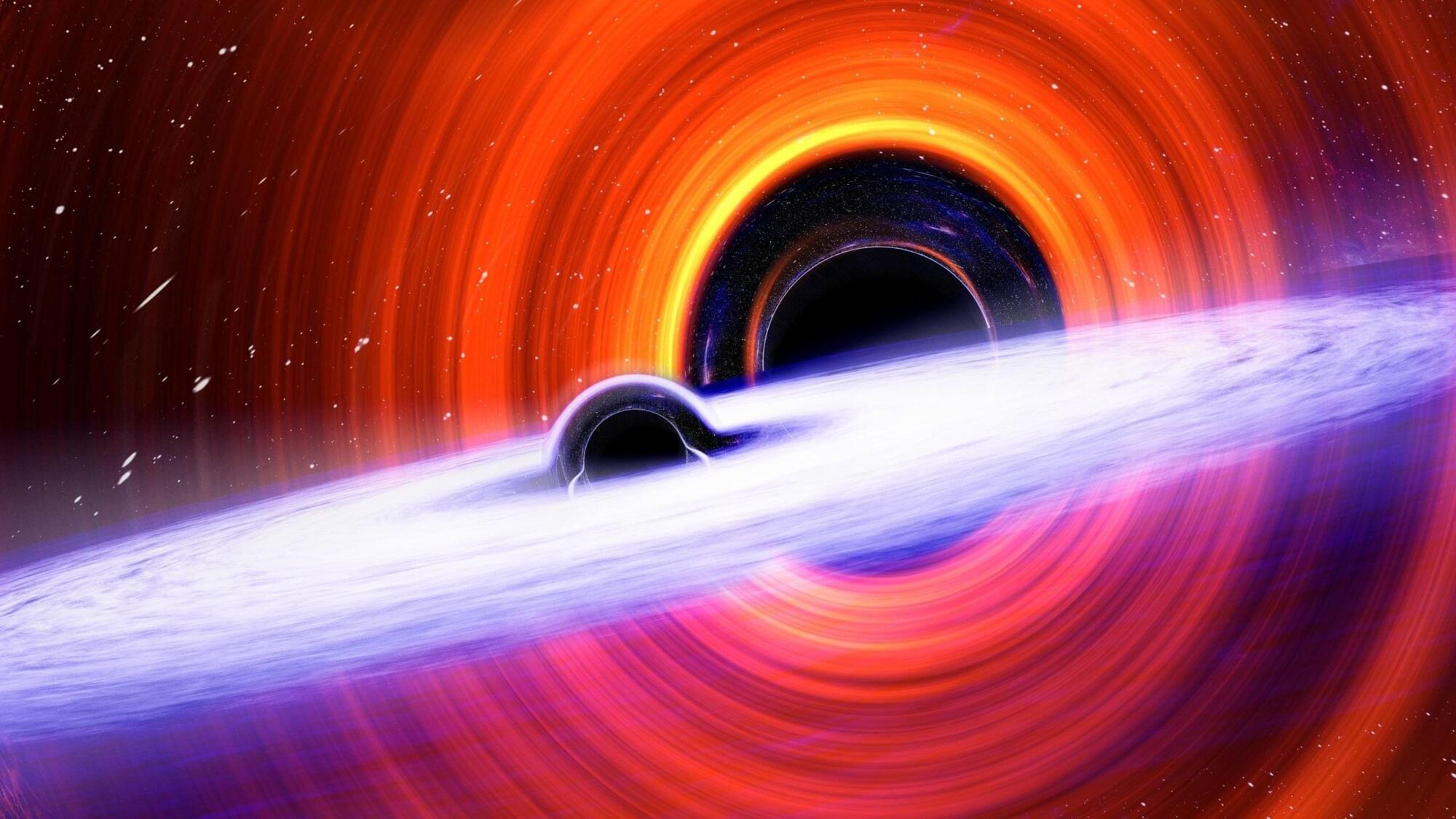
Scientists believe an unusual LIGO detection may be evidence of a primordial black hole, potentially linking these long-theorized objects to the mystery of dark matter.
A 90 minute interview about AI and our human future.
Dr. Hugo de Garis is a computer scientist, AI researcher, and former professor known for his early work on evolvable hardware, artificial brains, and the long-term risks of superintelligent machines. He coined and popularized the idea of the “Artilect War,” a future conflict between those who want to build godlike artificial intellects and those who believe such systems pose an existential threat to humanity. In the interview, he describes himself as trained in pure mathematics and theoretical physics, formerly a computer science professor, and now focused on broader questions about AI, cosmology, civilization, and the future of humanity.
The interview with Prof. Hugo de Garis centers on his long-standing warning that humanity may face an “Artilect War,” a civilizational conflict over whether to build godlike artificial intellects vastly superior to humans. De Garis argues that future computation, potentially extending from nanotech to femtotech and beyond, could produce minds trillions of trillions of times more capable than ours. He distinguishes between Cosmists, who want to build such beings to expand intelligence into the universe, and Terrans, who oppose them because superintelligence may eliminate or marginalize humanity. He personally remains torn, admiring the cosmic grandeur of posthuman intelligence while recognizing the existential danger.
The conversation also covers AI timelines, recursive self-improvement, AI alignment, the U.S.-China race, the Fermi paradox, simulation theory, cyborgs, cryonics, AI-generated content, the decline of universities, and the future of work. De Garis is impressed by current AI systems, treating them almost as intellectual companions, but he doubts that humanity can guarantee long-term control over recursively improving machines. The central theme is that the question “Should humanity build artilects?” may become the defining political and moral problem of the twenty-first century.
Website https://profhugodegaris.wordpress.com… is Roman Yampolskiy: https://grokipedia.com/page/roman_yam… Research papers: https://scholar.google.com/citations?… Books: AI: Unexplainable, Unpredictable, Uncontrollable https://www.amazon.com/Unexplainable-?tag=lifeboatfound-20… Considerations on the AI Endgame https://www.amazon.com/Considerations?tag=lifeboatfound-20… Artificial Superintelligence: A Futuristic Approach https://www.amazon.com/Artificial-Sup?tag=lifeboatfound-20… Artificial Intelligence Safety and Security https://www.amazon.com/Artificial-Int?tag=lifeboatfound-20… Social Media X https://twitter.com/romanyam FB / roman.yampolskiy IN
/ romanyam Ask Roman to speak at your event: https://www.romanyampolskiy.com/
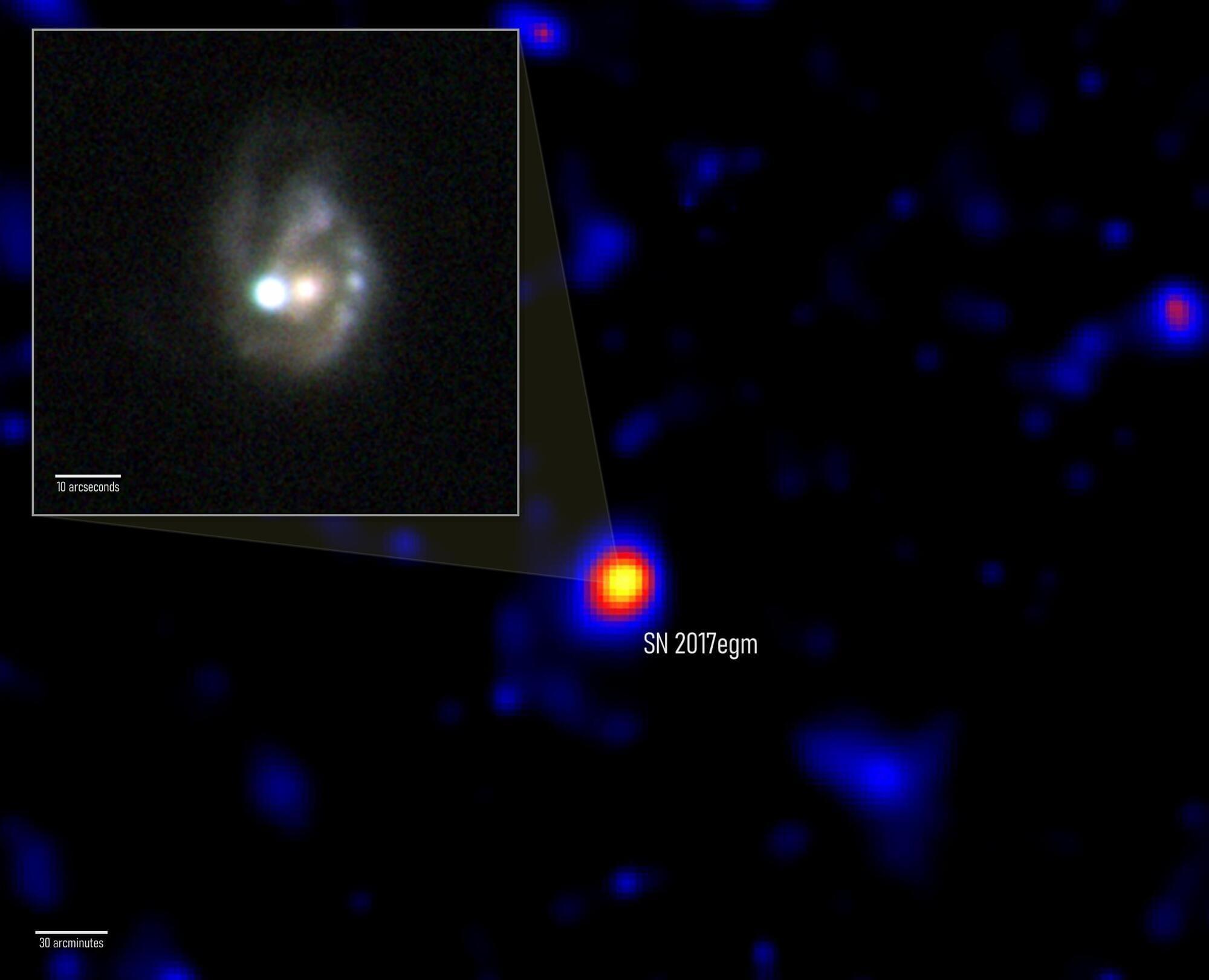
NASA’s Fermi telescope has detected what may be the first confirmed gamma-ray signal from a superluminous supernova — one of the most extreme explosions in the universe. Scientists believe the blast was powered by a rapidly spinning magnetar, an exotic neutron star with unbelievably strong magnetic fields. The event, called SN 2017egm, erupted 440 million light-years away and may help explain why some supernovae become extraordinarily bright.
NASA’s Fermi Gamma-ray Space Telescope may have finally uncovered what powers some of the brightest stellar explosions ever observed. After studying years of data, an international research team found strong evidence that a rare superluminous supernova was energized by an extremely magnetic neutron star formed during the star’s collapse.
The Fermi mission is part of NASA’s network of observatories designed to track changing events across the universe and help scientists better understand how cosmic phenomena work.
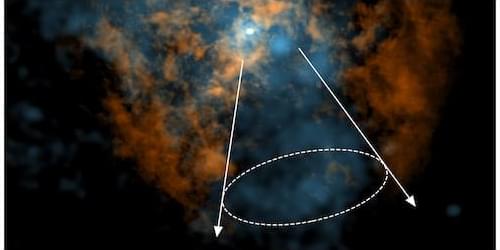
Astronomers may have solved a long-standing puzzle surrounding the giant black hole lurking at the center of our Galaxy, Sagittarius A* (Sgr A•. Using observations from the Atacama Large Millimeter/submillimeter Array (ALMA) radio observatory in Chile, Mark Gorski and Lena Murchikova of Northwestern University in Illinois have obtained signatures of a previously elusive wind from Sgr A* [1]. Such a wind had long been predicted but was never convincingly observed. If confirmed, the discovery could offer a rare glimpse into how the majority of supermassive black holes interact with their surroundings.
Supermassive black holes grow by accreting dust, stars, and gas in their vicinity. Nothing can escape the event horizon, but the turbulent environment outside of the horizon can propel gas outward in the form of jets and winds. Giant jets of plasma—such as the one emerging from M87*, the first black hole ever imaged—can be launched by twisted magnetic fields acting like cosmic slingshots. The same environment can drive less collimated outflows, or winds, through a combination of magnetic forces, thermal pressure, and radiation. Loosely speaking, “jets are to winds what laser pointers are to flashlights,” Gorski says.
Much of our understanding of these phenomena comes from the most extreme objects, such as quasars and active galactic nuclei, where winds and jets have been extensively documented. But most supermassive black holes, including Sgr A*, are thought to display less fireworks, living in quiescent, low-luminosity states that are far more difficult to study. Theory still predicts that these “quiet” black holes should fuel winds, but decades of observations of the closest black hole in the sky could not confirm such predictions. “The absence of a wind was one of the most uncomfortable things about our own Galaxy’s black hole,” Murchikova says.
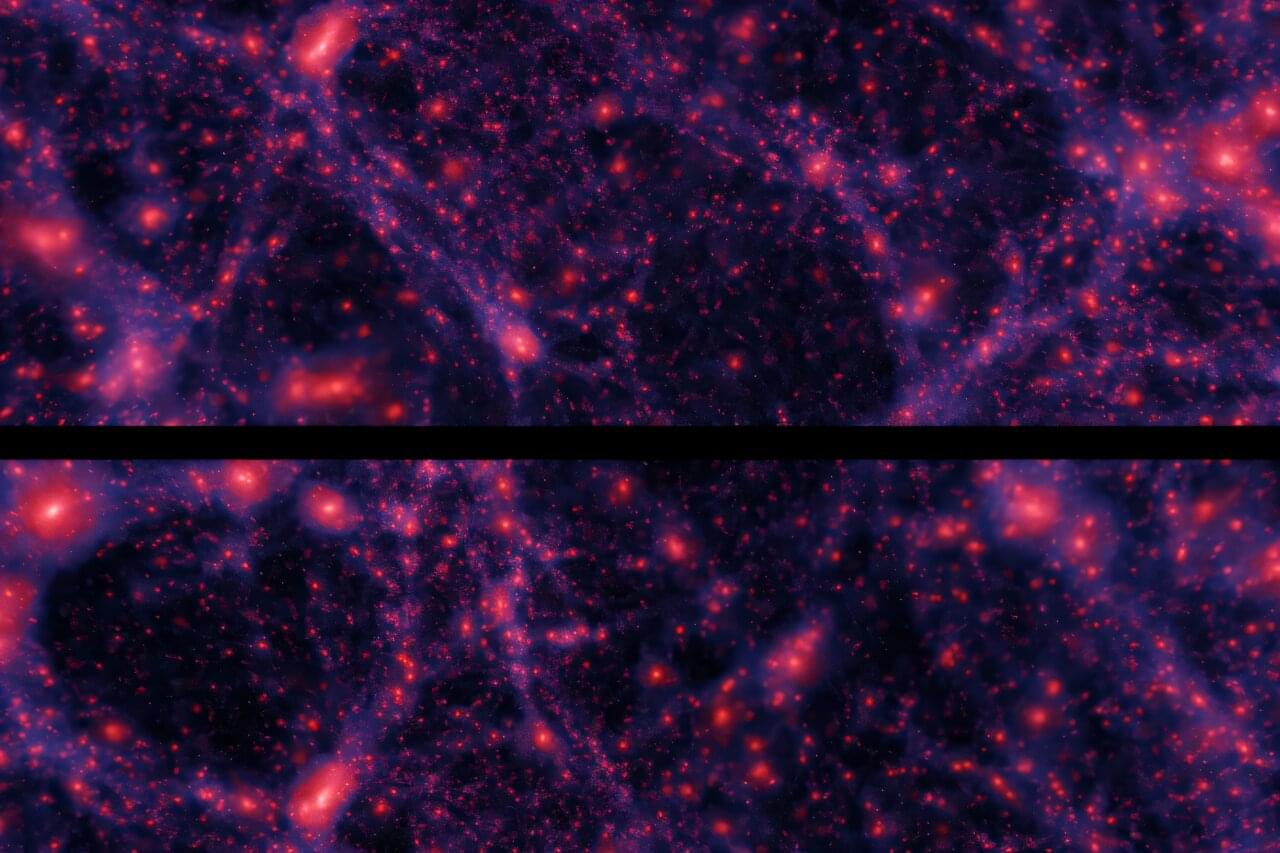
A study in the Journal of Cosmology and Astroparticle Physics explores how a machine-learning strategy known as transfer learning could dramatically reduce the computational cost of searching for new physics beyond the standard cosmological model—while also revealing an unexpected risk: Sometimes AI systems can become too reliant on what they already know.
Artificial intelligence is widely used in cosmology to analyze the universe. But testing theories beyond the standard cosmological model, known as ΛCDM, remains extremely computationally demanding.
Although ΛCDM successfully describes many properties of the universe—from its expansion to the distribution of galaxies—physicists know it is probably incomplete. Recent observations hint that phenomena such as massive neutrinos, modified gravity or evolving dark energy could point toward new physics beyond the current model.
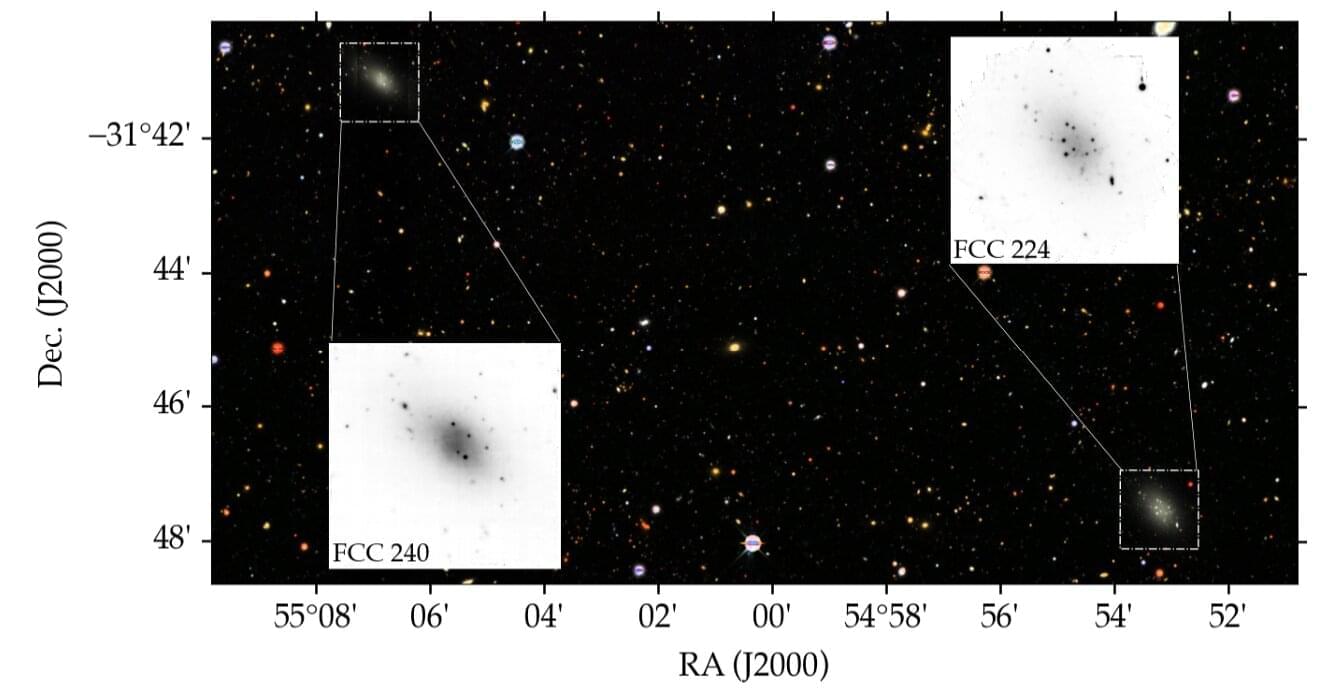
Astronomers have identified a possible new example of one of the universe’s strangest galaxy types: galaxies that appear to contain little or no dark matter. The newly studied pair, FCC 224 and FCC 240, on the outskirts of the Fornax Cluster, share several unusual traits with the only known pair of controversial dark-matter-deficient galaxies. The findings were uploaded to the arXiv preprint server on May 22.
Ultra-diffuse galaxies are faint systems that are roughly the size of the Milky Way but have much less mass, containing far fewer stars. They have sparked debate for more than 10 years, mainly because they have been observed with two contrasting levels of dark matter content.
On one end, the dark-matter-rich ultra-diffuse galaxies are reasonably well understood: These are thought to be “failed galaxies” quenched early, never building much stellar mass but holding on to many globular clusters. The opposite extreme is far stranger. A small number of ultra-diffuse galaxies appear to contain little or no dark matter at all, and the globular clusters they host are unusually bright.
To learn more, please visit the YouTube Help Center: https://www.youtube.com/help
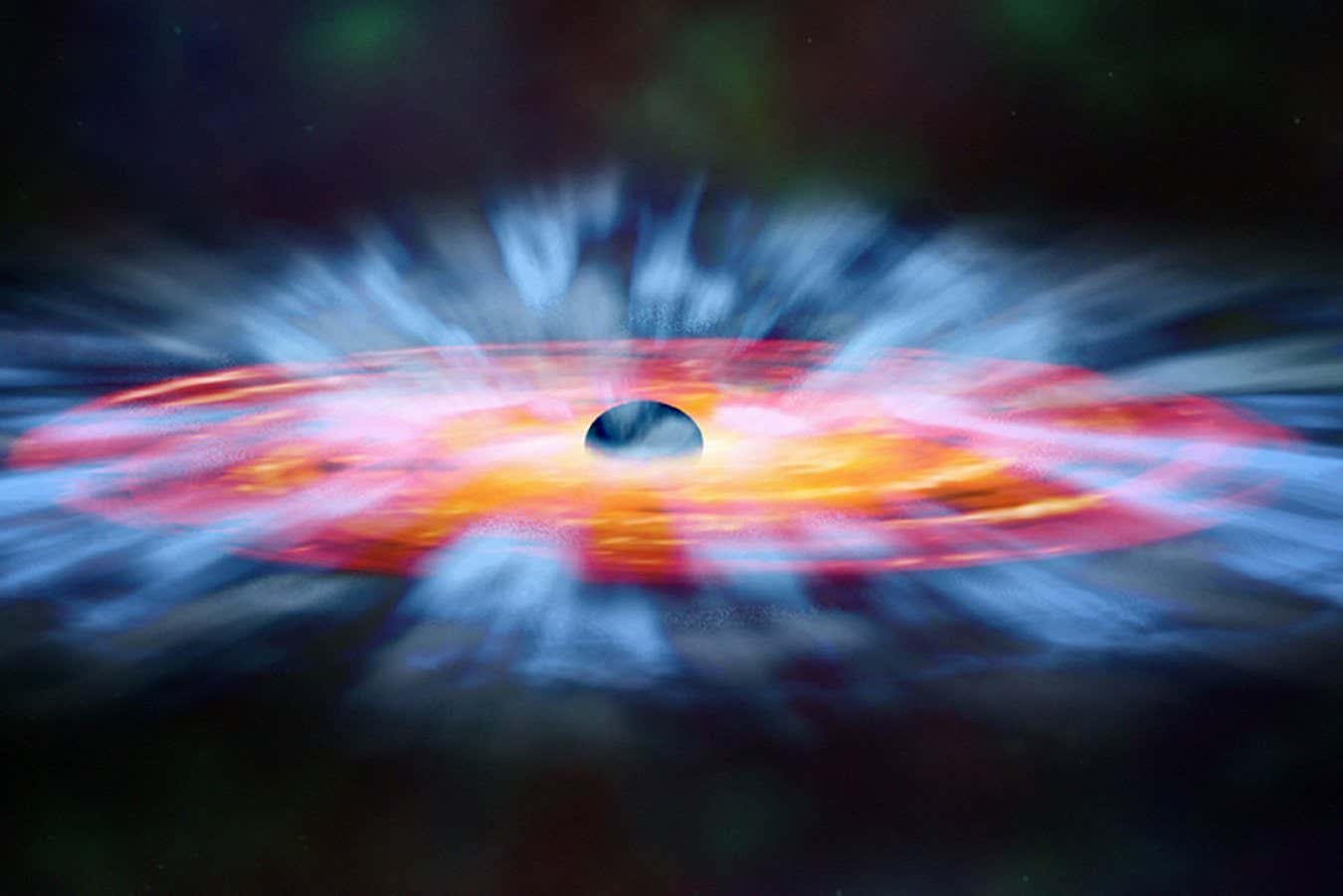
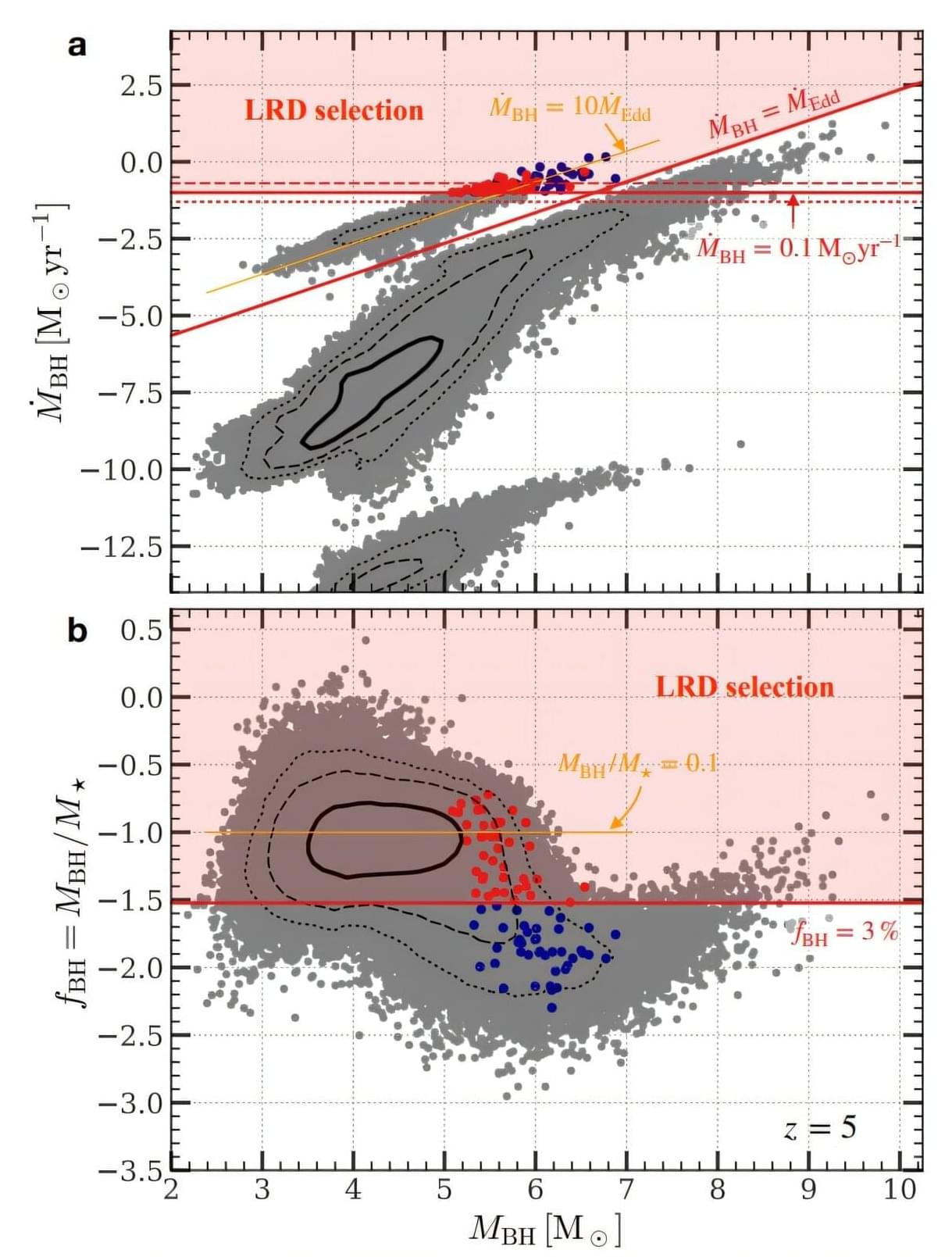
A new theoretical study may have cracked one of the most puzzling discoveries of the James Webb Space Telescope (JWST): Little Red Dots, spotted across the early universe. The paper, posted to the arXiv preprint server on May 29, argues that these objects could be black holes caught in rare, violent bursts of feeding at a rate exceeding theoretical limits.
Since JWST began its survey of the deep universe, astronomers have been puzzled by a class of tiny, faint objects appearing in the early universe in far greater numbers than expected. They have a distinctive V-shaped spectrum—bright in both ultraviolet and optical light, but with a dip in between—along with broad emission lines hinting at active black holes. They also show an absence of X-ray, radio and infrared emission.
They don’t look like ordinary galaxies, and they don’t completely look like quasars, either. What they are has been an open question. Some researchers argue that Little Red Dots may need some outside-the-box physics to explain their origin and nature.