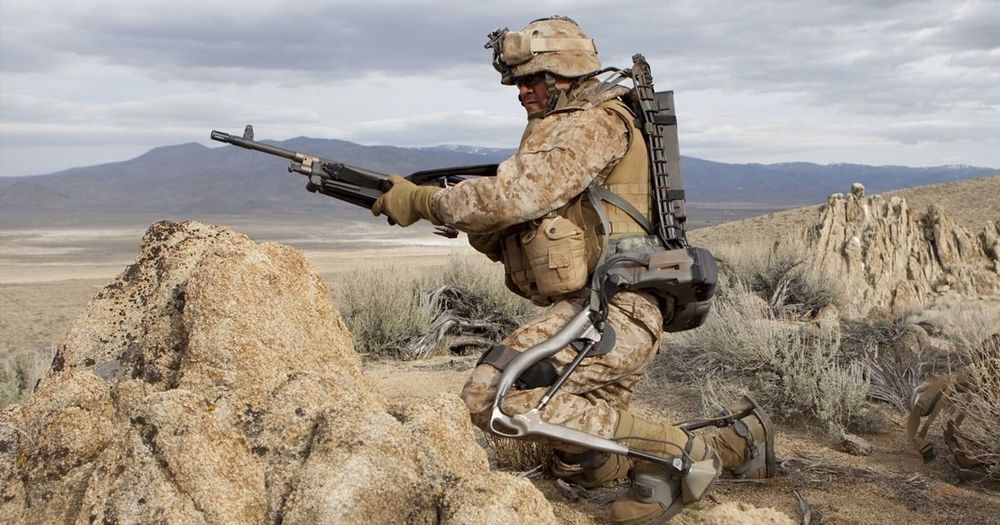
No Iron Man suits yet; most exoskeletons mainly help soldiers carry heavy loads.
Read more
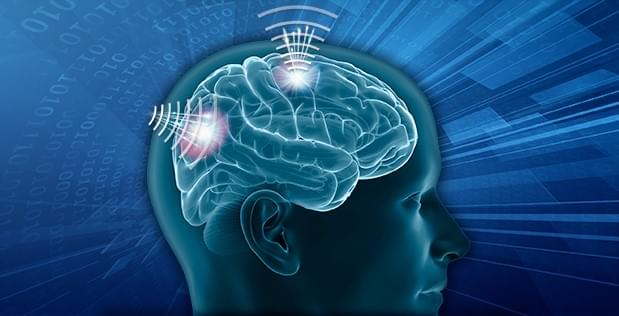
DARPA has awarded funding to six organizations to support the Next-Generation Nonsurgical Neurotechnology (N) program, first announced in March 2018. Battelle Memorial Institute, Carnegie Mellon University, Johns Hopkins University Applied Physics Laboratory, Palo Alto Research Center (PARC), Rice University, and Teledyne Scientific are leading multidisciplinary teams to develop high-resolution, bidirectional brain-machine interfaces for use by able-bodied service members. These wearable interfaces could ultimately enable diverse national security applications such as control of active cyber defense systems and swarms of unmanned aerial vehicles, or teaming with computer systems to multitask during complex missions.
“DARPA is preparing for a future in which a combination of unmanned systems, artificial intelligence, and cyber operations may cause conflicts to play out on timelines that are too short for humans to effectively manage with current technology alone,” said Al Emondi, the N program manager. “By creating a more accessible brain-machine interface that doesn’t require surgery to use, DARPA could deliver tools that allow mission commanders to remain meaningfully involved in dynamic operations that unfold at rapid speed.”
Over the past 18 years, DARPA has demonstrated increasingly sophisticated neurotechnologies that rely on surgically implanted electrodes to interface with the central or peripheral nervous systems. The agency has demonstrated achievements such as neural control of prosthetic limbs and restoration of the sense of touch to the users of those limbs, relief of otherwise intractable neuropsychiatric illnesses such as depression, and improvement of memory formation and recall. Due to the inherent risks of surgery, these technologies have so far been limited to use by volunteers with clinical need.

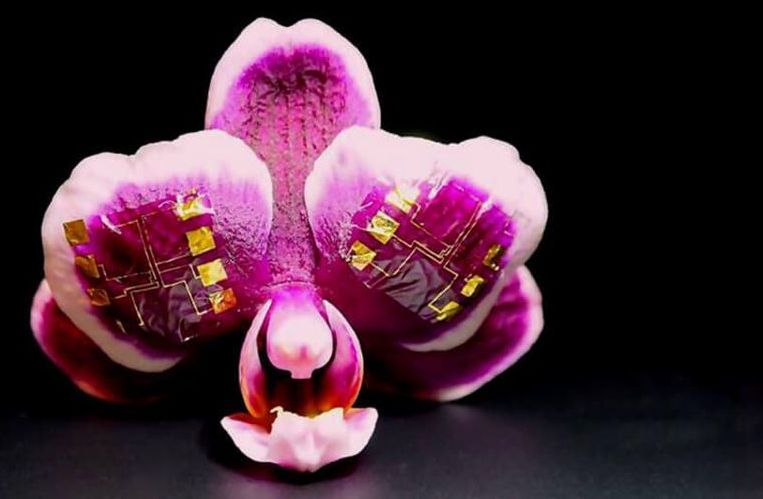
Silicon transistors and the brain don’t mix.
At least not optimally. As scientists and companies are increasingly exploring ways to interface your brain with computers, fashioning new hardware that conforms to and compliments our biological wetware becomes increasingly important.
To be fair, silicon transistors, when made into electrode arrays, can perform the basics: record neural signals, process and analyze them with increasingly sophisticated programs that detect patterns, which in turn can be used to stimulate the brain or control smart prosthetics.
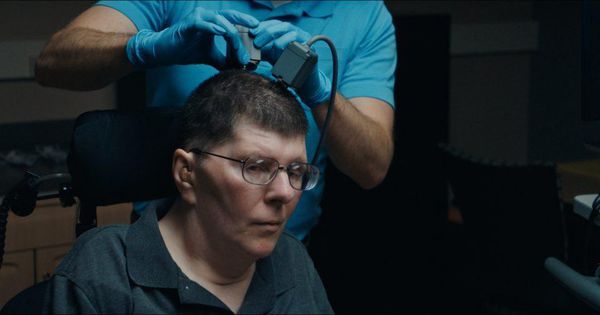
One of the most controversial narratives of our time will be discussion around identity and intention, that is who is it actually doing or thinking whatever it is you may be witnessing and why. This disruptive shift will be about discerning between human intelligence, artificial intelligence, hybrids-of-sorts and the types of parameters with which to best frame each category.
Get ready for one of the most controversial tech developments of our era.
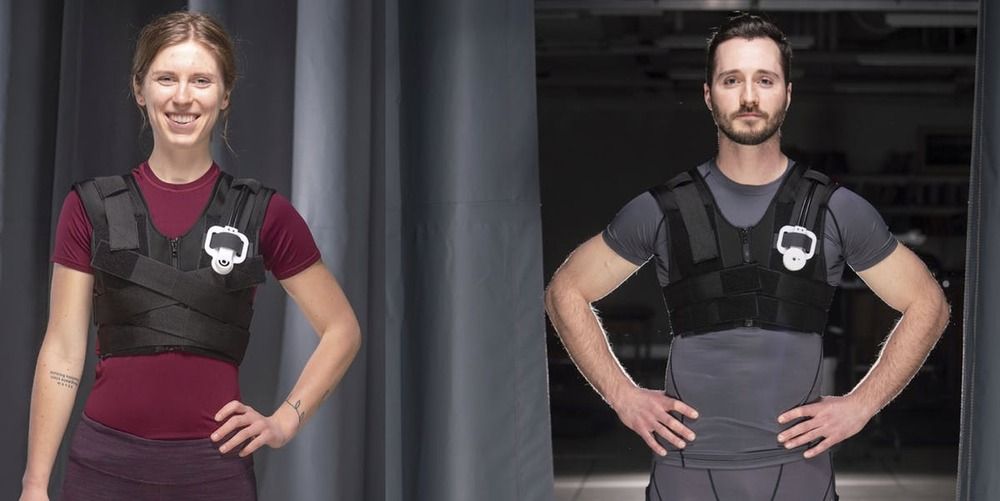
I loved the Thundercats cartoon as a child, watching cat-like humanoids fighting the forces of evil. Whenever their leader was in trouble, he’d unleash the Sword of Omens to gain “sight beyond sight,” the ability to see events happening at faraway places, or bellow “Thunder, Thunder, Thunder, Thundercats, Hooo!” to instantaneously summon his allies to his location to join the fight. What kid didn’t want those superpowers?
I also wanted Green Lantern’s ring, Wonder Woman’s bracelets, Captain America’s shield, and, of course, Batman’s batsuit. I never imagined then that 30 years later, as National Superhero Day approaches, I’d be designing components of my own supersuits.
I didn’t really notice this until a few months ago. On that day, my childhood dreams were at once destroyed and fulfilled. Standing in a line, I noticed that everyone was focused on their smartphones’ screens. Suddenly it hit me: I already had Sword of Omens superpowers. With my smartphone, I can see video of faraway events and text my friends to meet up. Billions of people now have what used to be considered superpowers.
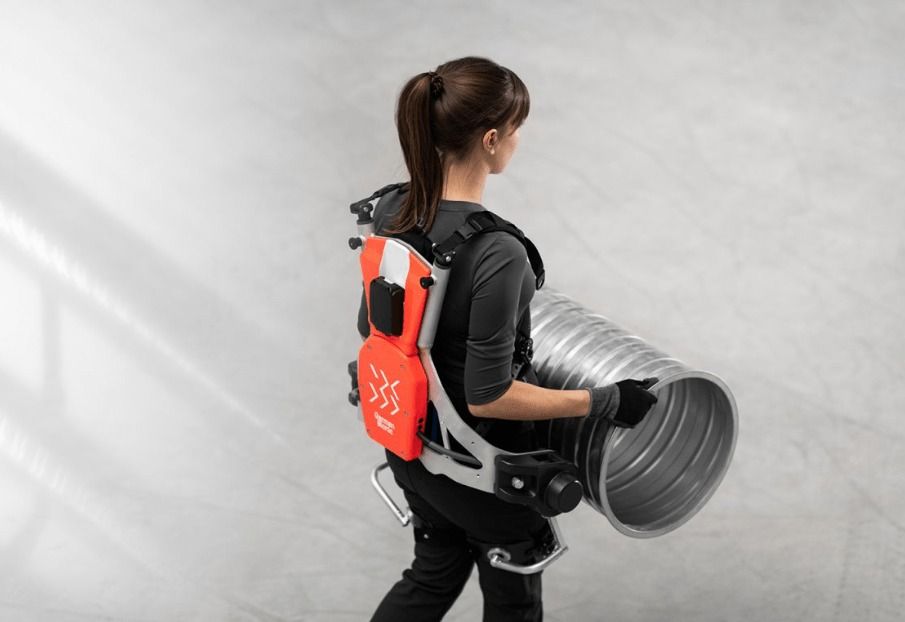
Robotics specialist German Bionic is to present the first connected robot exoskeleton for use with the industrial internet of things, at the Hannover Messe industrial technology show.
The German Bionic IO cloud platform connects the third generation of the Cray X exoskeleton with all common enterprise solutions and networked manufacturing systems, enabling complete integration into “smart factory” and Industry 4.0 environments.
Besides cloud services such as wireless software updates – over the air – and predictive maintenance, German Bionic IO facilitates the continuous optimization of the intelligent control system through machine learning and lays the data-scientific foundation for the next development stages of bionics.
Tilly is the real life Alita. She uses her bionic arms as a sign of strength 🙌 www.openbionics.com/alita
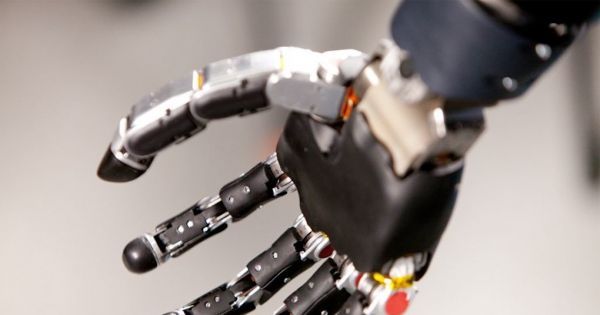
Prosthetics have advanced drastically in recent years. The technology’s potential has even inspired many, like Elon Musk, to ask whether we may be living as “cyborgs” in the not-too-far future. For Johnny Matheny of Port Richey, Florida, that future is now. Matheny, who lost his arm to cancer in 2005, has recently become the first person to live with an advanced mind-controlled robotic arm. He received the arm in December and will be spending the next year testing it out.
The arm was developed by Johns Hopkins Applied Physics Lab as part of their program Revolutionizing Prosthetics. The aim of the program, which is funded by the Defense Advanced Research Projects Agency (DARPA), is to create prosthetics that are controlled by neural activity in the brain to restore motor function to where it feels entirely natural. The program is specifically working on prosthetics for upper-arm amputee patients. While this particular arm has been demoed before, Matheny will be the first person to actually live with the prosthesis. The program does hope to have more patients take the tech for a longterm test run, though.
While the prosthetic device is impressive, it’s not a limitless, all-powerful robot arm. Matheney won’t be able to get the arm wet and is not allowed to drive while wearing it. Keeping a few rules in mind, Matheney will otherwise be free to push the tech to the edge of its capabilities, truly exploring what it can do.