Toggle light / dark theme

5 More Brain-Computer Interface Companies You Need to Know

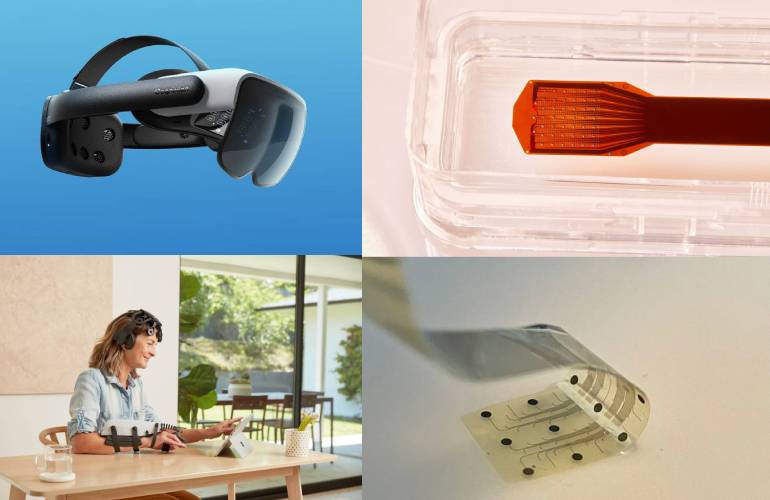
The brain-computer interface (BCI) space continues to rise in notoriety, and a number of players are throwing their hats in the ring.

Such technologies could enable users to control a computer with their brain, or even go beyond that. Countless immobile people someday could control a mouse cursor, keyboard, mobile device/tablet, wheelchair or prosthetic device by only thinking.

Big names have already established their presence in the space. Elon Musk’s Neuralink continues to make headway, while Bill Gates-and Jeff Bezos-backed Synchron has an innovative catheter-delivered implant. Blackrock Neurotech, which has a next-generation BCI, has been implanting its Utah Array in patients since 2004.

With AI chatbots, will Elon Musk and the ultra-rich replace the masses?

Elon Musk is hyping the imminent release of his ChatGPT competitor Grok, yet another example of how his entire personality is just itself a biological LLM made by ingesting all of Reddit and 4chan. Grok already seems patterned in many ways off of the worst of Elon’s indulgences, with the sense of humor of a desperately unfunny and regressive internet troll, and biases informed by a man whose horrible, dangerous biases are fully invisible to himself.

There are all kinds of reasons to be wary of Grok, including the standard reasons to be wary of any current LLM-based AI technology, like hallucinations and inaccuracies. Layer on Elon Musk’s recent track record for disastrous social sensitivity and generally harmful approach to world-shaping issues, and we’re already looking at even more reason for concern. But the real risk probably isn’t yet so easy to grok, just because we have little understanding yet of the extent of the impact that widespread use of LLMs across our daily and online lives will have.

One key area where they’re already having and are bound to have much more of an impact is user-generated content. We’ve seen companies already deploying first-party integrations that start to embrace some of these uses, like Artifact with its AI-generated thumbnails for shared posts, and Meta adding chatbots to basically everything. Musk is debuting Grok on X as a feature reserved for Premium+ subscribers initially, with a rollout supposedly beginning this week.
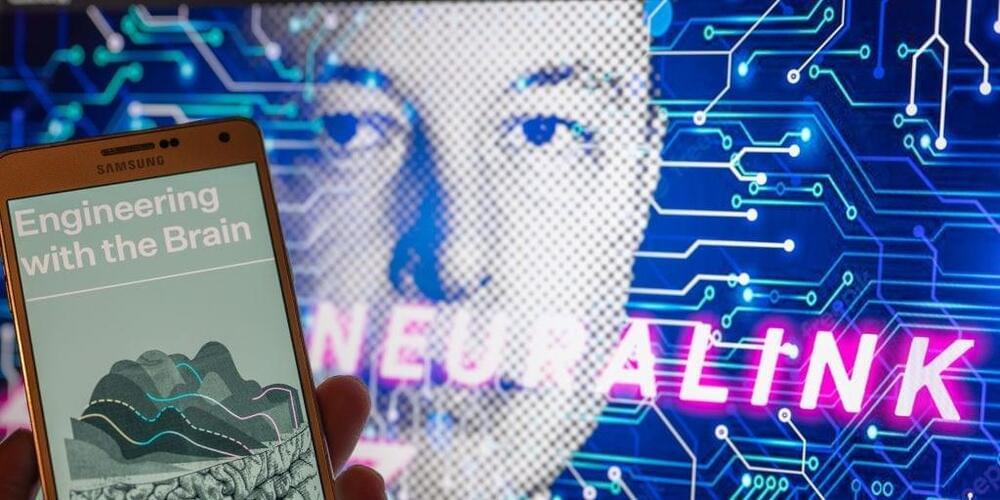
Neuralink, Elon Musk’s brain implant startup, quietly raises an additional $43M

Neuralink, the Elon Musk-founded company developing implantable chips that can read brain waves, has raised an additional $43 million in venture capital, according to a filing with the SEC.

The filing published this week shows the company increased its previous tranche, led by Peter Thiel’s Founders Fund, from $280 million to $323 million in early August. Thirty-two investors participated, according to the filing.

Neuralink hasn’t disclosed its valuation recently. But in June, Reuters reported that the company was valued at about $5 billion after privately-executed stock trades.

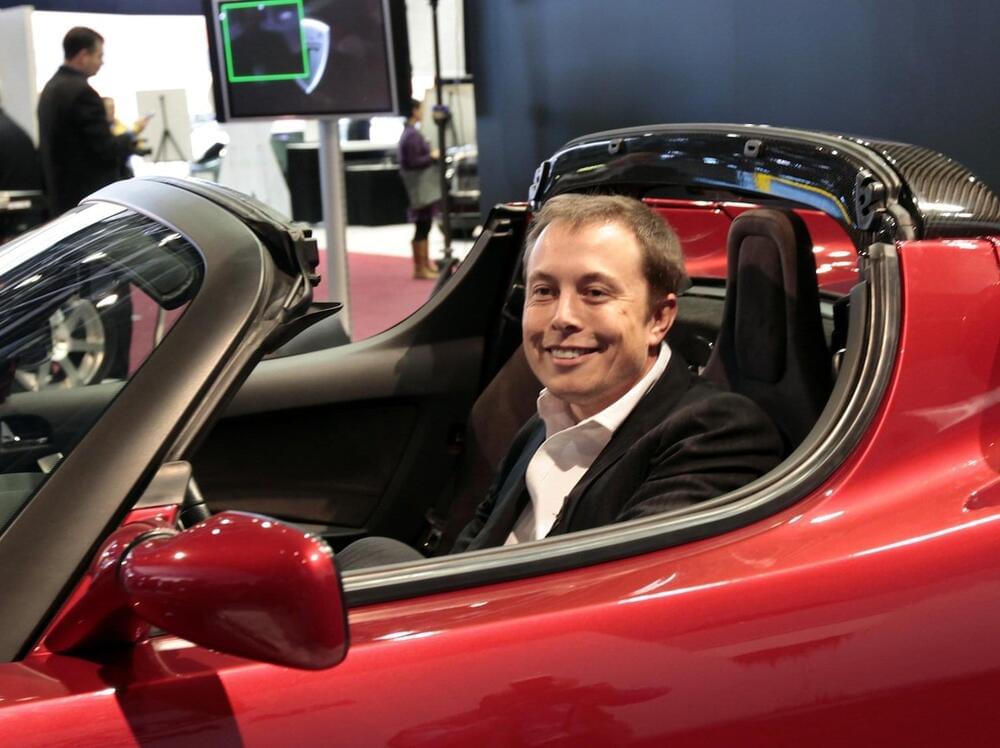
Tesla open sources all design and engineering of original Roadster

Tesla has open-sourced all of the design and engineering of the original Roadster, CEO Elon Musk announced today, and plenty of people are wondering if the timing of the release has anything to do with the next-gen Roadster that is now several years behind schedule.

Tesla has opened everything from Owner’s Manuals to Circuits and Connectors for the original Roadster, which was the automaker’s first project fifteen years ago in 2008.

The vehicle was essentially a fundraising campaign for Tesla as it fought to keep its doors open and transform the passenger vehicle industry. It almost bankrupted the company, but now, everything that was developed for Tesla’s initial EV project is available for anyone to take a look at.

A timeline of Sam Altman’s ouster from OpenAI and Microsoft appointment

Nov 20 (Reuters) — Following a surprise ouster, OpenAI co-founder and former CEO Sam Altman joined Microsoft (MSFT.O) as the head of artificial intelligence research along with the ChatGPT maker’s former President Greg Brockman and other staff.

The developments come less than a year after OpenAI kicked off the generative AI frenzy with the launch of viral chatbot ChatGPT and bagged Microsoft as an investor, among other big names.

The shakeup is not the first at OpenAI, which was launched in 2015. Tesla CEO Elon Musk, a co-founder of the non-profit, was once its co-chair, and in 2020 other executives departed, going on to found competitor Anthropic, which claims to have a greater focus on AI safety.

Elon Musk says the risk of advanced AI is so high that the public needs to know why OpenAI fired Sam Altman

Elon Musk said that the potential danger of AI is so great that OpenAI, the most powerful artificial intelligence company in the world right now, should disclose the reason it fired CEO Sam Altman. OpenAI announced Altman’s firing on Friday, saying only that the company, which makes ChatGPT, “no longer has confidence in his ability to continue leading.”

Musk, responding to a post on X from former Yammer CEO David Sacks, said that “given the risk and power of advanced AI, the public should be informed of why the board felt they had to take such a drastic decision.”

/* */