Could the rise of advanced AI tools mean the end of some creative and knowledge jobs? Here’s what the experts had to say.
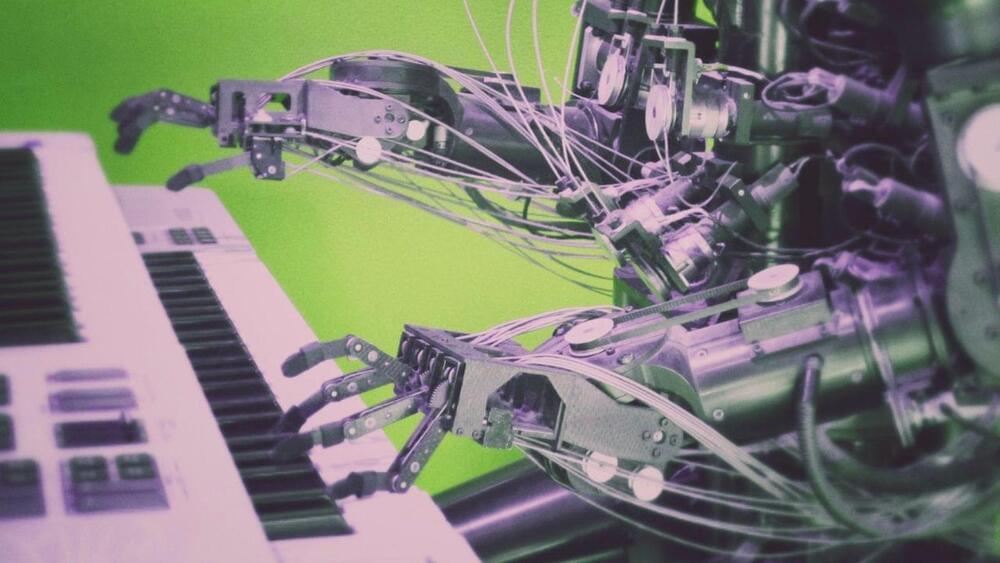

The question is no longer whether AI will change the workplace; it’s how companies can successfully use it in ways that enable – not replace – the human workforce. AI will help to make humans faster, more efficient, and more productive.
It’s true that AI will threaten some unskilled jobs through automation, but it will also potentially create different kinds of jobs that require new skill sets that will be developed through training.
AI can be used in manufacturing to make processes more efficient while also keeping human workers out of harm’s way. Opportunities to leverage AI and machine learning in manufacturing include product development, logistics optimization, predictive maintenance, and robotics.


Google CEO Sundar Pichai announced the news in an email to staff, saying the company needed to focus on key priorities — like artificial intelligence.
Google is cutting approximately 12,000 jobs — the latest technology firm to initiate significant layoffs as inflation rises and global markets brace for a downturn.
Google SEO Sundar Pichai announced the cuts in an email to staff on Friday and a blog post. The job losses constitute around 6 percent of Google’s global workforce, compared to recent layoffs at Microsoft (10,000 jobs or 5 percent of the workforce), Amazon (18,000 jobs / 6 percent), and Meta (11,000 / 13 percent).
Google needs to focus on key areas like AI, says Sundar Pichai.

The state introduced the resolution as a tribute to its oil and gas industry.
A U.S. state has decided to swim against the tide with its proposal to phase out all-electric vehicles from the state by 2035. You heard it right. Wyoming’s legislature is debating a resolution introduced on January 13, intended to pay tribute to its oil and gas industry which has created countless jobs and revenues over the decades.
In 2021, the state had produced 85.43 million barrels of crude oil, making it the eighth largest producer of oil among states in the U.S. Wyoming has a total population of just 577,000 people.
MarioGuti/iStock.
The resolution — Senate Joint Resolution 4 (SJ4), urges its residents to voluntarily limit their purchases and businesses to stop their sale of EVs, measures which aimed at phasing them out entirely by 2035. Through this symbolic act, lawmakers in Wyoming led by Senator Jim Anderson aim to send a message to EV supporters and people who campaign against ICE engine vehicles.


In the last week, I’ve been experimenting with the hot new version of ChatGPT to discover how it might conserve a leader’s scarcest resource: time. When OpenAI launched the AI chatbot at the end of November, it instantly attracted millions of users, with breathless predictions of its potential to disrupt business models and jobs.
It certainly promises to deliver on a prediction I made in 2019 in my book The Human Edge, which explores the skills needed in a world of artificial intelligence and digitization. I forecasted: “…AI can offer us more free time by automating the stupid stuff we currently have to do, thereby reducing our cognitive burden.”
This new chatbot can help time-poor managers by writing emails and talking points — but also in delivering complex tasks like HR performance reviews.

If all the hype around ChatGPT, Dall-E, Tesla’s Fully Self Driving mode and *ahem* Q.ai, has shown us anything, it’s that artificial intelligence is here to stay. The knee jerk reaction from many old fashioned meat machines, sorry, humans, is a concern around what this means for their income.
For years now, we’ve been told how AI is going to take our jobs, and it’s true that in many industries, machines, robots and other technology have cut workforce numbers dramatically.
With that said, many of the jobs being taken by AI so far are often considered dangerous, repetitive and boring. There aren’t too many people out there who are going to get great job satisfaction from turning the same 5 screws on a production line for 40 hours a week.
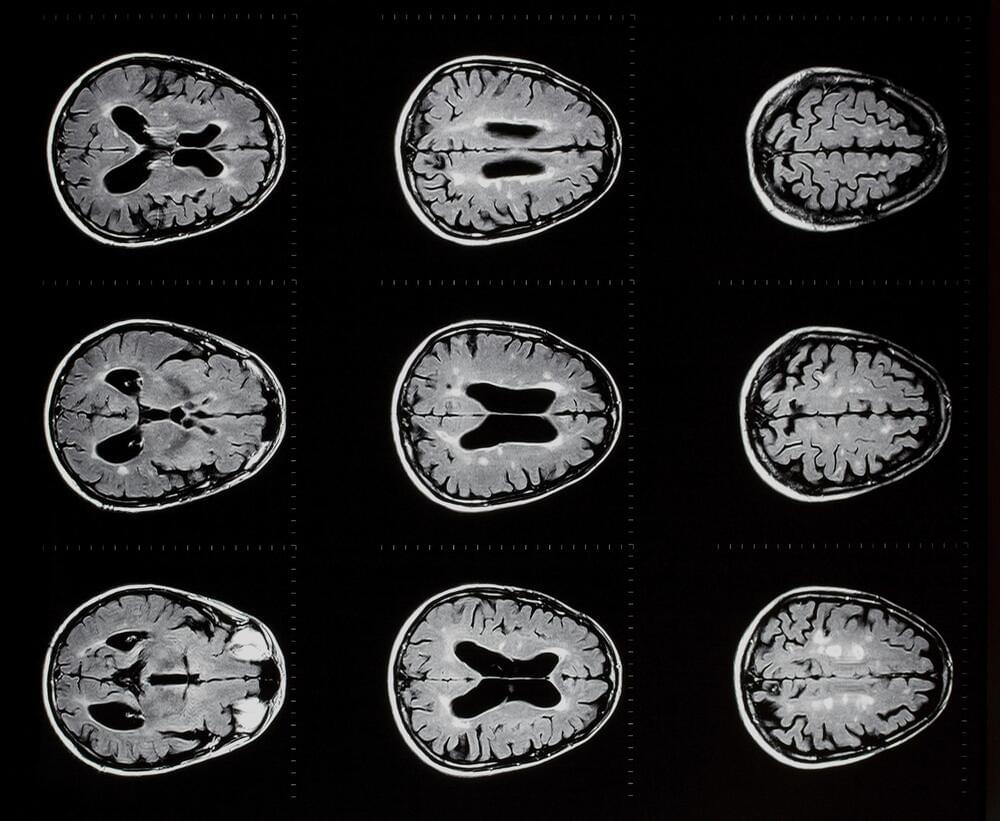
In light of Whitney Houston and Bobby Brown’s daughter, Bobbi Kristina being found unconscious, there have been many headlines that said she in “a coma” or a “vegetative state” or even “brain dead”. First things first, patients who suffer brain death are not in coma. And patients who are in coma may or may not progress to brain death.
The brain has a number of vast jobs to complete every second and is a very complex organ. The brain controls not only an individual’s thought process and voluntary movements, but it controls involuntary movements and other vital body functions. These functions include auditory, olfactory, visual and tactile senses, regulation of body temperature, blood pressure, respiration, and heart rate (although the heart can continue to beat without the brain in “autotonic response”). The brain also produces hormones to control individual organ function. A good example is the brain’s production of anti-diuretic hormone (ADH). This hormone is produced to concentrate the urine in the kidneys, thus protecting against life-threatening dehydration.

Automation will solve labour shortage in developed countries.
Alberta’s worker shortage has shown some signs of levelling off in recent months, but similar to the rest of the country, industries that rely heavily on skilled workers report feeling constrained as their operations continue to struggle.