Toggle light / dark theme

Scientists confirm one-dimensional electron behavior in phosphorus chains

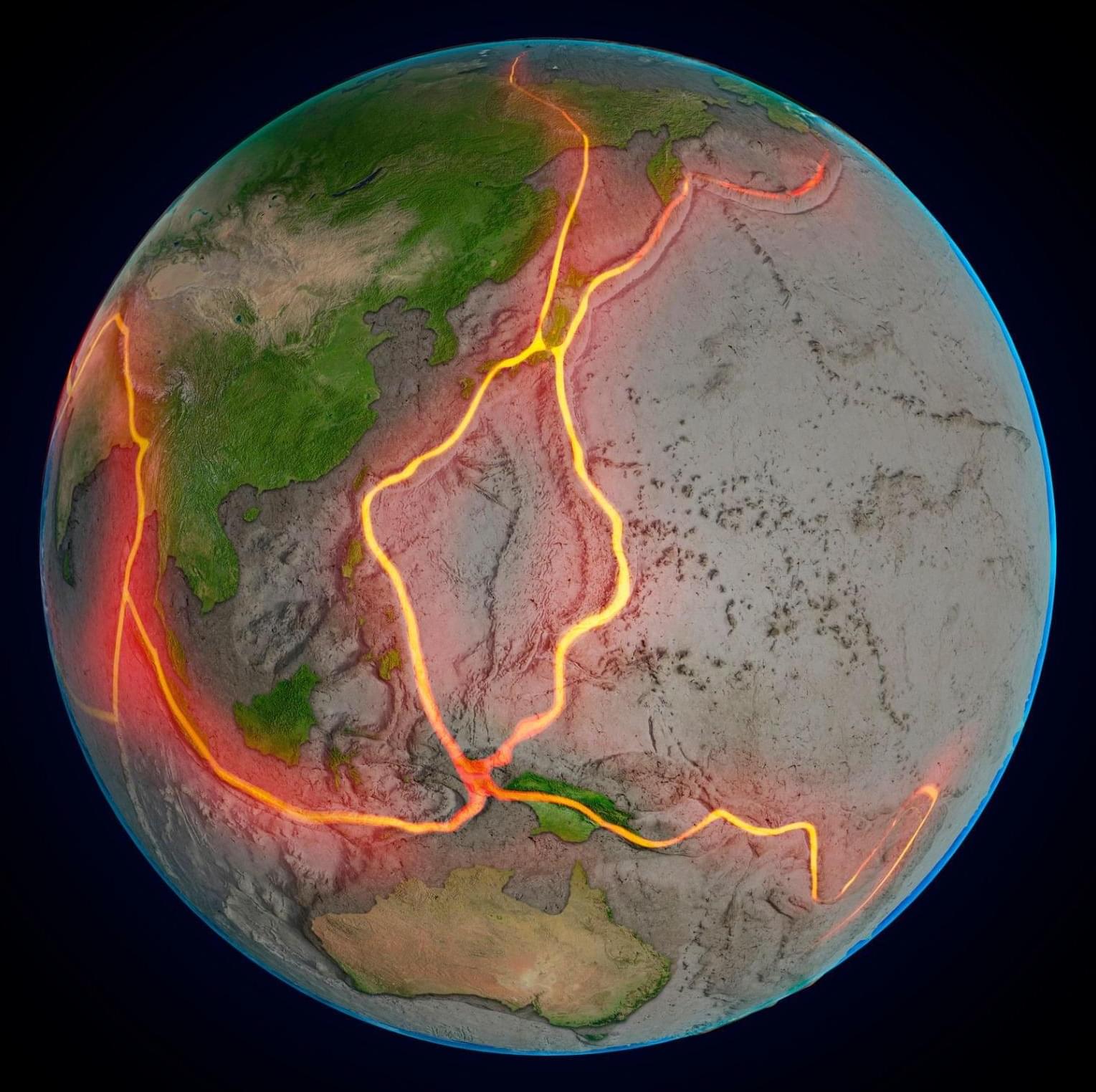
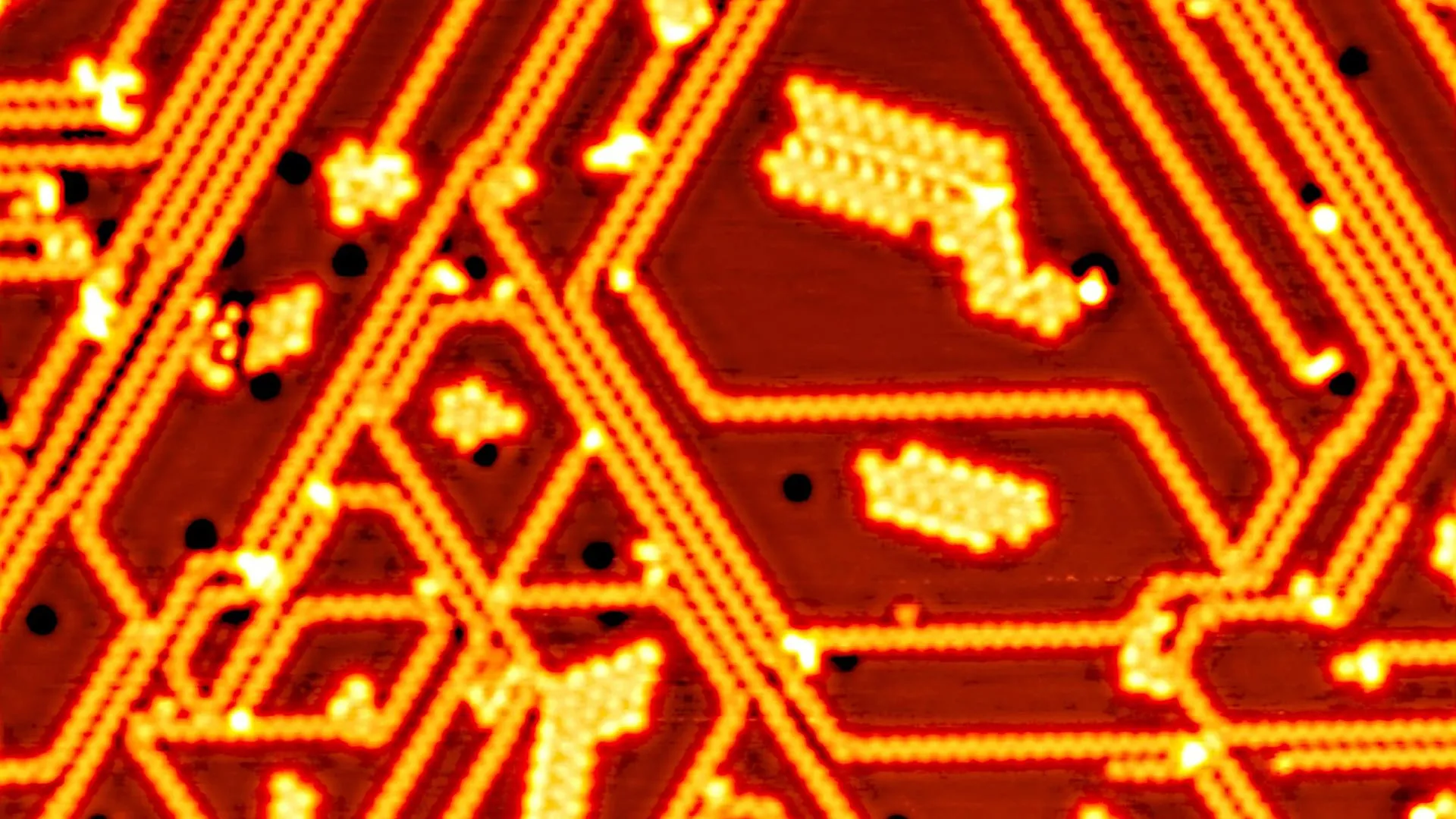
For the first time, researchers have shown that self-assembled phosphorus chains can host genuinely one-dimensional electron behavior. Using advanced imaging and spectroscopy techniques, they separated the signals from chains aligned in different directions to reveal their true nature. The findings suggest that squeezing the chains closer together could trigger a dramatic shift from semiconductor to metal. That means simply adjusting density could unlock entirely new electronic states.

Antarctica sits above Earth’s strongest ‘gravity hole.’ Now we know how it got that way

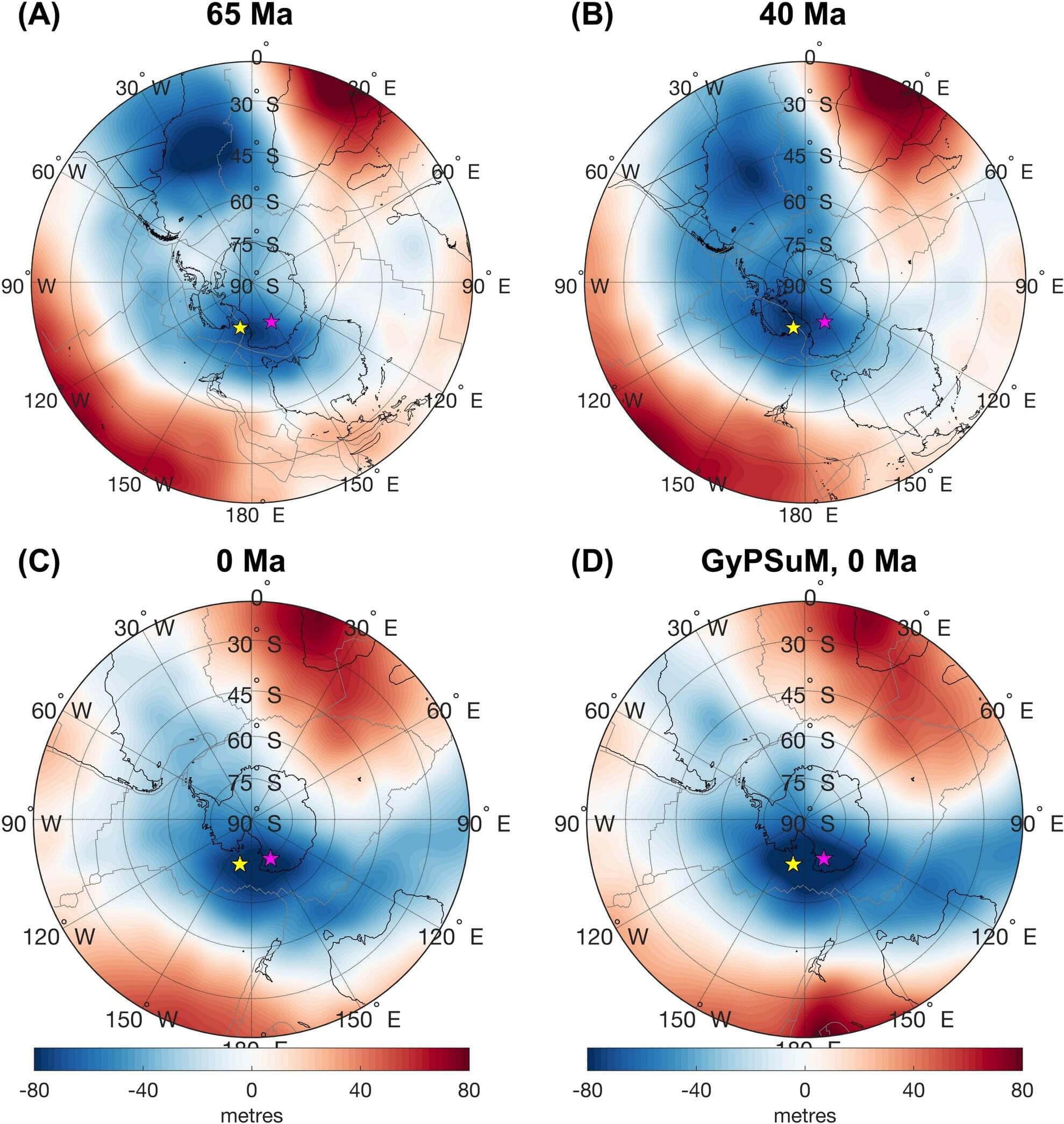
Gravity feels reliable—stable and consistent enough to count on. But reality is far stranger than our intuition. In truth, the strength of gravity varies over Earth’s surface. And it is weakest beneath the frozen continent of Antarctica after accounting for Earth’s rotation.

A new study reveals how achingly slow rock movements deep under Earth’s surface over tens of millions of years led to today’s Antarctic gravity hole. The study highlights that the timing of changes in the Antarctic gravity low overlaps with major changes in Antarctica’s climate, and future research could reveal how the shifting gravity might have encouraged the growth of the frozen continent’s climate-defining ice sheets.

“If we can better understand how Earth’s interior shapes gravity and sea levels, we gain insight into factors that may matter for the growth and stability of large ice sheets,” said Alessandro Forte, Ph.D., a professor of geophysics at the University of Florida and co-author of the new study recreating the Antarctic gravity hole’s past.
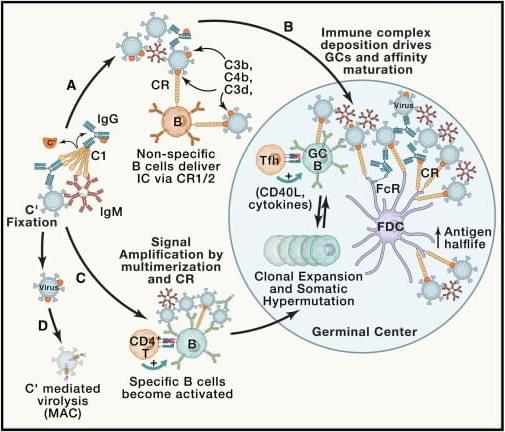
Antibody modulation of B cell responses—Incorporating positive and negative feedback

Antibodies modulate ongoing and future B cell responses. Cyster and Wilson review the various mechanisms whereby antibody feedback shapes B cell responses and present a framework for conceptualizing the ways antigen-specific antibody may influence immunity in conditions as diverse as infectious disease, autoimmunity, and cancer.

/* */