Toggle light / dark theme

The US Has Officially Started Using CRISPR on Humans

On Monday, a UPenn spokesperson confirmed to NPR that the institution’s researchers have officially started using CRISPR on humans — marking a national first that could lead to a more widespread use of the technology in the future.

Last Resort

The spokesperson told NPR that the UPenn team has thus far used CRISPR to treat two cancer patients, one with multiple myeloma and one with sarcoma. Both had relapsed after standard cancer treatments.

Read more

Aerogel–aerogel composites for normal temperature range thermal insulations

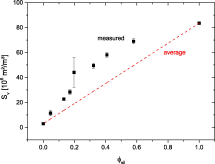
Aerogel–aerogel composites are prepared by embedding highly insulating granular silica aerogel (1–2 mm, 5–58 vol.%) into ambient pressure dried resorcinol-formaldehyde (RF) aerogel. The organic RF aerogel matrix is synthesized via a sol–gel reaction of resorcinol (1,3-dihydroxybenzene) and formaldehyde in deionized water with Na2CO3 as the catalyst. Plates around 90 × 195 mm² with a thickness of 19–25 mm are obtained and can be processed for application by sawing and grinding. A theoretical model for the volume-based surface area was used to show that the matrix aerogel around the silica aerogel grains is affected by their presence. Composites have a density 0.19 ≤ ρ ≤ 0.27 g/cm³ and a thermal conductivity at room temperature between 0.026 and 0.053 W/mK. Composites can be used as thermal insulation material in a normal temperature range < 200 °C due to the decomposition of the organic phase above 200 °C.


How to defend the Earth from asteroids

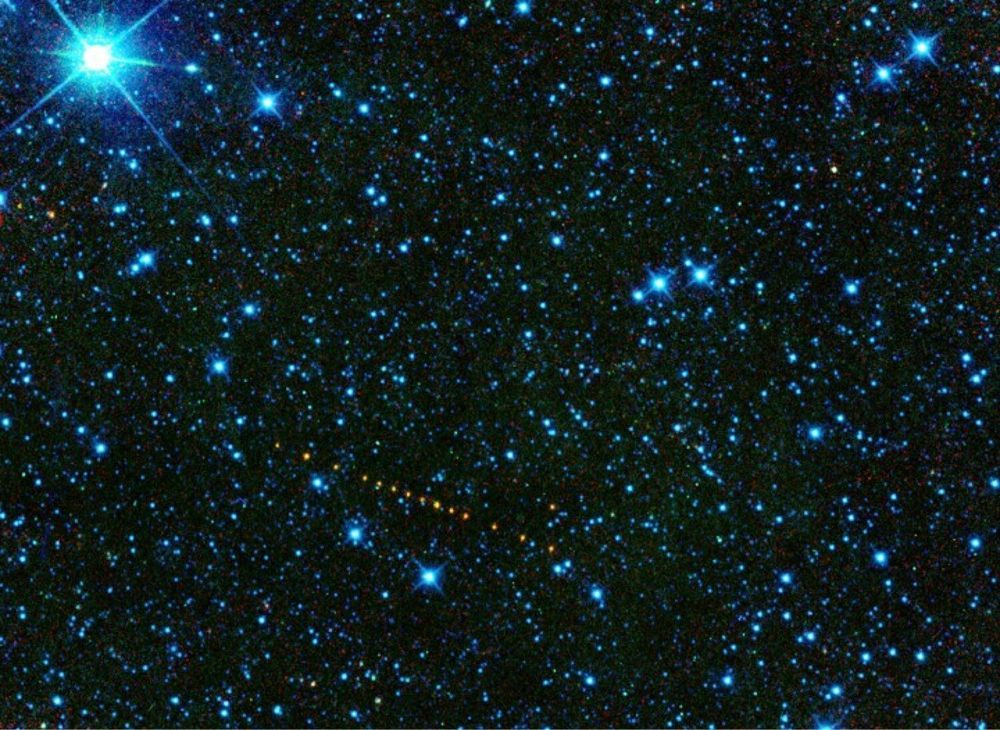
A mere 17–20 meters across, the Chelyabinsk meteor caused extensive ground damage and numerous injuries when it exploded on impact with Earth’s atmosphere in February 2013.

To prevent another such impact, Amy Mainzer and colleagues use a simple yet ingenious way to spot these tiny near-Earth objects (NEOs) as they hurtle toward the planet. She is the principal investigator of NASA’s asteroid hunting mission at the Jet Propulsion Laboratory in Pasadena, California, and will outline the work of NASA’s Planetary Defense Coordination Office this week at the American Physical Society April Meeting in Denver—including her team’s NEO recognition method and how it will aid the efforts to prevent future Earth impacts.

“If we find an object only a few days from impact, it greatly limits our choices, so in our search efforts we’ve focused on finding NEOs when they are further away from Earth, providing the maximum amount of time and opening up a wider range of mitigation possibilities,” Mainzer said.

Read more
/* */